

Passion fruit prices in Kenya demonstrate remarkable variation across market channels, geographic regions, and quality grades. Understanding these pricing dynamics empowers buyers to secure optimal value while farmers can maximize returns through strategic market selection.
The Kenyan passion fruit market encompasses diverse pricing structures spanning from farm gate rates through wholesale networks to final retail channels. Regional supply conditions, variety characteristics, and seasonal patterns create complex price landscapes requiring careful navigation.
Current market rates range from modest farm gate pricing to premium retail figures reflecting value-added handling, transportation, and quality assurance. This comprehensive analysis reveals exactly what drives passion fruit pricing and how to leverage market knowledge for competitive advantage.
Essential Price Insights
- Farm gate prices range KES 50-150 per kg depending on variety and quality
- Wholesale rates span KES 201-606 per kg across regional markets
- Retail pricing reaches KES 399-1,202 per kg in major urban centers
- Export quality commands premium KES 100-180 per kg rates
- Purple varieties average 20-30% higher than yellow passion fruits
- Regional price differences can exceed 50% between markets
- Seasonal variations create 30-40% price swings during glut periods
Source Premium Kenya Passion Fruits
Connect with Verified Passion Fruit Exporters →Understanding Passion Fruit Price Structure in Kenya
Kenya's passion fruit market operates through multiple pricing tiers, each reflecting different value addition levels and market functions. Grasping these distinctions clarifies where best value emerges for specific buying requirements.
Farm Gate Pricing: Direct from Growers
Farm gate represents the entry point where growers sell directly to buyers at cultivation sites. Prices at this level range between KES 50 to 150 per kilogram, varying primarily based on variety, quality, and harvest volume.
Purple passion fruits command higher farm gate rates than yellow varieties. The premium reflects superior flavor profiles and stronger market demand. Quality grades significantly impact pricing, with export-grade fruit fetching 40-60% premiums over standard quality.
Seasonal dynamics dramatically influence farm gate pricing. Peak harvest periods see prices compress toward the lower range as supply abundance pressures rates. Off-season scarcity drives premiums, with prices potentially doubling during severe shortage periods.
Direct farm purchases eliminate intermediary margins but require buyers to handle logistics, quality sorting, and market risk. Large-volume buyers often negotiate favorable rates through consistent offtake commitments.
Wholesale Market Rates: Bulk Trade Dynamics
Wholesale channels connect farm production with retail distribution through aggregation and bulk sales. Prices at this tier typically range from KES 201 to 606 per kilogram, reflecting transportation costs, handling margins, and quality assurance investments.
Regional wholesale prices vary dramatically across Kenya's markets. Nairobi commands highest wholesale rates at KES 300-606 per kg, driven by urban demand concentration and strong purchasing power. Nakuru follows closely with premium pricing reflecting its position as a major trading hub.
Kisumu consistently offers the lowest wholesale rates at KES 201-350 per kg due to proximity to major growing regions around Lake Victoria basin. This geographic advantage reduces transportation costs and enables competitive pricing.
Mombasa wholesale markets fall between extremes at KES 350-500 per kg. Coastal demand combines with reasonable access to highland production areas to create moderate pricing levels.
| Market Channel | Price Range (KES/kg) | Key Characteristics |
|---|---|---|
| Farm Gate | 50 - 150 | Direct from farmers, buyer handles logistics |
| Wholesale (Kisumu) | 201 - 350 | Lowest rates, proximity to production |
| Wholesale (Mombasa) | 350 - 500 | Moderate pricing, coastal markets |
| Wholesale (Nairobi) | 300 - 606 | Highest wholesale rates, premium demand |
| Retail (Urban) | 399 - 1,202 | Convenience, small quantities, quality assured |
| Export Grade | 100 - 180 | Premium quality, consistent standards |
Retail Pricing: Consumer Market Reality
Retail channels deliver passion fruits directly to final consumers through supermarkets, fruit vendors, and specialty stores. Prices at this level range from KES 399 to 1,202 per kilogram, reflecting substantial markups over wholesale rates.
Premium supermarket chains command highest retail prices, reaching KES 800-1,202 per kg in upscale Nairobi locations. These premiums cover refrigeration infrastructure, attractive displays, quality guarantees, and convenient shopping experiences.
Traditional market vendors offer more competitive retail rates at KES 399-700 per kg. Lower overhead costs and flexible pricing enable these channels to undercut formal retail significantly while maintaining acceptable margins.
Retail pricing exhibits less volatility than wholesale markets. Fixed markup structures and consumer price sensitivity limit dramatic fluctuations, creating more stable pricing environments.
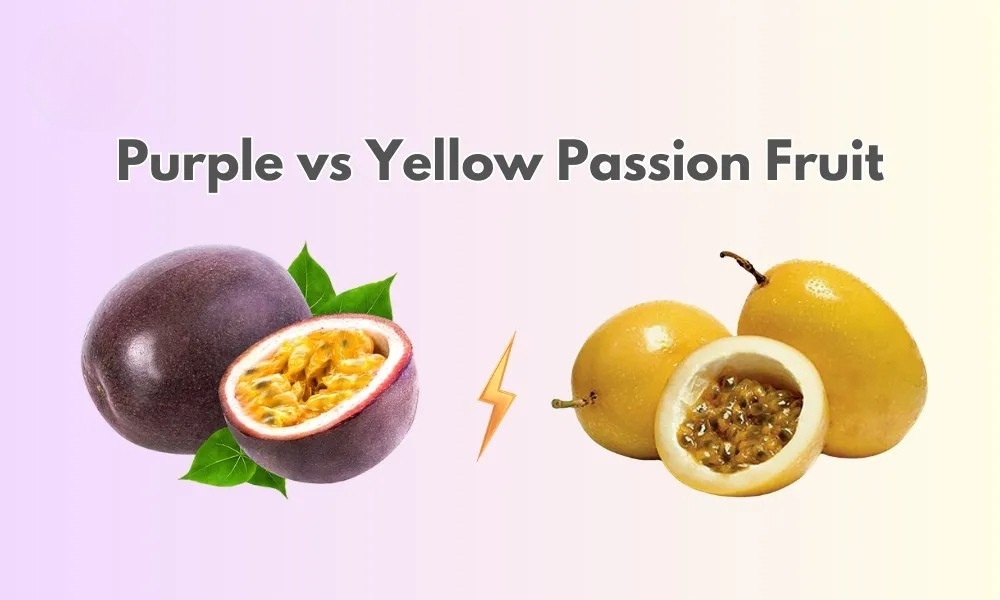
Purple vs Yellow Passion Fruit: Price Differentials Explained
Kenya cultivates two main passion fruit varieties exhibiting distinct characteristics and price points. Understanding these differences clarifies why purple varieties consistently command premium valuations.
Purple Passion Fruit: Premium Market Positioning
Purple passion fruits (Passiflora edulis) dominate highland production areas at 1,200-2,000 meters elevation. These fruits deliver intense sweetness, strong aromatic profiles, and deep purple coloring when ripe.
Market prices for purple varieties average 20-30% above yellow passion fruit rates. Wholesale purple passion fruits typically sell for KES 80-150 per kg compared to yellow varieties at KES 60-120 per kg.
The premium reflects superior eating quality preferred by juice manufacturers and direct consumers. Purple passion fruit's intense flavor enables processors to use less fruit per liter while maintaining desired taste profiles.
Retail markets particularly favor purple varieties. The distinctive appearance and aromatic qualities create consumer preference supporting higher price points. Premium supermarkets often stock purple varieties exclusively.
Yellow Passion Fruit: Volume Market Workhorse
Yellow passion fruits (Passiflora edulis f. flavicarpa) thrive at lower elevations from sea level to 800 meters. These larger fruits offer extended shelf life and disease resistance compared to purple counterparts.
Yellow varieties typically trade 15-25% below purple passion fruit rates. The discount reflects milder flavor intensity and reduced aromatic qualities. However, larger fruit size partially offsets lower per-kilogram pricing through reduced handling costs.
Industrial buyers including juice processors often prefer yellow varieties for bulk processing. The extended shelf life enables longer storage periods, smoothing supply fluctuations and supporting more stable pricing.
Export markets show mixed preferences. Some international buyers specifically request yellow varieties for their distinctive characteristics, while others prioritize purple varieties' flavor intensity.
Purple Passion Fruit
Price Range: KES 80-150/kg wholesale
Characteristics: Intense sweetness, strong aroma, deep purple skin when ripe
Best Markets: Retail, premium juice, export
Yellow Passion Fruit
Price Range: KES 60-120/kg wholesale
Characteristics: Milder flavor, longer shelf life, larger fruit size
Best Markets: Industrial processing, bulk export
Regional Price Variations Across Kenya
Geographic location creates substantial passion fruit price differentials across Kenya's markets. These variations reflect transportation economics, local supply conditions, and regional demand characteristics.
Nairobi: Premium Pricing Hub
Nairobi consistently records Kenya's highest passion fruit prices across all market channels. Wholesale rates reach KES 300-606 per kg while retail pricing extends to KES 800-1,202 per kg in premium outlets.
The capital's large population and concentrated purchasing power support premium pricing. High-income consumers demonstrate willingness to pay elevated rates for quality assurance and convenience.
Transportation costs from distant production regions add to Nairobi pricing. Most passion fruits reach the city from western Kenya, Rift Valley, or central highlands, accumulating significant logistics expenses.
Kisumu: Value Market Opportunity
Kisumu offers Kenya's most competitive passion fruit pricing, with wholesale rates averaging KES 201-350 per kg. Proximity to major production zones around Kisii, Nyamira, and Kakamega creates natural cost advantages.
Reduced transportation expenses enable Kisumu traders to undercut distant markets while maintaining healthy margins. This geographic blessing attracts bulk buyers seeking optimal value propositions.
However, Kisumu's lower purchasing power limits retail premiums. Final consumer prices remain modest compared to Nairobi, capping margin potential at retail level.
Mombasa and Coastal Markets
Mombasa positioning creates moderate pricing levels between Kisumu's value rates and Nairobi's premiums. Wholesale prices typically range KES 350-500 per kg depending on season and quality.
The coastal market benefits from reasonable highland access while serving substantial urban populations. Tourism demand adds seasonal premium opportunities during peak visitor periods.
Secondary Cities: Varied Pricing Landscapes
Nakuru commands near-Nairobi pricing at KES 280-550 per kg wholesale due to its position as a major trading center. Strong agricultural linkages and processing industry presence support robust demand.
Eldoret, Nyeri, and Thika offer moderate pricing reflecting their positions between production zones and major consumption centers. These markets balance accessibility and demand to create mid-range pricing.
| Region/City | Wholesale (KES/kg) | Price Level | Key Factors |
|---|---|---|---|
| Nairobi | 300 - 606 | Highest | Urban demand, transportation costs |
| Nakuru | 280 - 550 | High | Trading hub, processing presence |
| Mombasa | 350 - 500 | Moderate | Coastal access, tourism demand |
| Eldoret | 250 - 400 | Moderate | Regional center, balanced access |
| Kisumu | 201 - 350 | Lowest | Production proximity, lower demand |
Seasonal Price Patterns and Market Cycles
Passion fruit pricing follows predictable seasonal patterns driven by production cycles, harvest timing, and demand fluctuations. Understanding these cycles enables strategic buying and selling decisions.
Peak Season Price Compression
Main harvest periods see substantial price reductions as supply abundance pressures markets. Prices can drop 30-40% below annual averages during peak production months when farms simultaneously harvest.
Purple passion fruit seasons typically peak around March-May and September-November in major growing regions. These glut periods create buyer opportunities for volume purchases at favorable rates.
Yellow varieties demonstrate somewhat different seasonality, with production concentrating in warmer, lower-elevation zones. Peak periods may offset purple harvests, smoothing overall market supply.
Processors and exporters time purchases strategically during peak seasons, securing inventory at compressed prices for processing or cold storage. This practice stabilizes their annual cost structures.
Off-Season Premium Pricing
Supply shortages during off-peak months drive substantial price premiums. Passion fruit prices can surge 40-60% above average rates when production declines and accumulated inventory depletes.
These shortage periods create opportunities for farmers with off-season production capabilities through irrigation or greenhouse cultivation. Premium pricing justifies additional input investments required for counter-seasonal production.
Juice manufacturers particularly struggle during shortage periods. Some companies resort to imported concentrate or reduce passion fruit content in products to manage elevated raw material costs.
Weather Impact on Price Volatility
Unpredictable weather patterns introduce additional price volatility beyond normal seasonal cycles. Excessive rainfall during flowering reduces fruit set, constraining future supply and elevating prices.
Drought conditions stress vines and reduce production, similarly tightening supply and supporting higher prices. However, severe drought can also reduce quality, potentially offsetting price gains through grade discounts.
Hailstorms and extreme weather events cause immediate local supply disruptions, creating short-term price spikes in affected regions while neighboring markets remain stable.
Market Timing Strategy: Strategic buyers monitor harvest calendars across multiple growing regions. Diversifying sourcing geographically smooths seasonal supply variations and reduces exposure to weather-related disruptions in single production zones.
Quality Grading and Price Premiums
Passion fruit quality significantly impacts pricing across all market channels. Understanding grading criteria clarifies why identical varieties command vastly different rates depending on quality attributes.
Export Grade: Premium Standards
Export-quality passion fruits meet stringent specifications regarding size consistency, appearance, ripeness, and damage levels. These premium fruits command KES 100-180 per kg from farmers, substantially above standard market rates.
Size requirements typically specify minimum 80-gram fruit weight with tight tolerances. Uniform sizing enables efficient packing and meets international buyer expectations for consistent product presentation.
Appearance standards prohibit significant blemishes, pest damage, or skin defects. Export markets demand visually appealing fruit that maintains appearance through extended transportation and handling.
Ripeness specifications require optimal maturity ensuring fruit survives shipping while developing full flavor upon arrival. Too-ripe fruits deteriorate quickly while under-ripe products never achieve desired eating quality.
Grade A: Premium Local Market
Grade A fruits serve premium local markets including supermarket chains and high-end retailers. These fruits command 30-50% premiums over standard commercial grades while accepting slightly relaxed standards versus export specifications.
Minimal blemishing and consistent sizing remain important but not as critical as export requirements. Slight appearance variations acceptable in local markets would disqualify fruit from international shipment.
Ripeness timing offers more flexibility for local markets. Shorter distribution chains enable harvest closer to peak ripeness, delivering superior eating quality to final consumers.
Grade B: Commercial Market Standard
Grade B represents standard commercial quality serving wholesale channels and traditional retail markets. Pricing typically aligns with average market rates, reflecting acceptable but not premium quality attributes.
Size variations receive greater tolerance, with minimum weights dropping to 60 grams or lower. Mixed sizing within batches is acceptable though larger fruits within tolerance ranges command slight premiums.
Appearance standards allow moderate blemishing that doesn't compromise pulp quality or shelf life. Surface imperfections tolerated if fruit maintains structural integrity and internal quality.
Processing Grade: Juice Industry Focus
Processing-grade fruits prioritize pulp content and flavor over appearance considerations. Prices for processing grades typically run 20-40% below export rates, reflecting relaxed specifications.
Size and appearance matter minimally for processing applications. Misshapen fruits, scarring, and slight pest damage receive acceptance provided pulp quality remains high.
Ripeness requirements differ from fresh market standards. Processors accept over-ripe fruits unsuitable for fresh sales, creating outlet for produce that would otherwise generate losses.
Export Market Pricing Dynamics
Export channels create distinct pricing structures reflecting international market requirements, quality standards, and logistics considerations. These dynamics significantly influence domestic passion fruit economics.
Export Price Premium Justification
Export-bound passion fruits command premiums averaging 40-80% above standard domestic wholesale rates. FrutPlanet and other exporters pay farmers KES 100-180 per kg for export-grade fruit, well above typical KES 60-100 per kg domestic rates.
The premium compensates for stringent quality requirements, consistent supply commitments, and payment reliability. Export contracts often provide farmers guaranteed offtake at predetermined prices, reducing market risk.
Quality rejection rates in export channels run higher than domestic trade. Exporters must account for these losses when establishing farm gate pricing, building buffers into offered rates.
International Market Destinations
Kenya exports passion fruits to diverse international markets including European Union countries, Middle East, and increasingly Asian destinations. Each market exhibits unique preference patterns influencing variety and quality demands.
European markets typically prefer purple passion fruit for superior flavor intensity. Premium pricing in these destinations justifies higher farm gate rates and extensive quality controls.
Middle Eastern buyers show mixed preferences, with some markets favoring yellow varieties' extended shelf life for long-distance shipping. Price sensitivity varies substantially across Gulf state markets.
Export Logistics Cost Structure
International shipping costs significantly impact export pricing economics. Air freight delivers optimal freshness but multiplies logistics expenses, limiting viability except for highest-value markets and seasons.
Sea freight offers cost advantages for large volumes but requires extended shelf-life varieties and sophisticated cold chain management. Yellow passion fruits' durability advantages shine in this channel.
Export packaging specifications add costs versus domestic standards. International buyers require specific carton types, labeling, and traceability documentation increasing per-kilogram expenses.
Export Market Opportunity
Farmers targeting export markets must invest in quality production systems meeting international standards. However, the substantial price premiums and payment reliability justify these investments for properly capitalized operations. Partnership with established exporters like FrutPlanet provides market access, quality training, and consistent demand that independent smallholders struggle to access.
Factors Driving Price Fluctuations
Multiple interconnected factors influence passion fruit pricing beyond simple supply-demand dynamics. Understanding these drivers enables more accurate price forecasting and strategic planning.
Juice Industry Demand Patterns
Industrial demand from juice manufacturers significantly impacts passion fruit pricing. Major processors including Coca-Cola affiliated operations create substantial offtake supporting baseline price levels.
Processing demand exhibits less seasonality than fresh market channels. Manufacturers operate year-round requiring consistent supply, creating demand floor during peak seasons that prevents severe price collapses.
When juice companies experience raw material shortages, they compete aggressively for available supply, driving dramatic short-term price spikes. These periods create windfall opportunities for farmers with available inventory.
Input Cost Inflation Impacts
Rising production costs pressure farm gate pricing upward over time. Fertilizer price increases, labor cost inflation, and agrochemical expense growth force farmers to demand higher selling prices maintaining profitability.
Passion fruit production requires substantial input investments including trellising infrastructure, irrigation systems, and ongoing agrochemical applications. Input cost pressure transmits through supply chains affecting all price tiers.
Transportation and Fuel Cost Dynamics
Fuel price fluctuations directly impact passion fruit pricing, particularly in markets distant from production zones. Transportation represents 15-25% of wholesale pricing in remote markets like Nairobi.
Road infrastructure quality affects logistics costs substantially. Poor road conditions in major growing regions increase vehicle maintenance costs and transit times, adding to delivered pricing.
Market Information Asymmetry
Limited market price transparency enables intermediaries to capture excessive margins between farm gate and retail levels. Farmers lacking real-time pricing information often accept below-market rates from opportunistic buyers.
Digital platforms and mobile price information services are gradually improving transparency. Enhanced information access empowers farmers to negotiate more favorable terms and select optimal marketing channels.
Strategic Buying and Selling Recommendations
Market intelligence enables both buyers and sellers to optimize passion fruit transactions. These practical strategies leverage pricing dynamics for competitive advantage.
Optimal Buying Strategies
Large-volume buyers should establish direct farm relationships during peak seasons when abundant supply softens pricing. Forward contracts secured at harvest peak lock favorable rates for extended periods.
Quality-focused buyers targeting premium markets benefit from working with established exporters like FrutPlanet. Export-grade consistency and traceability justify premiums over open-market sourcing for demanding customers.
Diversified geographic sourcing reduces exposure to regional weather shocks and seasonal variations. Buyers maintaining supplier relationships across multiple growing zones smooth supply and stabilize pricing.
Farmer Revenue Optimization
Farmers should target quality premiums through investment in proper cultivation practices, harvest timing, and post-harvest handling. The 40-80% export premium substantially exceeds incremental quality production costs.
Counter-seasonal production through irrigation or greenhouse cultivation accesses shortage-period premiums. While requiring capital investment, off-season pricing can double revenue per kilogram versus peak-season rates.
Cooperative marketing strengthens farmer negotiating positions through volume aggregation. Collective selling enables direct access to processors and exporters, capturing intermediary margins.
Frequently Asked Questions About Passion Fruit Prices
Navigating Kenya's Passion Fruit Price Landscape
Kenya's passion fruit market presents complex pricing dynamics spanning multiple channels, varieties, and geographic regions. Successful participation requires understanding these interconnected factors and their impacts on realized prices.
Farm gate rates ranging KES 50-150 per kg provide entry-level pricing where farmers sell directly. Wholesale channels add value through aggregation and distribution, commanding KES 201-606 per kg depending on location. Retail markets reach KES 399-1,202 per kg reflecting final consumer service and convenience premiums.
Purple varieties consistently command 20-30% premiums over yellow passion fruits due to superior flavor and aromatic qualities. Export markets pay substantial premiums for consistent quality, offering farmers KES 100-180 per kg for fruit meeting international standards.
Regional pricing variations reflect transportation economics and local supply conditions. Nairobi's premium positioning contrasts sharply with Kisumu's value rates, creating arbitrage opportunities for traders willing to manage logistics.
Seasonal patterns drive substantial price swings, with peak harvest periods seeing 30-40% price compression while off-season shortages generate equivalent premiums. Strategic timing of purchases and sales leverages these cycles for optimal returns.
Quality grading determines pricing across all channels. Export-grade specifications justify substantial premiums while processing-grade fruits accept appearance compromises in exchange for price discounts.
Understanding these pricing dynamics empowers informed decision-making. Buyers secure optimal value through strategic sourcing timing and channel selection. Farmers maximize returns through quality focus, export market targeting, and cooperative marketing approaches.
The passion fruit market continues evolving as processing demand grows and export opportunities expand. Staying informed about pricing trends and market developments positions stakeholders for sustained success in this dynamic tropical fruit sector.