
Environmental Responsibility & Climate Action
At FrutPlanet, environmental responsibility isn't just policy—it's our pathway to building resilient farming communities. We believe that protecting the planet and empowering farmers go hand in hand. Through climate-smart agriculture, landscape restoration, and market-based solutions, we're transforming how Kenyan farmers adapt to climate change while building profitable, sustainable livelihoods.
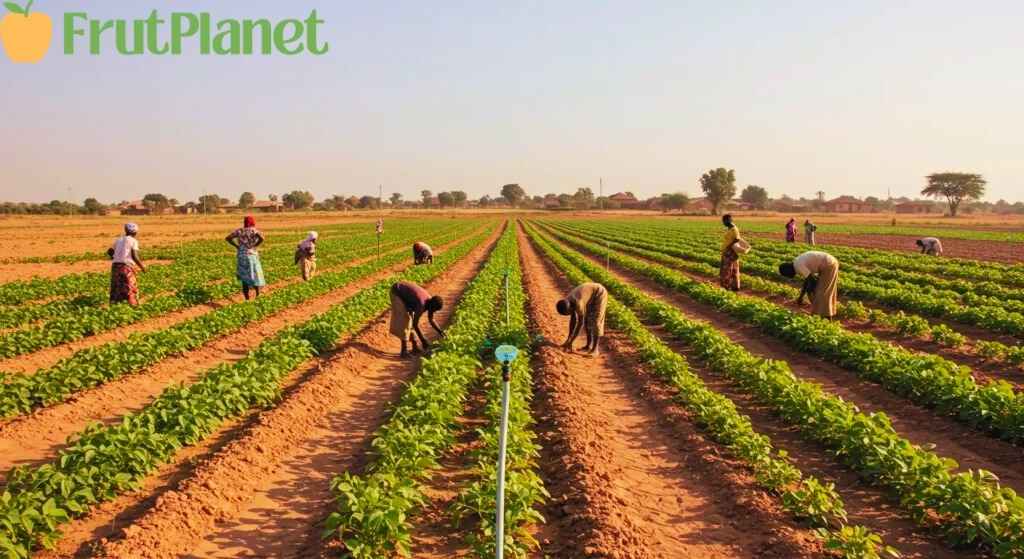
Our Commitment to Climate Action
FrutPlanet is committed to delivering sustainable value to our farmers, employees, customers, and communities. Climate change presents the greatest challenge to agriculture, but it also creates opportunities for innovation and transformation.
We recognize that smallholder farmers—who produce most of Kenya's food—are on the frontlines of climate change. Rising temperatures, erratic rainfall, and prolonged droughts threaten their livelihoods and food security. Our response is comprehensive: we help farmers adapt to changing conditions while implementing practices that mitigate climate change and restore degraded landscapes.
This environmental responsibility framework guides every aspect of our operations. From the farming practices we promote to the logistics solutions we deploy, sustainability drives our decisions. We measure our success not just in export volumes, but in the health of the soils we farm, the water we conserve, and the communities we strengthen.
Our Climate Commitment
By 2030, FrutPlanet will:
- Support 10,000+ smallholder farmers in transitioning to climate-resilient farming practices
- Restore 5,000+ hectares of degraded agricultural land through regenerative practices
- Reduce water consumption across our supply chain by 50% through efficient irrigation systems
- Achieve carbon neutrality in our direct operations and logistics
- Plant 100,000+ trees through agroforestry integration on partner farms
- Eliminate single-use plastics from our packaging and operations
Five Pillars of Environmental Stewardship
🌱 Climate-Smart Agriculture
We equip farmers with drought-resistant crop varieties, water-efficient irrigation technologies, and regenerative farming techniques that increase yields while reducing environmental impact. Our training programs reach thousands of farmers annually, transforming traditional practices into climate-adapted solutions.
💧 Water Conservation
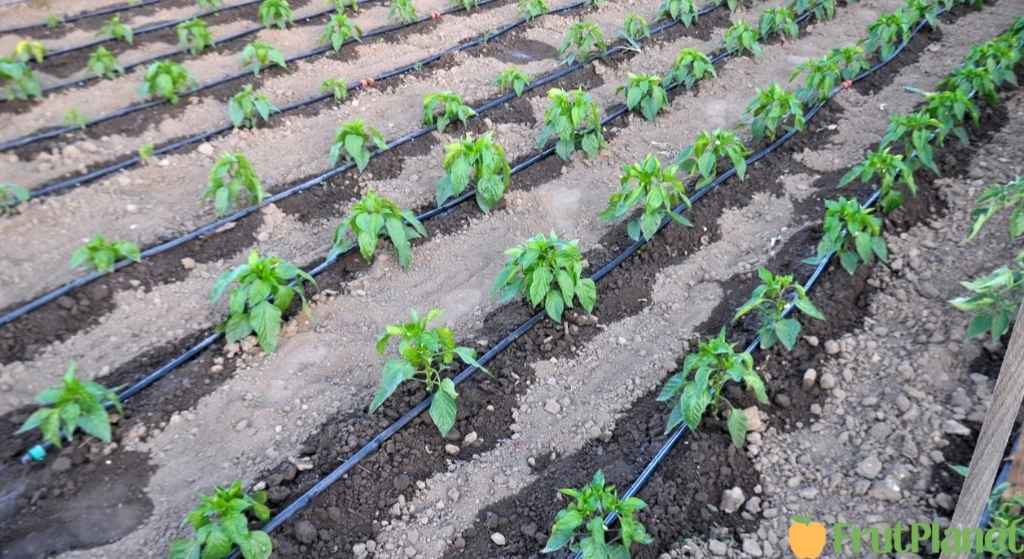
Water scarcity threatens agriculture across Kenya. We provide subsidized drip irrigation systems that reduce water use by 40-60% while increasing crop productivity. Rainwater harvesting, soil moisture retention, and efficient scheduling help farmers produce more with less.
🌍 Soil Health & Restoration
Healthy soil is the foundation of sustainable agriculture. We promote conservation agriculture, cover cropping, composting, and minimal tillage to rebuild soil organic matter, prevent erosion, and capture carbon. Degraded lands become productive again through our restoration programs.
🌳 Landscape Restoration
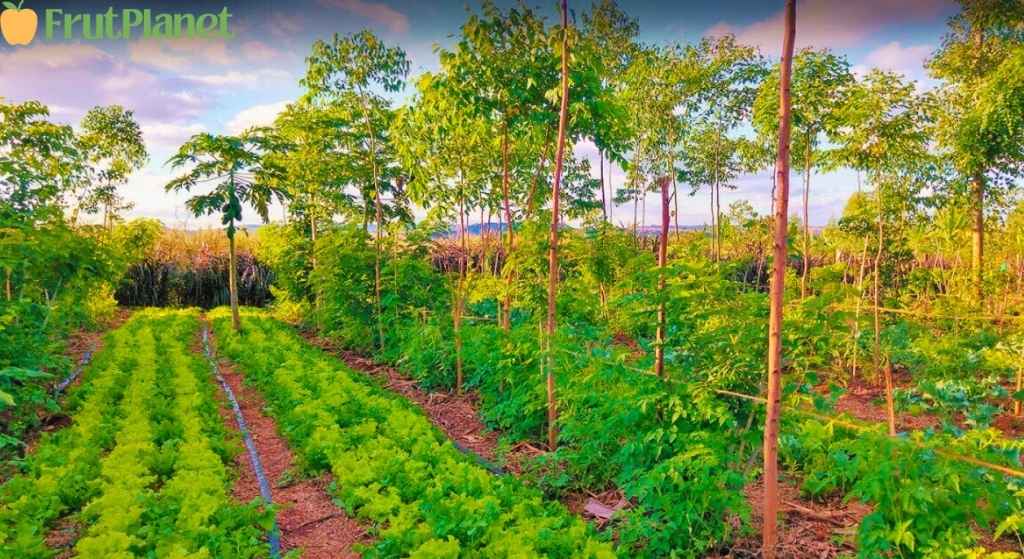
Beyond individual farms, we work on landscape-level restoration. Agroforestry systems integrate fruit trees, native species, and shade trees into farming systems—improving microclimates, diversifying income, capturing carbon, and protecting biodiversity while maintaining productive agriculture.
♻️ Circular Economy
We minimize waste throughout our value chain. Crop residues become compost or livestock feed. Packaging is recyclable or biodegradable. Our logistics partners optimize routes to reduce fuel consumption. We continuously seek ways to turn waste into resources.
🤝 Community Resilience
Climate adaptation requires community action. We support farmer cooperatives, facilitate knowledge sharing, and connect farmers to climate finance. Stronger communities build stronger climate resilience—sharing resources, labor, and solutions to common challenges.
From Farm to Market: Sustainable Operations
Sustainable Farming Practices
Our environmental responsibility begins at the farm level. We work directly with farmers to implement practices that protect natural resources while improving productivity.
Integrated Pest Management: We promote biological controls, resistant varieties, and targeted interventions that minimize pesticide use. Healthier ecosystems support beneficial insects, reducing pest pressure naturally.
Soil Conservation: Terracing on slopes, contour farming, grass strips, and vegetative barriers prevent erosion. Cover crops protect bare soil during off-seasons. Organic matter additions rebuild fertility without synthetic inputs.
Water Management: Beyond drip irrigation, we teach farmers about mulching, scheduling irrigation for cooler hours, and selecting crops matched to local rainfall patterns. Every drop counts in water-scarce regions.
Biodiversity Protection: We encourage farmers to maintain hedgerows, preserve wetlands, protect pollinators, and integrate livestock sustainably. Diverse farms are more resilient to climate shocks and pest outbreaks.
Green Logistics & Supply Chain
Environmental responsibility extends beyond the farm into how we move products to market.
Route Optimization: Our logistics partners use digital tools to plan efficient routes, consolidate shipments, and minimize empty return trips. Less fuel consumption means lower emissions and reduced costs.
Cold Chain Efficiency: Modern refrigeration systems consume less energy while maintaining product quality. We invest in energy-efficient cooling technologies and solar-powered cold storage where feasible.
Sustainable Packaging: We're transitioning to recyclable, biodegradable, and minimal packaging materials. Excess packaging wastes resources and creates disposal problems—we design for sustainability from the start.
Carbon Offsetting: For emissions we cannot yet eliminate, we invest in verified carbon offset projects—including reforestation initiatives in Kenya that provide additional environmental and community benefits.
Measurable Impact: Our Environmental Results
Our Climate Impact by the Numbers
Transforming agriculture through measurable environmental action
3,200+
Farmers Trained in Climate-Smart Practices
1,800
Hectares Under Sustainable Management
45%
Average Water Savings Through Drip Irrigation
25,000+
Trees Planted Through Agroforestry Programs
Partnerships for Greater Impact
Environmental challenges require collaborative solutions. We partner with research institutions, government agencies, NGOs, and international organizations to amplify our impact.
Research & Innovation: Collaborations with KALRO, ICRISAT, and agricultural universities bring cutting-edge climate solutions to smallholder farmers. We field-test new varieties, validate practices, and scale what works.
Policy Engagement: We work with county and national governments to shape policies supporting climate-smart agriculture, sustainable land management, and farmer access to climate finance.
Market-Based Solutions: By connecting farmers practicing sustainable agriculture to premium markets, we demonstrate that environmental responsibility and profitability go hand in hand. Buyers increasingly seek sustainably-produced goods—we help farmers meet this demand.
Climate Finance Access: We support farmers in accessing grants, subsidies, and climate finance programs that reduce barriers to adopting sustainable practices. Financial constraints shouldn't prevent climate action.

Continuous Improvement: Our Path Forward
Environmental responsibility is a journey, not a destination. We continuously evaluate our practices, learn from our farmers, and adapt our approaches as conditions change.
Our Near-Term Priorities
- Expand drip irrigation access to 2,000 additional farmers in the next 18 months
- Establish 10 demonstration farms showcasing integrated climate-smart systems
- Launch carbon farming program enabling farmers to generate carbon credits
- Achieve 100% renewable energy in our offices and processing facilities
- Develop comprehensive biodiversity monitoring across our supply chain
- Create farmer-led climate adaptation innovation fund
Transparency & Accountability
We measure what matters. Annual environmental impact reports track our progress against commitments. We share both successes and challenges openly, learning from setbacks and celebrating achievements.
Independent audits verify our environmental claims. Third-party certifications validate our practices. Farmer feedback guides our program improvements. Accountability to our stakeholders—farmers, customers, communities, and the planet—drives continuous progress.
Join Us in Building Climate-Resilient Agriculture
Environmental responsibility is everyone's business. We invite our customers, suppliers, partners, and communities to join us in transforming agriculture.
For Buyers: Choose sustainably-produced Kenyan products. Your purchasing decisions drive farmer adoption of climate-smart practices. Premium prices for sustainable products reward environmental stewardship.
For Farmers: Partner with FrutPlanet to access training, inputs, technology, and markets for sustainable production. Build a resilient farm that thrives despite climate challenges while protecting resources for future generations.
For Investors & Partners: Support scaling of climate solutions through capital, expertise, or technology. Market-based approaches to landscape restoration create environmental impact alongside financial returns.
The climate crisis demands urgent action. At FrutPlanet, we're proving that agriculture can be part of the solution—sequestering carbon, restoring landscapes, conserving water, and building prosperous farming communities. Together, we're cultivating a sustainable future where both people and planet thrive.