Chilli Exporters in Kenya | Fresh Chilli Supply | FrutPlanet
🌶️ Kenya Chilli Export Profile
Chilli Exporters in Kenya: Fresh Chillies for Global Buyers
Which chillies Kenya grows, who buys them, which export rules apply and where growers can sell. Written for importers, processors and farmers.
✍ FrutPlanet Produce Intelligence📖 14 min read🔄 Updated October 2026
Exporting since
2006
fresh and dried chilli
Green chilli output
10,746 t
reported for 2023
Dry chilli output
2,989 t
reported for 2023
Sold to processors
52%
aggregators took 41%
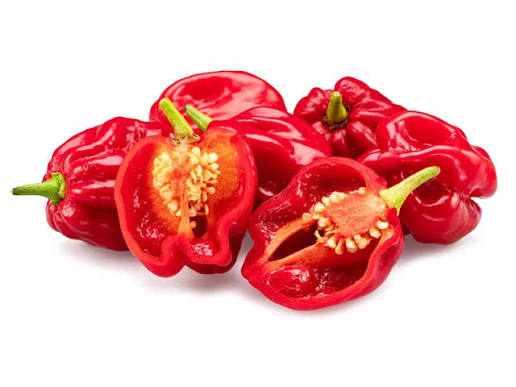
Chilli exporters in Kenya buy fresh or dried chillies from growers, grade and pack them, secure KEPHIS phytosanitary certification and ship them to buyers abroad. The main export types are bird’s eye, habanero, jalapeño-type and cayenne chillies, sold to markets such as the UK, the Middle East, India, Germany and Italy.
Are you looking for a reliable chilli exporter in Kenya? Kenyan chilli has a strong reputation worldwide because growers focus on heat, flavour and quality. Chilli exporters in Kenya, including FrutPlanet, ship only produce that meets buyer specifications.
FrutPlanet sources chillies from our own farms and from trusted partner growers. We have built long-term farmer relationships, set up export logistics for global markets, and run every order around customer satisfaction and clear quality standards.
Kenya has exported chilli since about 2006 and produced roughly 13,700 tonnes (green plus dry) in 2023
Main types: bird’s eye, habanero, jalapeño-type and cayenne
Fresh chilli goes mainly to the UK, India and East Africa; dried goes to Germany and Italy
False codling moth is the biggest barrier to the EU market
Processors and aggregators buy most of what growers sell at home
Check KEPHIS certification, pest control and traceability before choosing an exporter
The Kenyan Chilli Export Market at a Glance
Kenya began exporting chillies around 2006. In 2023 it produced about 10,746 tonnes of green chillies and 2,989 tonnes of dry chillies, according to figures reported by Kenya News Agency. Growing areas include the Eastern, Coastal and Rift Valley regions and parts of Central Kenya. Chilli has also spread to dry areas such as Kajiado County, where herders adopted it as a more climate-resilient crop.
Fresh Kenyan chillies mainly go to Uganda, Tanzania, India and the UK, while Germany and Italy buy dried chillies. After the EU tightened pest rules, many exporters turned to the Middle East, and demand has also appeared in Korea and China. Kenya’s agricultural research body KALRO says the country uses only about half of its potential, naming the USA, Netherlands, Germany, Russia, UK, Canada, France, UAE and Poland as markets with room to grow.
Market
Usual product
Notes
UK
Fresh
Long-standing buyer of fresh Kenyan chilli
Germany and Italy
Dried
Dried chilli faces fewer pest barriers than fresh
Middle East
Fresh
Growing outlet since EU controls tightened; growers report lower prices than Europe
India, Uganda, Tanzania
Fresh
Regional demand with simpler logistics
China and Korea
Bird’s eye and others
Rising interest reported by researchers and exporters
Kenya Among Global Chilli Pepper Exporters
Chilli is a crowded global trade. The Tridge supply chain database maps more than 4,700 exporters and nearly 5,000 importers of fresh chilli pepper across 160 countries, so buyers have plenty of choice. Kenya competes less on volume than on character: very hot specialty types such as bird’s eye and habanero, several growing regions, and routes into Europe, the Middle East and Asia. For a buyer who wants heat and flavour rather than a commodity pod, that is a strong reason to look at Kenyan chilli exporters.
Compare like with like. Prices for bird’s eye and other chillies on trade platforms vary widely with grade, pack size and minimum order, so ask for a written specification before you compare quotes.
Types of Chillies Grown in Kenya
Commercial growers mainly plant bird’s eye (including African bird’s eye or piri piri), habanero, jalapeño-type and cayenne chillies, with serrano emerging. KALRO notes that every market wants hot chillies, but each type has its own buyer: jalapeños go to restaurants and pickling, cayenne is favoured for drying and storage, and serrano suits Mexican-style cooking.
Core Kenyan Export Chillies
The four types most Kenyan exporters grow and ship.
Grown in Kenya
Fresh · Dried
African Bird’s Eye (Piri Piri)
50,000–175,000 SHU
Small, extremely hot and native to Africa. It ripens to bright red and sells fresh or dried. Bird’s eye is among Kenya’s most popular chillies and key to Piri Piri chicken.
Best for: hot sauces, marinades, dried spice
Fresh
Habanero
100,000–350,000 SHU
A fruity, very hot chilli with strong export demand. KALRO lists habanero among the major Kenyan varieties, alongside bird’s eye.
Best for: salsas, hot sauces, Caribbean cooking
Fresh · Pickled
Jalapeño and Serenade
2,500–8,000 SHU
Medium-heat, thick-walled pods that turn from green to red. Used fresh, pickled and in sauces, restaurants and processing.
Best for: restaurants, pickling, nachos, sauces
Fresh · Dried · Powder
Red Cayenne
30,000–50,000 SHU
Long, thin and deep red. Sold fresh, dried or powdered, and well suited to drying and storage. Strong demand in Europe and America.
Best for: flakes, powder, spice blends
Other Chilli Types Buyers Ask About
Importers also request types that are mainly grown outside Kenya. FrutPlanet can discuss these on request, so confirm availability and season with our team before ordering.
On request
Mostly dried
Guajillo
2,500–5,000 SHU
A Mexican chilli sold mostly dried. Deep red with a mild, tangy, fruity taste used in stews, sauces and salsas.
Best for: stews, sauces, salsas
Fresh · Flakes · Ground
Paprika
250–1,000 SHU
A sweet, mild red pepper, long at about eight inches. Used fresh, as flakes or ground for flavour and colour.
Best for: flavour and colour in food
Fresh · Dried (ancho)
Poblano
1,000–3,500 SHU
A mild, dark green chilli with thick skin. Roasted and stuffed fresh, or dried as ancho.
Best for: roasting and stuffing
Fresh · Pickled
Peppadew-type
Sweet to mild
A sweet and tangy pepper with South African roots, popular in salads, salsas and as a garnish.
Best for: salads, salsas, garnish
Fresh · Dried
Bishop’s Crown
5,000–30,000 SHU
A winged, three-sided chilli from South America. Mild to medium heat with a fruity flavour for curries and rice dishes.
Best for: curries and rice dishes
Specialty · Extreme
Ghost Pepper and Carolina Reaper
1,000,000+ SHU
Super-hot specialty chillies for extreme sauces. The Ghost pepper comes from India; the Carolina Reaper passed 1.5 million SHU.
Best for: extreme sauces
Jalapeño Peppers in Kenya
Jalapeño peppers are an established part of Kenya’s chilli mix. Jalapeño-type hybrids such as Serenade F1 produce smooth, tapered fruit that turns from green to red, and some growers raise them under shade nets to protect them from false codling moth and extreme weather. Kenyan nurseries and seed shops sell jalapeño seed and seedlings, so entry is easy for new growers.
Jalapeños are usually ready to harvest about two and a half to three months after transplanting, and picking continues for three to four months. Heat is mild to medium, and it rises as the pod ripens from green to red. Buyers should state whether they want green or red pods, the pod length and the packing format.
Jalapeño spec
Typical detail
Heat
2,500–8,000 SHU
Pod size
About 5–10 cm long and 25–38 mm wide
Colour
Green when young, red when fully ripe
Best uses
Restaurants, pickling, nachos, salsa and guacamole
Bulk packing
Commonly 4–5 kg cartons; confirm with your supplier
What Sets Kenyan Chilli Apart?
Kenyan chilli is not one heat level. Bird’s eye and habanero sit among the hottest commercial chillies, and many buyers choose them for exactly that reason. Alongside them, jalapeño and paprika-style types cover mild and medium needs, so one source can serve several product lines.
Growers hand-pick most chillies, which protects pod quality, and the crop is available across a wide range of regions. Chilli also adds value in many forms: fresh pods, dried chilli, flakes, powder and sauce.
Value addition is growing. A Homa Bay farmer, for example, turns red chillies into dried chilli, flakes, powder and chilli-infused oil, while others make sauce for local shops. These products keep longer than fresh pods and give growers a second route to market when export prices dip.
Form
Best for
Notes
Fresh
Retail, restaurants and quick-turnaround buyers
Higher price, but strict pest and quality checks
Dried
Germany, Italy and long supply chains
Keeps at least 12 months when stored properly
Flakes and powder
Spice and food manufacturers
Made from dried chilli; cayenne is the usual base
Sauce
Local retail and food processors
Longer shelf life and higher return for the grower
Growing and Handling Chillies for Export
Chillies thrive in warm conditions of roughly 20 to 30°C and in well-drained soil rich in organic matter. They crop for months, which suits exporters who need regular supply. Plants are usually ready to harvest red-ripe about two and a half to three months after transplanting, and picking continues for three to four months. One Kajiado farmer reports that a well-managed acre can yield up to two tonnes of peppers a week, although results vary with variety, water and pest pressure.
Quality is won or lost after picking. Post-harvest specialists advise harvesting in the coolest hours of the morning to reduce field heat and avoiding piles of chillies, which cause sweating and decay. Pods should then be sorted, graded by size and colour, cooled and packed dry in clean cartons.
Fresh-chilli handling checklist: pick in the cool hours, never pile pods, remove damaged or spotted fruit, grade by size and colour, keep packs dry and ventilated, and move produce to cooling quickly.
Export Rules and the False Codling Moth
Every export shipment needs a KEPHIS phytosanitary certificate and proper documentation. For customs, fresh chillies fall under HS code 0709.60 and dried chillies under 0904.21; your freight forwarder can confirm the codes for your destination.
The biggest hurdle for Europe has been false codling moth (FCM). The EU gave it quarantine status in 2017, and it is widespread in Kenya. The Fresh Produce Consortium of Kenya reported that over 90% of firms that once shipped chilli to Europe stopped, because controls are costly. Options include pest-free areas approved by KEPHIS, net houses, phosphine fumigation or exporting dry chilli, which sells for less than fresh.
The picture has improved slightly. In 2022 KEPHIS reported that FCM prevalence on Kenyan capsicum and chilli had fallen from 16% to 4%, which allowed the EU to reduce sampling of consignments. Even so, Kenya’s fresh vegetable exports as a whole dropped sharply in 2024 as the EU tightened safety rules, so strong pest control remains essential for any exporter.
What this means for buyers: ask every supplier how they control FCM, whether their farms are in an approved pest-free area or use net houses, and how consignments are inspected before shipping. A supplier who answers clearly and shows records is far less likely to deliver a rejected load.
Where to Sell Chillies in Kenya (Nairobi and Beyond)
Growers have more routes to market than most realise. In 2023 the two most common outlets were processors, at 52% of sales, and aggregators or brokers, at 41%. The right choice depends on your volume, your chilli type and how steady your supply is.
Outlet
Best for
What they expect
Chilli exporters and aggregators
Export-grade fresh chilli in regular volumes
Consistent grade, traceable farms, pest-control records
Sauce, spice and powder processors
Large volumes of red or dried chilli
Steady supply and one consistent type; some contract whole harvests
Nairobi open-air markets
Small, quick sales
Fresh pods; traders at Ngara and City Park buy chilli, but prices swing
Online marketplaces
Exporters seeking international buyers
Verified business details, photos and clear minimum orders
Farmer groups and clusters
Smallholders selling in bulk
Shared grading and a joint sales agreement
If you want to know where to sell chillies in Nairobi, start with processors and exporters that collect from growers around the city. Markets such as Ngara and City Park work for small volumes, and supermarket-supplying processors pay more for consistent quality. Local prices can fall fast in a glut: when Europe restricted Kenyan chilli, domestic prices roughly halved.
How growers earn a better price
Plant what buyers have asked for, pick at the right colour, grade pods by size and keep records of inputs and harvest dates. Drying surplus or making flakes, powder or sauce adds value and avoids selling at a glut price. Growers who can supply steady volumes of quality chilli are welcome to contact the FrutPlanet team.
How a Chilli Export Order Works
A first export order can feel complicated, but it follows a predictable path. This is how a typical order moves from enquiry to delivery with a Kenyan chilli exporter.
Step
What happens
1. Enquiry
You share chilli type, colour, grade, volume, destination and target price
2. Quote and terms
The exporter confirms the price per kilogram, the Incoterm (FOB or CIF) and payment terms such as L/C or T/T
3. Samples and specification
You approve samples and a written specification for size, heat, colour and packing
4. Sourcing and harvest
Chillies are picked on approved farms and brought to the packhouse quickly
5. Grading and packing
Pods are sorted, packed in cartons and checked for pests and defects
6. Certification
KEPHIS inspects the consignment and issues the phytosanitary certificate
7. Freight
Fresh chillies usually move by air or refrigerated container, dried chillies by sea, and documents go to the buyer
8. Delivery and payment
The buyer clears customs and payment follows the agreed terms
How to Choose a Reliable Chilli Exporter
The world has thousands of chilli exporters, so a clear checklist saves time and money. Use the points below when you compare chili pepper exporters in Kenya or anywhere else.
Check
Why it matters
KEPHIS phytosanitary process
Required for every export and proves the plant health status of the load
Pest control records
Net houses, approved pest-free areas and inspection logs reduce rejections
Farm traceability
Lets you trace any problem back to the field
Residue and quality testing
Shows the chillies meet destination market limits
Packing and cold chain
Protects freshness during transit
Terms and Incoterms
Clear FOB or CIF pricing and agreed payment terms prevent disputes
Samples and references
Confirms real capacity before you commit to volume
Why FrutPlanet: we have exported fresh produce for years and work with a network of growers we know. We plan the logistics for every shipment and can supply chillies to any global market. Browse our export services for other fruits, vegetables and herbs, or contact us for a quote.
Frequently Asked Questions: Chilli Exporters in Kenya
What types of chillies does Kenya export?
The main export types are bird's eye (including African bird's eye or piri piri), habanero, jalapeño-type varieties such as Serenade, and cayenne. Serrano is an emerging type. Fresh chillies go mainly to the UK, India, Uganda and Tanzania, while dried chillies go to markets such as Germany and Italy.
When did Kenya start exporting chillies?
Kenya started exporting chillies around 2006. Production has grown since, with about 10,746 tonnes of green chillies and 2,989 tonnes of dry chillies reported for 2023.
Can Kenyan chillies be exported to the EU?
Yes, but exporters must control false codling moth, which the EU treats as a quarantine pest. Methods include pest-free areas approved by KEPHIS, net houses, phosphine fumigation or exporting dried chillies. Many exporters moved to the Middle East, though EU checks eased in 2022 after pest levels on Kenyan produce fell.
Where can I sell chillies in Kenya?
Growers sell to chilli exporters and aggregators, to processors that make sauce, flakes and powder, to traders in open-air markets, and through online marketplaces. Processors and aggregators or brokers were the two most common outlets in 2023, at 52% and 41% of sales. Contract supply to an exporter usually gives the steadiest price.
Where can I sell chillies in Nairobi?
In Nairobi you can sell to open-air market traders such as those at Ngara and City Park, to sauce and spice processors, and to exporters and aggregators who collect from growers around the city. Markets suit small volumes, while exporters and processors suit regular, graded supply.
Are jalapeño peppers grown in Kenya?
Yes. Jalapeño-type varieties such as Serenade F1 are grown in Kenya, often under shade nets to protect them from false codling moth. Jalapeños measure about 2,500 to 8,000 Scoville units and are used fresh, pickled and in restaurants.
How hot is Kenyan chilli?
It depends on the type. Bird's eye chillies run roughly 50,000 to 175,000 Scoville units, habanero about 100,000 to 350,000, cayenne 30,000 to 50,000 and jalapeño 2,500 to 8,000.
What documents do I need to export chillies from Kenya?
You need a KEPHIS phytosanitary certificate, a commercial invoice, a packing list and transport documents. Fresh chillies fall under HS code 0709.60 and dried chillies under 0904.21. Your freight forwarder and buyer can confirm anything extra for the destination.
How do I buy chillies in bulk from Kenya?
Send your chilli type, grade, volume, destination and preferred Incoterm to a Kenyan chilli exporter such as FrutPlanet, and ask for samples, pest-control records and the phytosanitary process. FrutPlanet takes bulk fresh chilli enquiries through its Buy Chillies in Bulk product page.