
🍎 Apples Price in Kenya
Retail, wholesale & bulk buying costs per kilogram
Apple prices in Kenya vary significantly across markets, cities, and quality grades. Understanding current pricing helps buyers make informed purchasing decisions. The retail price ranges from KES 108 to KES 282 per kilogram depending on location and variety.
Wholesale buyers typically pay KES 70 to KES 150 per kilogram for fresh apples in major distribution centers. Import-dependent supply creates price fluctuations based on international market conditions, currency exchange rates, and seasonal availability from primary suppliers including South Africa, Turkey, and European sources.
Nairobi and Mombasa serve as primary distribution hubs where pricing remains relatively stable. Regional markets outside major cities often experience higher rates due to transportation costs and limited supply chains. Bulk purchasers accessing direct import channels secure competitive rates, particularly when ordering container loads from established suppliers.
🍎 Buy Premium Apples in Bulk Online →
Current Apple Prices Across Kenyan Markets
Different market channels offer distinct pricing structures. Retail supermarkets mark up wholesale costs covering overhead expenses, refrigeration, staffing, and profit margins. Open-air markets provide moderate pricing between wholesale and supermarket rates.
Wholesale distributors purchasing larger volumes from importers secure lower per-unit costs. Direct import purchasing eliminates intermediary markups, though minimum order quantities typically require container-load commitments unsuitable for small buyers.
| Market Type | Price Range (KES/Kg) | Price Range (USD/Kg) | Typical Location |
|---|---|---|---|
| Retail Supermarkets | KES 200 - 282 | $1.40 - $2.00 | Nairobi, Mombasa malls |
| Open-Air Markets | KES 120 - 180 | $0.85 - $1.27 | Local markets, street vendors |
| Wholesale Centers | KES 70 - 150 | $0.50 - $1.06 | Wakulima, distribution hubs |
| Direct Importers | KES 55 - 80 | $0.39 - $0.57 | Port warehouses, bulk orders |
| Online Platforms | KES 180 - 250 | $1.27 - $1.77 | E-commerce, home delivery |
Imported vs Locally Grown Apple Pricing
Kenya imports approximately 95% of consumed apples, primarily from South Africa. Limited domestic production occurs in highland regions including Nyeri, Meru, and parts of Rift Valley, though volumes remain modest compared to import quantities.
Imported apples dominate markets due to favorable growing conditions in South African regions producing year-round supply. Turkish and European imports supplement during South African off-seasons, though transport costs elevate pricing for these distant sources.
Local apples when available typically command premium pricing reflecting small-scale production, limited commercial infrastructure, and perceived freshness advantage. However, inconsistent availability and quality variations limit market penetration competing against reliable import channels.
🌍 Import Source Breakdown
South Africa (95% of imports): Primary supplier providing consistent year-round availability. Western Cape and Eastern Cape regions produce Granny Smith, Golden Delicious, Royal Gala, and Fuji varieties reaching Kenyan markets within days via refrigerated transport. Competitive pricing reflects efficient supply chains and regional trade agreements.
Turkey (2-3% of imports): Secondary supplier active during South African low seasons. Longer transport distances increase costs. Varieties include Red Delicious and Golden Delicious suited to European and Middle Eastern markets.
Europe (1-2% of imports): Limited premium varieties from France, Italy, and Netherlands target upscale supermarkets. Higher pricing reflects transportation costs and specialty positioning. Organic and heirloom varieties occasionally available through specialty importers.
Local Production (minimal): Highland farms in Nyeri, Meru, Nyandarua produce limited commercial quantities. Smallholder operations lack cold chain infrastructure affecting quality consistency. Premium pricing reflects scarcity rather than superior characteristics. Seasonal availability peaks July through October post-harvest.
Apple Varieties and Their Prices in Kenya
Different apple varieties command varying prices based on popularity, availability, and perceived quality. Red varieties generally outsell green types, though health-conscious consumers increasingly seek tart Granny Smith apples.
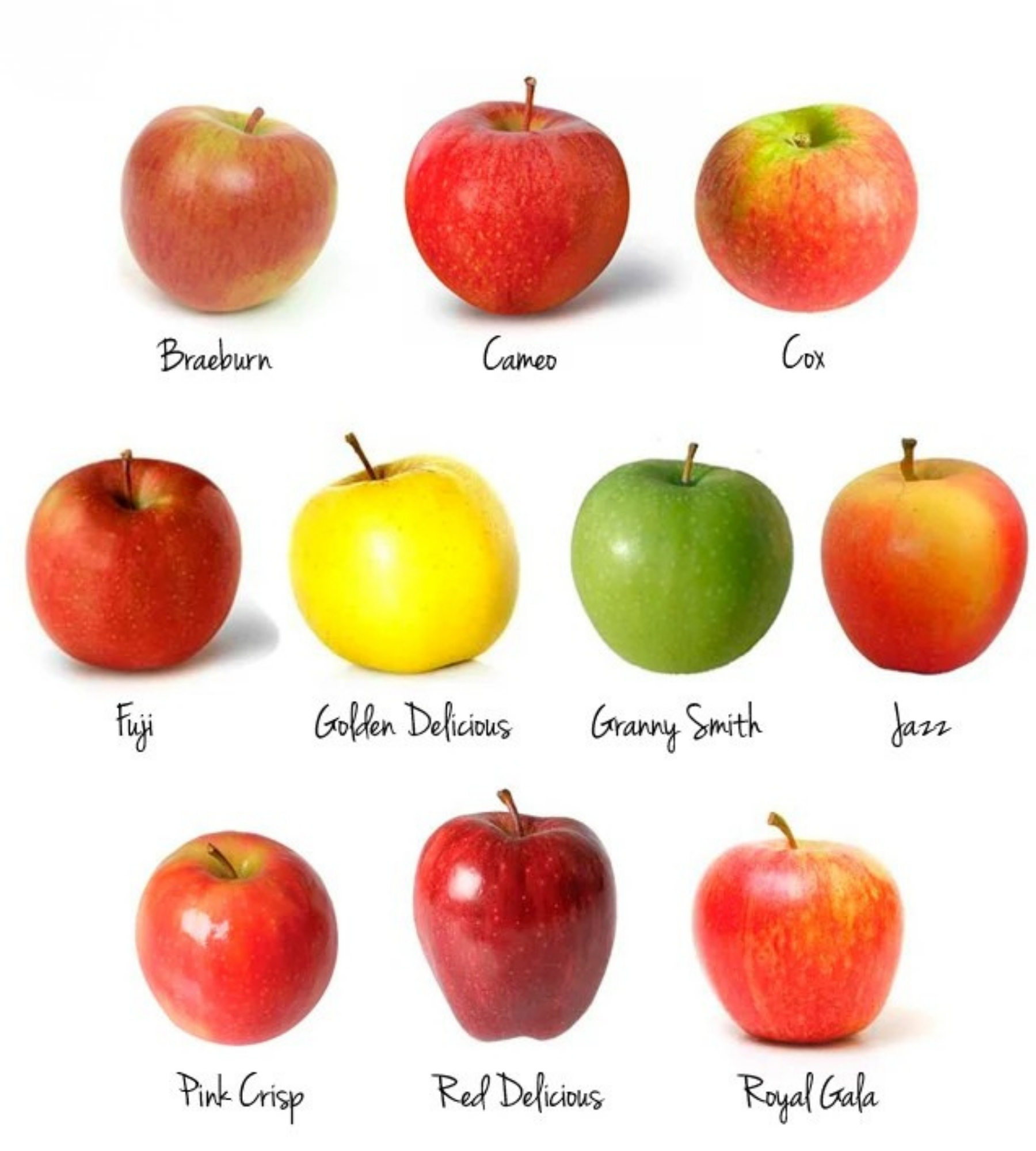
Fuji and Royal Gala dominate sales volumes, offering sweet flavor profiles appealing to Kenyan preferences. Golden Delicious provides mild sweetness at moderate pricing. Granny Smith commands premium rates despite tart taste, valued for cooking and health benefits.
| Variety | Retail Price (KES/Kg) | Characteristics | Availability |
|---|---|---|---|
| Royal Gala | KES 180 - 230 | Sweet, crisp, red-orange skin | Year-round, most common |
| Fuji | KES 200 - 250 | Very sweet, dense, red-pink | Year-round, popular |
| Granny Smith | KES 220 - 280 | Tart, firm, bright green | Year-round, premium |
| Golden Delicious | KES 150 - 200 | Mild sweet, yellow-green | Seasonal, moderate demand |
| Red Delicious | KES 170 - 220 | Mild, soft, deep red | Year-round, declining popularity |
| Pink Lady | KES 250 - 320 | Sweet-tart, pink-red, crisp | Limited, specialty markets |
Seasonal Price Variations and Supply Patterns
Apple pricing demonstrates moderate seasonal fluctuation. South African harvest peaks February through May, creating supply abundance that moderates prices. June through January represents reduced production when prices typically increase 10-20%.
Holiday periods including December festivities and Easter celebrations drive demand spikes elevating prices temporarily. Ramadan fasting period shows reduced fresh fruit consumption, occasionally creating price softness during these weeks.
Currency exchange volatility between Kenyan Shilling and South African Rand significantly impacts landed costs. Shilling depreciation immediately translates to higher retail prices as importers pass currency costs to consumers. Rand strengthening similarly elevates import expenses affecting final pricing.
📅 Seasonal Price Patterns
Peak Harvest Season (February-May): South African production peaks create supply abundance moderating Kenyan prices to seasonal lows KES 108-150/kg retail. Bulk buyers maximize value during these months when quality remains high while costs hit annual lows. Import volumes surge as distributors stock refrigerated warehouses.
Mid-Season (June-September): Prices stabilize KES 150-200/kg as stored inventory supplements reduced fresh imports. South African winter production declines trigger gradual price increases. Turkish imports occasionally supplement supply during this transition period. Quality remains acceptable from proper cold storage management.
Off-Season Premium (October-January): Limited fresh supply elevates prices KES 200-280/kg retail. Storage stock depletes while new season production remains months away. Holiday demand spikes December further tighten supply raising prices 15-25% above baseline rates. Premium varieties face greatest scarcity commanding highest markups.
Currency Impact: Exchange rate fluctuations create unpredictable price volatility. Shilling depreciation against Rand immediately increases import costs. Monitor forex trends anticipating price adjustments. Bulk buyers consider forward contracts hedging currency risk on large commitments. Importers adjust pricing weekly reflecting current exchange rates.
Regional Price Differences Within Kenya
Geographic location substantially affects apple pricing. Nairobi and Mombasa benefit from direct distribution channels, maintaining lowest national rates. Secondary cities experience moderate premiums reflecting additional transportation and handling.
Rural areas face highest prices due to poor infrastructure, limited cold chain access, and low volume sales preventing economies of scale. Remote regions may pay 30-50% premiums versus Nairobi rates for equivalent quality apples.
Coastal regions historically showed higher prices than highland areas, though improved logistics recently narrowed gaps. Western Kenya markets near Uganda border sometimes access alternative supply routes from East African Community imports offering competitive pricing.
| Region/City | Average Retail Price (KES/Kg) | Market Access | Supply Reliability |
|---|---|---|---|
| Nairobi | KES 150 - 230 | Excellent - major distribution hub | Very reliable year-round |
| Mombasa | KES 160 - 240 | Excellent - port city advantage | Very reliable year-round |
| Kisumu | KES 180 - 260 | Good - regional center | Reliable with minor gaps |
| Nakuru | KES 170 - 250 | Good - highland location | Reliable year-round |
| Eldoret | KES 180 - 270 | Moderate - distant from coast | Generally reliable |
| Rural/Remote Areas | KES 220 - 350 | Limited - infrastructure challenges | Inconsistent supply |
Quality Grades and Price Differentiation
Apple grading significantly impacts pricing. Premium export-grade fruit commands highest rates featuring uniform sizing, minimal blemishes, optimal firmness, and attractive coloration. Standard commercial grades accept minor imperfections at moderate pricing.
Processing-grade apples unsuitable for fresh consumption due to cosmetic defects or size variations sell at substantial discounts. These find use in juice production, dried fruit manufacturing, or institutional food service where appearance matters less.
Size grading creates price tiers. Larger count specifications (fewer fruits per kilogram) attract premium pricing. Smaller apples suitable for children's snacks or economy packaging cost less per kilogram despite equivalent eating quality.
Bulk Buying Opportunities and Volume Discounts
Volume purchasing delivers substantial per-kilogram savings. Retailers, restaurants, and institutions accessing wholesale channels secure 30-40% discounts versus retail supermarket pricing. Direct import purchasing by large buyers offers 40-60% savings, though requiring container-load commitments.
Minimum order quantities vary by supplier. Wholesale markets typically require 10-50 kilogram purchases. Regional distributors mandate 100-500 kilogram orders. Direct importers specify container loads representing 15,000-20,000 kilogram commitments unsuitable for most small buyers.
Cold storage capabilities determine practical bulk purchase sizes. Apples maintain optimal quality 60-90 days under proper refrigeration at 0-2°C with high humidity. Buyers lacking adequate cold storage face spoilage risks offsetting volume discount benefits, limiting practical order sizes to rapid consumption capacity.
🎯 Essential Apple Buying Intelligence for Kenya
- Market Channel Selection: Wholesale channels save 30-40% compared to retail supermarket pricing. Open-air markets offer 20-30% discounts from supermarkets. Direct import access requires container-load commitments but delivers 50-60% savings versus retail rates. Online platforms provide convenience with moderate 10-20% premiums above wholesale. Match channel to volume needs and quality requirements balancing price optimization with accessibility constraints.
- Seasonal Timing Strategy: February through May represents peak South African harvest creating supply abundance and lowest annual prices KES 108-150/kg retail. October through January marks off-season premium period with prices reaching KES 200-280/kg. Strategic buyers stock cold storage during abundance utilizing proper refrigeration extending usage through higher-price months. Plan annual purchasing aligned with South African production cycles maximizing value.
- Variety Value Analysis: Royal Gala and Fuji dominate sales offering sweet profiles at moderate pricing KES 180-250/kg. Granny Smith commands premiums KES 220-280/kg reflecting health-conscious demand despite tart taste. Golden Delicious provides budget option KES 150-200/kg. Specialty Pink Lady reaches KES 250-320/kg targeting premium segments. Select varieties matching intended use and budget avoiding unnecessary premium payments for generic applications.
- Quality Grade Economics: Premium export-grade apples cost 40-60% more than standard commercial grades. Cosmetic imperfections have minimal impact on nutritional value or taste. Budget-conscious buyers maximize value selecting commercial grades for cooking, juicing, or less appearance-critical uses. Reserve premium grades for fresh eating, gifts, or upscale presentation where appearance justifies premium expenditure.
- Import Source Understanding: South Africa supplies 95% of Kenyan apple imports providing most competitive pricing and reliable availability. Turkish and European imports cost 20-40% more reflecting longer transport distances. Local production when available commands premiums without consistent quality advantages. Focus procurement on South African sources unless specific varieties or organic certification justify alternative suppliers. Monitor exchange rates anticipating price adjustments from Shilling-Rand fluctuations.
- Regional Sourcing Opportunities: Nairobi and Mombasa offer lowest national prices due to direct distribution access. Secondary cities pay 10-20% premiums. Rural areas face 30-50% markups versus urban centers. Consider bulk purchasing from major city wholesalers with regional transportation to rural locations when volumes justify logistics costs. Kisumu and Western Kenya sometimes access competitive East African Community imports from Uganda and Tanzania offering alternatives to traditional South African supply chains.
Factors Influencing Apple Prices in Kenya
International market conditions heavily influence Kenyan apple pricing. South African production volumes, global demand competition, and alternative export markets all affect available supply and pricing to Kenyan importers.
Currency exchange rates between Kenyan Shilling, South African Rand, and US Dollar create price volatility. Shilling depreciation immediately elevates import costs. Rand strengthening similarly increases landed expenses. Importers monitor forex daily, adjusting pricing weekly reflecting current rates.
Transportation and logistics costs significantly impact final pricing. Fuel price fluctuations affect trucking expenses from ports to distribution centers. Cold chain infrastructure investments including refrigerated warehouses and transport require capital recovery through pricing structures.
Government policies affect apple market dynamics. Import duties, VAT application, and phytosanitary certification requirements add cost layers. Trade agreements within East African Community and COMESA frameworks potentially influence future pricing structures through tariff adjustments or preferential access arrangements.
Competition from alternative fruits affects apple demand and pricing. Bananas, oranges, mangoes, and pineapples produced domestically offer lower-cost options during peak seasons. Apple demand faces substitution pressure when local fruit abundance creates attractive alternatives, occasionally moderating prices during periods of weak demand.
Cost-Saving Strategies for Apple Buyers
Purchasing during South African peak harvest months maximizes value. February through May abundance creates favorable pricing with highest quality availability. Buyers capable of cold storage leverage seasonal advantages, purchasing bulk volumes during low-price periods extending usage through off-season months.
Establishing relationships with wholesale distributors eliminates retail markups. Regular large-volume buyers negotiate standing order arrangements securing favorable rates. Cooperative purchasing among restaurants, schools, or institutions pools resources achieving bulk order minimums accessing wholesale pricing individually unattainable.
Flexible variety acceptance reduces costs. Buyers open to available varieties rather than demanding specific types access better pricing on over-supplied options. Willingness to accept commercial grades suitable for cooking or processing delivers significant savings versus premium grades where appearance matters less than in fresh consumption applications.
Online import platforms connect buyers directly with international suppliers. Container-load buyers source apples directly from South African packhouses eliminating Kenyan importer margins. This requires sophisticated logistics management, customs clearance capabilities, and significant working capital but delivers substantial savings on large volumes.
Monitoring exchange rate trends informs purchasing timing. Buyers anticipating Shilling depreciation accelerate purchases before currency adjustments translate to higher prices. Conversely, expected Shilling strengthening justifies delaying orders capturing improved purchasing power through favorable exchange movements.
Frequently Asked Questions: Apple Prices in Kenya
Conclusion: Navigating Kenya's Apple Market
Understanding apple pricing dynamics empowers Kenyan buyers making informed purchasing decisions aligned with budget constraints and quality requirements. Import dependence creates pricing structures reflecting international market conditions, currency fluctuations, and seasonal supply patterns from primary South African sources.
Strategic seasonal timing during February-May harvest abundance, wholesale channel access eliminating retail markups, flexible variety acceptance matching intended uses, and bulk purchasing where practical collectively maximize apple value. Geographic awareness guides sourcing from favorable regions, while quality grade understanding prevents overpaying for unnecessary premium characteristics in appearance-neutral applications.
Balancing cost optimization with quality needs creates sustainable procurement strategies. Premium varieties justify higher costs for fresh eating and special occasions. Standard commercial grades provide excellent value for cooking, processing, or budget-oriented purchases. Bulk business buyers establishing direct supplier relationships secure competitive rates with reliable supply chains supporting commercial operations requiring consistent quality and availability.