
🥒 Cucumber Price Per Kg
Wholesale, retail & bulk buying costs explained
Cucumber prices vary significantly across markets, seasons, and quality grades. Understanding current pricing patterns helps buyers make informed purchasing decisions. The average cucumber price per kilogram ranges from $0.50 to $3.00 depending on market type, growing season, and regional factors.
Wholesale buyers typically pay $1.10 to $2.87 per kilogram for fresh cucumbers in major markets. Retail consumers face higher prices ranging from $1.50 to $3.50 per kilogram. Bulk purchasers accessing direct-from-farm channels often secure the most competitive rates, particularly during peak harvest periods when supply abundance drives prices down to seasonal lows around $0.50 to $0.80 per kilogram.
Multiple variables influence cucumber pricing including variety selection, size grading, organic certification, geographical origin, seasonal availability, and purchase volume. Export-grade cucumbers command premium pricing reflecting stringent quality standards, while processing-grade varieties cost significantly less. Regional price disparities emerge from transportation costs, local growing conditions, and market demand fluctuations affecting both domestic and international cucumber trade.
🥒 Buy Premium Cucumbers in Bulk Online →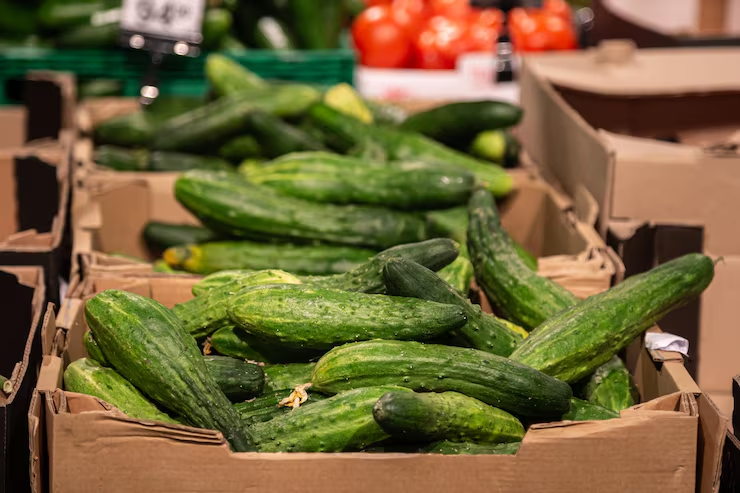
Current Cucumber Prices by Market Type
Different market channels offer distinct pricing structures. Retail grocery stores mark up wholesale costs covering overhead expenses, staffing, and profit margins. Wholesale distributors purchase larger volumes from growers, securing lower per-unit costs passed partially to commercial buyers.
Direct-from-farm purchases eliminate middleman markups, providing significant savings for buyers willing to handle larger minimum orders. Export markets operate on separate pricing tiers reflecting international shipping, customs, quality certifications, and currency exchange considerations.
| Market Type | Price Range (USD/Kg) | Typical Buyer | Minimum Order |
|---|---|---|---|
| Retail Grocery | $1.50 - $3.50 | Individual consumers | Per piece or kg |
| Wholesale Markets | $1.10 - $2.87 | Restaurants, retailers | 10-50 kg |
| Bulk Direct Farm | $0.50 - $1.50 | Processors, exporters | 500+ kg |
| Export Markets | $1.50 - $7.86 | International buyers | Container loads |
| Farmers Markets | $1.20 - $2.50 | Local consumers | Small quantities |
| Online Platforms | $1.30 - $3.00 | Home delivery buyers | 5-20 kg typical |
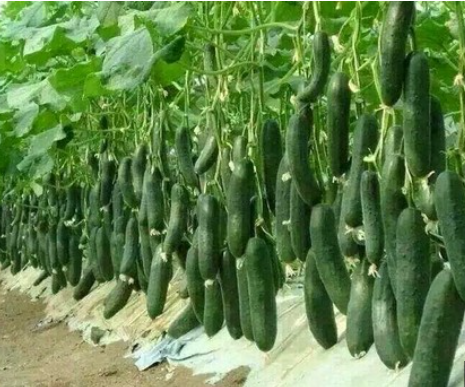
Seasonal Price Variations Throughout the Year
Cucumber prices fluctuate substantially across seasons. Peak growing periods flood markets with abundant supply, driving prices downward. Off-season scarcity elevates costs as limited availability meets consistent demand.
Spring and summer harvest months typically deliver lowest annual prices. September and October historically show price increases as northern hemisphere production declines. December through February often marks price peaks when many growing regions experience reduced yields or cease production entirely.
Southern hemisphere production provides counter-seasonal supply, moderating winter price spikes in northern markets. Greenhouse cultivation enables year-round production, though higher operational costs typically translate to premium pricing compared to field-grown seasonal crops.
📅 Seasonal Price Patterns
Spring/Summer (Peak Season): Prices drop to $0.50-$1.20 per kilogram as abundant field production creates supply surplus. Bulk buyers maximize value purchasing during these months when quality remains high while costs hit annual lows.
Fall Transition: September-October prices rise to $0.94-$1.13 per kilogram as northern production winds down. Strategic buyers secure storage-capable varieties before further price escalation.
Winter (Off-Season): December-February costs peak at $1.50-$4.00+ per kilogram. Greenhouse production, imports from warmer climates, and storage stock dominate supply. Budget-conscious buyers reduce consumption or switch to alternative vegetables during this period.
Spring Recovery: March-April prices gradually decline as new season planting matures. Early season premiums apply initially before stabilizing toward summer baseline rates.
Organic vs Conventional Cucumber Pricing
Organic cucumber certification commands significant price premiums. Higher production costs from approved pest management methods, organic fertilizers, certification fees, and typically lower yields per hectare justify premium positioning.
Conventional cucumbers utilizing synthetic pesticides and fertilizers achieve higher productivity at lower per-unit costs. Efficiency advantages translate to lower retail prices, though growing consumer preference for organic options sustains robust premium market demand.
Price gaps narrow during peak season when organic production volumes increase. Off-season organic premiums widen substantially as limited supply meets concentrated demand from health-conscious consumers willing to pay premium rates.
| Type | Retail Price/Kg | Wholesale Price/Kg | Premium % |
|---|---|---|---|
| Conventional Field | $1.50 - $2.50 | $1.10 - $1.80 | Baseline |
| Organic Field | $2.50 - $3.50 | $1.80 - $2.60 | +40-50% |
| Conventional Greenhouse | $2.00 - $3.00 | $1.50 - $2.30 | +25-35% |
| Organic Greenhouse | $3.00 - $4.50 | $2.30 - $3.50 | +70-100% |
| Specialty Varieties | $3.50 - $5.00 | $2.50 - $3.80 | +80-120% |

Regional Price Differences Worldwide
Geographic location dramatically impacts cucumber pricing. Production regions with ideal growing conditions supply domestic markets at lower costs compared to areas requiring long-distance transportation or imports.
North American markets typically range $1.00-$2.50 per kilogram. European prices fluctuate $1.50-$3.50 per kilogram. Asian markets demonstrate wider variance from $0.80-$10.28 per kilogram depending on country, urban versus rural location, and variety specifications.
Transportation costs, import duties, quality regulations, and currency exchange rates create international price disparities. Neighboring countries may experience significant price gaps based on agricultural policies, labor costs, and infrastructure efficiency affecting distribution expenses.
🌍 Global Price Comparisons
United States: Wholesale $1.10-$2.87/kg, retail $1.50-$3.50/kg. Mexico dominates imports providing consistent supply. Domestic greenhouse production supplements field crops during off-season months.
Europe: Regional variation significant. Netherlands greenhouse production creates competitive pricing $1.50-$2.50/kg. Southern European field production during summer months offers lower costs. Northern markets pay premiums for imports during winter.
Asia: Extreme variance. China domestic markets $0.80-$2.00/kg for standard varieties. Taiwan specialty cucumbers reach $10.28/kg. Japan premium greenhouse cucumbers command $4.00-$6.00/kg. India wholesale markets $0.60-$1.50/kg.
Middle East: Import-dependent markets pay $2.00-$4.00/kg. Gulf states rely heavily on greenhouse production and imports. Temperature extremes limit outdoor cultivation creating year-round import demand.
Africa: Urban markets $1.50-$3.50/kg. Rural production areas $0.50-$1.20/kg. Infrastructure challenges create price gaps between production zones and consumption centers.
Quality Grades and Their Impact on Pricing
Cucumber grading systems categorize produce by size, shape, color uniformity, blemish levels, and freshness. Premium grades command highest prices. Lower grades suitable for processing or less appearance-critical applications cost substantially less.
Export-grade cucumbers meeting stringent international standards attract premium pricing. Consistent sizing, minimal blemishes, optimal firmness, and extended shelf-life characteristics justify higher costs. Domestic standard grades balance quality with affordability.
Processing-grade cucumbers destined for pickling, relish, or prepared foods accept greater cosmetic imperfections at significantly discounted rates. Functional quality remains acceptable despite appearance shortcomings disqualifying produce from fresh market channels.
| Quality Grade | Specifications | Price Range/Kg | Primary Use |
|---|---|---|---|
| Premium/Extra Class | Uniform size, no blemishes, perfect shape | $2.50 - $4.00 | Export, premium retail |
| Class I/Standard | Good quality, minor imperfections | $1.50 - $2.50 | Retail, food service |
| Class II/Commercial | Acceptable quality, visible blemishes | $1.00 - $1.80 | Restaurants, wholesale |
| Processing Grade | Functional quality, cosmetic defects | $0.50 - $1.20 | Pickling, relish, prepared foods |
| Field Run/Mixed | Unsorted, variable sizes | $0.40 - $0.90 | Bulk processing, animal feed |
Variety-Specific Pricing Differences
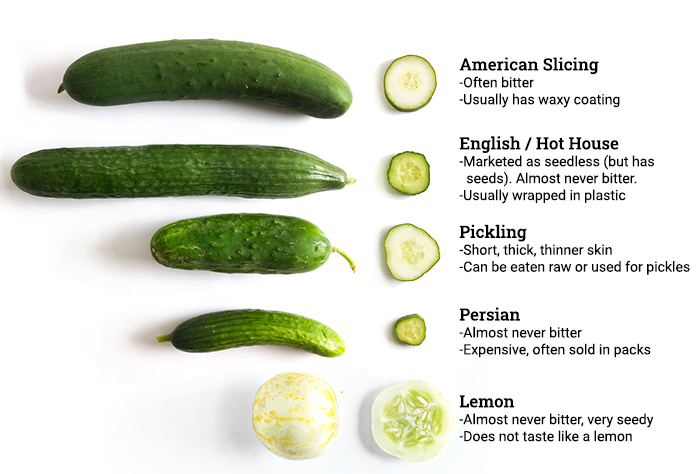
Different cucumber varieties command varying prices. Slicing cucumbers for fresh consumption dominate retail markets. Pickling varieties optimized for processing typically cost less per kilogram. Specialty types including English, Persian, and Japanese cucumbers attract premium pricing.
English cucumbers wrapped in plastic film to extend shelf life cost more reflecting packaging expenses and superior eating qualities. Persian cucumbers' petite size, crisp texture, and minimal seed content justify premium positioning. Heirloom varieties marketed to specialty channels command highest prices.
Standard American slicing cucumbers offer most economical option for budget-conscious buyers. Kirby pickling cucumbers cost less but suit specific culinary applications rather than general fresh consumption. Specialty seedless varieties meet niche demand at corresponding premium rates.
Bulk Buying Advantages and Volume Discounts
Volume purchasing delivers substantial per-kilogram savings. Bulk buyers negotiating direct supplier relationships secure prices 40-60% below retail rates. Transportation efficiency, reduced handling costs, and elimination of intermediary markups create these savings opportunities.
Minimum order quantities vary by supplier. Small wholesalers may require 10-20 kilogram minimums. Regional distributors typically mandate 50-100 kilogram orders. Direct farm purchases often specify 500+ kilogram minimums, though pricing advantages justify large commitments for appropriate buyers.
Storage capabilities and consumption timelines dictate practical bulk purchase sizes. Cucumbers maintain optimal quality 7-14 days under proper refrigeration. Buyers lacking adequate cold storage or rapid consumption capacity face spoilage risks offsetting volume discount benefits.
🎯 Essential Price Intelligence
- Market Channel Selection: Wholesale channels save 30-50% compared to retail grocery pricing. Direct farm purchases deliver 50-70% savings versus retail for buyers handling 500+ kilogram orders. Online bulk platforms offer convenience with moderate 20-35% discounts from retail rates. Choose channel matching volume needs and quality specifications.
- Seasonal Timing Optimization: Peak season summer months offer prices 50-60% below winter rates. Strategic buyers stock processing-grade cucumbers during abundance, utilizing freezing or pickling preservation. Spring shoulder season provides transition pricing opportunity before winter peaks. Plan annual purchasing aligned with seasonal availability patterns.
- Organic Premium Assessment: Organic cucumbers cost 40-100% more than conventional equivalents. Premium narrows during peak season when organic supply increases. Budget-conscious buyers maximize conventional purchases during low-price summer months, shifting toward organic only during sales or when price gaps narrow. Health priorities justify premium for committed organic consumers.
- Quality Grade Strategy: Premium export-grade cucumbers cost 60-100% more than processing grades. Class I standard grade balances quality and affordability for most buyers. Processing-grade cucumbers at $0.50-$1.20/kg suit pickling, chopping for salads, or cooked applications where appearance matters less. Match quality grade to intended use avoiding unnecessary premium payments.
- Regional Price Arbitrage: Geographic price differences create opportunity for strategic sourcing. Buyers near production regions access lower costs than import-dependent areas. Container-load international buyers may source from lower-cost origins offsetting shipping expenses. Research regional pricing patterns identifying favorable procurement locations within accessible supply chain networks.
- Variety Value Analysis: Standard slicing cucumbers provide most economical option $1.50-$2.50/kg retail. English cucumbers cost 30-50% premium reflecting packaging and eating quality. Persian mini cucumbers command 40-70% premium. Specialty heirloom varieties reach 100%+ premiums. Select varieties matching budget constraints and culinary requirements without overpaying for unnecessary premium characteristics.
Factors Influencing Cucumber Prices
Weather patterns significantly impact cucumber availability and pricing. Drought conditions reduce yields raising prices. Excessive rainfall creates disease pressure lowering quality and supply. Temperature extremes during critical growing phases affect harvest timing and volumes.
Fuel costs influence transportation expenses reflected in final pricing. Rising diesel prices escalate distribution costs, particularly affecting imported cucumbers traveling long distances. Energy-intensive greenhouse operations face higher operational costs during expensive fuel periods.
Labor availability affects production costs. Regions experiencing worker shortages may see reduced acreage or harvest inefficiencies raising prices. Minimum wage increases in agricultural sectors translate to higher production expenses ultimately passed to consumers.
Currency exchange rates impact international cucumber trade. Strengthening buyer currencies increase purchasing power for imports. Weakening currencies elevate import costs benefiting domestic producers through reduced foreign competition. Exchange volatility creates uncertainty for long-term procurement contracts.
Regulatory changes affecting pesticide approvals, water usage, or labor laws alter production costs. Stricter environmental regulations may increase compliance expenses for growers. Food safety requirements necessitating enhanced testing or traceability add overhead costs reflected in wholesale pricing.
Cost-Saving Strategies for Buyers
Purchasing during peak season abundance maximizes value. Summer months offer lowest annual prices with highest quality availability. Buyers capable of processing or preserving cucumbers through pickling or freezing leverage seasonal price advantages.
Direct farm relationships eliminate middleman markups. Establishing standing orders with local growers secures consistent supply at favorable rates. Community-supported agriculture programs offer subscription models providing regular cucumber deliveries at below-retail costs.
Flexible variety acceptance reduces costs. Buyers open to available varieties rather than demanding specific types access better pricing. Willingness to accept Class II commercial grades suitable for cooking or processing delivers significant savings versus premium grades.
Cooperative purchasing pools resources among multiple buyers achieving bulk order minimums. Restaurants, small retailers, or consumer groups organize collective purchases accessing wholesale rates individually unattainable. Shared transportation further reduces per-kilogram landed costs.
Storage investment enables advantageous buying timing. Cold storage facilities allow purchasing during seasonal low prices with extended consumption across higher-price periods. Proper temperature and humidity control maintains quality extending usable shelf life justifying upfront storage infrastructure costs.
Frequently Asked Questions: Cucumber Pricing
Conclusion: Maximizing Value in Cucumber Purchases
Cucumber pricing reflects complex interactions between seasonal availability, quality specifications, market channels, and regional factors. Understanding these dynamics empowers buyers making informed purchasing decisions aligned with budget constraints and quality requirements.
Strategic seasonal timing during summer abundance, direct supplier relationships eliminating intermediary markups, flexible quality grade acceptance matching intended uses, and bulk volume purchases accessing wholesale rates collectively maximize cucumber value. Geographic price awareness enables sourcing from favorable regions when feasible within supply chain capabilities.
Balancing cost optimization with quality needs creates sustainable procurement strategies. Premium organic specialty varieties justify higher costs for health-conscious consumers and specialty culinary applications. Standard conventional grades provide excellent value for budget-oriented buyers prioritizing affordability over premium characteristics. Processing grades offer economical options for pickled preparations or cooked dishes where appearance matters less than in fresh consumption contexts.