
🍇 Your Complete Variety Identification Resource
Passion Fruit Varieties in Kenya: Complete Identification and Characteristics
Master the art of identifying and selecting the perfect passion fruit variety for your needs
Walk into any Kenyan market and you'll find passion fruits in different colors, sizes, and shapes. That purple one looks perfect for eating fresh. The yellow variety catches your eye for juice-making. But which banana-shaped fruit is that? Understanding these varieties transforms confusion into confidence.
Kenya cultivates five distinct passion fruit varieties, each with unique characteristics, flavors, and ideal uses. Knowing how to identify and differentiate these varieties helps farmers choose appropriate cultivars, buyers select quality produce, and consumers enjoy optimal flavor experiences.
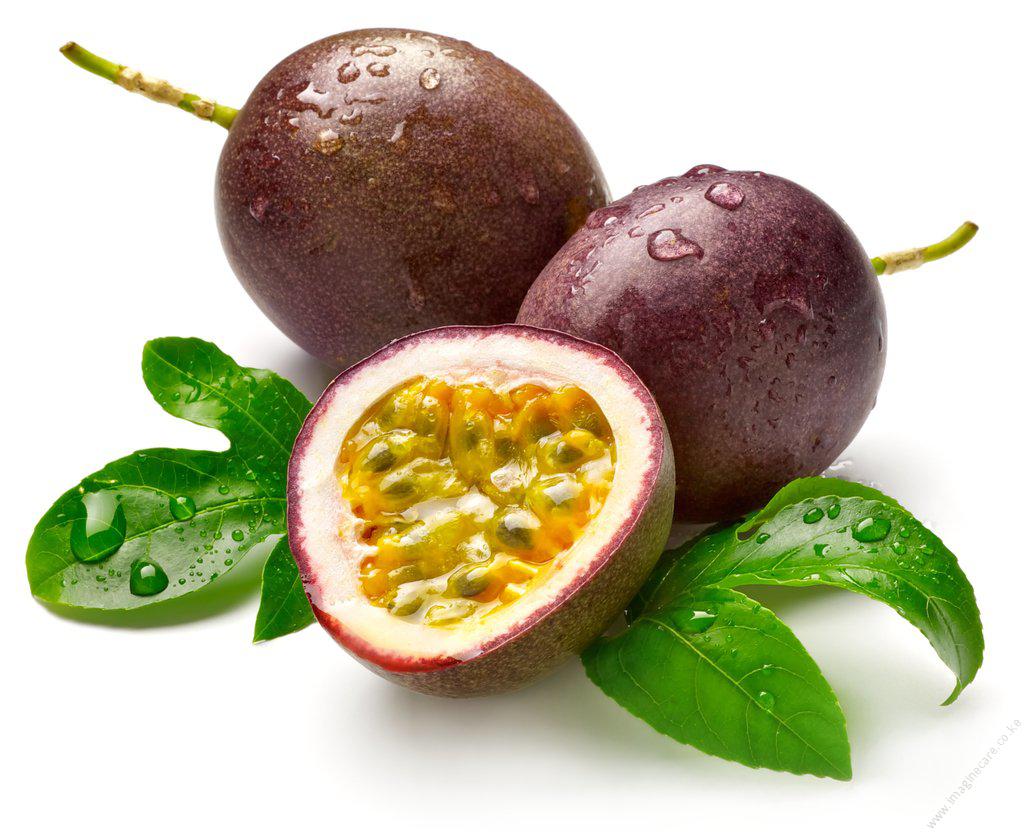
Purple Passion Fruit: Kenya's Premium Variety
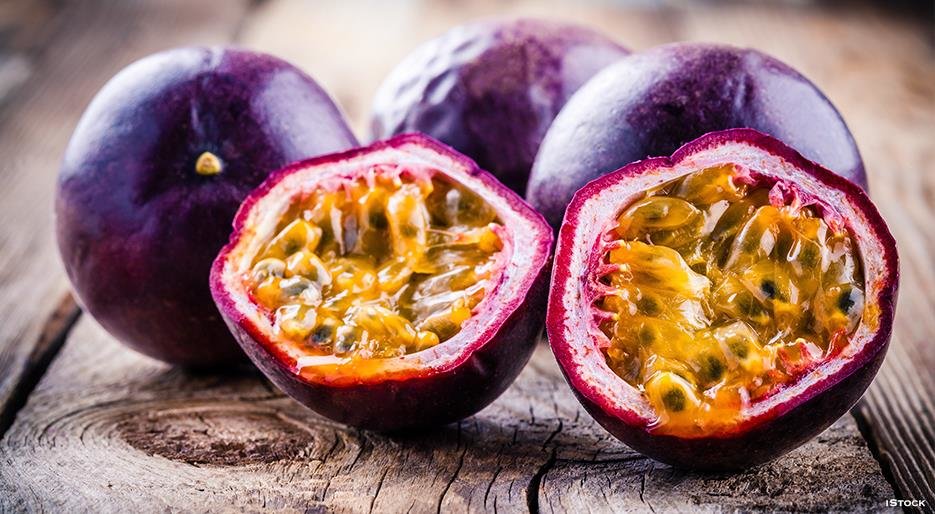
Purple passion fruit (Passiflora edulis) dominates Kenya's passion fruit production, representing approximately 60% of total cultivation. This variety thrives in cooler highland regions at elevations between 1,200 and 2,000 meters above sea level.
Physical Identification Characteristics
The ripe purple passion fruit displays distinctive deep purple to nearly black skin. Its round to oval shape measures 4-6 centimeters in diameter, roughly the size of a large golf ball. When held, the fruit feels smooth with thin skin that wrinkles slightly as it reaches peak ripeness.
Cut open a purple passion fruit and you'll discover golden-orange pulp surrounding dark black seeds. Each fruit contains 200-250 seeds encased in gelatinous sacs filled with intensely aromatic juice. The pulp accounts for 35-38% of total fruit weight, making it highly efficient for fresh consumption.

Flavor Profile and Culinary Applications
Purple passion fruit offers the most pronounced aromatic scent among all varieties. Its flavor balances sweetness with mild acidity, creating a complex tropical taste profile. The intense aroma makes this variety preferred for fresh eating, premium juices, and gourmet desserts.
Chefs value purple passion fruit for cocktails, sauces, and pastry applications where aromatic intensity matters. The pulp blends beautifully into yogurt, ice cream, and smoothies without overwhelming other ingredients.
Purple Passion Fruit Quick Facts
- Scientific Name: Passiflora edulis
- Ideal Altitude: 1,200-2,000 meters
- Fruit Size: 4-6 cm diameter
- Ripe Color: Deep purple to black
- Juice Content: 35-38% of fruit weight
- Flavor: Sweet-tart, highly aromatic
- Best For: Fresh eating, premium juices
- Maturity Period: 10-12 months after planting
Growing Conditions and Productivity
Purple passion fruit demands well-drained soils with pH levels between 6.0 and 7.0. The variety performs best in regions receiving 900-1,500mm annual rainfall with temperatures ranging from 18-25°C. Frost damages the vines, limiting cultivation to frost-free areas.
Under optimal conditions, purple passion fruit vines produce 10-15 tonnes per hectare annually. Grafted plants on disease-resistant yellow rootstock increase this yield by 30-40% while extending productive lifespan from 2 to 3-4 years.
🍇 Source Premium Kenya Passion Fruits for Export →Yellow Passion Fruit: The Juice Industry Champion
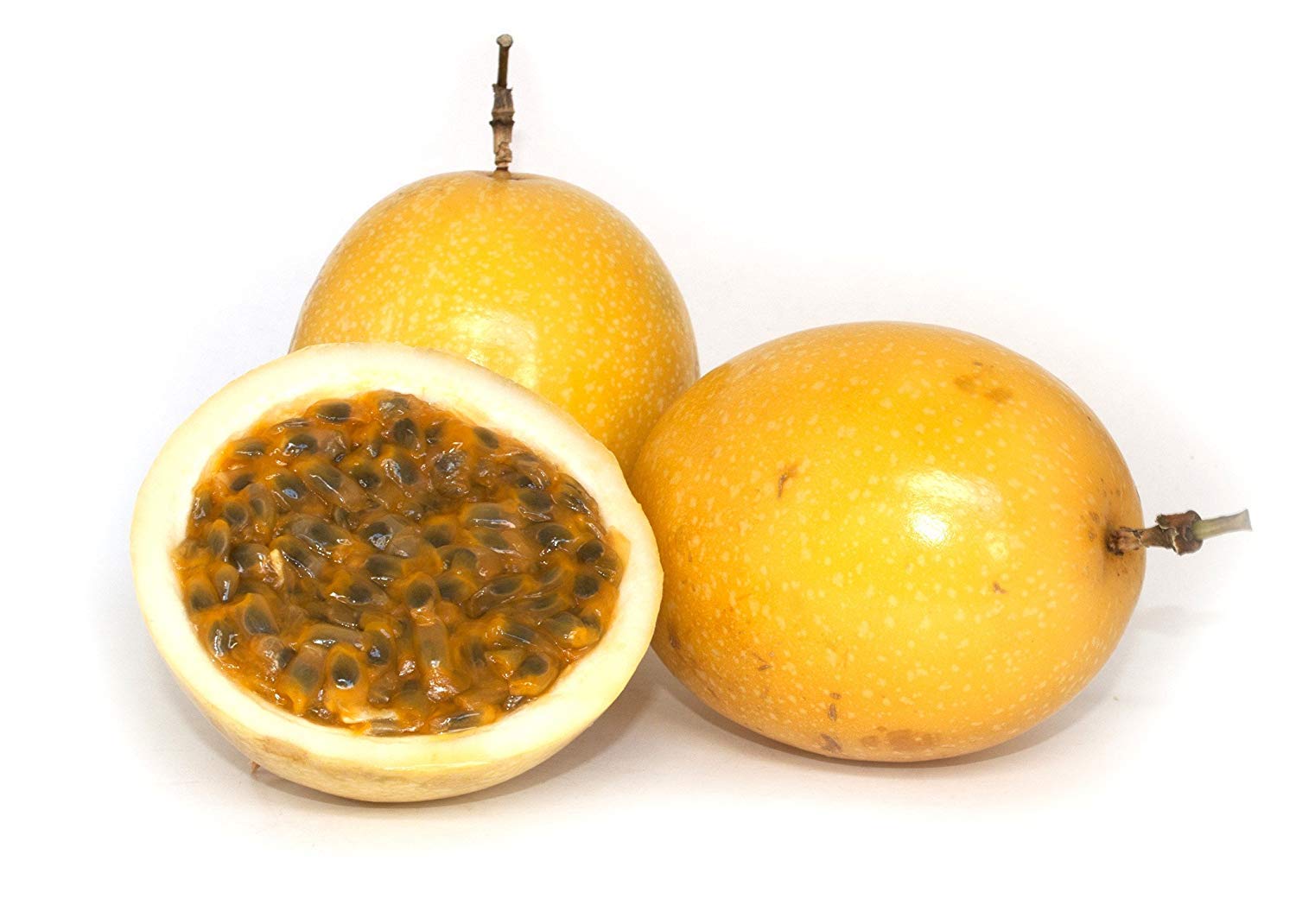
Yellow passion fruit (Passiflora edulis flavicarpa) excels in juice production, accounting for most commercial processing operations. This variety adapts to warmer tropical lowlands below 1,200 meters altitude, filling ecological niches where purple varieties struggle.
Distinctive Physical Features
Mature yellow passion fruit displays bright canary-yellow to golden skin. Its oval to egg-shaped form measures 6-9 centimeters in length, noticeably larger than purple varieties. The thick, waxy skin provides excellent protection during transportation and storage.
Yellow passion fruit weighs 60-90 grams on average, nearly double the weight of purple varieties. This size advantage translates to more juice per fruit, though juice content percentage (30-32%) runs slightly lower than purple varieties.
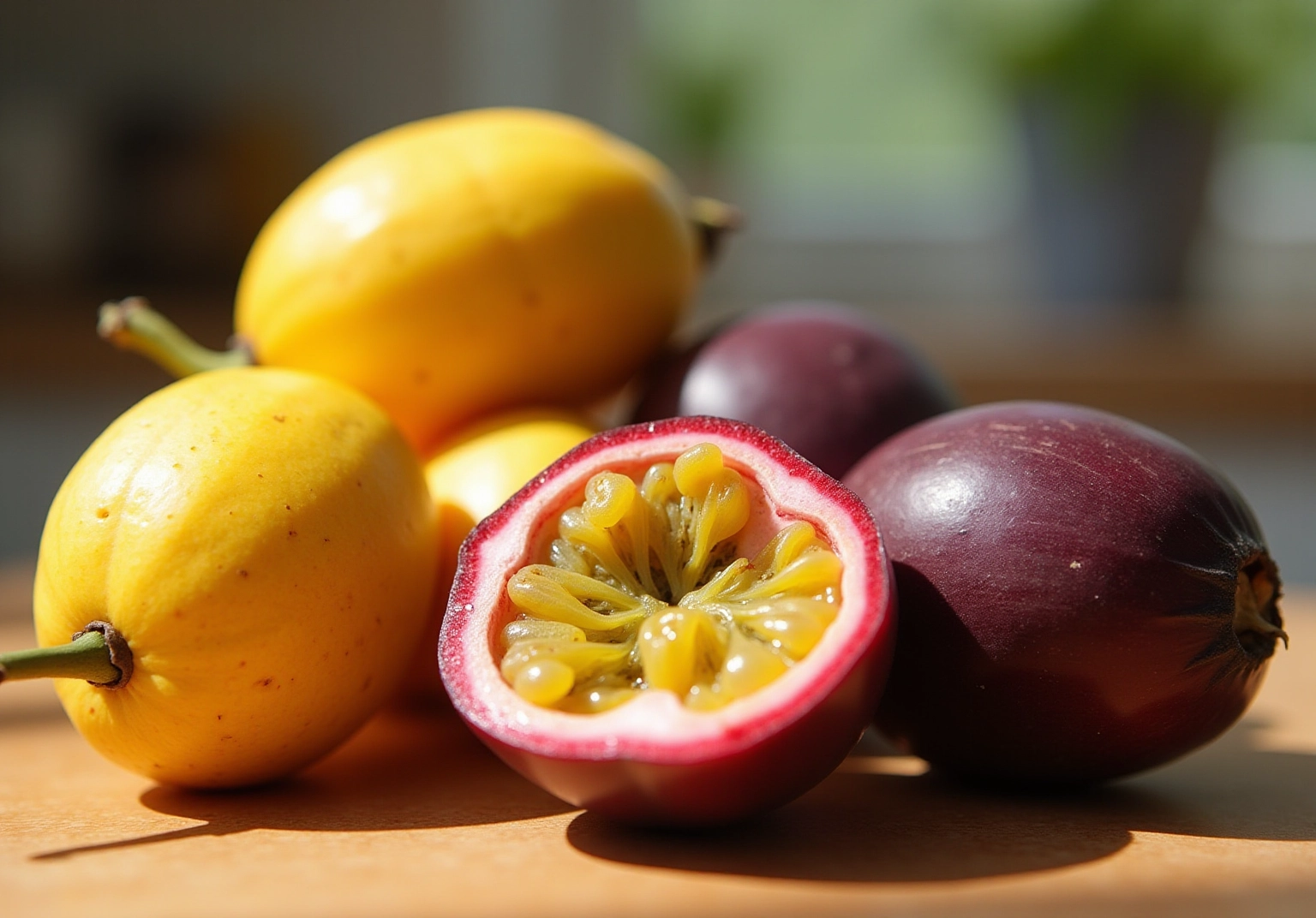
Commercial Processing Advantages
The yellow variety produces 30-35% more total juice than purple passion fruit due to larger fruit size. Higher acidity levels (pH 2.8-3.2) make yellow passion fruit ideal for juice concentrate production and commercial beverage manufacturing.
Food processors prefer yellow passion fruit because consistent size simplifies mechanized processing. The thicker rind withstands mechanical handling better than delicate purple skin, reducing processing waste.
🔄 Self-Sterility Factor
Yellow passion fruit flowers cannot self-pollinate. Successful fruit set requires carpenter bee pollination or manual hand-pollination. This self-sterility increases labor needs but prevents inbreeding, maintaining genetic diversity.
💪 Disease Resistance
Yellow varieties resist Fusarium wilt and root-knot nematodes, soil-borne diseases devastating purple crops. This resistance makes yellow passion fruit preferred rootstock for grafting purple scions, combining disease tolerance with flavor quality.
🌡️ Climate Tolerance
Yellow passion fruit tolerates warmer temperatures and light frost better than purple varieties. This flexibility expands cultivation into coastal and lowland regions unsuitable for purple passion fruit production.
Flavor and Usage Considerations
Yellow passion fruit tastes more acidic and less aromatic than purple varieties. The sharper tartness works well in blended juices where other fruits provide sweetness balance. Pure yellow passion juice requires added sugar for consumer acceptance.
Despite lower aromatic intensity, yellow passion fruit delivers robust tropical flavor and vibrant color to juice products. Blending 70% yellow with 30% purple passion fruit creates optimal commercial juice combining economy, flavor, and aroma.
Sweet Granadilla: The Delicate Dessert Fruit
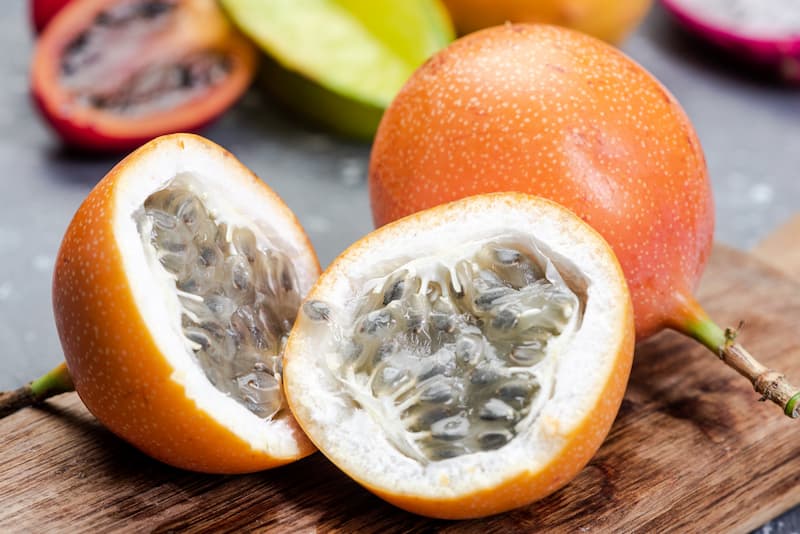
Sweet granadilla (Passiflora ligularis) offers the mildest, sweetest flavor among passion fruit varieties. This specialty variety commands premium prices in urban markets where consumers appreciate its delicate taste and attractive presentation.
Unique Appearance and Structure
Sweet granadilla features hard, smooth shell ranging from orange to orange-brown at maturity. The round fruit measures 6-8 centimeters in diameter with a distinctive white pith layer beneath the hard outer shell.
The hard shell provides excellent natural protection, allowing sweet granadilla to withstand rough handling and long-distance transport without damage. This durability makes it preferred for fresh export markets demanding pristine appearance.
Taste Profile and Consumer Appeal
Sweet granadilla contains significantly less acid than other passion fruit varieties, resulting in naturally sweet flavor requiring no added sugar. The delicate, aromatic pulp appeals to consumers who find standard passion fruit too tart.
The translucent whitish pulp surrounding black seeds delivers subtle tropical sweetness. Children and elderly consumers particularly appreciate sweet granadilla's gentle flavor compared to assertive purple passion fruit tang.
💎 Premium Market Position
Sweet granadilla commands 40-60% price premiums over purple passion fruit in urban Kenyan markets. The combination of attractive appearance, sweet flavor, and limited availability creates strong demand among affluent consumers. Farmers targeting high-end fresh markets find sweet granadilla cultivation profitable despite lower yields than commercial varieties.
Growing Requirements
Sweet granadilla requires cooler conditions than other varieties, thriving at elevations above 1,500 meters. The vines prefer consistent moisture without waterlogging and protection from strong winds that damage delicate flowers.
Production levels run lower than commercial varieties, yielding 8-12 tonnes per hectare. However, premium pricing offsets lower volume, making sweet granadilla economically viable for small-scale farmers near urban markets.
Banana Passion Fruit: The Elongated Specialty
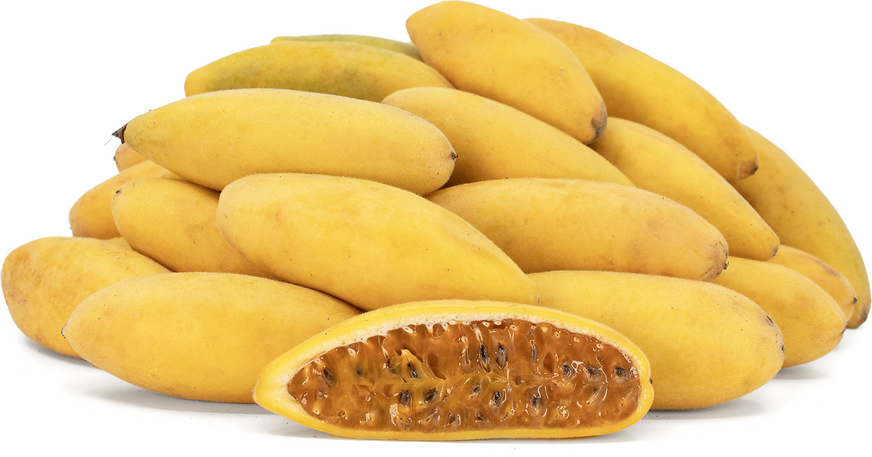
Banana passion fruit (Passiflora tripartita, also called curuba) earns its name from distinctive elongated shape resembling a small banana. This specialty variety remains less common in Kenya but offers unique characteristics worth understanding.
Physical Characteristics
Mature banana passion fruit displays smooth, leathery skin transitioning from green to pale yellow or pinkish-yellow at ripeness. The oblong to cylindrical fruit measures 5-7 centimeters in length with 2-3 centimeter diameter.
Unlike round passion fruits, banana passion fruit tapers at both ends, creating its characteristic banana-like profile. The thin skin wrinkles minimally at ripeness, maintaining smooth appearance even when fully mature.
Flavor and Culinary Uses
Banana passion fruit delivers sweet-tart flavor with moderate acidity. The orange pulp contains smaller, softer seeds than other varieties, making it pleasant for eating fresh without straining.
Traditional Andean cuisines use banana passion fruit extensively in beverages, desserts, and sauces. Kenyan farmers experimenting with this variety target specialty markets and ethnic communities familiar with curuba from South American backgrounds.
⚠️ Limited Commercial Availability
Banana passion fruit remains rare in Kenyan markets due to limited consumer awareness and smaller fruit size. Farmers considering this variety should secure market commitments before planting. The fruit's novelty appeals to high-end restaurants and specialty produce buyers willing to pay premium prices for unique ingredients.
Giant Passion Fruit: The Massive Granadilla
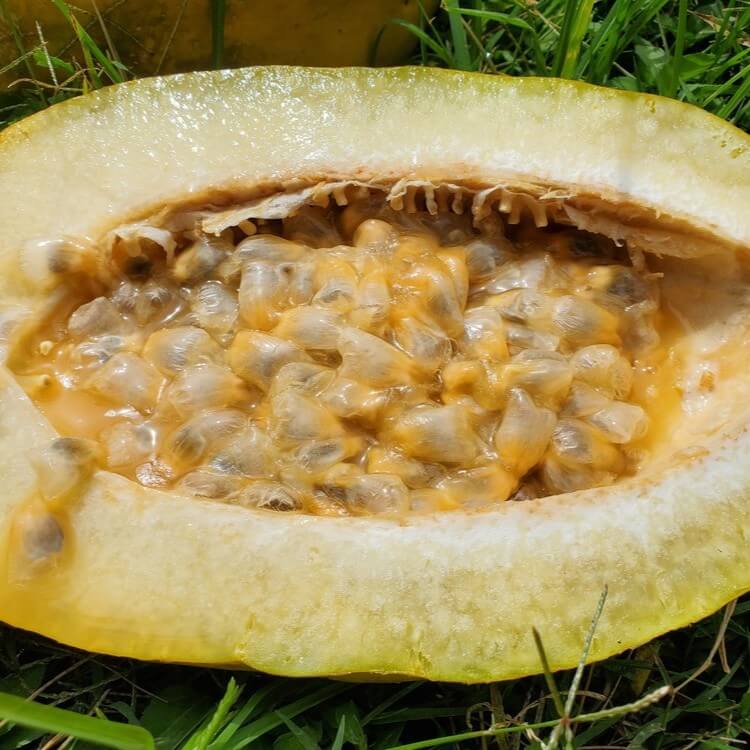
Giant passion fruit (Passiflora quadrangularis) produces the largest fruits in the passion fruit family, sometimes reaching 30 centimeters in length. This impressive variety combines edible fruit with ornamental appeal and traditional medicinal applications.
Remarkable Size and Appearance
Giant passion fruit dwarfs other varieties, with mature fruits weighing 1-3 kilograms. The oblong to oval shape resembles a vegetable marrow or large cucumber. Skin color progresses from green to yellow-green or pale yellow at maturity.
The thick rind protects substantial quantities of white to pale orange pulp and numerous seeds. Despite impressive size, the pulp-to-rind ratio remains lower than commercial varieties, making giant passion fruit less efficient for juice production.
Traditional and Modern Uses
In traditional settings, giant passion fruit serves multiple purposes. The immature fruit cooks as a vegetable in curries and stews. Mature fruit provides fresh eating, though flavor intensity pales compared to purple varieties. The roots possess medicinal properties in traditional healing practices.
Modern interest in giant passion fruit focuses on novelty value and ornamental landscaping. The spectacular flowers measuring 10-15 centimeters across make giant passion fruit popular for decorative plantings. Commercial cultivation remains limited due to moderate flavor and bulky fruit form.
Cultivation Characteristics
Giant passion fruit adapts to tropical climates from sea level to 1,700 meters altitude. The vigorous vines grow 20-30 meters long, requiring substantial trellis systems. Plants tolerate heat and humidity better than other varieties but demand ample space and strong support structures.
Productivity varies widely based on growing conditions, with mature vines producing 50-100 fruits annually. The long maturation period (4-5 months from flowering to harvest) and limited market demand make giant passion fruit unsuitable for most commercial operations.
Comparative Analysis: Variety Selection Guide
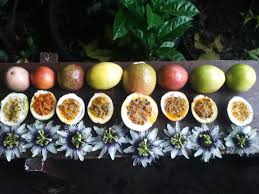
Choosing appropriate passion fruit varieties depends on multiple factors including climate, altitude, market access, processing facilities, and production goals. Understanding comparative advantages guides informed variety selection.
| Variety | Ideal Altitude | Fruit Size | Juice Content | Flavor Profile | Primary Use | Disease Resistance |
|---|---|---|---|---|---|---|
| Purple Passion | 1,200-2,000m | 4-6 cm | 35-38% | Sweet-tart, aromatic | Fresh market, premium juice | Moderate (susceptible to wilt) |
| Yellow Passion | Below 1,200m | 6-9 cm | 30-32% | Acidic, tropical | Juice processing, rootstock | High (wilt and nematode resistant) |
| Sweet Granadilla | Above 1,500m | 6-8 cm | 28-32% | Sweet, mild | Fresh premium market | Moderate |
| Banana Passion | 1,200-2,500m | 5-7 cm long | 30-35% | Sweet-tart, moderate | Specialty fresh market | Moderate to high |
| Giant Passion | Sea level-1,700m | 15-30 cm | 20-25% | Mild, subtle | Ornamental, vegetable use | High |
Nutritional Comparison Across Varieties
All passion fruit varieties deliver impressive nutritional profiles rich in vitamins, minerals, and dietary fiber. However, subtle differences exist between varieties based on color intensity, acidity levels, and growing conditions.
Vitamin and Mineral Content
Purple passion fruit contains 15-20% higher vitamin A levels than yellow varieties due to deeper pigmentation from carotenoids. The intense purple color correlates directly with antioxidant content, making purple varieties nutritionally superior for vitamin A delivery.
Yellow passion fruit compensates with slightly higher vitamin C concentrations, providing 30-35mg per 100g compared to 28-30mg in purple varieties. The increased acidity in yellow passion fruit preserves vitamin C content during storage and processing.
Both commercial varieties supply similar iron levels (1.5-1.8mg per 100g), potassium (280-350mg per 100g), and dietary fiber (10-15g per 100g). These nutrients remain relatively consistent regardless of color or acidity variations.
Functional Food Components
Passion fruit seeds contain beneficial piceatannol, a compound related to resveratrol with anti-inflammatory and antioxidant properties. Purple varieties show higher piceatannol concentrations, though all varieties provide meaningful amounts.
The high fiber content in passion fruit, particularly pectin, supports digestive health and blood sugar regulation. Sweet granadilla, despite lower acidity, maintains comparable fiber levels delivering similar digestive benefits.
Daily Vitamin C requirement met by just 300-350g of fresh passion fruit (any variety)
Market Preferences and Economic Considerations
Consumer preferences, processing requirements, and export opportunities vary significantly between passion fruit varieties. Understanding market dynamics helps farmers align variety selection with profitable outlets.
Domestic Fresh Market Demand
Kenyan consumers strongly prefer purple passion fruit for fresh consumption, paying 20-40% premiums over yellow varieties. The superior aroma, balanced flavor, and cultural familiarity drive this preference despite higher production costs.
Urban markets show growing interest in sweet granadilla among affluent consumers willing to pay 40-60% premiums for mild sweetness. This specialty variety targets supermarkets, hotels, and upscale restaurants serving discerning clientele.
Juice Processing Industry Preferences
Commercial processors overwhelmingly favor yellow passion fruit for concentrate and beverage production. Larger fruit size, higher total juice yield per hectare, and consistent acidity make yellow varieties economically superior for industrial processing.
Premium juice manufacturers blend purple and yellow varieties, typically combining 20-30% purple passion fruit for aroma with 70-80% yellow for volume and cost efficiency. This blending strategy optimizes flavor while controlling production costs.
Export Market Opportunities
European markets accept both purple and yellow fresh passion fruit, though purple varieties command premiums for superior eating quality. Export grades demand unblemished skin, consistent sizing, and optimal ripeness indicated by slight wrinkling without soft spots.
Sweet granadilla targets specialty export markets in North America and Europe where novelty appeal justifies air freight costs. The hard shell makes sweet granadilla ideal for long-distance shipping, arriving in excellent condition after 2-3 day transit.
🎯 Key Selection Criteria Summary
- Purple Passion: Choose for fresh markets, premium juice, and highland cultivation (1,200-2,000m altitude)
- Yellow Passion: Select for juice processing, disease-prone areas, and lowland/coastal regions (below 1,200m)
- Sweet Granadilla: Target high-end fresh markets, export opportunities, and very high altitudes (above 1,500m)
- Banana Passion: Consider for specialty markets, ethnic consumers, and mid to high-altitude regions
- Giant Passion: Grow for ornamental purposes, traditional medicine, or novelty vegetable markets
- Grafted Plants: Always graft purple onto yellow rootstock for disease resistance and extended productivity
- Market Access: Secure buyer commitments before planting specialty varieties with limited mass market appeal
- Climate Matching: Success depends on matching variety to local altitude and temperature conditions
Grafting and Variety Improvement
Modern passion fruit production increasingly relies on grafting techniques combining desirable characteristics from different varieties. This agricultural innovation addresses disease challenges while maintaining fruit quality and market preferences.
Purple-on-Yellow Grafting Standard
Commercial Kenyan farmers routinely graft purple passion fruit scions onto yellow passion fruit rootstock. This combination delivers purple fruit quality with yellow variety disease resistance, extending productive plantation lifespan from 2 to 3-4 years.
Grafted plants show 40-50% better survival rates in areas with Fusarium wilt pressure. The yellow rootstock resists soil-borne pathogens while the purple scion produces preferred fruit characteristics. This grafting approach has become industry standard for commercial purple passion fruit production.
Hybrid Development and Selection
Research institutions including Kenya Agricultural and Livestock Research Organization (KALRO) develop improved passion fruit selections combining high yield, disease resistance, and quality fruit characteristics. These improved varieties undergo field testing before commercial release.
Hybrid varieties like 'Kaveri' from India show promise in Kenyan trials, though locally-selected materials currently dominate commercial production. Farmer acceptance of new varieties depends on proven performance, market acceptance, and reliable propagation material availability.
Practical Identification Tips for Buyers
Whether purchasing passion fruit at markets, selecting varieties for cultivation, or quality-checking export shipments, practical identification skills ensure you get exactly what you need.
Visual Inspection Checklist
Start with color assessment: deep purple-black indicates ripe purple variety, bright yellow signals mature yellow passion fruit, orange-brown suggests sweet granadilla, and elongated pale yellow identifies banana passion fruit. Color provides the fastest initial identification.
Examine size and shape: round forms indicate purple or sweet granadilla, oval shapes suggest yellow passion fruit, elongated profiles identify banana passion, and massive size points to giant passion fruit. Measure diameter if uncertain about variety.
Touch and Aroma Testing
Gently squeeze fruits checking skin texture. Purple passion fruit develops slight wrinkling at peak ripeness while maintaining firmness. Smooth, unwrinkled purple fruit needs additional ripening. Yellow passion fruit stays smoother when ripe. Sweet granadilla maintains hard shell regardless of ripeness.
Smell the stem end where aromatic compounds concentrate. Purple passion fruit releases powerful tropical aroma even through intact skin. Yellow varieties show moderate scent. Sweet granadilla emits subtle fragrance. Strong aroma almost always indicates purple variety.
Purchase Quality Indicators
For fresh eating, choose heavy fruits feeling full of juice when shaken gently. Light weight indicates drying and past-prime condition. Avoid fruits with soft spots, mold growth, or severe shriveling suggesting over-ripeness.
For juice processing, accept moderately wrinkled fruits with slight drying as these contain concentrated sugars and intense flavor. Processing operations often pay premium prices for fallen fruits collected immediately after dropping, as these reach optimal maturity for juice extraction.
Frequently Asked Questions
Your Passion Fruit Variety Expertise Advantage
Understanding passion fruit variety differences transforms you from casual observer to informed decision-maker. Whether selecting varieties for cultivation, purchasing fruits for consumption or processing, or evaluating export quality, variety knowledge delivers tangible advantages.
Farmers matching varieties to local climatic conditions achieve higher yields and better disease resistance. Buyers selecting appropriate varieties for intended uses ensure optimal flavor and processing efficiency. Consumers choosing varieties based on flavor preferences maximize eating enjoyment.
FrutPlanet specializes in connecting international buyers with Kenya's finest passion fruit varieties. Our extensive farmer network across multiple growing regions ensures year-round supply of purple passion fruit for fresh markets and yellow varieties for juice processing. We handle quality control, phytosanitary certification, cold chain logistics, and export documentation, delivering premium Kenyan passion fruit to global markets.
🌍 Partner with Kenya's Leading Passion Fruit Exporters Today →