
🍊 Types of Oranges in Jamaica
Complete varieties, growing seasons & Caribbean citrus cultivation
Jamaica's citrus landscape showcases remarkable diversity, from sweet Valencia oranges dominating commercial groves to unique hybrids found nowhere else on Earth. The island's tropical climate, volcanic soils, and specialized growing regions across St. Catherine, Manchester, and Clarendon parishes create ideal conditions for cultivating distinctive orange varieties that blend Caribbean agricultural heritage with modern commercial production. Understanding these varieties, their characteristics, seasonal availability, and cultivation requirements helps growers, exporters, and citrus enthusiasts appreciate Jamaica's significant contribution to global citrus diversity and regional food culture.
🍊 Source Premium Export-Quality Oranges →The island cultivates over 70 certified citrus varieties through its Plant Quarantine and Entomology (PEQ) certification program, maintaining and distributing disease-free plant material to commercial producers and backyard growers. Sweet oranges lead production volumes, historically dominating harvest statistics before disease pressures challenged the industry. Alongside conventional varieties, Jamaica developed proprietary hybrids including the Ortanique tangor and Ugli fruit tangelo, commanding premium positioning in international markets. These indigenous creations reflect Jamaica's innovative citrus breeding tradition dating back decades when the island exported fresh fruit, canned segments, marmalade, and essential oils to North America and Europe before modern disease challenges transformed production landscapes.
Sweet Orange Varieties: Jamaica's Commercial Foundation
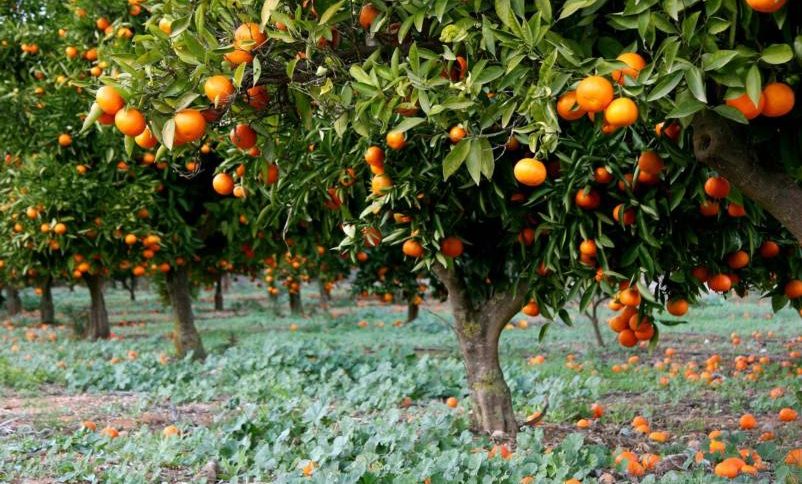
Sweet oranges (Citrus sinensis) represent the backbone of Jamaica's citrus industry. Valencia varieties dominate commercial cultivation across the island's primary production zones. These varieties thrive in Jamaica's tropical conditions, producing fruit with excellent juice content, balanced sweetness, and attractive coloration meeting both domestic consumption and export quality standards.
Valencia Oranges
Most Common High Juice Content Commercial ExportAppearance: Valencia oranges exhibit deep orange coloration at maturity with smooth to slightly pebbled rind texture depending on growing conditions. The medium to large round fruit develops characteristic color intensity reflecting optimal sugar accumulation during final ripening stages.
Flavor Profile: Sweet yet balanced flavor with moderate acidity creates versatile applications spanning fresh consumption, juicing, and processing. The juice content reaches exceptional levels, typically 50-55% of total fruit weight, making Valencia ideal for commercial juice extraction operations.
Growing Characteristics: Large trees develop round, drooping canopies requiring adequate spacing in commercial orchards. Vigorous growth habits demand regular pruning management maintaining productive framework while facilitating harvest operations. Trees demonstrate fair to good production levels under optimal management, though yield consistency varies with environmental conditions and pest pressures.
Harvest Season: Primary maturity occurs late September through January, providing extended harvest window accommodating sequential picking operations. Fruit holds reasonably well on trees after initial ripening, allowing flexible harvest timing based on market demand and labor availability.
Cultivation Zones: St. Catherine leads Valencia production, followed by Clarendon and St. James parishes where soil fertility, rainfall patterns, and temperature regimes align with variety requirements. Mid-elevation zones between 300-600 meters provide optimal conditions balancing heat accumulation with cooling temperatures supporting quality development.
Olinda Valencia
Premium Quality Late SeasonFruit Characteristics: Olinda represents a Valencia selection exhibiting superior eating quality characteristics. The fruit develops bright yellowish-orange coloration at full maturity with thin, leathery rind that adheres tightly to flesh yet remains peelable with moderate effort.
Tree Morphology: Nearly thornless trees with dense foliage create attractive canopy structure. Medium vigor growth patterns suit moderate-density plantings while maintaining manageable tree size facilitating cultural operations including pest management, pruning, and harvesting activities.
Maturity Timing: Late mid-season maturity classification positions Olinda harvest following early Valencia selections. Fruit retention on trees remains excellent, withstanding several weeks between optimal maturity and necessary harvest without significant quality deterioration, juice decline, or excessive granulation.
Production Potential: Moderately productive under Jamaican conditions, Olinda performs best with consistent irrigation during dry periods and balanced nutritional programs addressing specific soil deficiencies common across producing regions. Disease resistance levels moderate, requiring integrated pest management protecting foliage and fruit quality.
Ortanique: Jamaica's Signature Tangor Hybrid
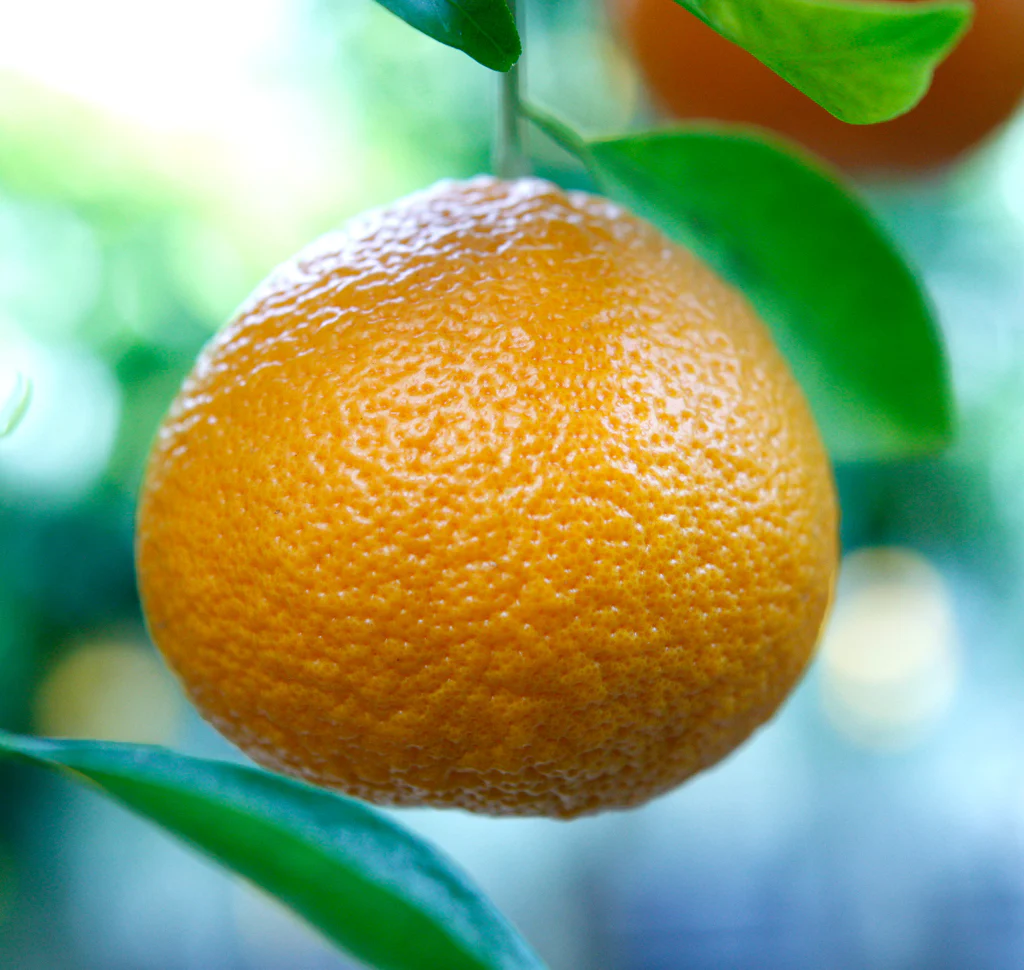
The Ortanique tangor stands as Jamaica's most celebrated citrus contribution to world agriculture. This natural hybrid combines orange and tangerine genetics, creating distinctive characteristics that earned international recognition and premium market positioning. The name derives from "or" for orange, "tan" for tangerine, and "ique" for unique, perfectly capturing the variety's singular appeal and Jamaican origins.
Ortanique Tangor
Jamaican Original Export Premium Exceptionally JuicyDiscovery History: Ortanique originated as chance seedling discovered around the community of Mandeville, Jamaica. C.P. Jackson of Chellaston identified the original tree, subsequently growing 130 seedlings from which approximately 40% resembled parent fruit characteristics. Selections representing best quality and production traits established the commercial variety now propagated throughout Jamaica's citrus regions.
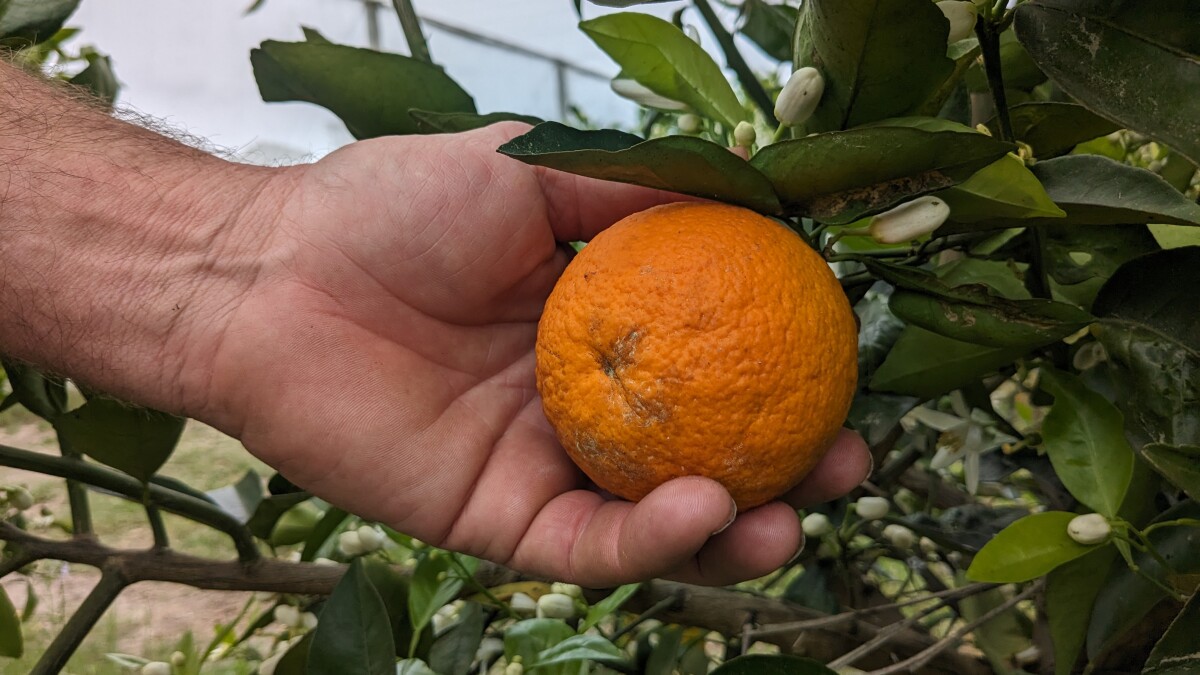
Fruit Description: Medium to large obovate fruit displays distinctive flattened shape differentiating Ortanique from round orange types. Dark orange pebbled rind develops glossy appearance at maturity. The rind thickness remains relatively thin yet leathery, peeling with moderate ease despite tight adherence to flesh segments.
Internal Quality: Orange-colored flesh exhibits exceptional juiciness, often considered among the juiciest citrus varieties cultivated commercially. The flavor profile combines rich sweetness with distinctive aromatic notes reflecting both orange and tangerine parentage. Sugar content reaches impressive levels while maintaining sufficient acidity preventing cloying sweetness, creating balanced eating experience appealing to diverse consumer preferences.
Seed Characteristics: Cross-pollination results in seedy fruit containing approximately 10 plump seeds with white cotyledons. Polyembryonic seed nature means multiple embryos per seed, complicating breeding programs but enabling consistent clonal propagation through nucellar seedlings maintaining variety characteristics across propagation generations.
Tree Attributes: Moderately vigorous medium-large trees develop spreading, drooping growth habits. Slender branchlets carry medium-sized leaves with narrowly winged petioles creating dense foliage canopies. Nearly thornless nature simplifies harvest operations and reduces worker injury risk compared to thorny Valencia types requiring protective equipment during picking.
Maturity and Harvest: Late maturity classification positions Ortanique harvest typically January through April, providing valuable counter-seasonal production when early orange varieties finish. Exceptional tree retention allows fruit holding on branches for extended periods post-maturity without significant quality loss, granulation, or juice decline, enabling flexible harvest scheduling optimizing market timing and price realization.
Market Positioning: Historical export destinations included United Kingdom where Ortanique commanded premium pricing reflecting unique flavor profile unavailable from other citrus origins. Fresh fruit sales dominated, though juice extraction operations also utilized Ortanique when supplies exceeded fresh market demand or fruit quality declined below export specifications.
Growing Requirements: Ortanique performs optimally in well-drained volcanic soils characteristic of Manchester, St. Elizabeth parishes. Adequate water supply during fruit development proves critical achieving maximum juice content and preventing premature fruit drop. Nutritional programs emphasizing potassium support quality development while moderate nitrogen levels prevent excessive vegetative growth competing with fruit production.
Understanding the characteristics and market positioning of different export-grade orange varieties helps growers select appropriate cultivars for international markets where Jamaican Ortanique and other specialty types command premium pricing based on distinctive qualities unavailable from conventional production zones.
🍊 Ortanique vs Valencia: Key Distinctions
| Characteristic | Ortanique Tangor | Valencia Orange |
|---|---|---|
| Origin | Natural Jamaican hybrid, Mandeville area | Spanish origin, naturalized Jamaica |
| Fruit Shape | Obovate, distinctly flattened | Round to slightly oval |
| Rind Texture | Pebbled, dark orange, leathery | Smooth to moderately pebbled |
| Ease of Peeling | Moderate, tighter than mandarins | Difficult, typical sweet orange |
| Juice Content | Exceptionally high, 55-60% | High, 50-55% |
| Flavor Profile | Rich, distinctive, aromatic blend | Sweet, balanced, classic orange |
| Seed Content | ~10 seeds when cross-pollinated | Few to moderate seeds |
| Maturity Timing | Late season, January-April | Mid to late, September-January |
| Tree Retention | Excellent, holds very well | Good, moderate holding |
| Export Markets | UK premium, specialty channels | North America, Europe mainstream |
Ugli Fruit: Jamaica's Tangelo Innovation
The Ugli fruit (also marketed as Uniq fruit) represents Jamaica's second major citrus innovation, creating another proprietary variety unique to the island. This tangelo hybrid combines grapefruit, orange, and mandarin genetics, producing fruit with distinctive appearance and flavor profile earning devoted following among specialty citrus enthusiasts despite unconventional aesthetics that inspired its memorable name.
Jamaican Tangelo (Ugli/Uniq Fruit)
Trademarked Specialty Market Easy PeelNaming and Marketing: "UGLI" serves as registered trademark of Cabel Hall Citrus Limited, the variety's original commercial developer and primary propagator. The name cleverly references the fruit's unsightly external appearance while creating memorable brand identity. "Uniq" provides alternative marketing name emphasizing variety's unique characteristics and Jamaican exclusivity.
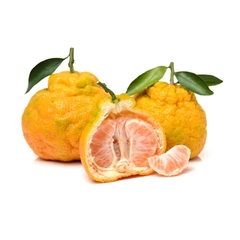
External Appearance: Thick, rough, bumpy rind displays distorted, irregular shape differentiating Ugli from symmetrical citrus types. Surface coloration varies greenish-yellow to greenish-orange at harvest, transitioning toward more pronounced orange tones indicating peak ripeness. Light-green surface blemishes that initially seem unappealing actually signal approaching optimal maturity when flavor development reaches maximum.
Size Variation: Fruit dimensions typically exceed grapefruit size, though considerable variation occurs depending on growing conditions, pollination patterns, and crop load. Individual specimens range from grapefruit-sized to noticeably larger, with heavier fruit generally indicating higher juice content and better eating quality.
Peeling Characteristics: Despite thick rind, the loose skin peels remarkably easily compared to tight-rinded oranges and grapefruits. This easy-peel characteristic combined with large size creates convenient eating experience without requiring knives or specialized citrus tools, enhancing consumer appeal particularly for fresh consumption applications.
Internal Quality: Flesh appears super-luscious and exceptionally juicy, often described as one of the juiciest citrus varieties commercially available. Virtually seedless nature eliminates the seed inconvenience plaguing many seedy citrus types, creating smooth eating experience without frequent seed removal interrupting consumption.
Flavor Characteristics: Refreshingly sweet flavor incorporates mandarin notes with subtle grapefruit undertones creating complex taste profile. The flavor registers sourer than conventional sweet oranges yet substantially less bitter than grapefruit, occupying pleasant middle ground appealing to consumers preferring neither excessively sweet nor intensely bitter citrus. Some describe flavor resembling lemon-tangerine hybrid, though grapefruit influence remains detectable in aroma and slight bitter finish.
Discovery and Development: Natural hybridization occurred spontaneously in Jamaica, likely involving wild-type mandarin and orange trees pollinating commercial grapefruit. The fortuitous genetic combination created viable hybrid exhibiting novel characteristics worthy of commercial propagation. Grafted trees maintain variety characteristics across propagation generations.
Export History: International marketing began in the mid-20th century, with shipments reaching Canada and England during the 1930s. United States imports commenced during the 1940s. The variety established niche following among specialty fruit enthusiasts appreciating unique flavor profile and convenient consumption characteristics despite unconventional appearance deterring some conventional citrus consumers.
Current Status: Ugli fruit remains specialty item commanding premium pricing in international markets. Limited production volumes reflect both restricted growing areas within Jamaica and modest consumer demand for unusual citrus types. However, devoted consumer following ensures steady market despite challenges competing against mainstream Valencia oranges and seedless mandarins dominating global citrus trade.
Sour Orange Varieties: Culinary and Processing Applications
Beyond sweet orange types, Jamaica cultivates sour orange varieties (Citrus aurantium) serving distinct culinary roles within local food culture and providing processing applications unavailable from sweet types. Sour oranges' high acidity and aromatic oils create specialized uses where sweet Valencia types prove unsuitable.
Seville Orange (Sour Orange)
Culinary TraditionalFruit Profile: Seville oranges produce medium-sized fruit with relatively smooth, thin rind exhibiting orange coloration at maturity. The flesh contains high acid content creating intensely sour flavor unsuitable for fresh consumption but ideal for culinary applications where tartness provides essential flavor component.
Traditional Uses: Sour orange juice features prominently in traditional Jamaican cuisine, particularly "matrimony" preparation combining sour orange juice with star apple creating popular traditional dessert. The acidic juice serves as marinade for seafood and poultry, with citric acid content tenderizing proteins while imparting distinctive flavor. Sour orange also features in beverage preparations, hot sauces, and condiment applications where acid balance proves essential.
Processing Applications: Marmalade production represents primary industrial use, with Seville oranges providing optimal acid-sugar-pectin balance creating proper gel structure characteristic of quality marmalade. The rind's aromatic oil content contributes bitter complexity distinguishing traditional marmalade from sweet orange jelly products. Essential oil extraction from rinds provides flavor compounds for food industry applications including baked goods, beverages, and confectionery manufacturing.
Backyard Cultivation: Sour orange trees commonly appear in Jamaican backyards and mixed cultivation systems where small-scale producers maintain trees for household culinary needs. Tree vigor and relatively low disease susceptibility compared to sweet orange types make Seville oranges reliable producers requiring minimal management attention suited to home garden situations.

Major Orange-Growing Regions Across Jamaica
Six parishes dominate Jamaica's citrus production, each offering distinct advantages based on soil types, rainfall patterns, elevation ranges, and infrastructure supporting commercial agriculture. Understanding regional characteristics helps growers select optimal locations for specific varieties while appreciating how geographic factors influence fruit quality, yield potential, and economic viability.
🗺️ Jamaica's Prime Orange-Growing Parishes
St. Catherine: Leading production parish benefiting from extensive flat to gently rolling land suitable for large-scale commercial operations. Well-developed infrastructure including processing facilities, pack houses, and transportation networks supports efficient harvest, processing, and marketing. Irrigation availability mitigates seasonal rainfall variation ensuring consistent production across variable climatic conditions. Proximity to Kingston markets and shipping ports reduces transportation costs and enables rapid fresh fruit movement preserving quality during distribution.
St. Mary: Northern coastal parish offering moderate elevation zones with well-distributed rainfall reducing irrigation requirements. Cooler temperatures at higher elevations slow maturity extending harvest seasons. Rich volcanic soils provide excellent fertility supporting vigorous tree growth and high-quality fruit development. St. Mary historically produced premium fruit commanding price premiums reflecting superior eating quality and attractive appearance resulting from optimal growing conditions.
Clarendon: Central plains areas provide extensive flat terrain enabling mechanization and efficiency gains in large commercial operations. Variable soil fertility requires targeted nutritional programs addressing specific deficiencies common across region. Adequate rainfall during growing season supports production, though supplemental irrigation during dry periods proves beneficial maintaining consistent fruit sizing and juice content meeting commercial specifications.
St. James: Northwestern parish combines coastal lowlands with interior elevated zones offering diverse microclimates suited to different variety requirements. Tourist industry proximity creates robust local market demand supporting direct marketing opportunities beyond wholesale commodity channels. Well-established agricultural traditions and experienced labor force facilitate quality production meeting both domestic and export market demands.
St. Elizabeth: South-central parish features varied topography from coastal plains to interior highlands. Limestone-derived soils in some areas provide excellent drainage preventing root rot and other water-related disorders. Rainfall variability necessitates drought-tolerant variety selection or irrigation investment for consistent production. Traditional citrus-growing areas maintain infrastructure supporting continued production despite modern challenges.
Manchester: Highland parish offers cooler growing conditions moderating heat stress during summer months. Ortanique production historically concentrated in Manchester areas including Mandeville where variety originated. Elevation-related temperature moderation slows ripening extending marketing windows and potentially enhancing flavor development through extended sugar accumulation periods. Challenging terrain limits large-scale mechanization, favoring smaller operations emphasizing quality over volume.
| Parish | Primary Varieties | Key Advantages | Growing Challenges |
|---|---|---|---|
| St. Catherine | Valencia, Sweet Oranges, Ortanique | Infrastructure, flat terrain, irrigation, markets | Disease pressure, land costs, urban encroachment |
| St. Mary | Valencia, Premium Selections | Rainfall, volcanic soils, quality reputation | Terrain limitations, labor availability |
| Clarendon | Valencia, Commercial Varieties | Scale potential, flat land, mechanization | Soil variability, seasonal drought |
| St. James | Mixed Varieties, Ortanique | Tourism markets, diverse conditions | Land pressure, development competition |
| St. Elizabeth | Valencia, Drought-Tolerant Types | Drainage, limestone soils, tradition | Rainfall variability, irrigation needs |
| Manchester | Ortanique, Specialty Types | Cooler climate, quality fruit, Ortanique origin | Terrain, mechanization limits, scale constraints |
Seasonal Availability and Harvest Timing
Understanding harvest seasons enables growers coordinating planting decisions with market demand patterns while helping buyers anticipate supply fluctuations affecting pricing and availability. Jamaica's tropical location creates somewhat different maturity timing compared to temperate orange-producing regions, with variety selection and elevation determining specific harvest windows.
Valencia types dominate September through January period, providing primary commercial volumes during these months. Early-maturing selections within Valencia category begin harvest late September, with peak volumes occurring November through December. Late Valencia selections extend harvest into January, occasionally reaching February in highland areas where cooler temperatures delay maturity progression.
Ortanique follows Valencia season, typically maturing January through April. This counter-seasonal timing provides valuable marketing advantage, enabling Jamaican growers supplying fresh oranges during months when Valencia supplies diminish. Peak Ortanique quality generally occurs February through March when sugar accumulation maximizes and acid levels decline achieving optimal balance. Trees retain ripe fruit well, allowing extended harvest spanning several weeks without significant quality deterioration.
Ugli fruit tangelos exhibit somewhat variable maturity depending on growing location and specific season conditions. Generally, harvest occurs December through April, overlapping late Valencia and early Ortanique periods. Color change from greenish-yellow toward orange signals approaching maturity, though taste testing provides most reliable maturity determination ensuring optimal eating quality at harvest.
Sour oranges mature across broader window given their processing rather than fresh market destination. Harvest typically occurs whenever fruit reaches appropriate size and acid content for intended applications, with maturity indicators differing from sweet orange evaluation criteria focusing on sugar-acid balance rather than sweetness alone.
Disease Challenges Affecting Jamaican Orange Production
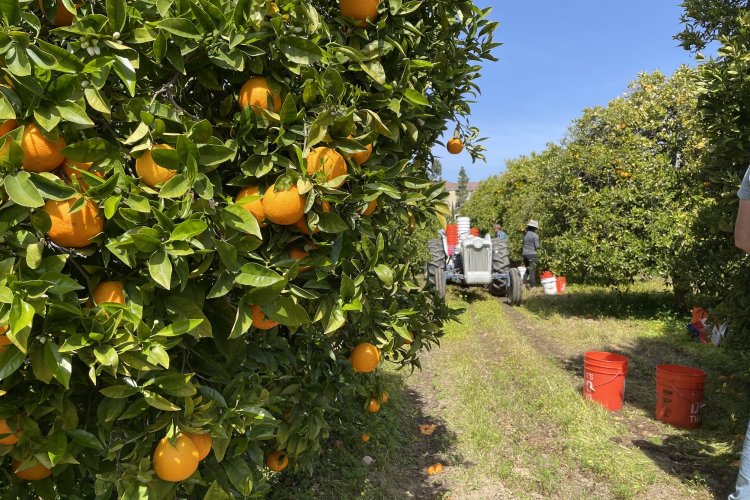
Jamaica's orange industry faces significant disease pressures that dramatically impacted production volumes, varieties cultivated, and economic viability of commercial operations. Understanding these challenges provides context for current production realities and future development directions as industry stakeholders implement disease management strategies attempting industry recovery.
Citrus Tristeza Virus (CTV) appeared in Jamaica during the early 1990s, transmitted by Brown Citrus Aphid vectors confirmed present throughout the island. The virus causes tree decline, reduced vigor, poor fruit quality, and eventual death in susceptible rootstock-scion combinations. Many older orchards planted on sour orange rootstock proved particularly vulnerable, experiencing severe decline requiring replanting on tolerant rootstock alternatives when disease pressure eliminated original plantings.
Huanglongbing (HLB), commonly called citrus greening disease, represents even more severe threat confirmed present across all Jamaican citrus-growing areas since the late 2000s. The bacterial disease spreads through Asian citrus psyllid insect vectors, causing yellow mottled leaves, misshapen fruit, bitter taste, premature fruit drop, and progressive tree decline. No cure exists; management requires removing infected trees, controlling psyllid populations through intensive pesticide applications, and replanting with certified disease-free nursery stock.
These disease pressures fundamentally altered Jamaica's citrus landscape. Production volumes declined substantially from historical peaks. Many small-scale producers abandoned citrus cultivation given intensive management requirements and economic returns insufficient justifying disease control investments. Backyard trees previously providing household fruit supplies died without replacement, eliminating casual production supplementing commercial operations.
Industry recovery requires coordinated efforts including nursery certification programs ensuring clean planting material, psyllid monitoring and control protocols, removal of infected trees preventing disease spread, and potentially development of disease-resistant or tolerant varieties through breeding programs. Some larger commercial operations including Trade Winds Jamaica Limited successfully implemented intensive management sustaining production, but small-holder recovery remains challenging given resource limitations and technical demands of effective disease management programs.
🎯 Essential Insights: Jamaican Orange Varieties
- Variety Diversity: Jamaica maintains over 70 certified citrus varieties through its Plant Quarantine and Entomology program, with sweet Valencia oranges dominating commercial production acreage and volume. Valencia types including standard and Olinda selections provide reliable juice and fresh fruit production adapted to tropical conditions across St. Catherine, Clarendon, and St. James primary growing regions. Secondary varieties serve specialty markets and traditional culinary applications complementing mainstream commercial types.
- Unique Jamaican Hybrids: Ortanique tangor and Ugli fruit tangelo represent Jamaica's signature citrus innovations, combining orange genetics with tangerine and grapefruit respectively. Ortanique commands premium export positioning particularly in UK markets, exhibiting exceptional juiciness, rich flavor, and distinctive appearance. Ugli fruit creates specialty niche with easy-peel convenience, unique flavor profile, and memorable branding despite unconventional appearance inspiring variety name. Both varieties demonstrate Jamaica's innovative citrus breeding tradition contributing unique germplasm to global citrus diversity.
- Regional Growing Zones: Six parishes dominate production, each offering distinct advantages. St. Catherine leads through infrastructure, irrigation, and market access enabling large-scale commercial operations. Manchester's highland conditions suited Ortanique development and specialty type cultivation. St. Mary provides premium growing conditions producing high-quality fruit commanding price advantages. Understanding regional characteristics informs variety selection, site evaluation, and investment decisions for prospective growers entering or expanding citrus production.
- Seasonal Supply Patterns: Valencia harvest September through January creates primary supply period, with Ortanique's late maturity (January-April) extending availability into spring months when Valencia volumes decline. This seasonal succession enables year-round citrus marketing combining early, mid-season, and late varieties across harvest calendar. Counter-seasonal timing relative to Northern Hemisphere orange production creates potential export windows when competing supply diminishes, though disease challenges currently limit export volume capabilities.
- Disease Impact: Citrus Tristeza Virus and Huanglongbing (greening) dramatically reduced production from historical peaks, eliminating many small-holder operations and backyard trees. Industry recovery requires intensive management including certified disease-free nursery stock, vector control through pesticide applications, infected tree removal, and potentially resistant variety development. These challenges fundamentally altered production economics, requiring higher investment and technical capacity that favor larger commercial operations over traditional small-scale producers historically dominating Jamaican citrus cultivation.
- Export Heritage and Current Status: Jamaica historically exported fresh oranges, ortaniques, ugli fruit, and value-added products including canned segments, marmalade, and essential oils to North American and European markets. Disease pressures and international competition substantially reduced export volumes from historical levels. Trade Winds Jamaica Limited represents primary commercial operation maintaining export capability through intensive disease management and quality control protocols. Rebuilding export competitiveness requires addressing disease challenges, modernizing production practices, and potentially targeting premium specialty markets where Jamaica's unique varieties command price advantages justifying higher production costs.
Commercial vs. Backyard Orange Cultivation
Jamaica's orange production traditionally involved both large-scale commercial operations and extensive small-holder backyard cultivation. Understanding differences between these production systems illuminates how disease challenges differentially impacted various grower categories and why industry recovery follows uneven trajectory across commercial and subsistence production sectors.
Commercial operations typically span 5-50 hectares, employing professional management, irrigation systems, integrated pest management programs, and quality control protocols meeting export and processing specifications. These operations maintain relationships with processors, exporters, and fresh market distributors providing guaranteed outlets for production volumes. Access to technical advice from agricultural extension services, industry associations, and input suppliers enables implementing recommended cultural practices including proper nutrition, pest control, and disease management essential maintaining productive orchards under modern challenges.
Backyard cultivation historically provided household fruit supplies and modest cash income from surplus sales to neighbors or local markets. These small-scale plantings rarely received intensive management inputs, relying instead on natural rainfall, minimal fertilization, and limited pest control beyond basic horticultural practices. When disease pressures intensified, many backyard producers lacked resources, knowledge, or economic incentive implementing intensive management protocols necessary sustaining production. Consequently, backyard citrus populations declined substantially as trees succumbed to disease without replacement.
This differential impact concentrated surviving production among larger commercial operations capable of absorbing disease management costs and accessing clean nursery stock for replanting diseased groves. The shift eliminated distributed backyard production that historically supplemented commercial supply, provided food security for rural households, and maintained genetic diversity through diverse variety selections reflecting local preferences and adaptive characteristics rather than purely commercial considerations.
Rebuilding backyard production requires addressing multiple barriers including nursery stock availability at affordable pricing, simplified disease management protocols suited to resource-limited small-holders, and educational programs teaching proper cultural practices without requiring extensive technical background. Some initiatives through agricultural extension services attempt supporting backyard citrus recovery recognizing cultural and nutritional importance beyond purely commercial valuation, but success remains limited given intensive management demands of producing healthy citrus under current disease environment.
Frequently Asked Questions: Jamaican Orange Varieties
Future Prospects: Rebuilding Jamaica's Orange Industry
Jamaica's orange sector faces challenging road toward recovery from devastating disease impacts. However, several pathways forward offer potential revitalization opportunities combining technical innovation, market development, and institutional support creating enabling conditions for sustainable production rebuilding.
Disease-resistant variety development represents critical long-term solution. Traditional breeding programs crossing susceptible commercial varieties with wild citrus species exhibiting natural disease tolerance could produce hybrid selections combining commercial quality characteristics with genetic resistance to Tristeza and HLB. Modern biotechnology approaches including genetic engineering and CRISPR gene editing potentially accelerate resistance trait development, though regulatory approval, public acceptance, and technical capacity requirements present significant barriers for resource-limited developing country contexts.
Intensive management protocols successfully implemented by larger commercial operations like Trade Winds demonstrate that production under disease pressure remains technically feasible given adequate resources. Scaling these approaches to small-holder sector requires simplified protocols, affordable input access, technical training programs, and potentially subsidized support during establishment phases when costs exceed revenues before replanted orchards begin production. Cooperative structures pooling resources among multiple small-scale producers could enable shared disease management infrastructure including nurseries, pest monitoring, and technical expertise individual operators cannot economically justify.
Market development emphasizing premium positioning for Jamaica's unique varieties offers differentiation strategy avoiding direct competition with low-cost commodity producers dominating mainstream markets. Ortanique and Ugli fruit's distinctive characteristics, authentic Jamaican origin stories, and limited global availability create potential commanding price premiums from specialty retailers, gourmet restaurants, and affluent consumers valuing unique flavor experiences unavailable from conventional alternatives. Effective branding, quality certification, and direct marketing relationships with premium buyers could generate revenues justifying higher Jamaican production costs compared to countries benefiting from disease-free status or larger scale economies.
Government policy support through research funding, extension service enhancement, nursery certification programs, and potentially direct financial assistance for replanting diseased groves creates enabling environment for industry recovery. International development assistance through organizations like FAO provides technical expertise, training programs, and capital resources beyond domestic government capacity. Private sector investment in processing infrastructure, modern cultivation techniques, and market development requires confidence in industry viability that government commitment and international support help establish.
The path forward requires coordinated multi-stakeholder efforts addressing technical, economic, and institutional dimensions simultaneously. No single intervention suffices; rather, comprehensive approach combining disease management, variety improvement, market development, and support services creates conditions enabling sustainable recovery. Success timelines extend across decades rather than immediate turnarounds, requiring persistent commitment despite inevitable setbacks and disappointments along challenging recovery pathway toward restoring Jamaica's historic citrus prominence.
Conclusion: Jamaica's Orange Heritage and Diversity
Jamaica's orange varieties reflect the island's agricultural innovation, tropical growing conditions, and cultural traditions spanning centuries of citrus cultivation. From conventional Valencia sweet oranges providing commercial production foundation to uniquely Jamaican creations like Ortanique and Ugli fruit showcasing innovative breeding, the diversity represents valuable genetic resources and market opportunities despite modern challenges threatening industry viability.
Understanding variety characteristics, regional growing conditions, seasonal patterns, and historical context provides foundation for appreciating Jamaica's citrus heritage while recognizing contemporary realities requiring adaptation and resilience. Disease challenges fundamentally altered production landscapes, yet surviving operations demonstrate that quality production remains achievable given proper management and market positioning. The path forward requires honoring traditional knowledge while embracing modern techniques, maintaining unique variety heritage while developing disease resistance, and serving local needs while pursuing international opportunities that leverage Jamaica's distinctive citrus assets in increasingly competitive global markets.