
🍊 Malta vs Kinnow
Complete comparison of citrus varieties, taste, nutrition & growing characteristics
Malta and Kinnow are two distinct citrus fruits frequently confused throughout South Asian markets. Their similar orange coloration and comparable sizing create identification challenges. Both fruits reach peak maturity during winter months, further adding to the confusion. Despite these superficial similarities, these citrus varieties exhibit fundamental botanical differences, divergent taste profiles, and contrasting nutritional compositions that determine their optimal uses.
Malta belongs to the sweet orange family (Citrus sinensis). It features smooth, thin skin with tightly packed juice segments and minimal seed content. The flavor is characteristically sweet and mild, appealing to consumers who prefer less acidic citrus experiences. Kinnow, by contrast, is a mandarin hybrid (Citrus nobilis × Citrus deliciosa) developed through deliberate crossbreeding programs. It has thicker, easily-peelable skin with higher seed count, a tangier and more acidic taste profile, and exceptional juice content that makes it ideal for commercial processing.
🍊 Buy Premium Citrus Fruits in Bulk →This detailed comparison examines the botanical classifications that distinguish these varieties, their physical appearance characteristics including skin texture and fruit morphology, comprehensive taste profile analysis, nutritional content comparison, and the seed count differences that significantly affect consumer preferences. We'll also explore juice yield potential, cultivation requirements, market positioning strategies, and optimal usage recommendations for both fresh consumption and commercial processing applications.
Consumer confusion between Malta and Kinnow stems from limited education about variety identification. Similar market presentation without clear labeling doesn't help matters. Overlapping seasonal availability creates opportunities for misidentification, and some vendors intentionally mislabel varieties to command premium pricing. Educational initiatives that emphasize observable identification characteristics—skin texture variations, peeling ease, segment structure, and taste profiles—help consumers make informed selections that match their intended usage and flavor preferences.
📖 Explore Pakistani Citrus Varieties →Regional naming conventions add another layer of complexity. Malta sometimes refers broadly to sweet orange categories encompassing multiple cultivars rather than a single variety. Kinnow, however, maintains consistent identity as a specific mandarin hybrid with defined genetic lineage. Local terminology variations, dialect differences, and traditional naming practices create additional confusion, requiring careful verification when sourcing specific varieties for applications where fruit characteristics critically determine success.
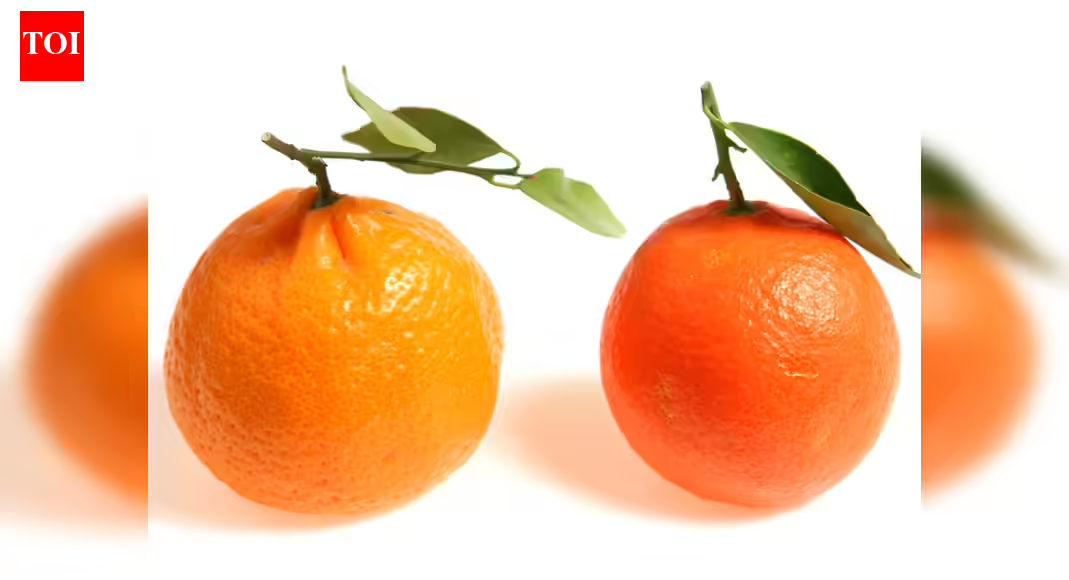
🍊 Quick Comparison: Malta vs Kinnow at a Glance
| Characteristic | Malta | Kinnow |
|---|---|---|
| Botanical Classification | Citrus sinensis (Sweet Orange family) | Citrus nobilis × Citrus deliciosa (Mandarin hybrid) |
| Skin Texture & Thickness | Smooth, thin, tightly adhering to flesh | Thicker, slightly rough, easily peelable |
| Skin Color | Light to medium orange, sometimes reddish hue (blood orange varieties) | Bright deep orange to reddish-orange, glossy appearance |
| Taste Profile | Sweet, mild, less acidic, gentle citrus flavor | Tangy, slightly sour, more acidic, pronounced citrus sharpness |
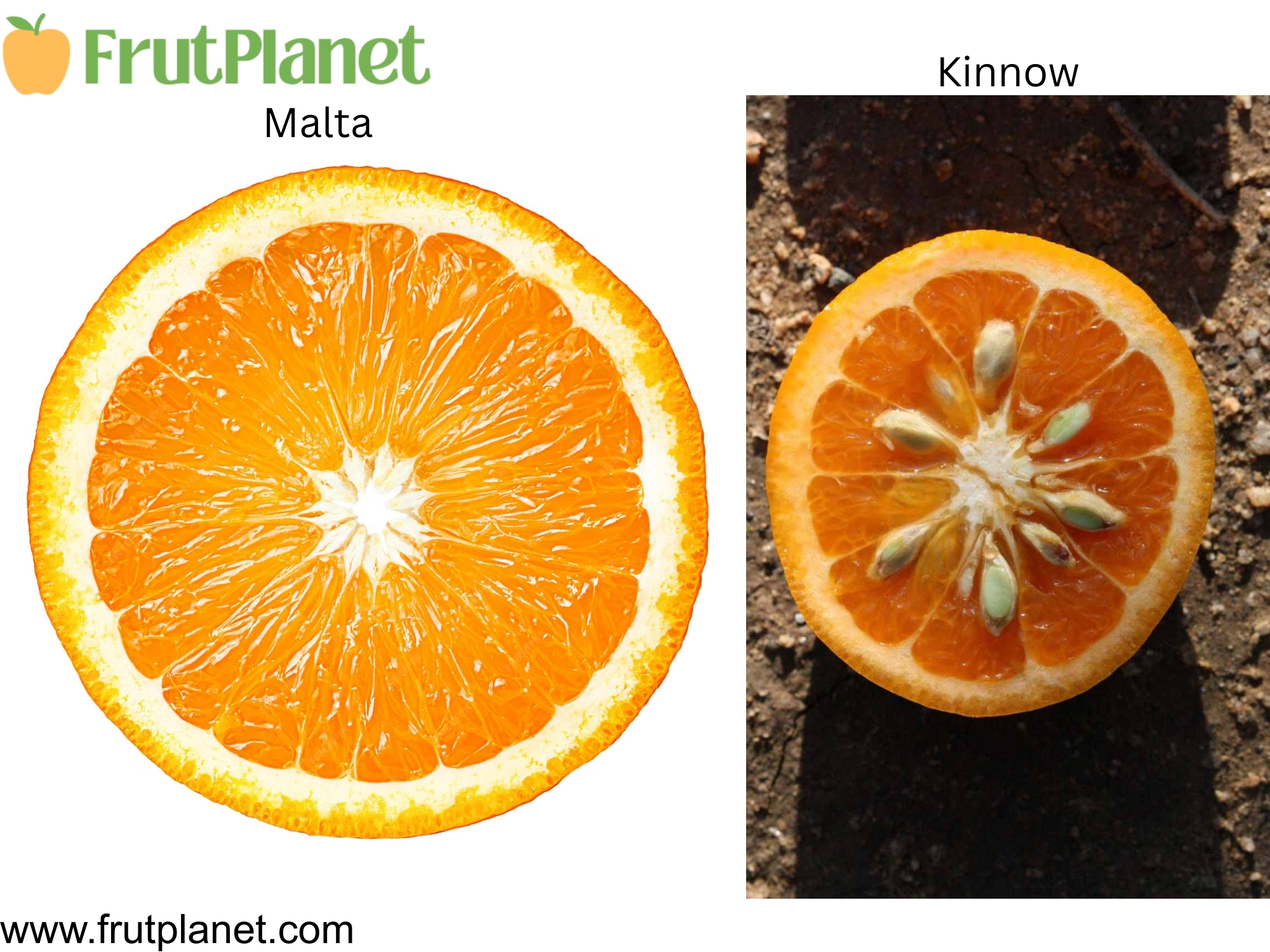
| Seed Content | Fewer seeds (typically 0-6 per fruit), easier fresh consumption | Higher seed count (8-15+ per fruit), inconvenient for direct eating |
| Juice Content | Moderate to good juice yield, standard extraction efficiency | Exceptionally high juice content, premium processing variety |
| Segment Structure | Tightly packed segments, difficult individual separation | Looser segment structure, easier segment separation |
| Peeling Ease | More difficult to peel, knife often required | Very easy hand-peeling, convenient snacking fruit |
| Primary Growing Regions | Uttarakhand hills (blood orange), Central/Western India, various states | Punjab (India/Pakistan primary), Rajasthan, Haryana, Sargodha (world's largest) |
| Harvest Season | Variable December-March depending on variety and location | December-February, peak mid-January to mid-February |
| Market Share India | ~30% of total citrus cultivation area (sangtra/sweet orange) | Most widely planted mandarin, extensive Punjab cultivation |
| Optimal Usage | Fresh consumption, squash, sweets, marmalade, direct eating | Juice extraction, commercial processing, cold-pressed juice industry |
Botanical Classification and Genetic Origin Differences
Malta fundamentally belongs to Citrus sinensis, the true sweet orange species within the broader Rutaceae family. Sweet oranges like Malta evolved through natural hybridization between pomelo (Citrus maxima) and mandarin (Citrus reticulata) centuries ago. This ancient genetic foundation produces the characteristic sweet, mild flavor profile, smooth skin texture, and tightly integrated segment structure that defines modern sweet orange varieties cultivated globally.
Malta specifically refers to sweet orange varieties grown throughout India, particularly blood orange strains cultivated in Uttarakhand hill regions. The distinctive reddish flesh coloration develops through anthocyanin pigment accumulation in response to cooler nighttime temperatures during fruit maturation. Blood orange Malta varieties command premium specialty market pricing, emphasizing their unique appearance, enhanced antioxidant content, and exclusive sourcing from limited hillside growing regions that creates scarcity value.
Kinnow represents a deliberate hybrid creation developed through controlled crossbreeding at the University of California Citrus Experiment Station. Howard B. Frost combined King mandarin (Citrus nobilis) with Willow Leaf mandarin (Citrus deliciosa) to create this commercial variety. The intentional hybridization aimed to combine superior characteristics: high productivity from King mandarin, exceptional juice content from Willow Leaf mandarin, and enhanced climatic adaptation enabling cultivation across semi-arid regions where conventional citrus varieties struggle.
Genetic distinctions between Malta and Kinnow manifest through observable morphological differences. Malta trees typically reach 6-8 meters height, exhibiting rounded dense canopy structure with glossy green leaves that lack the prominent petiole wings characteristic of many mandarin varieties. Kinnow trees grow 4-6 meters under optimal conditions, developing moderately thorny branches with dark green aromatic leaves featuring small petiole wings—a morphological trait inherited from mandarin parentage.
Physical Appearance and Morphological Characteristics
Malta fruit exhibits smooth, thin skin that adheres tightly to the internal flesh. The coloration ranges from light to medium orange, occasionally developing reddish hues in blood orange varieties grown in cooler hillside locations where temperature fluctuations trigger anthocyanin synthesis. The skin surface appears relatively uniform without pronounced oil gland visibility, creating a smooth, glossy finish when fruits reach optimal maturity.
Fruit shape tends toward perfectly spherical or slightly oblate configurations measuring 6-8 centimeters in diameter. Size variation within individual trees remains modest, reflecting consistent genetic expression and stable fruit development patterns. This uniform sizing supports commercial packing operations, attractive retail presentation, and consumer preferences for consistent appearance as a quality indicator.
Kinnow presents distinctively bright orange to deep reddish-orange coloration with notably glossy skin surface. This creates visually appealing commercial presentation that commands consumer attention in fresh fruit markets. Skin thickness substantially exceeds Malta varieties, measuring 3-4 millimeters compared to Malta's thinner 2-3 millimeter skin. The thicker skin enhances transportation durability and extends shelf life, supporting long-distance distribution and export market opportunities.
Surface texture appears slightly rougher than Malta, exhibiting visible oil gland distribution that creates subtle textured appearance. Fruit shape is characteristically flattened at stem and blossom ends, creating an oblate spheroid configuration measuring 6-9 centimeters diameter. Moderate size variation reflects hybrid vigor and environmental growing conditions affecting individual fruit development.
Internal segment structure reveals fundamental differences between varieties. Malta demonstrates tightly packed juice vesicles firmly attached to the surrounding albedo (white pith) layer, creating difficult segment separation that usually requires knife cutting. Juice vesicles appear translucent orange in standard varieties or distinctive red-orange hues in blood orange strains.
Kinnow exhibits looser segment arrangement with juice vesicles less firmly attached, facilitating easier individual segment separation when hand-peeling. However, higher seed content within segments creates consumption inconvenience that offsets structural advantages for fresh eating. In juice processing applications, seeds are removed during extraction operations, eliminating consumer interaction with this disadvantage.
Taste Profile and Flavor Complexity Analysis
Malta characteristically delivers a sweet, mild flavor profile with reduced acidity levels. This creates a gentle citrus taste experience that appeals to consumers preferring less sharp fruit flavors—particularly children, elderly individuals, and those with acid-sensitive digestive systems. Sugar content typically ranges 8-11% total soluble solids (TSS), with acid content of 0.7-1.0%, creating a favorable TSS/acid ratio of 10:1 to 14:1 that indicates balanced sweetness without excessive tartness.
Flavor complexity includes subtle floral notes, mild citrus zest, and a clean finish without lingering bitter aftertaste. Blood orange Malta varieties exhibit additional flavor dimensions including raspberry-like notes, subtle berry undertones, and enhanced sweetness perception resulting from anthocyanin presence that may influence flavor receptor interaction beyond simple sugar-acid balance.
Kinnow presents a pronounced tangy flavor profile characterized by elevated acidity that creates sharp, refreshing citrus taste. This is particularly appreciated during hot weather when acidic beverages provide perceived cooling effects. Sugar content ranges 9-12% TSS with acid content of 1.0-1.5%, producing a TSS/acid ratio of 8:1 to 12:1 that indicates more acidic flavor balance compared to Malta's sweeter profile.
Flavor complexity features bright citrus sharpness, prominent tartness, moderate sweetness preventing excessive sourness, and lingering tangy finish that sustains taste perception beyond initial consumption. This intense flavor profile particularly suits juice applications where dilution through water addition or blending with sweeter fruits moderates excessive acidity, creating more balanced beverage flavor acceptable to broader consumer segments.
Seasonal timing significantly affects flavor development in both varieties. Early-season fruits harvested immediately upon color break exhibit lower sugar accumulation, higher acidity levels, and less developed flavor complexity. Mid-to-late season harvest allows extended on-tree maturation periods that enable maximum sugar synthesis, gradual acid reduction through metabolic conversion, and full flavor compound development that creates optimal eating quality.
🍊 Nutritional Comparison: Malta vs Kinnow Health Benefits
Malta Nutritional Profile (per 100g): Vitamin C 45-53mg, Fiber 2.2-2.4g, Potassium 160-180mg, Folate 30-40mcg, Magnesium 10-12mg, Calcium 40-50mg. Malta provides gentle digestive support, cardiovascular health benefits, moderate antioxidant protection, and sustained energy through balanced natural sugar content without acid-related digestive discomfort.
Kinnow Nutritional Profile (per 100g): Vitamin C 55-65mg (higher than Malta), Fiber 2.4-2.8g, Potassium 180-220mg, Calcium 140-470mg (notably higher for bone health support), Copper 6-8mg, Folate 35-45mcg. Kinnow delivers superior antioxidant capacity, enhanced immune system support, exceptional calcium content supporting bone density, and elevated mineral composition benefiting overall metabolic function.
Health Advantage Kinnow: Higher vitamin C concentration supports enhanced immune function, while elevated calcium levels provide superior bone health benefits. Increased antioxidant content offers better cellular protection against oxidative stress, and higher mineral density supports comprehensive nutritional requirements—particularly beneficial for growing children, pregnant women, and individuals requiring enhanced mineral intake to address deficiency concerns.
Digestive Considerations: Malta's lower acidity suits sensitive digestive systems, acid reflux concerns, and individuals requiring gentle citrus options without gastric irritation. Kinnow's higher acid content may aggravate sensitive stomachs but supports enhanced vitamin C absorption and provides stronger antimicrobial effects that support digestive health through different mechanisms.
Caloric Content Both: Both varieties offer low-calorie nutritious options at 40-60 calories per 100g, making them excellent choices for weight management and diabetes-friendly diets (glycemic index 40-43). Health-conscious consumers appreciate the nutrient-dense profile without excessive caloric contribution.
Seed Content and Fresh Consumption Convenience
Malta demonstrates significantly lower seed content, typically ranging 0-6 seeds per fruit, with many individual fruits containing zero seeds. This creates a seedless eating experience highly valued by consumers preferring convenient fresh consumption without interruption from seed removal. The minimal seed presence results from genetic characteristics of sweet orange varieties that exhibit reduced fertility and lower seed set rates compared to mandarin types.
Fewer seeds dramatically improve fresh eating convenience, allowing uninterrupted consumption that's particularly important for children, elderly consumers with reduced dexterity, and individuals consuming citrus while engaged in other activities. Stopping to remove seeds creates inconvenience that interrupts eating enjoyment. Low seed count represents Malta's primary competitive advantage in fresh fruit markets where consumer preferences strongly favor seedless or low-seed varieties that command premium pricing.
Kinnow exhibits substantially higher seed content ranging 8-15+ seeds per fruit, with individual fruits sometimes containing 20+ seeds. This creates significant consumption inconvenience that deters fresh eating applications despite the attractive flavor profile and excellent nutritional composition. High seed count results from mandarin genetic heritage where fertile parent varieties readily produce viable seeds through self-pollination and cross-pollination with compatible citrus varieties growing nearby.
Elevated seed presence represents a major commercial disadvantage that limits fresh market appeal, particularly in developed export markets including the European Union, United Kingdom, and United States. Consumer preferences in these markets strongly favor seedless or low-seed citrus varieties, making premium positioning impossible for conventional high-seed Kinnow selections regardless of superior juice content or nutritional advantages.
Seedless Kinnow variety development has addressed this commercial disadvantage through deliberate breeding programs. The University of California Riverside produced 'Kinnow LS' (Low Seed), achieving reduced seed count while maintaining desirable juice content, flavor profile, and agronomic characteristics. However, adoption remains limited in traditional Punjab growing regions where conventional seeded varieties dominate production due to established cultivation practices and processing-oriented market channels where seed presence creates minimal disadvantage since extraction operations remove seeds during juice production.
| Comparison Factor | Malta | Kinnow | Winner/Advantage |
|---|---|---|---|
| Sweetness Level | High sweetness, mild flavor (TSS 8-11%) | Moderate sweetness, tangy character (TSS 9-12%) | Malta (sweeter, less acidic) |
| Juice Yield | Moderate 40-50% juice by weight | Exceptional 50-60% juice by weight | Kinnow (superior juice extraction) |
| Peeling Convenience | Difficult, often requires knife | Very easy hand-peeling | Kinnow (consumer convenience) |
| Seed Count | Low 0-6 seeds per fruit | High 8-15+ seeds per fruit | Malta (fresh eating convenience) |
| Vitamin C Content | Moderate 45-53mg per 100g | Higher 55-65mg per 100g | Kinnow (enhanced immunity) |
| Calcium Content | Moderate 40-50mg per 100g | High 140-470mg per 100g | Kinnow (bone health superior) |
| Shelf Life | Moderate 2-3 weeks ambient | Better 3-4 weeks ambient (thicker skin) | Kinnow (transportation durability) |
| Fresh Eating Experience | Excellent (sweet, fewer seeds) | Poor (many seeds despite good flavor) | Malta (consumer preference) |
| Juice Processing Suitability | Good but lower yield | Excellent (industry standard) | Kinnow (commercial processing) |
| Cold Storage Capability | Good 60-90 days at 4-5°C | Better 60+ days with waxing treatment | Kinnow (extended storage) |
Cultivation Requirements and Geographic Distribution
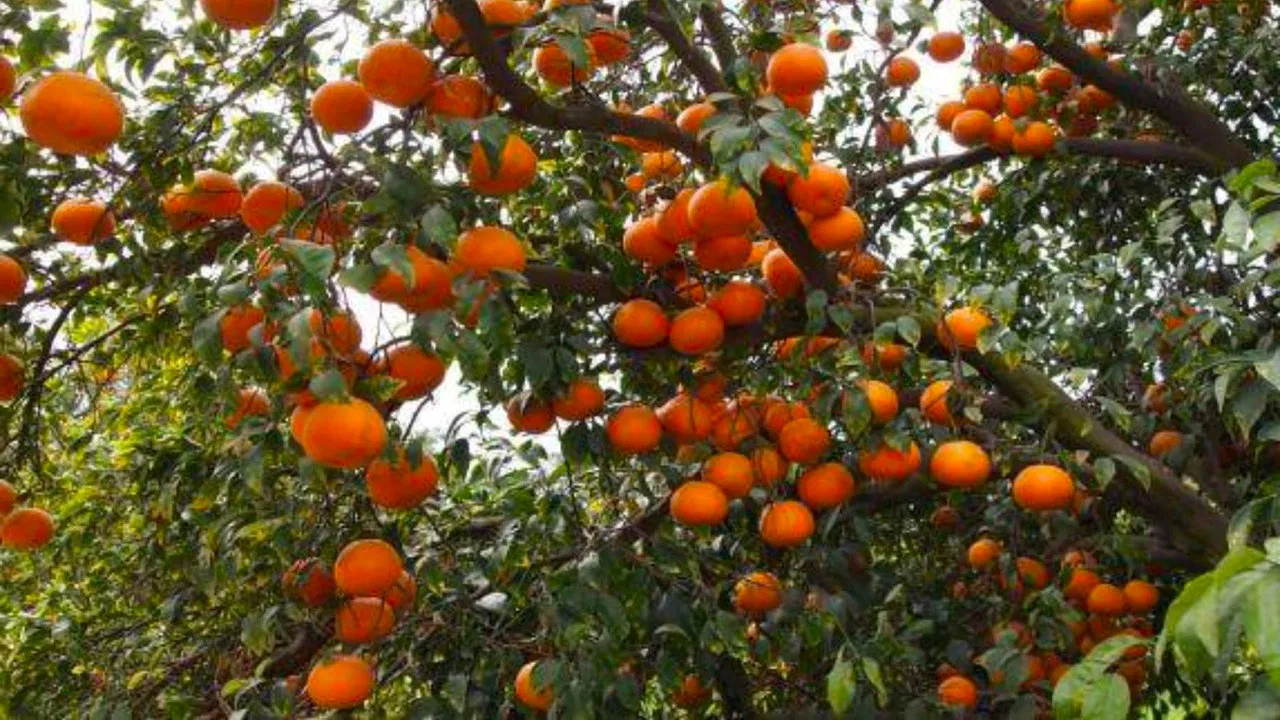
Malta cultivation concentrates throughout Central and Western India, including Maharashtra, Madhya Pradesh, and Rajasthan, where moderate climate conditions support sweet orange production without extreme temperature fluctuations that could damage sensitive flowering or fruit development stages. Uttarakhand hill regions particularly specialize in blood orange Malta varieties, leveraging cooler mountain climate where nighttime temperature drops during fruit maturation trigger anthocyanin synthesis that produces distinctive red flesh coloration commanding premium pricing in specialty markets.
Sweet orange cultivation requires well-drained loamy soils with pH 6.0-8.0, annual rainfall of 900-1500mm or equivalent irrigation, and temperature ranges of 20-30°C during the growing season. While trees tolerate brief cold periods down to 2-3°C without severe damage, proper site selection, adequate drainage infrastructure to prevent waterlogging and root rot, and balanced fertilization programs supporting vigorous growth represent critical management requirements for commercial viability and sustained productivity across multi-decade orchard lifespans.
Kinnow cultivation overwhelmingly concentrates in the Punjab region spanning the India-Pakistan border, where semi-arid climate with hot dry summers and cool winters provides optimal conditions for achieving exceptional yields, superior juice content, and consistent quality meeting commercial processing specifications. Sargodha district in Pakistani Punjab represents the world's largest Kinnow producing region, with thousands of hectares dedicated to intensive cultivation supporting robust export trade targeting Middle Eastern markets including Iran, UAE, and Saudi Arabia.
Indian Punjab, Haryana, Rajasthan, and portions of Uttar Pradesh also cultivate significant Kinnow acreage, leveraging similar climatic advantages and irrigation infrastructure that enables controlled water delivery. Strategic flowering induction through managed water stress periods manipulates vegetative versus reproductive growth patterns, optimizing harvest timing and yield potential. Kinnow demonstrates superior drought tolerance and heat adaptation compared to Malta, enabling cultivation across semi-arid zones unsuitable for moisture-demanding sweet orange varieties.
This environmental adaptability stems from mandarin genetic heritage where parent varieties evolved in regions experiencing pronounced wet-dry seasonal patterns, developing physiological mechanisms for conserving water during stress periods and rapidly resuming growth when moisture becomes available. However, Kinnow requires specific chilling during winter months to induce proper flowering synchronization—essential for concentrated harvest periods manageable within labor and packing infrastructure constraints.
Juice Content and Commercial Processing Applications
Kinnow achieves recognition as the premier juice variety throughout the South Asian citrus processing industry. Its exceptional juice content of 50-60% total fruit weight substantially exceeds Malta's moderate 40-50% yield, creating significant commercial advantages for processing operations where juice extraction efficiency directly impacts profitability. Raw material costs represent a major expense component in processed beverage manufacturing, making high juice content critically important.
The juice flavor profile featuring pronounced tanginess and elevated vitamin C content creates distinctive taste characteristics valued by consumers seeking authentic citrus flavor experiences. This differentiates Kinnow from milder, less-acidic orange juice varieties that may be perceived as lacking flavor intensity or citrus authenticity. Commercial juice operations throughout the Punjab region process millions of kilograms of Kinnow annually, supplying domestic beverage industry and growing export markets throughout the Middle East and Southeast Asia.
Malta juice production represents a secondary market opportunity where fresh consumption demand creates the primary commercial focus due to superior eating characteristics including lower seed count, sweeter flavor profile, and convenient consumption experience. Juice extraction from Malta produces a milder, less-acidic beverage appealing to consumers preferring gentle citrus flavors without sharp tartness that could overwhelm sensitive palates or cause digestive discomfort in acid-sensitive individuals.
Lower juice yield creates commercial disadvantage for dedicated processing operations where maximizing extraction efficiency determines competitive positioning and profitability margins. However, Malta juice commands premium positioning in specialty markets emphasizing gentle flavor profiles, organic production methods, or unique blood orange varieties offering distinctive red coloration and enhanced antioxidant marketing claims that support elevated pricing justifying lower extraction efficiency through enhanced per-unit revenue generation.
The cold-pressed juice industry particularly values Kinnow's exceptional juice content, supporting premium product positioning that emphasizes minimal processing, maximum nutrient retention, and authentic flavor delivery. This contrasts with heat-treated shelf-stable juice products that experience thermal degradation affecting vitamin content, flavor compound volatility, and overall quality perception among health-conscious consumers willing to pay premium pricing for perceived superior nutritional value and taste experience.
🎯 Key Differences Summary: Malta vs Kinnow Selection Criteria
- Botanical Identity: Malta = Citrus sinensis (sweet orange family), Kinnow = Citrus nobilis × Citrus deliciosa (mandarin hybrid). These fundamental genetic differences create all observable characteristic variations between varieties, including appearance, taste, nutrition, and cultivation requirements.
- Taste Profile Distinction: Malta delivers sweet, mild, low-acid flavor (TSS/acid 10:1-14:1) appealing to consumers preferring gentle citrus, while Kinnow provides tangy, acidic, pronounced citrus flavor (TSS/acid 8:1-12:1) suited for refreshing beverages and processing applications requiring intense flavor profiles.
- Fresh Eating Advantage Malta: Lower seed count (0-6 seeds), sweeter flavor, and tightly-packed segments create superior fresh consumption experience, though difficult peeling requires knife assistance. Preferred by consumers prioritizing convenient seed-free eating over peeling ease.
- Juice Processing Advantage Kinnow: Exceptional 50-60% juice yield versus Malta's 40-50%, elevated vitamin C content, distinctive tangy flavor, and thick durable skin support commercial processing operations. Industry standard for cold-pressed juice manufacturing throughout the Punjab region.
- Nutritional Comparison: Kinnow provides superior vitamin C (55-65mg vs 45-53mg per 100g) and exceptional calcium content (140-470mg vs 40-50mg) supporting enhanced immunity and bone health, while Malta offers gentler digestive experience suitable for acid-sensitive individuals without gastric irritation concerns.
- Consumer Selection Guidelines: Choose Malta for fresh eating enjoyment prioritizing sweet flavor and minimal seeds. Select Kinnow for juice extraction, vitamin C supplementation, calcium intake, and refreshing tangy citrus experience while accepting higher seed count inconvenience during fresh consumption attempts.
Market Positioning and Commercial Applications
Malta occupies premium fresh fruit market segments targeting consumers who value sweet, mild flavor profiles, convenient fresh eating experiences, and gentle digestive characteristics. This positioning particularly suits children, elderly individuals, and acid-sensitive consumers seeking citrus nutrition without sharp acidic intensity that could cause discomfort or palatability concerns. Premium positioning supports elevated pricing compared to commodity citrus varieties, especially when blood orange strains featuring distinctive red flesh command specialty market premiums emphasizing unique appearance and enhanced antioxidant content.
Fresh market focus creates direct consumer relationships through retail channels, farmers markets, and premium grocery positioning where appearance quality, consistent sizing, and minimal blemishes determine commercial value. This supports careful harvest practices, gentle handling protocols, and premium packaging presentations that maintain fruit integrity throughout distribution systems. Marketing strategies emphasize natural sweetness, family-friendly appeal, and versatile culinary applications including fresh consumption, squash production, sweet manufacturing, and marmalade preparation.
Kinnow dominates the commercial juice processing sector throughout the Punjab region, where exceptional juice content, distinctive tangy flavor, and concentrated production volumes support large-scale operations supplying domestic beverage industry and growing export markets throughout the Middle East, Southeast Asia, and emerging international destinations. Processing orientation creates bulk commodity market characteristics where volume production, consistent quality specifications, and competitive pricing determine commercial success rather than premium positioning strategies.
However, fresh market opportunities exist for Kinnow, particularly during peak season January-February when abundant supply, attractive appearance, and competitive pricing attract consumers willing to accept higher seed count inconvenience to obtain affordable citrus nutrition during winter months. Strategic marketing emphasizing exceptional nutritional content—particularly elevated vitamin C and calcium levels—superior juice yield for home juicing applications, and authentic tangy citrus flavor appeals to health-conscious consumers, fresh juice enthusiasts, and individuals seeking bold citrus taste experiences.
Export market development represents contrasting opportunities for both varieties. Malta faces limitations from transportation sensitivity due to thinner skin, moisture loss concerns, and shorter shelf life that constrains long-distance distribution capabilities, particularly ocean freight requiring 2-4 weeks transit. Kinnow alternatively demonstrates superior export potential through thicker protective skin, extended shelf life, and documented success in Middle Eastern export markets where established trade relationships and consumer acceptance support growing volumes despite competition from alternative citrus origins.
Frequently Asked Questions About Malta and Kinnow Differences
Consumer Selection and Usage Recommendations
Selecting between Malta and Kinnow depends primarily on intended usage patterns, individual taste preferences, nutritional priorities, and practical convenience considerations. Fresh consumption emphasis strongly favors Malta where lower seed count dramatically improves eating experience by eliminating constant seed removal interruptions, while the sweeter, milder flavor profile appeals to broader consumer demographics including children and elderly individuals preferring less acidic fruits. Established fresh market positioning supports reliable availability through retail channels specializing in premium fresh produce targeting quality-conscious consumers willing to pay elevated pricing for superior eating characteristics.
Malta particularly suits families with young children where seed presence creates choking hazards and eating frustration, individuals with acid-sensitive digestive systems requiring gentle low-acid fruit options, and consumers preferring traditional sweet orange flavor profiles familiar from conventional orange consumption patterns established through childhood experiences and cultural dietary traditions. Blood orange Malta varieties offer additional appeal to specialty food enthusiasts, health-conscious consumers seeking enhanced antioxidant content, and individuals valuing unique culinary ingredients supporting creative cooking applications and distinctive flavor profiles differentiating from conventional citrus selections.
Juice extraction priorities overwhelmingly favor Kinnow where exceptional 50-60% juice yield substantially reduces raw material costs, improving commercial processing economics. The distinctive tangy flavor creates authentic, intense citrus taste valued by consumers seeking traditional juice experiences, while elevated vitamin C content provides nutritional advantages supporting health-conscious marketing positioning. Home juicing applications benefit from Kinnow's superior yield, reducing fruit quantities required to produce desired beverage volumes, while commercial operations leverage processing efficiency advantages supporting competitive pricing in commodity juice markets or premium positioning in cold-pressed specialty segments emphasizing minimal processing and maximum nutrient retention.
Kinnow also suits consumers prioritizing calcium intake where exceptional content (140-470mg per 100g) substantially exceeds Malta levels, supporting bone health particularly important for growing children, postmenopausal women experiencing accelerated bone density loss, and individuals with inadequate dairy consumption failing to meet daily calcium requirements through conventional dietary sources. The tangy, refreshing flavor appeals to consumers preferring bold citrus taste experiences, hot weather refreshment seeking acidic beverages, and individuals finding conventional sweet oranges insufficiently flavorful or lacking characteristic citrus intensity providing satisfying taste perception.
Balanced consumption strategies incorporate both varieties, leveraging complementary characteristics where Malta serves primary fresh eating applications during breakfast, snacking, or dessert contexts prioritizing convenience and pleasant flavor experience, while Kinnow supplies juice extraction providing refreshing beverages, smoothie ingredients, or culinary applications requiring intense citrus flavor concentration. Seasonal availability patterns create natural consumption rotation where both varieties peak in winter months, enabling alternating purchases based on weekly preferences, promotional pricing, or quality variations observed during market selection. Nutritional diversity benefits from consuming multiple citrus varieties where different phytonutrient profiles, vitamin concentrations, and mineral compositions provide broader nutritional coverage compared to exclusive reliance on a single variety.