
🥑 Rudolph Hass: The Milwaukee Mailman Who Revolutionized Avocados
From failed grafting experiment to global agricultural phenomenon
Rudolph Gustav Hass never intended to revolutionize global agriculture. The Milwaukee-born postal worker simply wanted to grow profitable avocados on his small California property. A stubborn seedling that refused grafting attempts became the accidental origin of the world's most popular fruit variety. That single tree's descendants now account for roughly 95% of avocados consumed in the United States and approximately 80% of global avocado production, generating billions in annual agricultural revenue across dozens of countries spanning six continents.
🥑 Source Premium Export-Quality Avocados →The Hass avocado's dominance seems inevitable in hindsight, yet its path to market supremacy involved decades of consumer resistance, grower skepticism, and marketing challenges. Rudolph Hass himself earned less than $5,000 in patent royalties during his lifetime, dying shortly after his 17-year patent expired. His family received no ongoing financial compensation despite the variety's phenomenal commercial success. Understanding how this accidental discovery transformed from an oddity rejected by consumers into the gold standard variety reshaping global food culture, agricultural economics, and dietary patterns provides fascinating insights into innovation, persistence, and the unpredictable nature of agricultural development.
From Milwaukee to California: The Unlikely Horticulturist
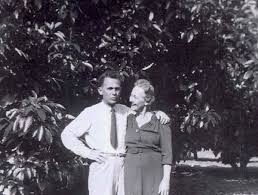
Rudolph Gustav Hass was born in Milwaukee, Wisconsin. He quit formal education after tenth grade at age fifteen, beginning work to support his family during economically challenging times. His early employment included various manual labor positions that taught him work ethic and practical problem-solving skills rather than theoretical horticulture knowledge. Hass met his future wife, Elizabeth Schuette, at a church picnic. She agreed to play piano for his children's ministry work, beginning a courtship that led to marriage and eventual relocation westward.
The Hass family moved to Pasadena, California, seeking opportunities and favorable climate conditions unavailable in Wisconsin's harsh winters. Rudolph initially worked as a door-to-door salesman, first selling men's hosiery and ties, then transitioning to Maytag washing machines. These sales positions provided income while he explored supplemental opportunities. The Pasadena Post Office hired him, offering stable government employment with modest but reliable compensation. His postal route initially required carrying heavy mail sacks on foot, a physically demanding job that later transitioned to automobile delivery as his heart condition worsened and postal operations modernized.
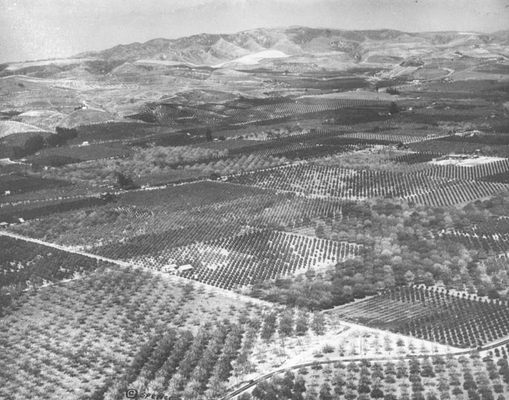
A magazine article illustrating an avocado tree with dollar bills hanging from branches captured Hass's imagination. The subtropical fruit was gaining commercial attention in Southern California's agricultural community. Avocado growing represented a speculative investment requiring initial capital, patience waiting for trees to mature, and practical agricultural knowledge. Hass scraped together personal savings and borrowed money from his sister Ida to purchase a small acre-and-a-half property at 430 West Road in La Habra Heights. The existing grove contained older Fuerte avocado trees along with a few Lyon, Puebla, and Nabal varieties representing the genetic diversity available to early avocado horticulturists.
The Accidental Discovery: When Grafting Fails Successfully
Fuerte represented the premium avocado variety during the mid-1920s, commanding strong market prices and consistent consumer demand. The variety's smooth green skin, reliable production, and pleasant flavor made it the commercial standard. Hass couldn't afford to purchase many expensive Fuerte trees, so he developed an alternative strategy. He would buy inexpensive avocado seeds, grow seedlings, then graft them with Fuerte cuttings to convert cheap rootstock into valuable producing trees. This approach leveraged grafting techniques common in fruit tree cultivation, allowing orchardists to combine desirable fruit characteristics with robust root systems suited to local soil and climate conditions.
Hass hired professional grafter Mr. Caulkins, who advised purchasing avocado seeds from A.R. Rideout's nursery. Rideout was an innovative but unconventional seedsman who collected avocado seeds from diverse sources including restaurant food scraps, neighbors' trees, and various commercial operations. This eclectic sourcing meant seed genetics were unknown and unpredictable. Rideout's seedlings grew in small tarpaper tubes, planted directly at orchard spacing of twelve feet between positions. Hass planted three seeds per location, allowing competition to determine the strongest survivor that would receive grafting attention once established.
The grafting proceeded successfully on most seedlings. Fuerte cuttings "took" to the new rootstock, forming vascular connections enabling nutrient flow between root system and grafted upper tree. However, three seedlings rejected the initial Fuerte grafts. Caulkins re-grafted these resistant specimens. Two accepted the second grafting attempt, but one particularly stubborn seedling rejected every effort to accept Fuerte genetics. Hass instructed Caulkins to chop down the problematic tree, viewing it as a failed investment occupying valuable space. The professional grafter disagreed, noting the seedling exhibited exceptional vigor and growth characteristics despite its stubborn refusal to accept grafts. He advised leaving it alone to see what fruit it would eventually produce naturally.
This advice proved transformative. The ungrafted seedling grew rapidly, producing fruit significantly earlier than typical avocado trees. Most Fuerte trees required five or more seasons before meaningful harvest began. Hass's rebellious seedling bore three walnut-sized fruits when the trunk measured only half an inch thick and the tree stood just fourteen inches tall, demonstrating precocious fruiting unprecedented in Hass's limited horticultural experience. Elizabeth Hass photographed her husband kneeling beside the diminutive tree, one tiny avocado hanging over his hand in a image that his grandson Thomas Wilkes later immortalized in a painted portrait capturing this pivotal moment in agricultural history.
🥑 The Grafting Failure That Changed Agriculture
| Characteristic | Fuerte (Dominant Variety) | Hass Mystery Seedling |
|---|---|---|
| Skin Texture | Smooth, thin, glossy green surface | Rough, pebbly, thick bumpy texture |
| Ripening Color | Remains green when ripe | Turns purplish-black indicating ripeness |
| Fruit Size | Medium 170-250 grams typical | Large 200-300 grams average weight |
| Flesh Texture | Smooth but less creamy consistency | Exceptionally creamy, butter-like texture |
| Flavor Profile | Mild pleasant avocado taste | Rich nutty flavor, higher oil content |
| Shelf Life | Moderate shipping durability | Extended shelf life, leathery skin protection |
| Tree Growth | Spreading horizontal branch structure | Upright vertical growth, space-efficient |
| Production Timing | Seasonal peak November-March | Extended harvest April-November advantage |
| Yield Characteristics | Moderate consistent annual production | High yields but alternate bearing tendency |
| Cold Tolerance | Better frost resistance | Lower cold tolerance, warm climate preference |
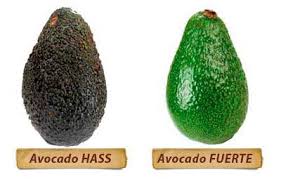
As the mystery tree matured, it developed characteristics distinctly different from prevailing commercial varieties. The fruit grew larger than Fuerte avocados, with unusual rough pebbly skin texture rather than smooth surfaces consumers expected. Most dramatically, the skin turned from dark green to purplish-black when ripe, a color change that would later become the Hass variety's trademark characteristic. When Hass's children sampled the peculiar-looking fruit, they discovered exceptional eating quality. The flesh exhibited remarkable creaminess, with rich nutty flavor surpassing Fuerte's milder taste. The family quickly came to prefer these odd-looking avocados over the premium Fuerte variety dominating California markets.
Commercial Development and Market Resistance
Recognizing potential commercial value, Hass began sharing excess fruit with coworkers at the Pasadena Post Office. Recipients appreciated the superior eating quality despite initial skepticism about the unattractive dark skin. Word spread beyond postal workers. The Model Grocery Store on Colorado Street in Pasadena began purchasing Hass's unusual avocados, selling them to chefs serving wealthy residents in the affluent community. These culinary professionals recognized exceptional quality, paying one dollar per fruit—an extraordinarily high price equivalent to substantial modern value, reflecting premium positioning among discriminating buyers willing to overlook unconventional appearance for superior flavor and texture.
Hass secured a fruit patent, officially documenting his "new and improved variety" with detailed description emphasizing excellent shipping qualities, leathery protective skin, purple coloration, and rich cream-colored flesh possessing butter-like consistency without fibrous texture, with excellent nutty flavor distinguishing it from existing commercial varieties. The patent provided 17-year exclusivity under law prevailing at that time. Hass signed an agreement with Harold Brokaw, a Whittier nurseryman, establishing a licensing arrangement where Brokaw would propagate and sell grafted Hass avocado trees, splitting proceeds 75% to Brokaw and 25% to Hass for patent rights.
Brokaw faced significant challenges marketing the new variety. Consumer resistance to the black-skinned avocados ran deep. Buyers associated dark coloration with overripe or spoiled fruit, making them hesitant to purchase unusual-looking produce. Smooth green Fuerte avocados had established strong consumer preferences and market expectations. The rough pebbly texture seemed unappealing compared to Fuerte's attractive glossy appearance. Educational marketing proved necessary, explaining that dark skin indicated optimal ripeness rather than deterioration, and that the unusual appearance concealed superior eating quality worth premium pricing.
Despite marketing challenges, Brokaw recognized competitive advantages that ultimately proved decisive. Hass trees produced substantially higher yields than Fuerte, providing economic benefits offsetting consumer preference obstacles. The upright growth pattern allowed denser planting, fitting more trees per acre and improving land-use efficiency. The extended harvest season from May through November complemented Fuerte's November through March availability, enabling year-round fresh avocado supply when multiple varieties were planted together. The thick leathery skin provided natural protection during shipping, reducing damage and waste in distribution networks spanning increasing distances as California production reached distant markets.
Brokaw specialized in Hass propagation, achieving annual sellout of nursery stock ranging from three thousand to ten thousand trees yearly depending on demand fluctuations. Trees commanded five dollar wholesale prices compared to Fuerte pricing ranging from $3.50 during favorable years down to $1.25 during market gluts. Despite patent protection, enforcement proved virtually impossible. Unscrupulous growers purchased single trees from Brokaw, then illegally propagated additional trees through budwood grafting from that original purchase. This widespread patent violation limited Hass's financial returns to a disappointing $5,000 total over the patent's 17-year term, far below the invention's true commercial value and the revolutionary impact it would ultimately achieve in reshaping global avocado markets.
Genetic Heritage: Unraveling the Mystery Parentage
The original Hass tree's genetic background remained unknown for decades. A.R. Rideout's eclectic seed-sourcing methods meant parentage could have originated from any of hundreds of possible trees growing throughout Southern California. Restaurant food scraps, neighbors' backyard trees, and commercial orchards all contributed seeds to Rideout's inventory, creating genetic lottery conditions. Early speculation suggested various possibilities, but without modern genetic analysis tools, definitive identification proved elusive. The mystery added to the variety's mystique while frustrating botanists and horticulturists seeking to understand the genetic combination producing such exceptional commercial characteristics.
Modern genetic research using advanced DNA sequencing technology finally resolved the parentage question. Analysis concluded that Hass represents a natural hybrid between Mexican and Guatemalan avocado varieties, combining approximately 61% Mexican genetics with 39% Guatemalan contribution. This genetic mixture proved fortuitous, bringing together complementary traits from distinct avocado races that evolved in different Central American geographic regions with varied climate conditions and selective pressures shaping their characteristics over millennia before human cultivation began.
Mexican avocado genetics contributed cold tolerance (relatively speaking within subtropical requirements), thin seed-to-flesh ratio maximizing edible portion, and aromatic compounds creating the characteristic nutty flavor profile consumers prize. Guatemalan genetic contribution provided larger fruit size, thick protective skin enabling extended shelf life and shipping durability, and higher oil content producing the creamy texture distinguishing Hass from other varieties. The specific genetic combination emerging from Rideout's random seed selection synthesized advantages from both ancestral races while avoiding major disadvantages characterizing each parent type.
Understanding Hass's genetic heritage helps explain its commercial dominance. The variety essentially represents an evolutionary "superorganism" combining beneficial traits that separately existed in different varieties but rarely occurred together. When discussing the distinct characteristics that differentiate various Hass avocado cultivars in modern production, the Mexican-Guatemalan genetic foundation remains consistent even as selection and cultivation practices have developed regional variations adapted to specific growing conditions, climates, and market preferences across diverse production zones worldwide.
| Genetic Contribution | Source Race | Percentage | Key Traits Inherited |
|---|---|---|---|
| Primary Genetics | Mexican (Persea americana var. drymifolia) | 61% | Cold tolerance, thin seeds, aromatic flavor, anise notes |
| Secondary Genetics | Guatemalan (Persea americana var. guatemalensis) | 39% | Large fruit size, thick skin, high oil content, creaminess |
From Resistance to Revolution: Consumer Acceptance Journey
Initial consumer resistance to dark-skinned avocados persisted for decades. American produce buyers had been conditioned to associate green coloration with freshness and quality. Dark or black coloration triggered rejection responses, as consumers assumed such produce had spoiled or overripened. The Hass variety's appearance violated these expectations dramatically. Even with superior taste, texture, and nutritional content, visual prejudices limited market penetration. Retailers hesitated stocking produce they anticipated consumers would reject, creating distribution challenges that slowed commercial adoption despite enthusiastic support from growers recognizing production advantages.
Clever marketing eventually overcame consumer resistance. Industry promotional campaigns educated shoppers that darkening skin indicated readiness to eat rather than spoilage. The color change actually provided helpful visual cue showing optimal ripeness timing—a practical advantage once consumers understood the characteristic. Marketing emphasized that the unattractive exterior concealed superior eating experience, encouraging shoppers to judge based on taste rather than appearance. Celebrity chef endorsements, cooking demonstrations, and recipe development showcasing Hass avocados in various culinary applications helped normalize the unusual appearance while highlighting versatility.
The health food movement of later decades provided additional marketing momentum. Avocados' nutritional profile featuring healthy monounsaturated fats, fiber, vitamins, and minerals aligned perfectly with emerging dietary recommendations emphasizing whole foods and beneficial fats over processed alternatives. Hass's higher oil content translated to richer nutrient density, making it nutritionally superior to lower-oil varieties. Dietitians and nutritionists began recommending avocados as healthy fat sources, particularly for cardiovascular health. This nutritional endorsement from medical authorities lent scientific credibility that overcame lingering appearance prejudices among health-conscious consumers.
🥑 The Hass Nutritional Advantage
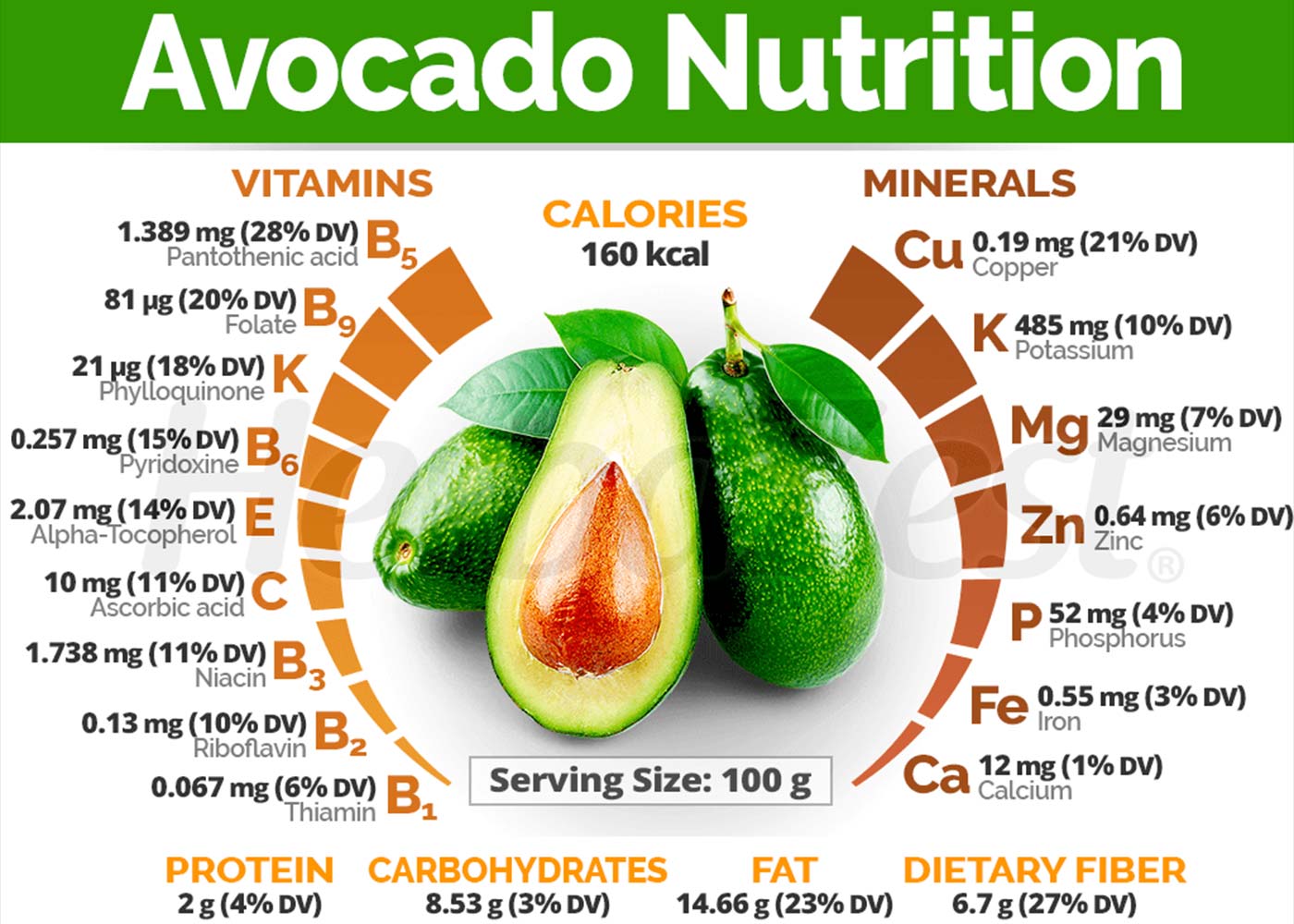
Oil Content: Hass avocados contain 18-22% oil content compared to 8-12% in many other varieties, providing richer texture and higher calorie density (approximately 200-250 calories per average fruit versus 120-150 for lower-oil varieties). The elevated oil concentration comes primarily from beneficial monounsaturated fatty acids, particularly oleic acid associated with cardiovascular health benefits.
Nutrient Density: Higher fat content enables better absorption of fat-soluble vitamins including vitamins A, D, E, and K present in both the avocado itself and other foods consumed alongside it. Studies demonstrate that adding avocado to salads and vegetables significantly increases nutrient absorption from those foods, making Hass an excellent complement to produce with high concentrations of fat-soluble nutrients and carotenoids.
Mineral Profile: Exceptional potassium content (approximately 500mg per 100g serving) exceeds bananas and most other fruits, contributing to blood pressure regulation and cardiovascular health. Significant magnesium (29mg per 100g), copper (19% daily value), and folate (20% daily value) support diverse metabolic functions, energy production, and cellular health maintenance.
Fiber Content: Approximately 7 grams of dietary fiber per average fruit, with 75% insoluble fiber supporting digestive health and 25% soluble fiber contributing to cholesterol management and blood sugar regulation. The fiber content combined with healthy fats creates substantial satiety, helping with appetite control and weight management when incorporated into balanced dietary patterns.
Cultural food trends accelerated Hass dominance beginning in the late twentieth century. Mexican cuisine's growing popularity across the United States normalized avocado consumption, particularly in guacamole applications where Hass's creamy texture and rich flavor proved ideal. Asian fusion cooking incorporated avocados in sushi, spring rolls, and various creative preparations that introduced the fruit to new consumer demographics. The emergence of avocado toast as a cultural phenomenon transformed Hass from specialty produce into mainstream staple, particularly among younger consumers embracing plant-based eating patterns and photogenic food presentation driving social media sharing.
Today, the Hass variety represents approximately 95% of California's avocado production and roughly 80% of global commercial cultivation. Its dominance extends across major producing countries including Mexico (the world's largest producer), Chile, Peru, Colombia, New Zealand, South Africa, Spain, Israel, and emerging production zones in China and various African nations. This near-monopoly by a single variety represents unusual concentration in global agriculture, where diversity typically prevails. The Hass success demonstrates how exceptional characteristics combined with effective marketing can overcome significant initial resistance to create self-reinforcing market dominance that proves nearly impossible for competing varieties to challenge despite ongoing breeding efforts.
The Patent That Paid Too Little: Intellectual Property Lessons
Rudolph Hass received his fruit patent covering the "Hass Avocado Tree" variety. The patent described the invention as a "new and improved variety of avocado tree" that could be asexually reproduced through grafting, maintaining consistent genetic characteristics across propagated generations. Patent duration was seventeen years under law applicable at that time, after which the invention entered public domain allowing unrestricted propagation and commercialization by anyone without license or compensation to the original inventor.
The partnership with Harold Brokaw theoretically provided Hass with 25% of tree sales revenue. Brokaw sold thousands of trees annually during peak demand periods, commanding premium prices reflecting the variety's superior production characteristics and growing market acceptance. However, patent enforcement proved virtually impossible given horticultural realities. A single purchased tree could provide budwood for grafting hundreds or thousands of additional trees through vegetative propagation. Unscrupulous growers bought one legitimate tree from Brokaw, then illegally propagated their entire orchards from that purchase, completely avoiding further license fees or royalty payments.
This widespread patent violation occurred openly with little enforcement possibility. Avocado groves scattered across thousands of small family farms made monitoring impossible. Proving that specific trees originated from illegal propagation rather than legitimate purchases required evidence rarely available. Legal action against individual small-scale growers proved economically impractical, as litigation costs exceeded potential recovery from most violators. The patent system theoretically protected Hass's invention, but practical enforcement limitations rendered that protection largely meaningless, allowing others to profit substantially from his discovery while his direct compensation remained minimal.
Rudolph Hass's Life and Legacy Timeline
Birth in Milwaukee
Rudolph Gustav Hass born to German immigrant parents Henry and Alma Hass. Grows up in working-class Milwaukee neighborhood, quits school after tenth grade to begin full-time employment supporting family during economically challenging period.
Marriage and Family
Meets Elizabeth Schuette at church picnic, begins courtship while she plays piano for his children's ministry. Marries and starts family that eventually includes multiple children who will play crucial role in recognizing special qualities of his experimental avocado tree.
California Migration
Hass family relocates from Milwaukee to Pasadena, California seeking opportunities and favorable climate. Rudolph works as door-to-door salesman before securing position with Pasadena Post Office, initially carrying heavy mail sacks on foot route before transitioning to automobile delivery.
Grove Purchase
Inspired by magazine article, Hass uses savings plus loan from sister to purchase 1.5-acre avocado grove at 430 West Road, La Habra Heights. Property contains older Fuerte, Lyon, Puebla, and Nabal trees. Hass plans to replace poor producers with Fuerte grafts.
Seed Planting
Following professional grafter's advice, Hass purchases avocado seeds from A.R. Rideout's nursery, planting three seeds per location to grow rootstock for Fuerte grafting. Seeds come from unknown diverse sources including restaurant scraps, creating genetic lottery conditions.
Grafting Attempts
Most seedlings successfully accept Fuerte grafts, but one stubborn specimen repeatedly rejects all grafting attempts. Professional grafter Mr. Caulkins advises leaving the vigorous seedling alone rather than destroying it, suggesting value in waiting to see what fruit it naturally produces.
First Fruiting
Ungrafted seedling produces three walnut-sized fruits while still tiny (14" tall, 1/2" trunk diameter), demonstrating precocious fruiting unusual for avocados. Hass's children taste the unusual bumpy-skinned fruit, discovering superior eating quality compared to Fuerte variety. Family begins preferring these odd avocados.
Commercial Recognition
Hass shares excess fruit with Pasadena Post Office coworkers who appreciate exceptional quality. Model Grocery Store on Colorado Street begins purchasing fruit, selling to chefs serving wealthy residents for $1 each—extraordinarily high price reflecting premium positioning despite unconventional appearance.
Patent Granted
Rudolph Hass receives patent for "new and improved variety" emphasizing excellent shipping qualities, leathery skin, purple color, and rich cream-colored flesh with butter consistency, no fiber, and excellent nutty flavor. 17-year patent provides theoretical exclusivity.
Licensing Agreement
Hass signs contract with Harold Brokaw (Whittier nurseryman) for propagation and sales, splitting proceeds 75% Brokaw, 25% Hass. Brokaw begins specializing in Hass variety despite consumer resistance to black-skinned avocados, recognizing superior production characteristics and market potential.
Expansion Attempt
Hass plants 80-acre orchard in Fallbrook, attempting to scale commercial production beyond his original small La Habra Heights grove. The larger operation represents significant investment reflecting growing confidence in his variety's commercial viability and market acceptance trajectory.
First Major Harvest
Fallbrook orchard bears its first commercial crop just as Hass's 17-year patent reaches expiration. Timing proves bittersweet—production scaling arrives precisely when exclusive rights end, allowing unrestricted propagation by competitors who pay no license fees or royalties.
Death and Legacy
Rudolph Hass dies shortly after patent expiration at age 60, having earned less than $5,000 in patent royalties despite creating variety that would dominate global avocado production. His widow Elizabeth receives no ongoing compensation, though the Hass name becomes immortalized in produce aisles worldwide.
Mother Tree Death
Original Hass avocado tree dies after 76 productive years, succumbing to phytophthora root rot after decade-long battle. Tree had stood in front of residence at 426 West Road, La Habra Heights. Wood saved for keepsakes created by Rudolph's nephew Dick Stewart.
Global Dominance
Hass represents approximately 95% of California production, 80% of global cultivation. Variety grown commercially across six continents in dozens of countries. Generates billions in annual agricultural revenue. All trees descended from Rudolph Hass's single stubborn seedling that refused grafting.
Hass's total lifetime patent earnings reached approximately $5,000, a pittance compared to the billions in cumulative revenue generated by his discovery over subsequent decades. The patent expired the same season his Fallbrook orchard began producing its first commercial harvest, eliminating any possibility of future royalties from scaled production. Rudolph Hass died shortly after patent expiration at age 60, never witnessing his variety's eventual global dominance. His widow Elizabeth received no ongoing compensation despite the variety bearing their family name and reshaping worldwide avocado markets.
The Hass family's limited financial benefit from Rudolph's agricultural innovation highlights intellectual property challenges in plant breeding. Modern plant variety protection laws have evolved somewhat, extending protection periods and improving enforcement mechanisms. However, fundamental difficulties remain—vegetative propagation means one purchased plant can generate entire commercial operations, and distributed agricultural production across thousands of small farms makes monitoring and enforcement practically impossible. The Hass case represents a cautionary tale for innovators whose discoveries generate enormous societal value and commercial wealth that largely flows to others rather than the original inventor and family.
Commercial Impact and Global Agricultural Revolution
The Hass variety's commercial success revolutionized global avocado production, transforming the fruit from specialty item limited to subtropical regions into mainstream commodity consumed across diverse climates and cultures. Mexico emerged as the world's largest producer, with Hass accounting for nearly all commercial cultivation in Michoacán's volcanic soil regions that have become synonymous with premium avocado production. Chile, Peru, Colombia, and other Latin American nations developed substantial export-oriented Hass industries, shipping fruit to North American, European, and Asian markets that previously consumed little or no avocados.
California's avocado industry transformed completely around Hass dominance. The variety's 95% market share in California reflects total displacement of Fuerte, Bacon, Zutano, and other varieties that once held significant acreage. Growers recognized Hass's superior yields, extended harvest season, better shipping characteristics, and stronger consumer demand, making conversion economically compelling even when existing groves remained productive. The variety's upright growth pattern allowed denser planting, improving per-acre returns that justified replanting investments. Modern California avocado regions including Ventura, San Diego, and Santa Barbara counties center production almost exclusively on Hass.
International production expansion followed similar patterns. New Zealand's avocado industry developed predominantly around Hass, with Bay of Plenty regions providing ideal growing conditions. South African cultivation focused on Hass for domestic consumption and European export markets. Australian growers converted existing orchards and planted new acreage dedicated to Hass, targeting Asian export opportunities. Spanish production in Andalusia and Mediterranean coastal zones embraced Hass for European Union markets. Even emerging production zones in China and various African nations have centered development around Hass rather than experimenting with alternative varieties, reflecting the cultivar's proven commercial superiority and established market demand.
🎯 The Hass Avocado's Revolutionary Impact
- Accidental Discovery: Rudolph Hass never intended to create a new variety—his discovery resulted from a stubborn seedling that refused Fuerte grafting attempts. The professional grafter's advice to leave the vigorous ungrafted tree rather than destroying it proved transformative. That single decision enabled the accidental hybrid between Mexican (61%) and Guatemalan (39%) avocado genetics that combined complementary traits creating superior commercial characteristics that traditional breeding might never have achieved through deliberate cross-pollination efforts.
- Commercial Dominance: Hass represents approximately 95% of California's avocado production and roughly 80% of global commercial cultivation, generating billions in annual agricultural revenue across dozens of producing countries spanning six continents. This near-monopoly by a single variety is unusual in global agriculture, where diversity typically prevails. The concentration reflects exceptional characteristics that no competing variety has successfully challenged despite ongoing breeding programs attempting to develop successors with improved traits.
- Superior Production: Hass trees produce substantially higher yields than alternatives, with upright growth patterns allowing denser planting (more trees per acre improving land-use efficiency). Extended harvest season (May-November in California) complements rather than competes with Mexican and Latin American production timing, enabling year-round supply. Thick leathery skin provides natural shipping protection reducing damage and waste, while longer shelf life supports extended distribution networks reaching distant markets that older varieties couldn't supply effectively.
- Consumer Advantages: Exceptional creaminess from 18-22% oil content versus 8-12% in many alternatives, rich nutty flavor profile, convenient color-change ripeness indicator (green to purplish-black), larger average fruit size (200-300 grams), and superior nutritional density including high potassium, healthy monounsaturated fats, dietary fiber, and fat-soluble vitamins. These characteristics appeal to health-conscious consumers, culinary professionals, and casual eaters alike, creating broad market appeal across diverse demographics and consumption occasions.
- Limited Financial Return: Rudolph Hass earned only $5,000 in patent royalties during the 17-year patent term, dying shortly after patent expiration without witnessing his variety's eventual global dominance. His family received no ongoing compensation despite the Hass name being immortalized in produce aisles worldwide. Widespread patent violation through illegal propagation, combined with enforcement impracticality across distributed agricultural operations, rendered intellectual property protection largely meaningless despite theoretical legal exclusivity.
- Cultural Transformation: Hass enabled mainstream avocado consumption across diverse cultures and cuisines, supporting growth of Mexican restaurants, sushi establishments, health food movements, plant-based dietary patterns, and social media food trends including avocado toast phenomenon. The variety's characteristics proved ideal for guacamole, sandwich spreads, smoothies, desserts, and countless applications that previous varieties couldn't satisfy as effectively. This culinary versatility accelerated adoption beyond traditional producing regions and Latino communities into mainstream North American, European, and Asian food cultures.
Modern Legacy and Continuing Evolution
The original Hass tree survived for 76 productive seasons before succumbing to phytophthora root rot after a decade-long battle against the fungal disease that commonly affects avocado trees in poorly-drained soils or overly wet conditions. The tree was ceremonially cut down, with its location in front of the residence at 426 West Road, La Habra Heights marked by commemorative plaques honoring its historical significance. Rudolph's nephew Dick Stewart preserved wood from the mother tree, creating keepsakes, jewelry, and commemorative items allowing collectors to own physical pieces of agricultural history from the single tree responsible for global avocado revolution.
All commercial Hass avocados worldwide descend from that single mother tree through vegetative propagation chains extending across multiple generations. Every Hass tree, whether growing in California, Mexico, Chile, New Zealand, or any other location, is genetically identical to Rudolph Hass's original seedling—essentially clones maintaining the exact DNA combination that arose randomly in Rideout's seed lottery. This genetic uniformity creates both advantages and vulnerabilities. Consistent quality and predictable characteristics benefit commercial production and consumer expectations, but lack of genetic diversity increases vulnerability to diseases, pests, or environmental changes that could potentially devastate the entire global Hass industry if a threat emerges that specifically targets this genetic profile.
Plant breeders continue developing new avocado varieties attempting to improve upon Hass or serve niche markets where Hass characteristics prove suboptimal. Efforts focus on enhanced cold tolerance enabling production expansion into cooler climates, earlier or later maturity timing filling seasonal gaps, improved disease resistance (particularly to phytophthora), and variations in size or oil content for specific market segments. Varieties including GEM, Carmen, Lamb Hass, and numerous experimental selections show promise for specialized applications or geographic niches. However, none have seriously challenged Hass's commercial dominance, as consumers and the industry remain committed to the familiar variety despite theoretical improvements offered by newer cultivars.
The Hass family maintains connection to their ancestor's legacy despite receiving no financial benefits from the variety's success. Descendants including Rudolph's last surviving child Charlie Hass and various grandchildren observe with mixture of pride and frustration as their family name appears in supermarkets, restaurants, and produce aisles globally. They correct common misspellings ("Haas") and mispronunciations ("hoss" rather than correct "hass" rhyming with "pass"), preserving accurate attribution for Rudolph's accidental but revolutionary contribution. Family members share stories, photographs, and memories maintaining personal connection to the agricultural innovation that transformed global food systems while providing their ancestor minimal financial reward for the discovery that continues generating billions in commercial value.
Frequently Asked Questions: Rudolph Hass and the Hass Avocado
Conclusion: The Enduring Impact of Accidental Innovation
Rudolph Hass's story represents a remarkable example of how accidental discoveries can reshape entire industries and global markets. His lack of formal horticultural training, dependence on professional advice, willingness to experiment with unconventional approaches, and attention to his children's taste preferences combined to enable revolutionary innovation that trained botanists might have systematically eliminated through conventional practices. The stubborn seedling that refused grafting became the most commercially successful fruit variety of the modern era, demonstrating that breakthrough innovations often arise from unexpected sources through serendipitous circumstances rather than deliberate systematic research.
The contrast between Hass's minimal financial compensation and the variety's enormous commercial success highlights persistent challenges in agricultural intellectual property protection. While patent systems theoretically reward inventors, practical enforcement limitations in agriculture—particularly for vegetatively propagated crops where single plants generate entire commercial operations—often render protection largely meaningless. Rudolph Hass died without significant wealth, his family received no ongoing compensation, yet billions of dollars in cumulative revenue have flowed from his accidental discovery across eight decades of commercial cultivation spanning dozens of countries and six continents.
Today, Hass avocados have become so ubiquitous that most consumers remain unaware of their recent origins or the Milwaukee postal worker who accidentally created them. The variety represents approximately 95% of American consumption and 80% of global production, generating massive agricultural revenue, supporting thousands of farming families, enabling diverse culinary applications, and providing nutritious food to billions of consumers worldwide. Every Hass avocado consumed today—whether on toast in Brooklyn, in guacamole in Mexico City, in sushi in Tokyo, or in smoothies in Sydney—descends genetically from Rudolph Hass's single stubborn seedling that refused grafting but yielded extraordinary fruit that would ultimately revolutionize global agriculture and food culture.