
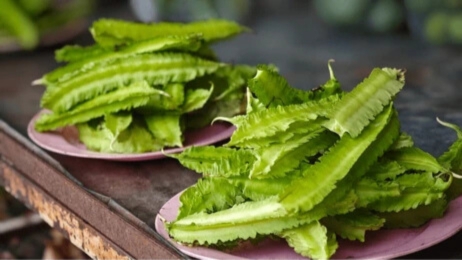
Winged bean pricing demonstrates remarkable complexity as this tropical superfood navigates limited cultivation, premium positioning, and emerging market recognition. Understanding winged bean price structures enables buyers to navigate this specialized market and secure optimal value across diverse applications.
Multiple factors influence winged bean prices including plant part harvested, seasonal timing, growing region, quality grade, and processing requirements. From fresh pods to premium tubers, winged beans command diverse price points reflecting unique characteristics and end-use applications.
Called "supermarket on a vine" for complete plant edibility, winged beans offer protein comparable to soybeans while commanding significant premiums. This comprehensive analysis reveals exactly what drives winged bean pricing and how to maximize purchasing value in this emerging specialty crop market.
Critical Price Intelligence
- Fresh winged bean pods average $8-10 per kg during peak summer season
- Premium winged bean tubers command $40-60 per kg after processing
- Young tender pods retail $6-8 per kg versus mature pods $10-12 per kg
- Export-quality winged beans reach $12-15 per kg wholesale
- Dried mature seeds retail $15-20 per kg for planting and consumption
- Farmgate prices for fresh pods range $4-6 per kg in producing regions
- Kenyan export-grade winged beans average $10-14 per kg premium quality
Source Premium Winged Beans from Kenyan Exporters
Buy Winged Beans Online - Fresh From Kenya →Understanding Winged Bean Price Structure
Winged bean pricing operates through interconnected market tiers spanning farmgate production through specialized retail channels. Comprehending these structures clarifies where value emerges for different purchasing scenarios and end-use applications.
Fresh Pod Pricing Fundamentals
Fresh winged bean pods form the primary commercial product averaging $8-10 per kg in major Asian markets during peak summer season. These prices reflect landed costs including cultivation, harvesting, and initial distribution margins through vegetable market channels.
Young tender pods harvested at 4-6 inches length retail $6-8 per kg targeting fresh vegetable consumption. The delicate texture and mild asparagus-like flavor justify premium positioning versus conventional green beans at $2-4 per kg.
Mature pods reaching 8-10 inches command $10-12 per kg reflecting fuller seed development and enhanced protein content. These larger specimens suit cooking applications including stir-fries, curries, and traditional Southeast Asian preparations.
Peak season abundance during summer months creates optimal supply conditions. However, limited cultivation outside traditional Southeast Asian regions maintains elevated pricing versus mass-market vegetables.
Premium Tuber Market Dynamics
Winged bean tubers represent the highest-value product segment commanding $40-60 per kg after processing in specialized Thai markets. This extraordinary pricing reflects unique production requirements and scarcity.
Tuber development requires 6-month growing period versus 2-3 months for pod production. Extended cultivation increases land use costs and capital requirements creating natural price premiums.
Only 38 out of 189 winged bean genotypes produce tubers according to agricultural research. This genetic limitation restricts supply creating scarcity dynamics supporting premium pricing.
Harvesting requires complete plant removal and root excavation followed by 2+ hours boiling time for food safety. Labor-intensive processing adds significant costs justifying elevated retail rates.
Limited production concentrated in specific Thai districts like Photharam creates geographic scarcity. Specialty knowledge required for tuber cultivation restricts expansion limiting supply growth.
| Product Type | Price Range ($/kg) | Market Position | Primary Applications |
|---|---|---|---|
| Young Tender Pods | $6 - 8 | Fresh vegetable market | Salads, light cooking, premium restaurants |
| Mature Fresh Pods | $8 - 10 | Standard vegetable retail | Stir-fries, curries, traditional cooking |
| Peak Quality Pods | $10 - 12 | Premium/export grade | International markets, specialty stores |
| Dried Mature Seeds | $15 - 20 | Specialty health food | Protein supplement, traditional medicine |
| Processed Tubers | $40 - 60 | Ultra-premium specialty | Traditional delicacy, special occasions |
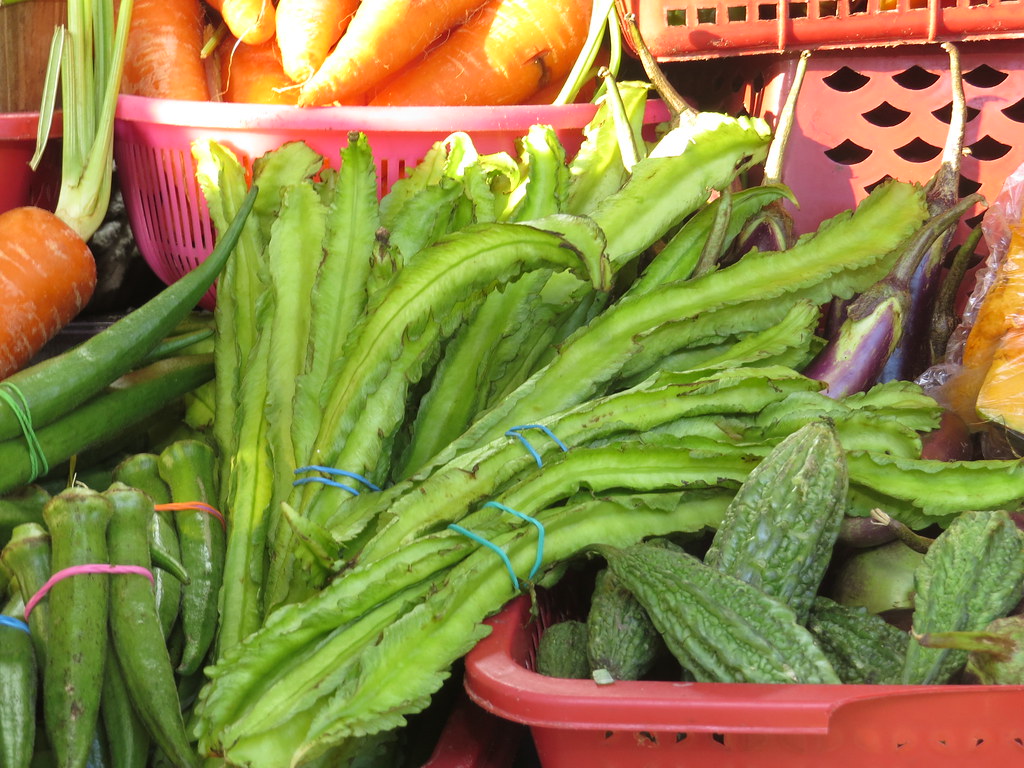
Regional Price Variations Across Markets
Geographic location creates substantial winged bean price differentials reflecting production concentration, market development, and supply chain economics across tropical and temperate regions.
Southeast Asian Production Centers
Southeast Asia dominates winged bean cultivation creating most competitive pricing structures. Thailand leads production with established cultivation traditions supporting robust market infrastructure.
Thai domestic markets price fresh pods $6-8 per kg retail during peak season reflecting abundant local supply. Bangkok wholesale markets serve as regional pricing benchmarks for Southeast Asian trade.
Farmgate prices in Thai growing regions reach $4-6 per kg for fresh pods. Direct producer purchases offer maximum value for buyers willing to manage logistics and quality assurance.
Indonesian markets demonstrate similar pricing at $7-9 per kg retail depending on island location and seasonal timing. Java and Sumatra production centers offer most competitive rates.
Philippines retail markets price winged beans $8-10 per kg reflecting moderate domestic production supplemented by regional imports. Manila serves as primary distribution hub.
Papua New Guinea represents traditional growing region with indigenous cultivation expertise. Local markets average $5-7 per kg reflecting subsistence farming economics and limited commercial infrastructure.
African Market Opportunities
African tropical regions demonstrate emerging winged bean cultivation with Kenya leading premium export production. East African growing conditions prove ideal for quality development.
Kenyan export-grade winged beans average $10-14 per kg wholesale reflecting premium quality standards and established supply chains. Highland growing regions near Mount Kenya produce exceptional specimens.
Kenyan domestic markets price fresh pods $8-12 per kg retail serving urban consumers and hospitality sectors. Nairobi wholesale markets connect producers with diverse distribution channels.
West African markets including Nigeria and Ghana demonstrate limited production with prices reaching $12-15 per kg retail. Import dependency from Asian sources creates elevated pricing.
Southern African regions show minimal commercial production with specialty stores charging $15-20 per kg for imported product. Market development opportunities exist for local cultivation initiatives.
Export Market Premium Positioning
International export markets command substantial premiums reflecting long supply chains, specialized handling, and premium positioning in destination countries.
European specialty stores price winged beans $18-25 per kg retail targeting Asian diaspora communities and adventurous consumers. London, Paris, and Amsterdam serve as primary import hubs.
North American markets including US and Canada reach $20-28 per kg retail at Asian supermarkets and specialty grocers. California and New York metropolitan areas demonstrate highest volumes.
Middle Eastern markets particularly UAE price $15-22 per kg serving substantial South Asian expatriate populations. Dubai serves as regional distribution center.
Australian markets average $15-20 per kg retail with established Southeast Asian communities creating steady demand. Sydney and Melbourne lead consumption.
| Region/Market | Fresh Pods ($/kg) | Market Development | Price Drivers |
|---|---|---|---|
| Thailand (Domestic) | $6 - 8 | Mature market, high supply | Local production, traditional demand |
| Indonesia/Philippines | $7 - 10 | Established regional markets | Moderate production, island logistics |
| Papua New Guinea | $5 - 7 | Traditional subsistence | Indigenous cultivation, limited commercial |
| Kenya (Export) | $10 - 14 | Premium export focus | Quality standards, export infrastructure |
| West Africa | $12 - 15 | Emerging markets | Limited production, import dependency |
| Europe/North America | $18 - 28 | Specialty import markets | Long supply chains, premium positioning |
Factors Driving Winged Bean Pricing
Multiple interconnected factors influence winged bean prices creating dynamic market conditions requiring careful analysis for strategic purchasing and selling decisions.
Seasonal Production Cycles
Seasonal timing creates 30-50% price swings between peak abundance and off-season scarcity. Summer production peaks coincide with optimal tropical growing conditions reducing prices through supply abundance.
Peak season June through September delivers maximum supply volumes driving fresh pod prices down to $6-8 per kg retail in producing regions. Buyers maximize value during these abundance windows.
Off-season periods October through May see reduced production creating scarcity premiums. Prices increase 30-50% reaching $10-15 per kg retail as supply constraints emerge.
Day-neutral varieties developed in recent research promise extended production seasons. However, traditional photoperiod-sensitive cultivars still dominate commercial cultivation creating seasonal patterns.
Quality Grading and Standards
Quality assessment significantly impacts winged bean pricing as appearance, size consistency, and freshness separate premium from commercial product.
Export-grade winged beans meeting strict specifications command 25-40% premiums reaching $12-15 per kg wholesale. Perfect four-winged shape, unblemished skin, and optimal length 6-8 inches characterize top grades.
Commercial grade pods suitable for local markets price $8-10 per kg wholesale. Minor cosmetic imperfections prove acceptable for cooking applications where appearance matters less.
Premium quality fresh pods require harvest within 24 hours before market. Extended freshness commands additional premiums reflecting superior texture and flavor retention.
Processing and Value Addition
Processing level dramatically affects winged bean pricing as value-added products command substantial premiums over fresh commodities.
Fresh unprocessed pods represent baseline pricing at $8-10 per kg. Minimal handling and short shelf life create natural price constraints.
Blanched frozen winged beans retail $12-15 per kg reflecting processing costs, extended shelf life, and convenience value. Export markets particularly favor frozen formats.
Dried mature seeds reach $15-20 per kg serving health food markets and traditional medicine applications. Protein concentration and extended storage justify premiums.
Processed tubers commanding $40-60 per kg represent ultimate value-added position. However, specialized knowledge and labor intensity limit production scale.
Fresh Pods
Price: $8-10/kg retail
Applications: Fresh cooking, restaurants, home use
Characteristics: Short shelf life, peak freshness, requires refrigeration
Dried Seeds
Price: $15-20/kg retail
Applications: Protein supplements, traditional medicine, planting
Characteristics: Extended storage, concentrated protein, versatile uses
Premium Tubers
Price: $40-60/kg retail
Applications: Traditional delicacies, special occasions, gourmet
Characteristics: Labor intensive, limited supply, unique flavor

Winged Bean Price Comparison with Alternative Legumes
Understanding winged bean pricing relative to alternative legumes clarifies market positioning and justifies premium rates despite comparable nutritional profiles.
Soybean Price Comparison
Winged beans command 3-4x premiums over soybeans despite comparable protein content around 35-40% dry weight. Fresh soybeans retail $2-3 per kg versus winged bean pods at $8-10 per kg.
The substantial price differential reflects winged bean scarcity through limited cultivation, specialized growing requirements, and premium positioning in Asian vegetable markets rather than commodity status.
However, winged beans offer complete plant edibility including leaves, flowers, and tubers creating additional revenue streams soybeans cannot match. This versatility justifies elevated pricing for diversified producers.
Dried soybean wholesale rates $0.40-0.60 per kg contrast sharply with winged bean seeds $15-20 per kg retail. Specialty crop positioning versus commodity status explains magnitude of differential.
Green Bean and Snap Pea Positioning
Conventional green beans retail $2-4 per kg creating baseline comparison for fresh legume vegetables. Winged beans at $8-10 per kg command 2-3x premiums reflecting exotic positioning.
Snap peas price $4-6 per kg offering middle positioning between conventional green beans and premium winged beans. Consumer familiarity with snap peas limits premium potential versus novel winged beans.
Sugar snap peas reach $6-8 per kg in premium markets approaching winged bean entry pricing. However, winged beans maintain differentiation through unique four-angled appearance and superior protein content.
Specialty Legume Market Comparison
Fava beans retail $3-5 per kg fresh positioning below winged beans. Limited edibility restricted to seeds versus complete plant use for winged beans justifies differential.
Lima beans average $4-6 per kg retail demonstrating middle-market positioning. Winged bean premiums reflect emerging superfood recognition and nutritional superiority.
Yard-long beans price $3-5 per kg in Asian markets representing closest direct competition. However, winged bean protein advantage and complete edibility maintain premium positioning.
| Legume Type | Fresh Price ($/kg) | Protein Content | Market Position |
|---|---|---|---|
| Soybeans (Fresh) | $2 - 3 | 35-40% dry weight | Commodity, mass production |
| Green Beans | $2 - 4 | 8-10% fresh weight | Commodity vegetable |
| Snap Peas | $4 - 6 | 10-12% fresh weight | Premium vegetable |
| Yard-Long Beans | $3 - 5 | 12-15% fresh weight | Asian specialty vegetable |
| Winged Beans (Fresh) | $8 - 10 | 35-40% dry weight | Premium specialty, emerging superfood |
Export and Wholesale Pricing Dynamics
Export and wholesale winged bean markets operate through specialized channels serving international trade and bulk purchasers with distinct pricing structures.
Wholesale Market Structures
Wholesale winged bean pricing typically reaches $6-8 per kg for fresh pods in producing countries. These rates reflect bulk purchasing discounts and direct producer relationships eliminating retail markups.
Regional wholesale distributors price $8-10 per kg adding logistics costs and distribution margins. These intermediaries provide essential market access for smaller retailers and restaurants.
Export-grade wholesale rates reach $10-12 per kg reflecting stringent quality requirements, specialized packing, and cold chain infrastructure. Premium positioning justifies elevated rates versus domestic-grade product.
Minimum order quantities typically span 100-500 kg for wholesale transactions. Volume commitments enable competitive pricing but require storage capacity and turnover management.
International Export Pricing
Export winged beans command substantial premiums with wholesale rates $12-15 per kg FOB for air freight to international markets. Rapid transport preserves quality justifying premium positioning.
Sea freight export pricing averages $8-10 per kg for frozen product with extended transit times. Cost savings versus air freight enable broader market penetration at moderate price points.
Documentation costs including phytosanitary certificates, export licenses, and customs clearance add $0.50-1.00 per kg to delivered costs. Regulatory compliance creates barriers favoring established exporters.
Kenyan exporters demonstrate competitive positioning at $10-14 per kg wholesale with established air freight connections to European and Middle Eastern markets. Quality reputation supports premium rates.
Organic and Certified Premium Segments
Organic certified winged beans command 30-50% premiums reaching $12-15 per kg retail in producing countries. Certification costs and reduced yields justify elevated pricing.
Fair trade certified product adds additional 10-15% premiums supporting farmer welfare initiatives. Premium positioning targets conscious consumers willing to pay elevated rates for ethical sourcing.
GAP (Good Agricultural Practices) certification creates modest 10-20% premiums primarily relevant for export markets with strict food safety requirements.
Strategic Sourcing Intelligence: Maximum value emerges through direct partnerships with established producing regions including Thailand, Indonesia, Kenya, and Papua New Guinea. Kenyan exporters offer optimal balance of quality, competitive pricing $10-14/kg wholesale, and reliable supply chains. Peak season purchasing June-September delivers 30-40% savings versus off-season rates. Export-grade specifications ensure consistent quality supporting premium positioning in destination markets. Volume commitments 100+ kg unlock wholesale pricing and negotiating leverage.
Commercial Cultivation Economics and Profitability
Understanding production economics clarifies winged bean pricing structures and reveals profitability potential for prospective cultivators and investors.
Production Cost Structure
Winged bean cultivation costs average $2-3 per kg for fresh pod production including land, labor, inputs, and overhead. Trellis infrastructure represents significant capital requirement adding $1,000-2,000 per hectare initial investment.
Nitrogen-fixing capability reduces fertilizer requirements creating cost advantages versus non-legume vegetables. However, specialized knowledge and technical support increase management costs.
Labor represents 40-50% of production costs with hand-harvesting requirements and no mechanical alternatives. Peak season labor availability can constrain production scaling.
Multiple harvests throughout 3-4 month growing season create recurring revenue streams. However, continuous monitoring and harvesting increase labor intensity versus single-harvest crops.
Revenue and Margin Analysis
Fresh pod sales at $8-10 per kg retail support strong margins with farmgate rates $4-6 per kg covering production costs and generating profits. Well-managed operations achieve 40-60% gross margins.
Complete plant utilization including leaves, flowers, and potentially tubers creates additional revenue streams maximizing per-hectare returns. Diversified income sources reduce market risk.
Export opportunities reaching $12-15 per kg wholesale create exceptional margin potential for producers meeting quality standards. However, certification costs and consistent supply requirements create barriers.
Tuber production offers highest value potential at $40-60 per kg but requires specialized knowledge and extended growing periods. Risk-adjusted returns favor pod-focused strategies for most producers.
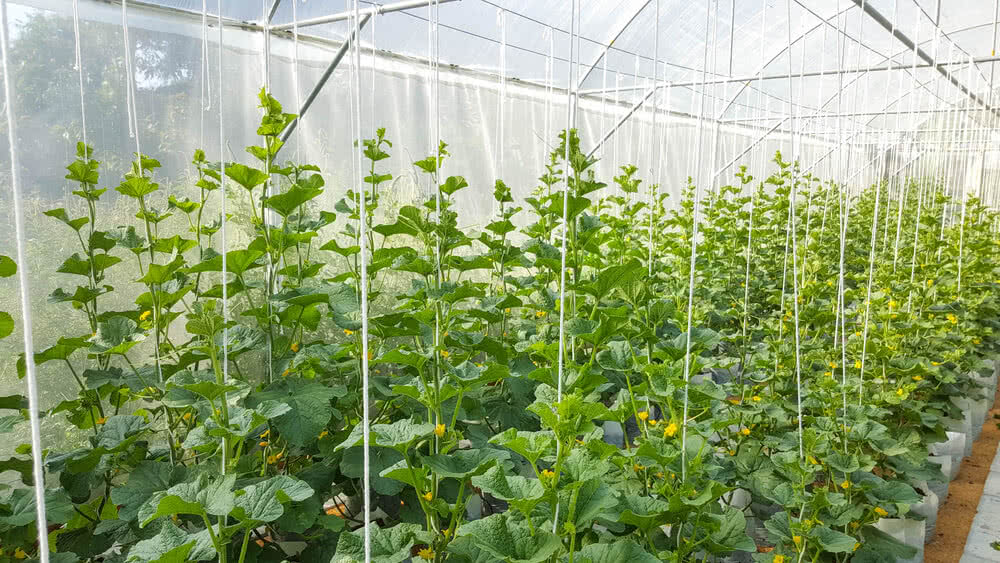
Market Trends and Future Pricing Outlook
Winged bean markets demonstrate strong growth potential as superfood recognition increases and tropical agriculture development expands production capacity.
Emerging Market Development
African cultivation expansion particularly in Kenya, Uganda, and Tanzania creates new supply sources potentially moderating Asia-centric pricing. East African highlands offer ideal growing conditions supporting quality production.
Health food market penetration in developed countries drives demand growth for protein-rich plant foods. Winged bean nutritional profile aligns perfectly with plant-based diet trends supporting premium positioning.
Research advancement in day-neutral varieties promises extended growing seasons reducing seasonal price volatility. Wider geographic cultivation potential emerges through reduced photoperiod dependency.
Supply Chain Innovation
Frozen product development enables year-round availability reducing seasonal price swings. Value-added processing creates new market segments and revenue opportunities.
Direct e-commerce connections between producers and consumers reduce intermediary margins potentially lowering end-user prices while improving farmer returns. Digital marketplace development accelerates market access.
Cold chain infrastructure improvement in tropical regions supports quality preservation and export market development. Reduced spoilage increases effective supply moderating scarcity premiums.
Frequently Asked Questions About Winged Bean Pricing
Strategic Winged Bean Purchasing and Market Navigation
Successfully navigating winged bean markets requires understanding pricing structures, seasonal patterns, quality determinants, and sourcing channel characteristics.
Optimal Sourcing Strategies
Direct producer relationships deliver maximum value with farmgate pricing $4-6 per kg for fresh pods in Southeast Asian and African production regions. However, logistics management and quality assurance become buyer responsibilities.
Established exporters provide turnkey solutions at $10-14 per kg wholesale balancing price and convenience. Kenyan exporters particularly demonstrate competitive positioning with quality reputation and reliable supply chains.
Peak season purchasing June-September delivers 30-40% savings versus off-season acquisition. Volume buyers should concentrate procurement during abundance periods utilizing increased consumption or processing preservation.
Quality Assessment and Specifications
Export-grade specifications ensure consistent quality supporting premium applications and pricing. Four distinct wings, unblemished skin, optimal 6-8 inch length, and freshness within 24 hours characterize top grades.
Commercial-grade product offers value positioning at 20-30% discounts versus export-grade for price-sensitive applications where appearance matters less. Cooking applications particularly suit commercial grades.
Frozen product enables extended storage and year-round availability at 20-25% premiums over fresh. Quality frozen winged beans maintain nutritional value and convenience advantages justifying elevated pricing.
Market Development Opportunities
Emerging markets in Africa, Latin America, and temperate regions present growth opportunities for producers and distributors. Limited current supply creates first-mover advantages for market developers.
Health food positioning targeting plant-based protein consumers creates premium market segments willing to pay elevated rates. Superfood marketing leverages exceptional nutritional profile.
Culinary education introducing chefs and consumers to winged bean versatility expands demand. Complete plant edibility offers unique positioning versus single-use vegetables.
Winged Bean Pricing Landscape and Market Opportunities
Winged bean markets demonstrate exceptional pricing diversity reflecting specialty crop status, limited production scale, and emerging recognition as nutritional powerhouse.
Fresh pod prices ranging $8-10 per kg in producing regions to $18-28 per kg in international markets reflect legitimate value addition through specialized cultivation, processing, distribution, and quality assurance. Premium tubers commanding $40-60 per kg represent ultimate value expression.
Regional variations see Southeast Asian producers offering most competitive rates $6-10 per kg retail versus African and international markets $10-28 per kg. Geographic arbitrage opportunities exist for flexible buyers managing logistics complexity.
Seasonal timing proves crucial with June-September abundance delivering 30-40% savings versus off-season scarcity premiums. Strategic buyers concentrate purchasing during peak production optimizing value capture.
Quality grading creates 25-40% differentials between export-grade and commercial products. Specification understanding enables informed purchasing decisions balancing price and application requirements.
Complete plant utilization opportunities distinguish winged beans from conventional vegetables. Pods, leaves, flowers, and tubers all command distinct price points creating diversified revenue potential for producers.
Kenyan producers demonstrate competitive positioning at $10-14 per kg wholesale with established export infrastructure and quality reputation. East African highlands offer ideal growing conditions supporting premium production.
Protein content comparable to soybeans combined with complete edibility justifies 3-4x premiums over commodity legumes. Specialty positioning rather than commodity status supports elevated rates.
Export opportunities reaching $12-15 per kg wholesale create exceptional margin potential for producers meeting international quality standards. However, certification requirements and consistent supply capacity create barriers.
Market development trends point toward continued growth as superfood recognition increases and tropical agriculture expands. Day-neutral varieties promise extended production seasons reducing seasonal volatility.
Whether sourcing for restaurants, food processors, export operations, health food retailers, or home consumption, understanding winged bean market dynamics delivers tangible benefits. Strategic buyers combining direct producer relationships, peak season timing, quality specification knowledge, and volume commitments maximize value while supporting sustainable tropical agriculture development in this remarkable "supermarket on a vine" crop.