
🥭 Mango Harvest Period in Brazil
Regional timing, peak seasons & variety-specific calendars
Brazil's mango harvest period concentrates primarily between August and December capturing peak production months across major cultivation regions in Pernambuco, Bahia, and Sergipe states where favorable tropical and subtropical conditions support intensive commercial production serving both robust domestic consumption and growing international export markets. This primary harvest window accounts for approximately 70-80% annual production volume with specific variety-dependent timing variations creating strategic marketing opportunities throughout extended supply seasons enabling Brazilian exporters coordinating shipments capturing premium pricing windows when Northern Hemisphere supplies decline during autumn and winter months.
Secondary harvest periods occur throughout remaining calendar months particularly featuring Palmer and Tommy Atkins varieties enabling near-continuous production year-round differentiating Brazil from single-season mango-producing countries and supporting sustained export presence across diverse international markets. Understanding regional timing variations, variety-specific maturation patterns, climate influences on harvest scheduling, and optimal picking windows enables producers, exporters, and buyers optimizing commercial operations maximizing fruit quality, market positioning, and profitability throughout Brazil's complex multi-region multi-variety production system supporting position as world's seventh-largest mango producer annually cultivating approximately 1.5 million tonnes across 65,000+ hectares concentrated primarily northeastern states.
🥭 Source Premium Brazilian Mangoes in Bulk →This comprehensive analysis examines Brazil's primary harvest window August-December characteristics, regional production timing across northeastern commercial zones, variety-specific harvest calendars including Kent, Keitt, Tommy Atkins, Palmer, and Ataulfo selections, climatic factors influencing maturation patterns, optimal harvest maturity indicators, commercial packing and export scheduling, international market coordination, and strategic sourcing recommendations enabling informed decision-making for agricultural stakeholders navigating Brazil's sophisticated mango industry characterized by advanced post-harvest technology, stringent quality standards, and complex logistics coordinating supply chains spanning domestic and international destinations throughout extended annual production cycles.
📅 Brazilian Mango Harvest Calendar by Variety and Region
| Mango Variety | Primary Harvest Window | Peak Production Months | Main Growing Regions | Export Market Timing |
|---|---|---|---|---|
| Kent | August - November | September - October | Pernambuco, Bahia (primary export variety 53-72% shipments) | Early August through mid-November (US, Europe primary destinations) |
| Keitt | September - December | October - November | Pernambuco, Sergipe (late-season variety 20-31% export share) | Mid-September through December (extends supply season) |
| Tommy Atkins | Year-round cultivation (primary: September - February) | October - January | Bahia, São Paulo, Minas Gerais (continuous production capability) | Flexible scheduling fills market gaps throughout year |
| Palmer | December - February (summer season) | December - January | São Paulo, Minas Gerais, subtropical zones (45-day harvest window) | Southern Hemisphere summer exports (Argentina, regional markets) |
| Ataulfo (Honey) | August - October | September | Limited cultivation northeastern regions (8-12% export volumes) | Specialty markets premium positioning early season |
| Haden | October - January | November - December | São Paulo, subtropical production zones (limited commercial scale) | Domestic market focus niche export opportunities |
| Manila/Manilla Rosa | August - November | September - October | Bahia, limited production areas (specialty variety status) | Limited supply niche market positioning premium pricing |
Primary Harvest Window: August Through December Peak Season
Brazil's principal mango harvest period spanning August through December concentrates approximately 11.9 million boxes (4-kilogram cartons) annual export production targeting international markets particularly United States where Brazilian shipments historically dominate late-summer through autumn supply windows capturing favorable pricing when Mexican and Central American seasons conclude. Initial harvest activities commence early August following 120-140 day fruit development period from flowering through maturation, with harvesting intensity escalating through September and October representing absolute peak production months when optimal weather conditions, maximum fruit volume, and coordinated logistics operations converge supporting efficient commercial operations.
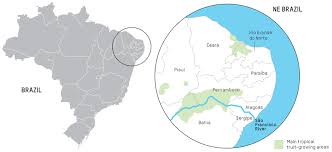
Northeastern Brazil's Pernambuco state leads national production accounting for approximately 40% total volume followed by Bahia (25%) and Sergipe (15%) creating concentrated geographic production base benefiting from shared infrastructure including specialized packing facilities, port access through Recife and Salvador, and established export logistics networks supporting rapid fruit movement from orchard through international shipment maintaining critical cold chain integrity preserving quality throughout extended supply chains. Peak harvest coordination requires sophisticated planning balancing labor availability, packing facility capacity, shipping schedules, and market demand signals ensuring optimal fruit quality and commercial returns throughout compressed high-volume production period.
November traditionally marks harvest season tail as Kent and Keitt volumes decline though late-season Keitt continues through December providing extended supply opportunities particularly valuable when early-season varieties exhausted and market pricing strengthens reflecting reduced competitive supply. December harvest levels substantially lower than September-October peak though strategic importance maintaining market presence and customer relationships justifies continued operations despite elevated per-unit costs from reduced operational efficiency during low-volume periods. This extended harvest window differentiates Brazil from single-peak producing countries enabling sustained export relationships and market positioning advantages supporting premium pricing and customer loyalty transcending pure commodity trading relationships.
Regional Production Timing and Climatic Influences
Pernambuco state particularly São Francisco Valley region benefits from controlled irrigation enabling precise production timing through strategic flowering induction managing water availability during critical development phases. This technical sophistication allows growers manipulating harvest timing within broader seasonal windows coordinating market entry capturing premium pricing periods or avoiding competitive oversupply situations depressing returns. Semi-arid climate with distinct wet and dry seasons creates favorable mango cultivation conditions where controlled water stress during specific growth stages promotes flowering synchronization essential commercial production efficiency and coordinated harvest operations manageable labor and packing infrastructure constraints.
Bahia's more diverse topography and microclimates create slightly extended harvest windows compared to concentrated Pernambuco production with some zones commencing harvest late July while others continue through January particularly for varieties including Palmer and Tommy Atkins adapted to subtropical conditions. This geographic diversity provides portfolio management advantages for larger operations cultivating multiple locations enabling continuous supply throughout extended periods rather than concentrated harvest overwhelming packing capacity and forcing rushed operations potentially compromising quality standards. Regional timing differences also provide risk management benefits distributing weather exposure across broader geographic area reducing total production risk from localized adverse conditions including untimely rainfall, temperature extremes, or pest pressure affecting specific zones.
Sergipe represents smaller but strategically important production zone focusing primarily late-season Keitt variety extending national harvest calendar through December when Pernambuco's Kent-focused production largely concluded. This complementary production timing creates synergistic relationships within Brazilian industry enabling continuous export presence throughout full August-December window rather than concentrated mid-season peak followed by market absence potentially surrendering customer relationships to competing origins. Coastal proximity provides infrastructure advantages including shorter inland transportation to ports reducing logistics costs and transit time preserving fruit quality, while maritime climate influences moderate temperature extremes creating favorable growing conditions supporting consistent quality production meeting stringent export specifications.
Variety-Specific Harvest Characteristics and Maturation Indicators
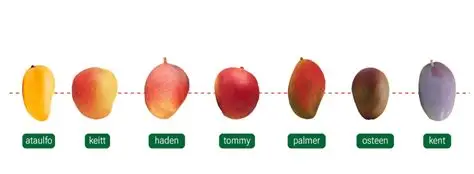
Kent mango dominates Brazilian export production comprising 53-72% international shipments reflecting superior commercial characteristics including attractive appearance with yellow-orange ground color overlaid with red blush, excellent eating quality through sweet low-fiber flesh, and good post-harvest performance withstanding transportation stresses maintaining quality throughout extended supply chains. Kent maturation typically occurs 120-130 days post-flowering with harvest maturity indicated by shoulder development extending beyond stem attachment, subtle color change from dark green toward lighter green with yellow undertones, and specific gravity testing achieving 1.01-1.02 threshold confirming physiological maturity ensuring proper ripening capability post-harvest essential consumer satisfaction.
Keitt variety matures later than Kent typically 130-140 days flowering through harvest creating natural succession extending seasonal supply beyond Kent exhaustion. Keitt exhibits distinctive elongated shape with green skin maintaining color even when ripe differentiating from color-based maturity indicators used for other varieties requiring alternative assessment methods including shoulder development, specific gravity measurement, and harvest timing based on known flowering dates ensuring optimal maturity. Larger average fruit size compared to Kent creates packaging and market positioning advantages for applications preferring substantial fruit presentation though also increasing per-unit handling costs and packaging material requirements affecting total logistics economics. Late-season harvest timing November-December provides strategic market advantages when reduced competitive supply supports premium pricing offsetting lower yields per hectare typically associated with Keitt compared to more productive Kent plantings.
Tommy Atkins demonstrates exceptional versatility enabling near-continuous production throughout year through multiple flowering events and extended harvest windows. While primary commercial production concentrates September-February aligning with optimal market timing, small-scale harvest occurs additional months filling gaps when other varieties unavailable. Robust fruit characteristics including firm flesh, thick skin resisting bruising, and extended shelf life make Tommy Atkins particularly suitable for export markets requiring extended transportation periods or less sophisticated cold chain infrastructure. Color development from green through distinctive red blush provides clear visual maturity indicators facilitating harvest timing decisions though eating quality typically rated below Kent or Keitt requiring strategic market positioning emphasizing durability and appearance rather than premium flavor profile characteristics.
🌍 Global Mango Harvest Coordination and Seasonal Positioning
Brazil's Strategic Timing (August-December): Captures Northern Hemisphere autumn/winter supply window when Mexico, Central America concluded and before Australian/South African Southern Hemisphere seasons commence
Complementary Global Production: Brazil coordinates with Mexico (March-September), Peru (October-March), Ecuador (September-February), creating year-round import availability for major consuming markets
Counter-Seasonal Advantage: Brazilian Palmer variety (December-February) supplies Southern Hemisphere summer when Northern markets experience local winter enabling premium fresh fruit positioning
Market Diversification Strategy: Traditional US/European export markets supplemented by growing Argentina, South Korea, South Africa shipments distributing commercial risk across multiple destinations
Continuous Supply Capability: Palmer and Tommy Atkins varieties enable near-year-round production differentiating Brazil from single-season producers supporting sustained customer relationships and market presence
For comprehensive global mango seasonality analysis across all major producing regions worldwide, explore our detailed timing framework: When is Mango Season? Complete Global Calendar & Variety Analysis
Optimal Harvest Maturity and Quality Indicators
Proper maturity assessment critically determines post-harvest quality, ripening capability, and consumer satisfaction requiring systematic evaluation beyond simple visual observation. Shoulder development represents primary field indicator where fruit sides raising above stem attachment point signals physiological maturity as carbohydrate accumulation creates characteristic bulging appearance preceding color development. This morphological change typically precedes obvious color changes providing early harvest timing signal particularly important for varieties like Keitt maintaining green color even at maturity when relying solely on color assessment results in premature or delayed harvest compromising quality.
Specific gravity testing provides objective maturity measurement placing fruit samples in salt water solution prepared at 1.01-1.02 specific gravity where mature fruit sink while immature fruit float due to density differences reflecting internal composition changes during ripening preparation. This standardized approach eliminates subjective visual assessment variability ensuring consistent harvest timing across different pickers, orchards, and seasonal conditions. Commercial operations increasingly adopt specific gravity testing as mandatory quality control protecting brand reputation and export market relationships where delivering immature fruit risks customer dissatisfaction and contractual penalties affecting long-term commercial viability beyond immediate sales transactions.
Sap flow evaluation after fruit detachment provides additional maturity verification where excessive milky latex exudation indicates insufficient maturity while minimal clear liquid suggests optimal timing. Proper decapping treatment immediately post-harvest preventing sap burn injury where exuding latex creates dark spots near stem end degrading appearance and creating pathogen entry points potentially reducing shelf life. Modern packing facilities employ automated decapping systems treating harvested fruit within minutes of collection preventing sap damage that historically caused substantial post-harvest losses particularly when harvest timing slightly premature or handling procedures insufficiently rapid managing sap flow exposure.
| Production Region | Primary Harvest Months | Main Varieties | Production Volume Share | Key Infrastructure |
|---|---|---|---|---|
| Pernambuco (São Francisco Valley) | August - November (peak September-October) | Kent (dominant), Keitt, Tommy Atkins | ~40% national production (largest producer) | Advanced irrigation, Petrolina/Juazeiro packing facilities, Recife port access |
| Bahia | August - January (extended season) | Tommy Atkins, Palmer, Kent, limited Keitt | ~25% national production (diverse geography) | Multiple production zones, Salvador port, varied microclimates |
| Sergipe | September - December (late-season focus) | Keitt (specialty), Kent, limited varieties | ~15% national production (strategic positioning) | Coastal proximity, moderate scale operations, export orientation |
| São Paulo | December - February (Palmer primary) | Palmer, Tommy Atkins, Haden (subtropical varieties) | ~10% national production (domestic market focus) | Subtropical cultivation zones, domestic distribution networks |
| Minas Gerais | November - February (diverse timing) | Palmer, Tommy Atkins, limited export varieties | ~5% national production (inland location) | Limited export infrastructure, domestic market orientation |
| Other Regions (Combined) | Variable seasonal patterns | Tommy Atkins (primary), local selections | ~5% national production (scattered cultivation) | Small-scale operations, regional market supply |
Commercial Packing Operations and Export Scheduling
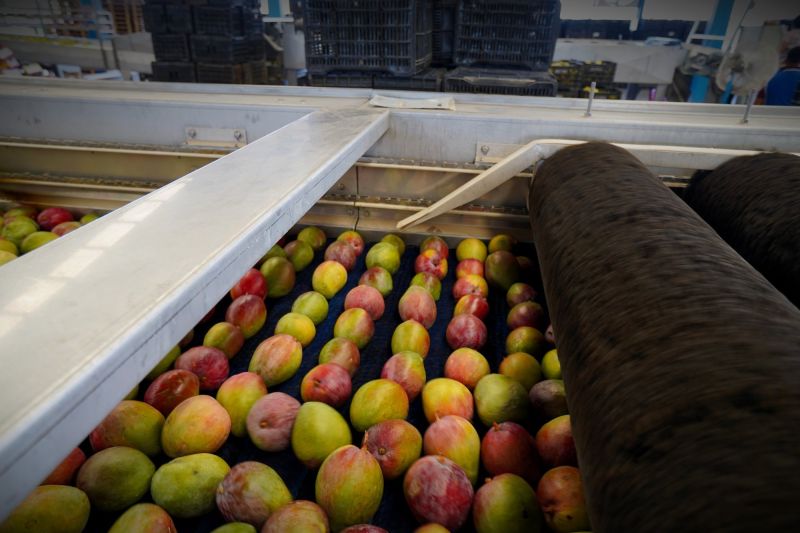
Modern Brazilian mango packing facilities operate sophisticated sorting lines processing 15-20 tonnes per hour through weight-based grading systems classifying fruit into premium, first grade, and second grade categories optimizing market placement and pricing. Automated optical sensors evaluate surface defects, color development, and size uniformity enabling precise quality segregation exceeding manual sorting consistency particularly during high-volume peak season operations when labor fatigue affects subjective assessment accuracy. Export-oriented facilities maintain stringent quality protocols rejecting 15-25% harvested volume unable meeting international specifications ensuring only premium fruit reaches overseas markets protecting brand reputation and maintaining buyer confidence essential sustaining long-term commercial relationships.
Cold chain management initiates immediately post-harvest with rapid cooling to 10-12°C within hours of collection maintaining fruit quality throughout packing operations, storage periods, and transportation phases. Pre-cooling infrastructure including forced-air cooling systems or hydro-cooling installations removes field heat critical preventing quality deterioration particularly important during hot harvest season when ambient temperatures exceed 30°C accelerating metabolic processes and respiration rates potentially causing rapid quality decline without immediate temperature management. Export containers maintained at 10-13°C throughout ocean transport lasting 14-21 days depending on destination with continuous temperature monitoring ensuring cold chain integrity preventing costly rejections from quality failures attributable to temperature abuse during transit.
Shipping schedules coordinate harvest timing, packing operations, and vessel departures requiring precise logistics planning balancing fruit maturity progression, packing capacity availability, and fixed sailing schedules. Weekly shipments during peak season September-October maintain consistent market presence preventing supply gaps that risk losing shelf space to competing origins while avoiding excessive volume concentration overwhelming market absorption capacity depressing pricing. Export documentation including phytosanitary certificates, traceability records, and quality assurance documentation prepared concurrently with physical packing operations ensuring regulatory compliance and customer specification adherence essential avoiding delays or rejections jeopardizing commercial viability of shipments representing substantial financial investment.
Palmer and Tommy Atkins: Enabling Year-Round Production Capability
Palmer variety uniquely positioned enabling counter-seasonal production December-February when Northern Hemisphere producers inactive creating strategic supply opportunities for Brazilian exporters targeting markets seeking fresh mango availability outside traditional import seasons. Subtropical cultivation zones in São Paulo and Minas Gerais support Palmer production leveraging cooler temperatures delaying flowering and harvest timing compared to tropical northeastern regions. Palmer's exceptional fruit quality including large size averaging 450-600 grams, attractive appearance, and excellent eating characteristics commands premium pricing justifying additional cultivation costs associated with subtropical production including frost protection, specialized rootstocks, and extended tree spacing accommodating vigorous growth habits characteristic of variety.
Tommy Atkins versatility stems from multiple flowering capabilities throughout year with proper irrigation management enabling strategic production timing coordinating market demand rather than strictly following natural seasonal patterns. This controlled production approach particularly valuable for operations serving continuous supply contracts with retail chains or processing facilities requiring consistent year-round availability impossible through single-season varieties limited to specific harvest windows. However, Tommy Atkins eating quality rated below premium varieties including Kent, Keitt, or Palmer requiring careful market positioning emphasizing durability, appearance, and availability rather than competing directly in premium fresh markets where superior flavor profiles command consumer preference and premium pricing.
Combined Palmer and Tommy Atkins cultivation creates portfolio enabling near-continuous production throughout year differentiating Brazil from single-season competitors and providing strategic advantages including sustained customer relationships, year-round revenue streams supporting operational overhead and labor retention, and market positioning flexibility responding to dynamic demand patterns and competitive conditions across multiple seasonal windows. This production diversity requires sophisticated agronomy managing different varieties' unique requirements, flexible packing operations handling variable volumes across seasons, and diversified market channels absorbing different quality tiers and seasonal timing opportunities maximizing total returns across comprehensive production portfolio rather than optimizing single variety or seasonal window.
🎯 Strategic Brazilian Mango Harvest Timing Insights
- Peak Season Concentration: August-December primary harvest captures 70-80% annual production with September-October absolute peak when Kent and Keitt volumes maximize; early August marks US export season commencement through late November
- Geographic Production Patterns: Northeastern dominance with Pernambuco (40% national), Bahia (25%), Sergipe (15%) concentrated semi-arid regions leveraging controlled irrigation, advanced infrastructure, and export logistics advantages through Recife, Salvador ports
- Variety-Specific Calendars: Kent August-November (53-72% exports), Keitt September-December (20-31% late-season), Tommy Atkins year-round capability, Palmer December-February counter-seasonal positioning Southern Hemisphere summer
- Maturity Assessment Critical: Shoulder development, specific gravity 1.01-1.02, minimal sap flow post-harvest, 120-140 days flowering-to-maturity depending variety; premature harvest compromises ripening capability and consumer satisfaction
- Export Market Timing: Brazilian season captures Northern Hemisphere autumn/winter window post-Mexico/Central America conclusion pre-Australian/South African commencement; counter-seasonal Palmer fills January-March supply gap premium positioning opportunities
- Continuous Production Advantage: Palmer and Tommy Atkins enable near-year-round supply differentiating Brazil from single-season producers; sustained market presence supports customer relationships, operational efficiency, and revenue stability transcending concentrated seasonal economics
International Market Coordination and Export Logistics
United States historically represents Brazil's largest export destination absorbing approximately 60-70% international shipments though recent tariff uncertainties and trade policy fluctuations motivate diversification toward European markets including United Kingdom, Netherlands, Germany, and emerging destinations including Argentina experiencing 35% year-over-year growth. European shipments require extended transit times 18-24 days compared to 10-14 days US routing necessitating superior fruit quality, optimal maturity timing, and rigorous cold chain management maintaining marketable condition throughout prolonged supply chain exposure. European market preferences favor Kent variety's visual appeal and eating quality with growing Keitt acceptance as consumers gain familiarity with late-season offerings providing price stability when early varieties exhausted.
Argentina represents strategically important regional market particularly for Palmer variety during December-February Southern Hemisphere summer when domestic production limited and Brazilian counter-seasonal supply captures premium pricing through geographic proximity enabling competitive transportation economics versus distant Northern Hemisphere origins. South American regional trade agreements facilitate customs clearance and regulatory compliance simplifying export procedures compared to more complex North American and European requirements involving extensive phytosanitary documentation, traceability protocols, and inspection regimes adding compliance costs and administrative complexity. Growing grower participation in Argentine market reflects strategic diversification reducing dependency on traditional US/European destinations vulnerable to policy changes and trade disruptions affecting commercial viability.
Emerging Asian markets including South Korea receiving small but growing air-freight shipments 2-3 pallets weekly representing strategic market development investments establishing brand presence and distribution relationships anticipating future volume growth as affluent Asian consumers expand tropical fruit consumption. Air freight economics currently limit volumes to premium positioning targeting high-value retail channels and specialty distribution where elevated pricing offsets transportation costs 5-10 times ocean freight rates. South Africa receiving pilot shipments during Brazilian harvest season when local production concluded demonstrates innovative market development exploring unconventional export destinations diversifying commercial risk and capturing niche opportunities unavailable through conventional trade patterns focused exclusively on major established import markets.
Frequently Asked Questions About Brazilian Mango Harvest Periods
Strategic Considerations for Commercial Mango Operations
Successful Brazilian mango production requires coordinating agronomic management, harvest timing optimization, quality assurance protocols, and market channel development into integrated commercial systems transcending simple cultivation focus toward comprehensive supply chain orchestration. Variety portfolio selection balancing early-season Kent, late-season Keitt, and year-round capable Tommy Atkins/Palmer creates diversified revenue streams, risk management benefits, and operational efficiency distributing fixed costs across extended production periods rather than concentrated seasonal windows. However, portfolio complexity increases management demands requiring specialized knowledge across different varieties' unique requirements and maintaining flexible infrastructure accommodating variable volumes, quality specifications, and market channels throughout diverse production calendar.
Market intelligence monitoring global supply patterns, competitive dynamics, and buyer preferences enables strategic harvest timing and commercial positioning decisions optimizing returns beyond passive price-taker mentality accepting whatever market conditions exist at arbitrary harvest moments. Understanding Mexican season conclusion timing, Australian/South African supply commencement, European versus US market preferences, and emerging destination opportunities creates strategic planning frameworks guiding variety selection, planting schedules, and harvest coordination maximizing commercial advantage through deliberate market positioning rather than coincidental timing determined purely by biological constraints.
Infrastructure investment priorities including irrigation systems enabling production timing control, modern packing facilities supporting quality standards and operational efficiency, cold chain capacity preserving fruit quality throughout extended supply chains, and export logistics relationships facilitating market access represent foundational requirements for commercial viability beyond basic cultivation capabilities. These capital-intensive investments require patient capital, technical expertise, and sustained commitment as returns materialize over multiple seasons following initial establishment periods when trees non-productive and systems under development before reaching full operational capacity supporting profitable commercial operations.