
🌶️ Chilli Market in Kenya
Complete analysis of varieties, export opportunities, prices & growing demand
Kenya's chilli market represents a rapidly expanding agricultural sector with exceptional growth potential. Increasing global demand, favorable climatic conditions supporting year-round production, and strategic geographic positioning create substantial commercial opportunities. The domestic market processes approximately 10,700 tonnes of fresh green chillies and 2,900 tonnes of dried chillies annually. Export volumes reach 3,000 tonnes targeting European destinations alone, creating opportunities for producers, exporters, aggregators, and international buyers seeking reliable high-quality supplies.
🌶️ Connect with Trusted Kenya Chilli Exporters →Market dynamics reflect a diverse variety portfolio. Highly-valued Bird's Eye chillies deliver 50,000-100,000 SHU heat levels. Medium-heat Cayenne peppers provide 30,000-50,000 SHU. Milder Jalapeños offer 2,500-8,000 SHU, while specialty Habanero varieties target premium niche segments. Each variety commands distinct price points and serves specific market channels ranging from fresh vegetable trade through processing operations to value-added dried product manufacturing. Major growing regions span Eastern Kenya, Coastal areas, Rift Valley, and Central highlands where temperature ranges of 20-30°C and controlled irrigation enable consistent quality production.
Commercial infrastructure encompasses sophisticated supply chain networks connecting smallholder farmers through aggregators (41% market share) and processors (52% market share) to export operations. These operations ship primarily to the United Kingdom, Netherlands, Italy, and Germany where Kenyan chillies command premium positioning. Superior heat levels, vibrant coloration, consistent quality, and traceability meet European Union food safety regulations including GlobalGAP certification, GRASP compliance, and residue testing protocols. Price dynamics demonstrate seasonal fluctuations with peak pricing during first-quarter scarcity periods, contrasting with mid-season abundance that affects farm-gate rates, wholesale margins, and export pricing structures.

🌶️ Kenya Chilli Market Overview at a Glance
| Market Indicator | Current Status | Key Details |
|---|---|---|
| Annual Production Volume | 10,700+ tonnes fresh green, 2,900+ tonnes dried | Year-round production cycles supporting consistent supply |
| Primary Export Markets | UK, Netherlands, Italy, Germany | 3,000 tonnes annual European exports, expanding Asian markets |
| Top Commercial Varieties | Bird's Eye, Cayenne, Jalapeño, Habanero | Heat range 2,500-175,000 SHU across variety portfolio |
| Key Growing Regions | Eastern, Coastal, Rift Valley, Central Kenya | Semi-arid to moderate rainfall zones, 20-30°C optimal |
| Market Distribution Channels | Processors 52%, Aggregators 41%, Direct 7% | Sophisticated supply chain connecting farmers to exporters |
| Average Export Price | $2,400 per tonne FOB | Variable by variety, quality grade, and destination market |
| Farm-Gate Price Range | Ksh 40-120 per kg seasonal variation | Peak pricing Q1, lower rates mid-season abundance |
| Harvest Cycles | 2.5-3 months first harvest, continuing 4-12 months | Bi-weekly picking during peak production periods |
| Quality Certifications | GlobalGAP, GRASP, organic available | EU market compliance mandatory for premium positioning |
| Domestic Market Size | Uganda, Tanzania, regional East Africa | Fresh consumption, processing, re-export opportunities |
Key Chilli Varieties and Market Positioning
African Bird's Eye chillies dominate Kenyan production as the most commercially significant variety. Their exceptional heat intensity (50,000-175,000 SHU) commands premium export pricing, highly valued in European markets particularly the UK and Netherlands. Consumers in these markets seek authentic intense chilli flavor for hot sauces, dried products, and specialty culinary applications. The variety's small size, intense heat, and cultural authenticity as a native African pepper create competitive advantages against imports from Asian origins. Kenyan suppliers can capture market segments preferring traceable African-sourced products that support sustainable agricultural development narratives.
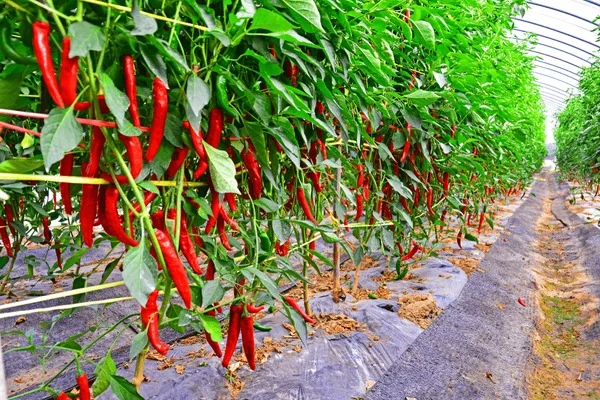
Cayenne peppers represent a rapidly growing segment as farmers increasingly adopt varieties suitable for on-farm drying operations. These operations produce flaked or powdered products that command higher value-addition margins compared to fresh vegetable sales requiring immediate marketing and cold-chain logistics. Medium heat levels (30,000-50,000 SHU) create versatile market positioning serving both fresh consumption and processing channels. The long curved shape and bright red coloration provide visual appeal that enhances retail presentation and processing efficiency. Major cultivation occurs in mid-altitude regions including Kirinyaga, Nyeri, and Western Kenya where moderate temperatures and reliable rainfall support consistent yields without intensive irrigation.
Jalapeño varieties demonstrate explosive urban market growth driven by expanding hospitality sector, rising middle-class consumer demand for international cuisine, and increasing supermarket availability. Previously unavailable through traditional vegetable markets, these varieties are now widely accessible. Milder heat profile (2,500-8,000 SHU) appeals to broader consumer demographics compared to intensely hot African varieties. Thick-walled green fruits provide extended shelf life and reduced spoilage losses throughout distribution chains. Urban retailers increasingly stock Jalapeños targeting expatriate communities, upscale restaurants, and adventurous local consumers experimenting with Mexican and Tex-Mex cuisine.
Habanero chillies occupy premium niche segments commanding the highest per-kilogram pricing through extreme heat levels and distinctive fruity flavor profile. These characteristics are valued by specialty sauce manufacturers and gourmet culinary applications. Limited cultivation reflects technical challenges including extended growing periods, specific climatic requirements, and market knowledge gaps among smallholder farmers unfamiliar with variety characteristics and specialized cultivation practices. However, growing Asian market demand—particularly China's increasing African chilli imports—creates strategic expansion opportunities for producers investing in technical capacity development and market intelligence.
Export Markets and International Trade Dynamics
The United Kingdom represents Kenya's largest chilli export destination, absorbing a significant portion of the 3,000+ tonne annual European shipments. Established trade relationships, cultural connections from colonial history, and substantial South Asian diaspora communities maintain strong demand for authentic African chillies used in traditional cuisine preparations. UK market preferences favor Bird's Eye varieties for fresh consumption and dried product manufacturing. Importers value Kenya's year-round production capability that fills supply gaps during European winter months when alternative origins experience seasonal production limitations.
The Netherlands functions as a strategic European gateway, serving as a re-distribution hub for Kenyan chillies reaching broader European Union markets. Rotterdam port infrastructure and established fresh produce trading networks connect African suppliers to continental buyers. Dutch importers specialize in quality grading, storage management, and market intelligence, providing valuable services that connect Kenyan exporters to fragmented European demand across multiple countries and market segments. Sophisticated logistics infrastructure including temperature-controlled storage, rapid customs clearance, and efficient onward transportation enables maintaining product quality throughout extended supply chains.
Italy and Germany represent growing markets, particularly for dried chilli products where processing operations value Kenyan supplies providing consistent quality, competitive pricing, and reliable availability. These attributes support industrial-scale sauce manufacturing, seasoning production, and retail packed products distributed throughout European supermarket chains. Italian market segments emphasize specific heat profiles and flavor characteristics supporting traditional Mediterranean cuisine applications where chillies provide accent flavoring rather than dominant heat. Germany's organic market segment creates premium opportunities for certified organic Kenyan chillies that command substantial price premiums.
Asian markets, particularly China, represent emerging strategic opportunities as rising incomes, changing dietary patterns, and increased international cuisine adoption drive growing chilli consumption beyond traditional domestic production capabilities. China's substantial African investment presence creates diplomatic and commercial relationships that potentially facilitate market access. Specific interest exists in Serrano varieties and specialty chillies complementing domestic Chinese production focused on different variety profiles. However, market entry requires understanding complex import regulations, establishing quality assurance systems meeting Chinese food safety standards, and developing distribution relationships.
🌶️ Kenya Chilli Price Dynamics and Seasonality Patterns
Peak Pricing Period (January-March Q1): Farm-gate prices reach Ksh 80-120 per kilogram driven by seasonal scarcity, reduced harvest volumes from previous planting cycles, and strong export demand as European importers rebuild inventory following holiday consumption peaks. Strategic farmers timing harvest for Q1 delivery capture 50-80% premium pricing compared to mid-season rates, though this requires careful production planning coordinating planting schedules, crop management, and harvest timing to align supply with optimal market windows.
Mid-Season Abundance (June-September): Prices decline to Ksh 40-60 per kilogram reflecting increased supply from multiple overlapping harvest cycles, reduced export demand during European summer when competing Mediterranean production enters markets, and domestic market saturation limiting alternative marketing channels. Processors and aggregators leverage price weakness by accumulating inventory for drying, storage, and forward sales that capture value-addition margins unavailable to farmers requiring immediate cash flow.
Export FOB Pricing: Average pricing stands at $2,400 per tonne, with premium varieties commanding $2,800-3,200 per tonne for certified organic Bird's Eye or specialty Habanero meeting stringent quality specifications. Price variations reflect quality grade, variety selection, packaging standards, certification status (GlobalGAP, organic), destination market, and buyer relationship. Established exporters with direct European retail contracts achieve 15-25% premiums over spot market rates through consistent quality and reliable supply.
Domestic Market Pricing: Uganda and Tanzania markets provide alternative outlets during European price weakness, though typically offering lower rates (Ksh 35-50 per kilogram) compared to export channels. Regional trade creates price floors preventing catastrophic collapses during oversupply situations. Cross-border flows respond dynamically to relative price differences and currency fluctuations, creating arbitrage opportunities for traders managing logistics and regulatory compliance across East African Community markets.
Value-Addition Economics: On-farm drying converting fresh chillies to dried products captures 40-60% value-addition margins, improving farmer returns. This requires upfront equipment investment, technical knowledge, and market relationships with processors preferring dried supplies over fresh vegetables requiring immediate processing. Dried chilli prices typically reach Ksh 400-600 per kilogram, reflecting 85-90% moisture loss during drying process that concentrates value and enables extended storage.
Market Channels and Supply Chain Structure
Processing operations absorb 52% of market volume, representing the largest outlet for Kenyan chilli production through established relationships with farmers, aggregators, and exporters. These operations supply industrial-scale sauce manufacturing, dried product preparation, and value-added processing for domestic and export markets. Major processors maintain outgrower programs providing technical support, input credit, and guaranteed purchase commitments that reduce farmer marketing risk while securing reliable supply meeting processing specifications. The processing sector creates demand for variable quality grades including lower-grade fruits unsuitable for fresh export but acceptable for sauce manufacturing where visual appearance is less critical than flavor content and heat levels.
Aggregators and brokers control 41% market share, functioning as intermediaries that connect fragmented smallholder production to consolidated demand from exporters and processors. Aggregation services provide valuable functions including quality sorting, volume consolidation, logistics coordination, and market intelligence. However, they capture substantial margins (20-35% typical) between farm-gate purchase prices and exporter sales rates, creating tension around value distribution throughout supply chains. Successful aggregators establish trust relationships with farmer groups through consistent purchasing, fair grading practices, prompt payment, and technical advisory services.
Direct exporter-farmer relationships represent a growing channel (7% current but expanding) as exporters increasingly bypass intermediaries by establishing contract farming arrangements. These arrangements provide technical support, quality inputs, and guaranteed markets while capturing aggregator margins that improve both farmer returns and exporter profitability. Contract farming requires substantial exporter investment in field staff, extension services, input financing, and farmer training to develop capacity meeting export quality standards. Successful programs integrate smallholder farmers into formal export chains previously dominated by large commercial farms.
Domestic fresh vegetable markets absorb a portion of production through urban retail chains, traditional markets, and restaurant suppliers, though typically offering lower returns compared to export channels and processing operations. Domestic consumption remains relatively low compared to other vegetables, reflecting cultural preferences for limited chilli usage as condiment rather than primary vegetable. However, growing middle-class adoption of international cuisine and expanding hospitality sector gradually increase domestic market absorption. Regional exports to Uganda, Tanzania, and other East African destinations provide important buffers that absorb excess supply during European market weaknesses or harvest gluts.
| Chilli Variety | Heat Level (SHU) | Primary Markets | Farm-Gate Price Range | Key Characteristics |
|---|---|---|---|---|
| African Bird's Eye | 50,000 - 175,000 | UK, Netherlands export; dried products | Ksh 80-150/kg peak, 50-80/kg mid | Premium export variety, intense heat, small size, native African pepper |
| Cayenne Pepper | 30,000 - 50,000 | Fresh and dried, processing, domestic | Ksh 60-100/kg peak, 40-60/kg mid | Versatile variety, on-farm drying suitable, medium heat, red coloration |
| Jalapeño | 2,500 - 8,000 | Urban fresh markets, hospitality, supermarkets | Ksh 70-120/kg urban, 50-80/kg mid | Growing demand, thick-walled, mild heat, extended shelf life |
| Habanero | 100,000 - 350,000 | Premium specialty, gourmet processing | Ksh 100-200/kg specialty buyers | Extreme heat, fruity flavor, premium niche, technical cultivation |
| Serrano | 10,000 - 25,000 | Asian markets, Mexican cuisine, export | Ksh 60-90/kg emerging demand | Medium-hot, Asian market opportunity, expanding cultivation |
| Bullet Chilli | 30,000 - 50,000 | Semi-arid production, fresh and dried | Ksh 50-80/kg drought-tolerant advantage | Drought tolerance, semi-arid adaptability, reliable yields |
Quality Standards and Certification Requirements
GlobalGAP certification represents an essential requirement for European export market access, establishing baseline standards for food safety, traceability, environmental sustainability, and worker welfare throughout production operations. The certification process requires substantial documentation, infrastructure investment including pesticide storage facilities, worker safety equipment, and traceability systems, plus annual audits verifying ongoing compliance with protocol requirements. Initial certification costs Ksh 150,000-300,000 depending on farm size and existing infrastructure, creating barriers for individual smallholders but achievable through farmer group certification that spreads costs across multiple members.
GRASP (GlobalGAP Risk Assessment on Social Practice) adds a social compliance dimension addressing worker rights, fair wages, and safe working conditions increasingly scrutinized by European retailers responding to consumer pressure around supply chain ethics and labor standards. GRASP requirements mandate documented employment contracts, minimum wage compliance, prohibition of child labor, provision of protective equipment, and grievance mechanisms enabling workers to report violations without retaliation fears. Social certification creates competitive advantages for Kenyan exporters, differentiating against suppliers from origins with weaker labor protections.
Organic certification commands substantial price premiums (30-50% above conventional) but requires a three-year conversion period, strict input restrictions prohibiting synthetic pesticides and fertilizers, and enhanced documentation proving organic integrity throughout production and handling operations. Organic chilli production presents technical challenges including pest and disease management without chemical interventions, fertility maintenance through organic amendments, and yield gaps compared to conventional farming that potentially offset price premiums. However, growing European organic market demand and limited African organic supply create strategic opportunities for producers investing in organic certification and technical capacity development.
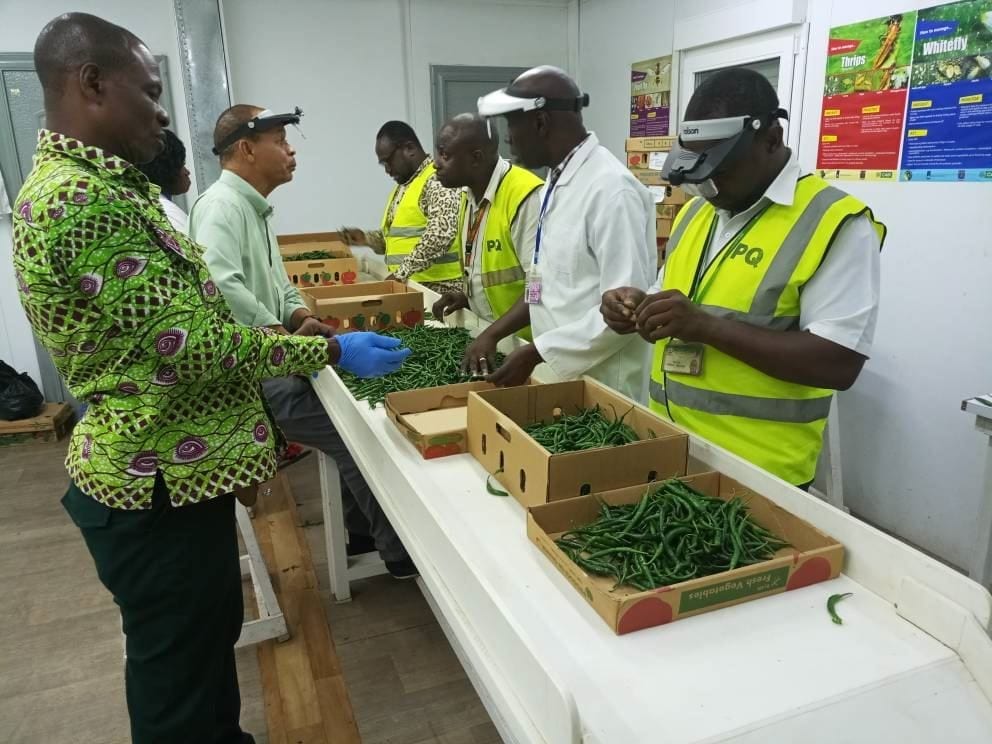
Residue testing requirements mandate laboratory analysis proving pesticide residues remain below European Union Maximum Residue Limits (MRLs) established for each chemical-crop combination. Zero-tolerance policies exist for prohibited substances, potentially causing entire shipment rejections and long-term reputational damage affecting future market access. Testing costs Ksh 15,000-25,000 per sample analyzing 200+ chemical compounds, requiring careful selection of representative samples, proper sampling protocols, and advance planning ensuring test results are received before shipping commitments. Exporters increasingly implement pre-harvest testing programs that identify potential residue issues enabling corrective actions before harvest.
Market Challenges and Risk Factors
Climate variability, particularly irregular rainfall patterns and increasing temperature extremes, creates production uncertainty affecting yield predictability, harvest timing, and fruit quality characteristics essential to meeting export specifications. Prolonged dry periods require irrigation investment beyond smallholder capacity, while excessive rainfall promotes fungal diseases including anthracnose that causes fruit rot and unmarketable quality grades. Climate adaptation strategies including drought-tolerant variety selection, improved irrigation access through collective investment or government support programs, and crop insurance mechanisms spreading weather risk remain underdeveloped throughout the Kenyan chilli sector.
Market information asymmetries disadvantage farmers negotiating with aggregators and buyers who possess superior market intelligence, price trends, and quality standards knowledge. This enables exploitation through below-market pricing, arbitrary quality rejections, and delayed payments that create cash flow stress for farmers requiring immediate income to meet household needs. Digital platforms including mobile applications providing real-time market prices, buyer connections, and quality advisory gradually address information gaps, though adoption remains limited among older farmers lacking smartphone access or digital literacy.
Quality rejection risks plague smallholder operations lacking technical knowledge, proper input access, or quality control infrastructure ensuring production meets strict export standards. Common rejection causes include pesticide residue violations from improper chemical usage or inadequate pre-harvest intervals, physical defects from pest damage or improper handling, and microbial contamination from field hygiene failures. Single rejections can devastate smallholder economics where production costs are already committed and alternative marketing options are limited or non-existent.
Competition from established global suppliers including India, China, Mexico, and Thailand possessing larger-scale production, more sophisticated supply chains, and established buyer relationships challenges Kenya's market positioning. This requires differentiation through quality, sustainability certifications, origin branding, and relationship development beyond pure price competition. Indian and Chinese suppliers benefit from domestic market scales supporting processing infrastructure, varietal development, and technical knowledge unavailable within the smaller Kenyan industry. Mexican suppliers leverage geographic proximity to major North American markets, reducing transportation costs and transit times.
🎯 Kenya Chilli Market Strategic Insights for Buyers and Traders
- Production Volume and Growth: Kenya produces 10,700+ tonnes fresh and 2,900+ tonnes dried chillies annually with year-round cultivation enabling consistent supply. Expansion potential is significant through underutilized suitable land, growing farmer adoption, and government support programs promoting high-value horticulture exports that generate foreign exchange and rural employment.
- Variety Portfolio Opportunities: African Bird's Eye dominates export markets, commanding premium pricing (Ksh 80-150/kg peak) through intense heat and cultural authenticity. Cayenne, Jalapeño, and emerging Habanero varieties serve diverse market segments from processing operations to urban fresh consumption, creating portfolio diversification opportunities that reduce single-variety dependency risks.
- Export Market Concentration: UK, Netherlands, Italy, and Germany absorb the majority of 3,000+ tonne annual exports through established relationships and EU market access. Emerging Asian markets, particularly China, represent strategic expansion opportunities requiring market intelligence, relationship development, and quality system adaptation to meet diverse international standards.
- Price Seasonality Patterns: Q1 peak pricing (Ksh 80-120/kg) provides strategic opportunity for farmers timing harvest to capture premium returns, contrasting with mid-season abundance (Ksh 40-60/kg) requiring storage, processing, or regional market diversification to maintain acceptable returns. Understanding seasonality enables buyers to optimize procurement timing, balancing quality, availability, and cost considerations.
- Quality Certification Essential: GlobalGAP is mandatory for European exports, establishing food safety and traceability baselines. GRASP social compliance and organic certification create competitive differentiation and premium positioning. Buyers should verify supplier certification status and audit results to ensure regulatory compliance and reputational risk mitigation.
- Supply Chain Structure: Processors (52% market share) and aggregators (41%) dominate marketing channels connecting fragmented smallholder production to consolidated export demand. Understanding supply chain dynamics, margin structures, and relationship patterns enables strategic sourcing decisions, whether engaging established exporters or developing direct farmer relationships that capture intermediary margins.
Strategic Opportunities and Future Market Trends
Value-addition through on-farm drying, powder production, and sauce manufacturing represents significant opportunity for capturing processing margins currently extracted by intermediaries while creating employment and skills development throughout rural communities. Small-scale processing equipment is increasingly affordable and technically accessible, enabling farmer cooperatives to establish collective processing facilities serving member needs. However, this requires business development support, market linkage assistance, and food safety training to ensure products meet commercial quality standards and regulatory requirements.
Organic and specialty production serves growing premium market segments where conscious consumers pay substantial premiums for certified sustainable production, ethical labor practices, and environmental stewardship narratives. Organic chilli prices command 30-50% premiums that justify conversion investments and technical challenges, particularly when combined with fair-trade certification and direct-trade relationships connecting consumers to specific farmer communities. Storytelling and marketing emphasizing smallholder farmer impact, women's empowerment, and environmental regeneration create emotional connections transcending commodity relationships.
Asian market expansion, particularly to China and Middle Eastern destinations, represents substantial growth opportunity for diversifying beyond European concentration and reducing market risk while capturing rising demand from populations with traditional high chilli consumption and growing purchasing power. Market entry requires understanding specific variety preferences, quality standards, packaging requirements, and distribution channels that differ from European markets. Government trade promotion, bilateral agreements, and export facilitation services gradually improve Asian market access, while African diplomatic relations and investment ties create opportunities leveraging geopolitical relationships.
Technology adoption including precision agriculture, digital marketplaces, and supply chain tracking improves productivity, reduces post-harvest losses, and enhances traceability meeting buyer requirements for detailed origin documentation and quality assurance verification. Mobile applications connecting farmers to buyers, providing price information, and delivering agronomic advice gradually transform traditional relationships dominated by information asymmetries and power imbalances. Blockchain and digital traceability systems enable real-time supply chain monitoring, quality verification, and sustainability claims substantiation.

Frequently Asked Questions About Kenya Chilli Market
Strategic Recommendations for Market Participants
International buyers seeking reliable Kenyan chilli supplies should prioritize relationships with certified exporters maintaining GlobalGAP and GRASP certifications that demonstrate food safety compliance and social responsibility. Conducting supplier audits to verify actual production practices, quality systems, and farmer relationships beyond superficial certification documentation is essential. Diversifying supplier portfolio across multiple exporters and geographic regions reduces concentration risk from weather events, disease outbreaks, or supplier business failures that disrupt supply chains. However, this requires relationship investment and technical support enabling smaller suppliers to achieve quality standards and volume commitments competitive with established operations.
Long-term partnership approaches providing technical assistance, advance payment facilitating input purchase, and transparent pricing formulas reflecting cost structures build supplier loyalty and quality commitment. This transcends transactional spot market relationships vulnerable to opportunistic behavior when market conditions favor sellers. Prospective producers entering chilli farming should conduct thorough market research understanding variety preferences, quality requirements, and seasonal pricing patterns before making production commitments. Establishing marketing relationships with aggregators, processors, or exporters that secure buyer commitments reduces market risk from distressed selling situations.
Starting with small-scale trial production (quarter-to-half acre) enables learning crop management, quality standards, and market dynamics before full-scale investment committing substantial land and capital resources potentially lost through production failures or market access difficulties. Participating in farmer groups or cooperatives provides collective action advantages including technical training, input purchasing, quality infrastructure access, and marketing leverage that improve individual member outcomes compared to isolated smallholder operations lacking support systems and market connections.
Aggregators and processors should invest in farmer training and technical support that improves supply quality and reliability rather than pursuing purely extractive relationships that maximize short-term margins but create long-term supplier dissatisfaction and relationship instability. Transparent grading systems, prompt payment protocols, and fair pricing mechanisms build trust that encourages farmers to maintain relationships and invest in quality improvements benefiting both parties through premium market access. Vertical integration or contract farming arrangements secure reliable supplies meeting specific quality requirements while capturing production margins, though this requires careful program design balancing farmer autonomy and commercial control to avoid exploitative relationships that generate farmer resentment and program failure.