
🍄 Edible Mushrooms in Kenya
Complete variety identification, cultivation methods & commercial opportunities
Kenya hosts remarkable diversity of edible mushrooms spanning cultivated commercial varieties and indigenous wild species collected from forests, grasslands, and termite mounds. The country produces approximately 500 tonnes of mushrooms annually though market demand reaches 1,200 tonnes creating substantial commercial opportunity for farmers, suppliers, and buyers seeking quality fungal products. Understanding variety characteristics, cultivation requirements, nutritional profiles, and sourcing options empowers informed decisions whether growing mushrooms commercially or procuring them for culinary applications.
🍄 Buy Quality Mushrooms Wholesale →The Kenyan mushroom landscape encompasses both modern agricultural production and traditional foraging practices. Oyster and button mushrooms dominate commercial cultivation serving restaurants, hotels, supermarkets, and export markets. Meanwhile, indigenous varieties like termitomyces and obukufuma maintain cultural significance providing seasonal nutrition and income for rural communities. This comprehensive analysis explores identification, cultivation, nutrition, safety, and procurement across Kenya's edible mushroom spectrum.
📊 Major Edible Mushroom Varieties in Kenya
| Mushroom Variety | Scientific Name | Cultivation Status | Key Characteristics | Primary Uses |
|---|---|---|---|---|
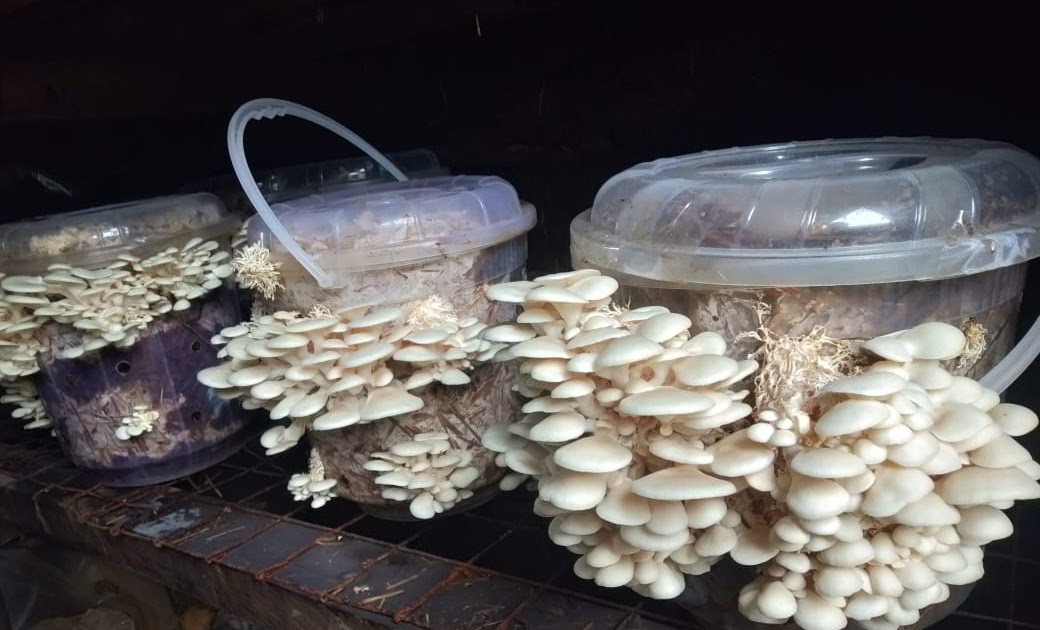
| Oyster Mushroom | Pleurotus ostreatus | Widely cultivated, easiest to grow | Fan-shaped caps, white to gray, grows in clusters | Stir-fry, soups, stews, meat substitute |
| Button Mushroom | Agaricus bisporus | 95% of commercial production | White/brown caps, firm texture, mild flavor | Raw salads, cooking, pizza, sauces |
| Portobello Mushroom | Agaricus bisporus (mature) | Cultivated, mature button | Large brown caps up to 6 inches, meaty texture | Grilling, stuffing, meat alternative |
| Shiitake Mushroom | Lentinula edodes | Limited cultivation, growing interest | Tan to dark brown, 2-4 inch caps, umbrella shape | Asian cuisine, medicinal, dried form |
| Termitomyces | Termitomyces spp. | Wild harvest, domestication research | Flat caps, grows on termite mounds, seasonal | Traditional dishes, high culinary value |
| Obukufuma | Indigenous Rift Valley species | Wild harvest, Slow Food protected | Gray cap, white stem, up to 40cm tall | Smoked/dried, flavoring soups, mixed with corn |
| Chanterelle | Cantharellus cibarius | Wild harvest from forests | Golden yellow, trumpet-shaped, fruity aroma | Gourmet cooking, sautéing, cream sauces |
| Golden Oyster | Pleurotus citrinopileatus | Specialty cultivation | Bright yellow caps, delicate texture | Garnish, stir-fry, specialty dishes |
Cultivated Commercial Varieties
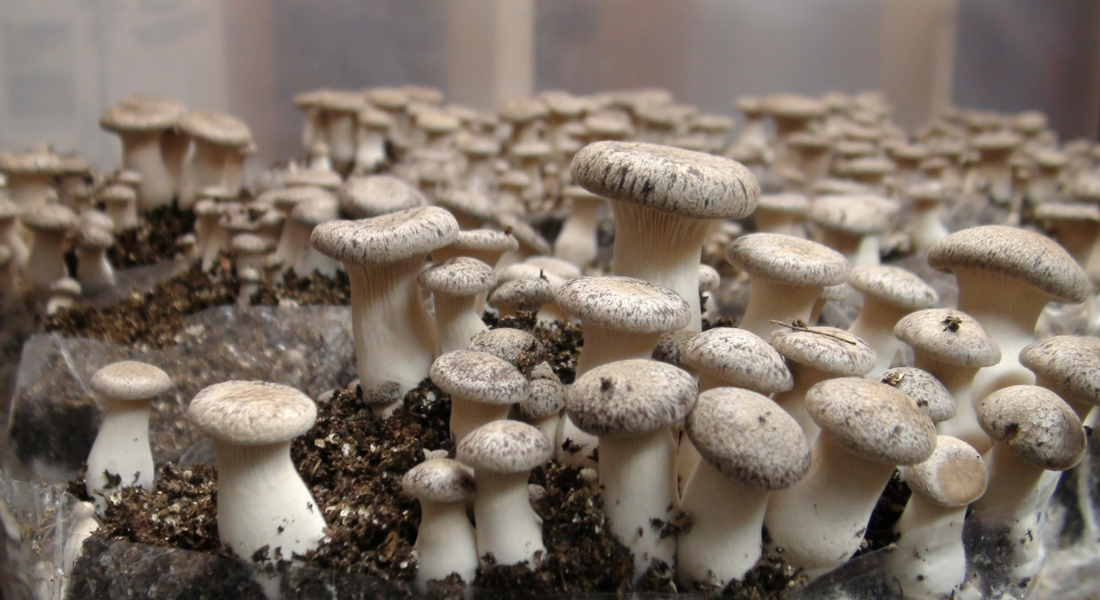
Oyster mushrooms represent the most accessible entry point for Kenyan farmers due to simple cultivation requirements, disease resistance, and ability to fruit across wide temperature ranges 20-30°C. These mushrooms grow on diverse agricultural wastes including maize stalks, wheat straw, coffee husks, and sugarcane bagasse transforming waste materials into valuable protein. Cultivation cycle completes within 6-8 weeks from spawning to harvest yielding multiple flushes over 2-3 months.
Button mushrooms dominate commercial production accounting for 476 tonnes of the 500-tonne annual output though requiring more sophisticated infrastructure. Cultivation demands controlled environment with temperature maintained 14-18°C, specific compost preparation using wheat straw and chicken manure, and precise humidity management 80-85%. The technical complexity limits button production primarily to established farms with capital investment though market prices justify higher input costs.
Shiitake mushrooms emerge as specialty crop gaining traction among progressive farmers targeting premium markets willing to pay elevated prices for medicinal and gourmet varieties. Cultivation occurs on hardwood logs or supplemented sawdust bags requiring 6-12 months spawn colonization before first fruiting. Extended production timeline and specialized knowledge requirements position shiitake as advanced crop for experienced growers rather than beginners.
Oyster Mushroom
Easiest cultivation
6-8 weeks harvest, disease resistant
Button Mushroom
Market leader
95% production, controlled environment
Portobello
Mature button
Meaty texture, grill-perfect
Shiitake
Premium specialty
Medicinal properties, gourmet appeal
Indigenous Wild Mushroom Varieties
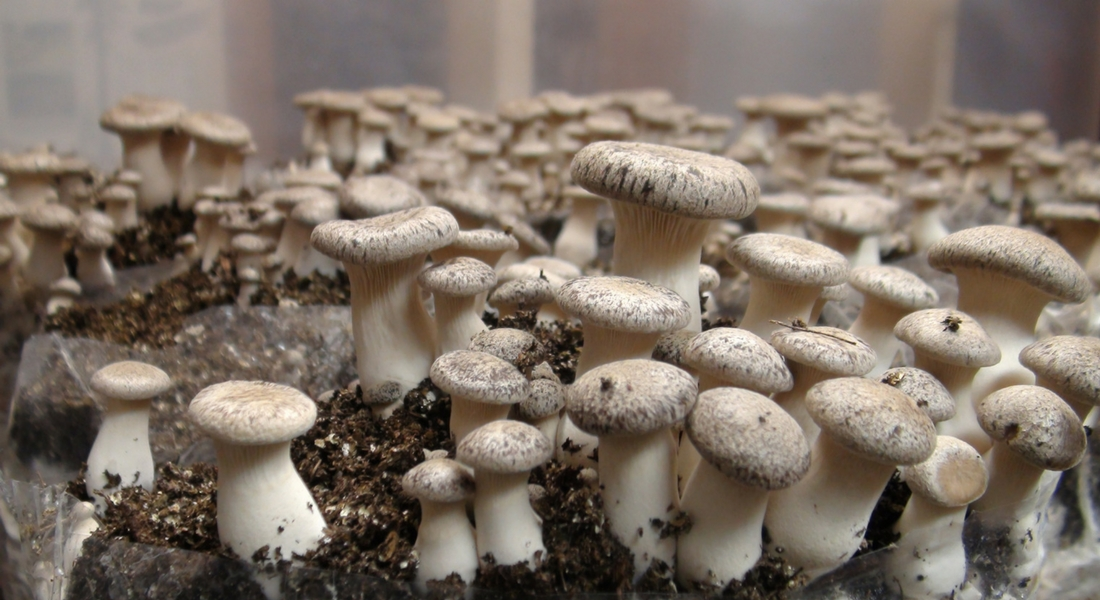
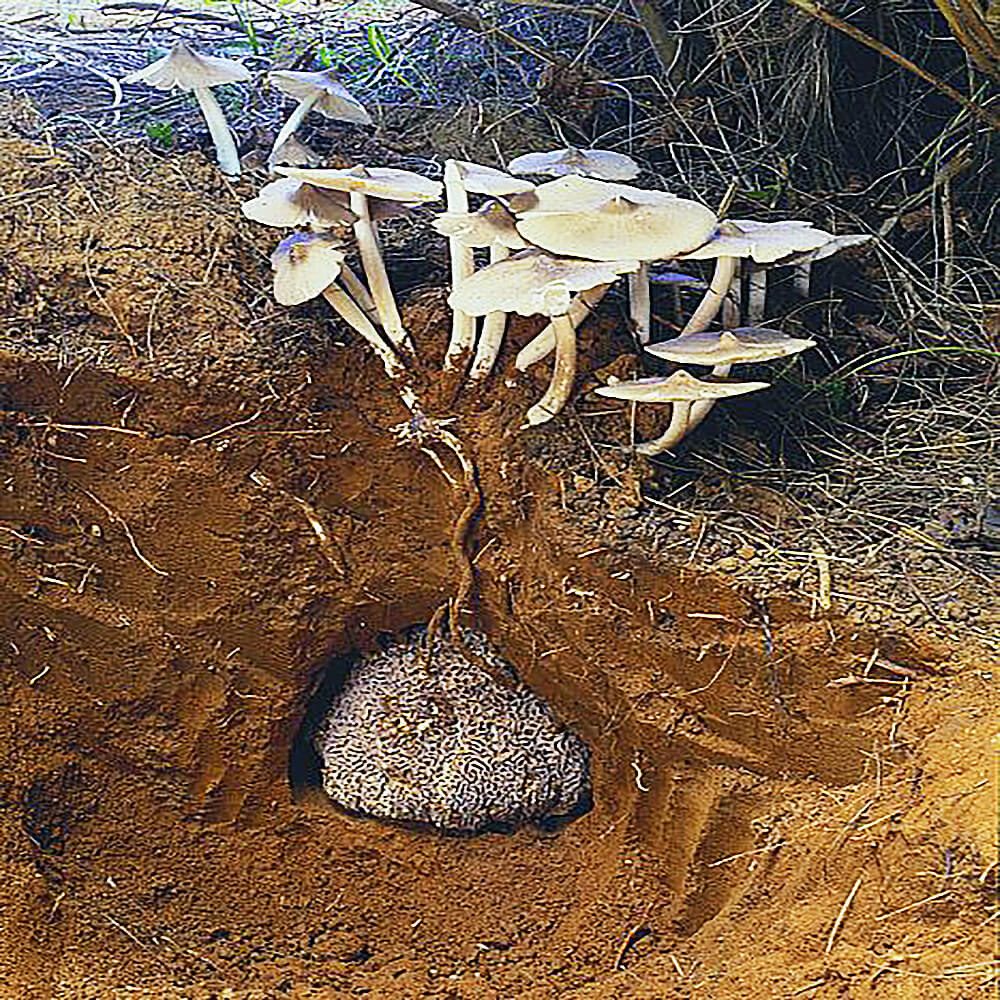
Termitomyces mushrooms represent Kenya's most cherished indigenous edible fungi growing symbiotically with termite colonies creating distinctive flat-capped mushrooms prized for exceptional flavor. These seasonal mushrooms appear during rainy periods May-July and October-November near active termite mounds throughout central and western regions. Commercial cultivation remains elusive though research institutions actively investigate domestication techniques potentially unlocking substantial market value.
Obukufuma mushrooms from Rift Valley Luhya territories exemplify culturally significant indigenous varieties protected by Slow Food Foundation as threatened traditional food. Harvested from Epanga Valley woodlands in Vihiga County northwestern Kenya, these large mushrooms feature grayish caps reaching 30cm diameter and white stems extending 40cm height. Traditional preservation involves smoking enabling 6-month storage transforming perishable fungus into durable flavoring agent for soups, beans, and maize dishes.
Forest mushrooms including chanterelles, champignons, and various boletes grow naturally in Kenyan coastal forests like Arabuko Sokoke and highland forest ecosystems. Seasonal availability during rainy periods creates temporary abundance though collection requires expert identification avoiding toxic species sharing habitat with edible varieties. Sustainable harvesting practices become essential preventing over-exploitation threatening forest ecosystem health and future mushroom productivity.
Nutritional and Medicinal Benefits
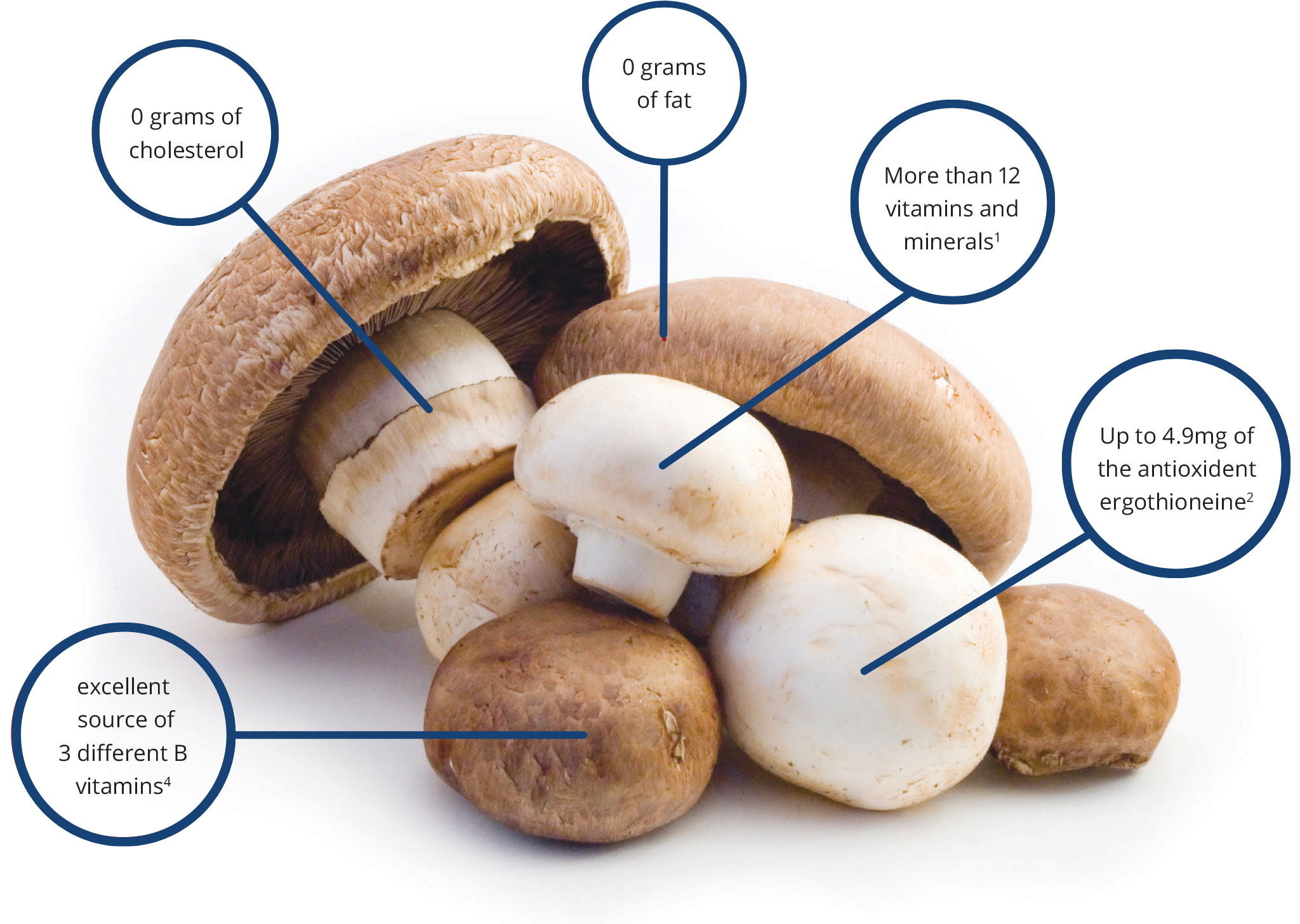
Edible mushrooms provide exceptional nutritional value delivering high-quality protein 20-35% dry weight, essential amino acids, B-complex vitamins particularly B2, B3, B5, and B12, and minerals including selenium, potassium, copper, iron, and phosphorus. Low calorie density 20-30 calories per 100g fresh weight combined with zero cholesterol positions mushrooms as ideal food for weight management and cardiovascular health.
Bioactive compounds in mushrooms demonstrate remarkable health-promoting properties. Beta-glucans strengthen immune function activating macrophages and natural killer cells. Antioxidants including ergothioneine and selenium combat oxidative stress reducing chronic disease risk. Shiitake mushrooms specifically contain lentinan polysaccharide demonstrating anti-tumor activity in research studies. Oyster mushrooms provide statins naturally reducing cholesterol levels.
Protein quality in mushrooms exceeds most vegetables though remains below animal sources. Essential amino acid profile particularly lysine makes mushrooms valuable complement to grain-based diets common throughout Kenya. Fiber content 10-25% dry weight supports digestive health, blood sugar regulation, and satiety. Vitamin D synthesis occurs when mushrooms receive ultraviolet light exposure during growth or post-harvest treatment creating rare plant-based vitamin D source.
| Nutrient Category | Oyster Mushroom | Button Mushroom | Shiitake Mushroom | Health Benefits |
|---|---|---|---|---|
| Protein (per 100g dry) | 25-30g | 20-25g | 20-23g | Muscle building, tissue repair, satiety |
| Dietary Fiber | 12-15g | 10-12g | 10-14g | Digestive health, cholesterol reduction |
| Vitamin B2 (Riboflavin) | High | Moderate | Very High | Energy metabolism, skin health |
| Vitamin D | Variable (UV exposure) | Low-Moderate | High (when dried in sun) | Bone health, immune function |
| Selenium | Moderate | High | Moderate | Antioxidant protection, thyroid function |
| Beta-Glucans | Present | Present | High (Lentinan) | Immune modulation, anti-tumor activity |
| Ergothioneine | Present | High | Moderate | Powerful antioxidant, neuroprotection |
| Calories (fresh) | 33 kcal | 22 kcal | 34 kcal | Weight management, low-calorie nutrition |
Safe Identification and Poisonous Species Awareness
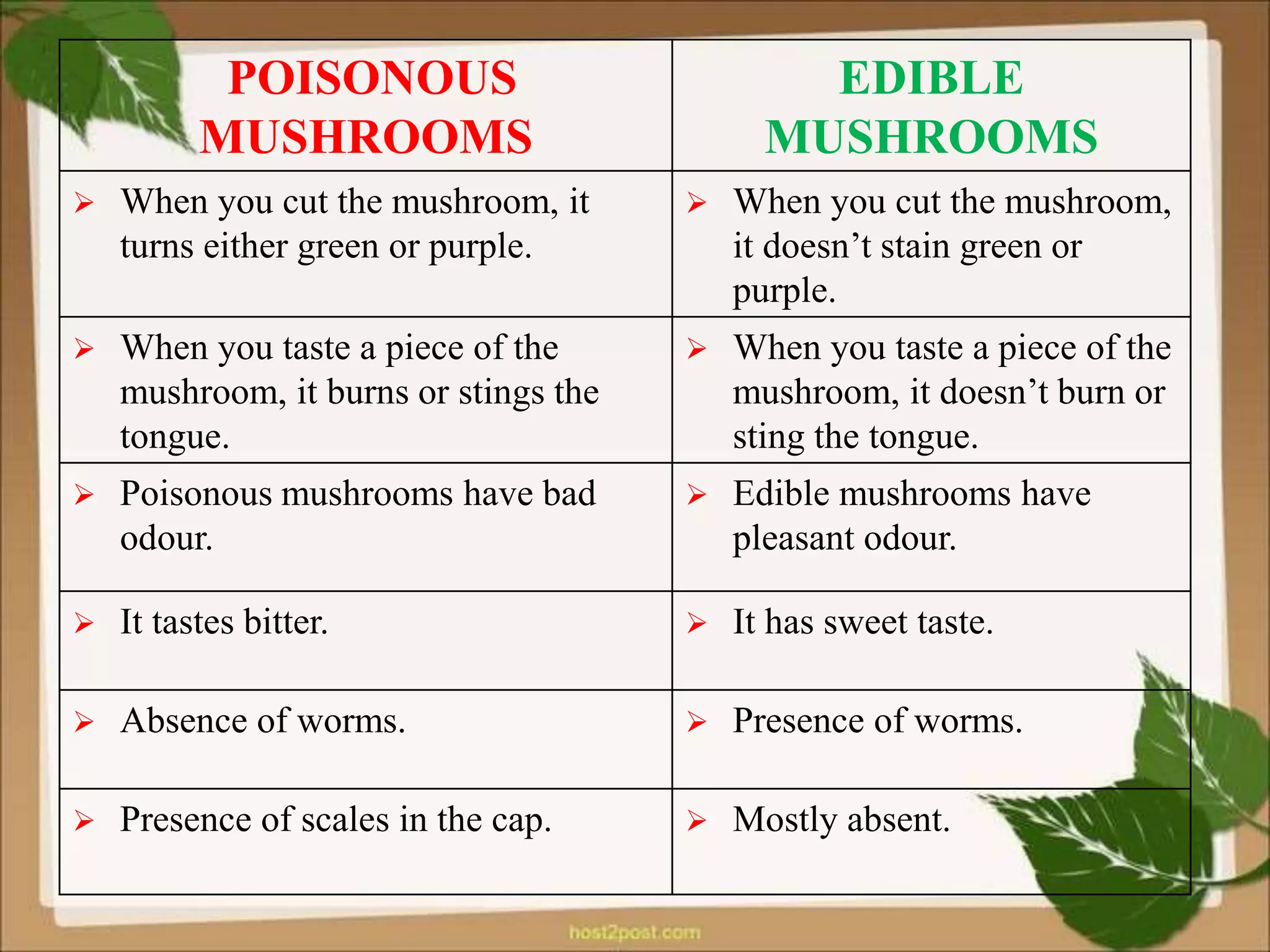
Mushroom identification demands extreme caution as toxic species often resemble edible varieties creating potentially fatal confusion. Kenya hosts several poisonous mushrooms including death cap (Amanita phalloides), destroying angel (Amanita virosa), and false parasol (Chlorophyllum molybdites) causing severe poisoning or death if consumed. Never consume wild mushrooms without expert identification from mycologist or experienced forager.
Reliable identification requires examining multiple characteristics including cap color and shape, gill attachment and color, stem structure and ring presence, spore print color, growing habitat, and seasonal timing. Single features prove insufficient as many toxic mushrooms share individual traits with edible species. Cultivated mushrooms from verified suppliers eliminate identification risks providing guaranteed safe consumption.
Common identification mistakes involve assuming brightly colored mushrooms are toxic while pale mushrooms are safe - this myth proves false as deadly Amanita species appear white or pale. Similarly, insect damage or animal consumption does not indicate edibility as many animals safely consume mushrooms toxic to humans. Cooking fails to neutralize most mushroom toxins contrary to dangerous folklore. Professional verification remains only safe approach for wild mushroom consumption.
⚠️ Critical Safety Guidelines for Wild Mushrooms
- Never consume without expert identification: Toxic species cause irreversible liver/kidney damage or death within 24-72 hours
- No reliable field tests exist: Color, smell, cooking, or animal consumption don't confirm safety
- Avoid "look-alike" identification: Many toxic mushrooms closely resemble edible varieties
- Don't mix collection batches: One toxic mushroom contaminates entire harvest
- Seek immediate medical attention: If poisoning suspected after consumption - bring mushroom samples to hospital
- Children especially vulnerable: Never allow children consuming wild mushrooms without verification
- Purchase from verified sources: Commercial suppliers guarantee species identification and safety
Cultivation Practices and Production Requirements
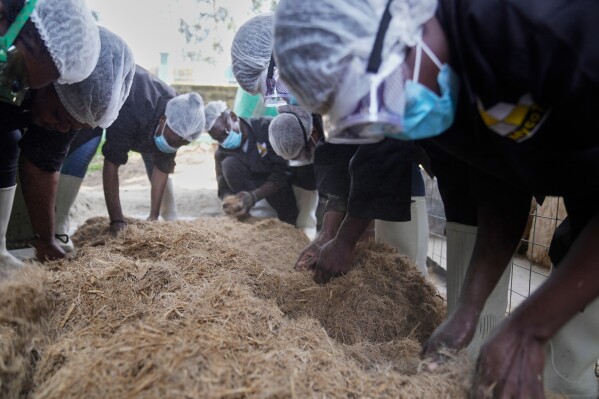
Oyster mushroom cultivation requires minimal infrastructure suitable for smallholder farmers with limited capital. Basic production utilizes polypropylene bags filled with pasteurized substrate - typically chopped maize stalks or wheat straw - inoculated with spawn then incubated 2-3 weeks before fruiting. Simple shed with shade netting, basic humidity maintenance through water spraying, and ambient temperature 20-30°C enables successful production yielding 2-4kg fresh mushrooms per 10kg substrate bag.
Button mushroom production demands substantial infrastructure investment including climate-controlled growing rooms maintaining 14-18°C temperature, specialized compost preparation facilities, and spawn production capacity. Compost preparation involves Phase I outdoor composting wheat straw with chicken manure 2-3 weeks followed by Phase II pasteurization and conditioning. Technical complexity and capital requirements concentrate button production among established commercial operators rather than smallholder farmers.
Substrate preparation fundamentally determines cultivation success across all mushroom varieties. Proper pasteurization 80-100°C for 1-2 hours eliminates competing fungi and bacteria while preserving beneficial microorganisms. Moisture content 60-70% optimizes spawn colonization avoiding excess water causing anaerobic conditions. Supplementation with wheat bran, rice bran, or gypsum enhances nutrition boosting yields 20-40% compared to straw-only substrates.
Market Opportunities and Commercial Potential
Kenya's mushroom market gap presents substantial opportunity with annual production 500 tonnes falling dramatically short of 1,200-tonne demand necessitating 700-tonne imports. Growing urban population, expanding middle class, increasing health consciousness, and rising vegetarian/vegan adoption drive sustained demand growth. Hotels, restaurants, supermarkets, and export markets actively seek reliable local suppliers offering consistent quality and volume.
Export potential remains largely untapped with European markets particularly UK, Netherlands, and Germany purchasing significant fresh and dried mushroom volumes. Meeting international quality standards, obtaining necessary certifications, and establishing cold chain logistics enables premium pricing 2-3x domestic rates. Organic certification, GLOBALG.A.P., and traceability systems position exporters accessing high-value markets.
Value addition opportunities multiply profit margins beyond fresh mushroom sales. Dried mushrooms achieve 8-10x concentration by weight enabling extended storage, reduced transportation costs, and year-round availability commanding premium pricing. Processed products including mushroom powder, soup mixes, snacks, and supplements serve growing health food segment. Mushroom cultivation training services, spawn production, and substrate preparation businesses support expanding farmer base.
💼 Commercial Mushroom Production Economics
Startup Investment (10kg daily capacity): KSh 50,000-100,000 (shed, equipment, initial materials)
Operating Costs Per Cycle: KSh 15,000-25,000 (substrate, spawn, labor, utilities)
Expected Yield: 200-300kg fresh oyster mushrooms per cycle (6-8 weeks)
Wholesale Price: KSh 300-500 per kg fresh oyster, KSh 2,500-4,000 per kg dried
Gross Revenue Per Cycle: KSh 60,000-150,000 (fresh sales)
Net Profit Margin: 40-60% after all costs
Payback Period: 3-6 months typical for efficient operations
Procurement and Wholesale Sourcing
Reliable mushroom procurement requires identifying verified suppliers maintaining consistent quality, food safety standards, and delivery reliability. Wholesale markets in Nairobi including Gikomba, Wakulima, and specific supplier networks provide bulk purchasing opportunities though quality varies requiring careful vendor selection. Direct farmer relationships eliminate intermediary margins while ensuring traceability and freshness.
Quality assessment examines multiple factors determining mushroom value and safety. Fresh mushrooms display firm texture without sliminess, pleasant earthy aroma without sour or ammonia odors, uniform color without dark spots or discoloration, and dry surface without excess moisture. Refrigerated storage 2-4°C extends shelf life 5-7 days though optimal quality maintained first 2-3 days post-harvest.
Bulk purchasing considerations include minimum order quantities, delivery schedules, payment terms, quality guarantees, and return policies. Establishing long-term relationships with reliable suppliers ensures priority allocation during shortage periods, price stability protection against market volatility, and flexibility accommodating changing volume requirements. Written purchase agreements protect both parties clarifying expectations and responsibilities.
🎯 Essential Insights for Mushroom Stakeholders
- Market Gap Opportunity: Kenya produces 500 tonnes annually against 1,200-tonne demand creating 700-tonne deficit filled by imports - substantial room for local production growth
- Oyster Mushroom Advantages: Easiest cultivation requiring minimal infrastructure, grows on agricultural waste, disease resistant, 6-8 week cycle - ideal for beginner farmers
- Nutritional Powerhouse: High protein 20-35% dry weight, rich in B vitamins, selenium, and beta-glucans with immune-boosting and cholesterol-reducing properties
- Indigenous Value: Termitomyces and obukufuma maintain cultural significance and premium pricing though cultivation remains challenging - wild harvest continues dominating supply
- Safety Paramount: Never consume wild mushrooms without expert identification - toxic species cause irreversible damage or death despite resembling edible varieties
- Commercial Viability: 40-60% profit margins typical with 3-6 month payback on KSh 50,000-100,000 initial investment for small-scale oyster production
Storage, Preservation, and Shelf Life
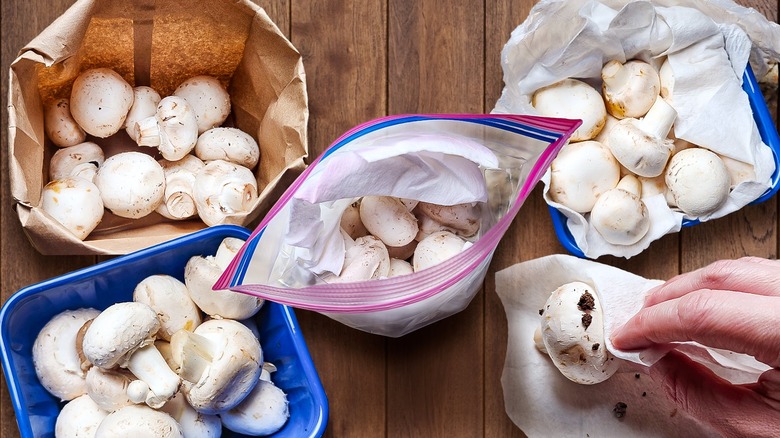
Fresh mushroom storage requires refrigeration 2-4°C with 90-95% humidity maintaining quality 5-7 days post-harvest. Paper bags or breathable containers prevent moisture accumulation causing sliminess while avoiding airtight plastic trapping moisture accelerating decay. Unwashed mushrooms store better than washed specimens as excess moisture promotes bacterial growth.
Drying preserves mushrooms indefinitely while concentrating flavor and nutrients. Sun drying traditionally employed though requires consistent weather and risks contamination. Electric dehydrators provide controlled 50-60°C drying environment completing process 6-12 hours depending on mushroom thickness. Properly dried mushrooms store 12-24 months in airtight containers away from light and moisture.
Blanching before freezing maintains quality though texture softens after thawing limiting use to cooked applications. Slice mushrooms, blanch 3-5 minutes in boiling water, cool rapidly in ice water, drain thoroughly, then freeze in sealed bags removing excess air. Frozen mushrooms maintain quality 10-12 months suitable for soups, stews, sauces, and stir-fries.
Frequently Asked Questions About Kenyan Edible Mushrooms
Building Sustainable Mushroom Value Chains
Kenya's mushroom sector requires coordinated stakeholder action optimizing value chain performance from production through consumption. Smallholder farmer support through accessible training, affordable inputs, quality spawn availability, and extension services strengthens production base. Market linkage development connecting farmers with buyers reduces post-harvest losses, ensures fair pricing, and provides production certainty.
Quality standards implementation including grading systems, packaging requirements, and traceability protocols elevates industry professionalism attracting premium buyers and export opportunities. Industry associations facilitate knowledge sharing, collective bargaining, and policy advocacy amplifying farmer voice influencing supportive regulatory frameworks. Research investment addressing cultivation challenges, variety improvement, and post-harvest handling advances technical capabilities.
Consumer awareness campaigns highlighting nutritional benefits, culinary versatility, and local availability expand market demand supporting sector growth. Value chain financing enabling producer access to working capital, equipment loans, and insurance products reduces financial barriers scaling operations. Integrated approach engaging producers, processors, traders, buyers, researchers, and policymakers builds resilient sustainable mushroom industry capturing substantial economic opportunity while improving nutrition security.