
🌿 Basil Price Per Kilogram
Complete global market analysis · Variety comparisons · Seeds pricing · Export FOB rates · Strategic bulk sourcing
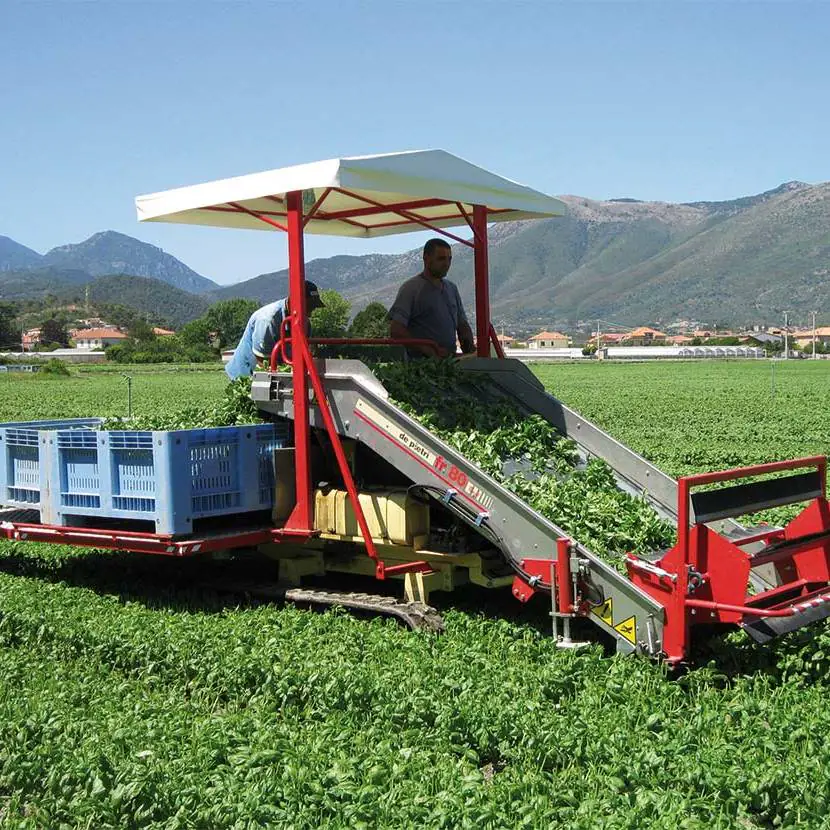
Basil pricing exhibits substantial global variation ranging from $1.50 to $160 per kilogram depending on variety, freshness, quality grade, organic certification, and geographic origin. Understanding these price determinants empowers buyers making informed sourcing decisions balancing cost constraints against quality requirements. Fresh sweet basil wholesale pricing typically ranges $8–22 per kilogram in developed markets while specialty varieties command premium rates reflecting cultivation complexity and market positioning.
🌿 Order Fresh Basil in Bulk →The culinary herb market demonstrates dynamic pricing patterns influenced by seasonal production cycles, transportation costs, import regulations, and evolving consumer preferences toward organic and specialty varieties. This comprehensive guide covers wholesale pricing, seeds markets, Egypt and India FOB export benchmarks, consumer retail comparisons, and strategic procurement frameworks — equipping buyers with actionable intelligence across diverse operational requirements.
Global Basil Price Snapshot
↑ Back to Contents📊 Global Basil Price Range by Category (Updated 2025–2026)
| Basil Category | Price Range (USD/kg) | Primary Markets | Typical Application | Key Characteristics |
|---|---|---|---|---|
| Fresh Sweet Basil | $13.23 – $22.05 | USA, Europe, Australia | Restaurant cooking, retail sale | Standard wholesale, 7–10 day shelf life |
| Fresh Italian Genovese | $15.00 – $28.00 | Europe, North America | Premium culinary, pesto making | Large leaves, intense flavor, 15–25% premium |
| Fresh Thai Basil | $1.57 – $18.00 | Southeast Asia, specialty stores | Asian cuisine, ethnic restaurants | Anise notes, purple stems, variable pricing |
| Fresh Opal/Purple Basil | $14.33 – $25.00 | Mexico, USA specialty markets | Garnish, premium presentations | Visual appeal, anthocyanin content |
| Dried Basil Leaves | $8.00 – $18.00 | Global food manufacturing | Processed foods, seasonings | 12–24 month shelf life, concentrated |
| Organic Fresh Basil | $18.00 – $35.00 | Health food retailers, premium venues | Organic restaurants, conscious consumers | Certified organic, +35–60% premium |
| Export Premium Grade | $39.08 – $159.53 | International luxury markets | High-end restaurants, specialty import | Air-freighted, impeccable quality |
| Budget Fresh Basil | $2.50 – $7.00 | Asia, Africa, Latin America | Local markets, institutional food | Regional production, minimal handling |
| Kenya Fresh Basil NEW | $3.00 – $12.00 | Kenya, East Africa, EU export | Local wholesale, European export | Farm gate $3–8/kg, Nairobi wholesale $6–12/kg |
| Philippines Fresh Basil NEW | $1.40 – $3.20 | Philippines, Southeast Asia | Local markets, foodservice | ₱80–180/kg, low-cost domestic production |
| Sri Lanka Fresh Basil NEW | $1.20 – $3.00 | Sri Lanka, South Asia | Local markets, small export | LKR 400–900/kg, favorable growing climate |
| Indonesia Kemangi NEW | $0.90 – $2.50 | Indonesia, regional SEA | Local cuisine staple | Rp 15,000–40,000/kg, lemon-scented variety |
| Egypt Dried Basil (FOB) NEW | $2.50 – $5.50 | Global food manufacturing, EU | Processed foods, herb blends | Top global exporter, FOB Port Said/Alexandria |
| India Dried Basil (FOB) NEW | $2.00 – $4.50 | USA, Europe, Middle East | Industrial herb, tea blends | FOB Mumbai/Nhava Sheva, steam sterilized |
Variety-Specific Pricing Analysis
↑ Back to ContentsSweet basil (Ocimum basilicum) represents market baseline commanding $13–22 per kilogram wholesale in North American and European markets. This variety dominates commercial production offering mild, slightly peppery flavor suitable for diverse culinary applications. California-grown sweet basil averages $16–20 per kilogram while Mexican imports range $13–18 reflecting labor cost differentials and transportation distances.
Italian Genovese basil commands consistent premiums 15–25% above sweet basil pricing due to superior flavor intensity, larger leaf size, and traditional pesto association. Wholesale Italian basil ranges $18–28 per kilogram with top-grade specimens from Mediterranean producers reaching $25–35. Consumer perception linking Italian basil with authentic cuisine justifies premium positioning despite similar cultivation requirements to sweet basil.
Thai basil presents unique pricing dynamics with extreme regional variation. Southeast Asian markets price Thai basil $1.50–5 per kilogram reflecting abundant local production and cultural dietary integration. Western specialty markets charge $12–18 per kilogram wholesale due to limited cultivation, importation costs, and ethnic cuisine popularity. The pronounced anise-licorice flavor profile creates a dedicated culinary niche supporting premium pricing in non-Asian markets.
Purple or Opal basil targets premium market segments with pricing $14–25 per kilogram wholesale. Visual appeal drives demand for garnishes, cocktails, and upscale presentations despite flavor similarities to sweet basil. Anthocyanin pigments providing purple coloration also contribute antioxidant content enabling health-focused marketing. Limited commercial production compared to green varieties maintains scarcity supporting premium rates.
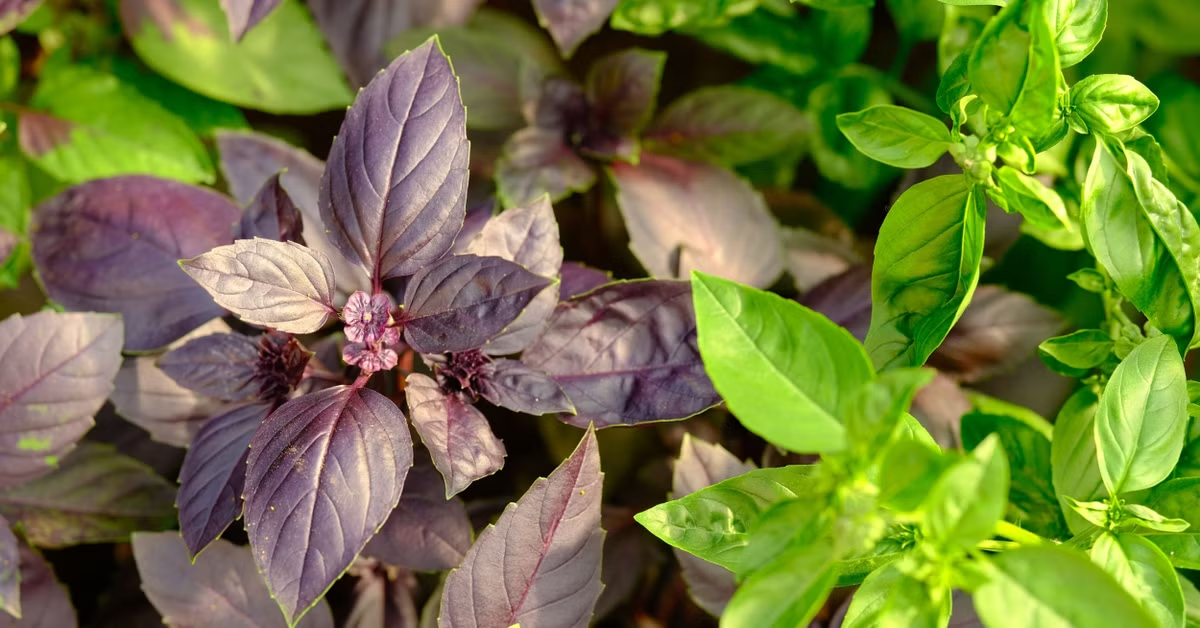
Sweet Basil
$13–22/kg
Standard workhorse variety
Italian Genovese
$18–28/kg
Premium pesto variety
Thai Basil
$1.57–18/kg
Extreme regional spread
Purple/Opal
$14–25/kg
Visual premium positioning
Basil Seeds & Sabja Seeds Price Per Kilogram
↑ Back to ContentsBasil seeds — particularly sabja seeds (sweet basil seeds) and holy basil (tulsi) seeds — represent a distinct and fast-growing product segment separate from fresh or dried herb pricing. In South Asia, sabja seeds are consumed as a cooling beverage ingredient and functional food, creating a substantial domestic market in India, Pakistan, and Bangladesh with growing international demand. Buyers should clearly distinguish between edible sabja seeds (consumed after soaking) and planting seeds (for cultivation), as pricing and grading differ significantly.
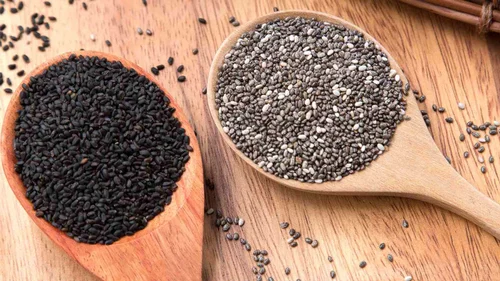
Sabja Seeds (Sweet Basil Seeds) — India Market
Sabja seeds (Ocimum basilicum seeds) are the most traded basil seed commodity globally, driven predominantly by Indian domestic consumption and export. India produces the majority of the world's sabja seeds with major growing regions in Rajasthan, Karnataka, and Uttar Pradesh. Farm gate pricing in India ranges ₹80–250 per kilogram ($0.97–3.00) depending on harvest quality, moisture content, and regional supply dynamics. Wholesale prices in Indian commodity markets range ₹150–350 per kilogram ($1.80–4.20) for standard commercial grade. Export pricing FOB Indian ports ranges $2.50–6.50 per kilogram depending on cleaning grade, moisture specification, and destination market requirements.
The 2024–2025 India sabja seed market saw price appreciation of 15–25% above prior year averages due to erratic monsoon conditions affecting yields in key growing districts. Premium sorted and cleaned sabja seeds meeting European and US phytosanitary standards command $5–9 per kilogram FOB India. Retail pricing in Indian markets for consumer packs (100g–500g) ranges ₹80–200 per 100 grams, equivalent to ₹800–2,000 per kilogram retail — a 4–8x markup above farm gate reflecting packaging, brand premium, and distribution costs.
Holy Basil / Tulsi Seeds — India Pricing 2024–2025
Holy basil (Ocimum tenuiflorum / Ocimum sanctum) seeds — marketed as tulsi seeds — occupy a premium segment driven by Ayurvedic wellness demand and herbal supplement applications. Tulsi seed farm gate pricing in India ranges ₹120–400 per kilogram ($1.45–4.80) with significant variation by cultivar (Rama, Vana, Krishna, Kapoor tulsi). Wholesale rates for sorted tulsi seeds range $3–8 per kilogram domestically while certified organic tulsi seeds command $10–20 per kilogram for export to European herbal supplement manufacturers.
Thousand seed weight for holy basil — a key agronomic and quality metric — typically ranges 0.12–0.18 grams, meaning one kilogram contains approximately 5.5–8.3 million seeds. Higher thousand seed weight indicates denser, better-developed seeds commanding premium pricing from growers and commercial seed companies. Export market demand for tulsi seeds has grown significantly with the global Ayurveda and functional foods movement, pushing premium certified organic tulsi export pricing to $15–30 per kilogram in Western markets.
Basil Seeds Price in Kenya
Kenya's basil seed market is smaller but growing, driven by both local herb cultivation and export ambitions. Basil planting seeds for commercial cultivation cost $5–15 per kilogram for standard open-pollinated varieties available through agricultural input suppliers in Nairobi, Nakuru, and Mombasa. Imported improved varieties or hybrid basil seeds for large-scale commercial growers range $20–80 per kilogram. Local farmers in Kiambu, Machakos, and Kajiado counties increasingly grow basil for Nairobi's restaurant and export markets, with seed availability and quality being a key constraint on expansion. For sabja/edible seeds, imported Indian-origin product is available in Nairobi specialty health stores at KES 800–1,500 per kilogram ($6–11).
🌱 Basil & Sabja Seeds — Quick Price Reference
| Seed Type | Origin | Farm Gate / Wholesale | Export FOB Price | Western Retail |
|---|---|---|---|---|
| Sabja (Sweet Basil Seeds) | India | ₹80–250/kg ($0.97–3.00) | $2.50–6.50/kg | $15–35/kg |
| Holy Basil / Tulsi Seeds | India | ₹120–400/kg ($1.45–4.80) | $3.00–8.00/kg | $20–45/kg |
| Organic Tulsi Seeds | India (certified) | ₹250–600/kg ($3.00–7.20) | $10–20/kg | $30–70/kg |
| Basil Planting Seeds | Kenya / India import | $5–15/kg local | $12–25/kg imported | $25–80/kg hybrid |
| Sabja Seeds (Retail Kenya) | India import | KES 800–1,500/kg | N/A | $6–11/kg |
Fresh Versus Dried Basil Economics
↑ Back to ContentsFresh basil wholesale pricing $13–22 per kilogram reflects perishability challenges requiring cold chain logistics, rapid distribution, and accepting 15–25% spoilage waste. Transportation demands refrigerated trucks maintaining 4–8°C temperatures. Storage necessitates humidity-controlled coolers preventing premature wilting. These infrastructure requirements substantially increase delivered costs particularly for long-distance supply chains.
Dried basil pricing $8–18 per kilogram appears higher than anticipated given processing simplicity, though moisture removal concentrates leaves 8–10 fold by weight. One kilogram dried basil effectively equals 8–10 kilograms fresh basil flavoring capacity. Accounting for concentration factor, dried basil delivers significantly lower cost per application ranging $0.10–0.20 per 10-gram serving versus $0.25–0.45 for fresh equivalent.
Flavor profile differences between fresh and dried basil create distinct applications justifying both forms. Fresh basil provides bright, aromatic, slightly peppery notes ideal for raw applications, garnishes, and last-minute cooking additions. Dried basil develops concentrated, earthy, slightly sweet character suited to slow-cooked dishes, marinades, and processed foods. Culinary requirements rather than pure economics often dictate fresh versus dried selection.
| Comparison Factor | Fresh Basil | Dried Basil | Economic Implication |
|---|---|---|---|
| Wholesale Price | $13–22/kg standard grade | $8–18/kg commercial grade | Fresh appears cheaper per kg |
| Concentration Factor | 1:1 (usable as purchased) | 8–10:1 (moisture removed) | Dried is actually more economical |
| Shelf Life | 7–10 days refrigerated | 12–24 months airtight | Dried dramatically reduces waste |
| Storage Cost | $20–40/month per 50kg | $0.50–1.00/month per 50kg | Fresh storage 20–40× more expensive |
| Spoilage Rate | 15–25% harvest to use | 2–5% with proper storage | Fresh waste adds 18–30% hidden cost |
| Transportation | Refrigerated required | Ambient, lightweight | Fresh shipping 3–5× dried cost |
| Effective Cost Per Serving | $0.25–0.45 per 10g equivalent | $0.10–0.20 per 10g equivalent | Dried 55–70% cheaper per serving |
| Quality Consistency | Variable by harvest and age | Stable throughout shelf life | Dried enables predictable costing |
Regional Market Price Differentials
↑ Back to ContentsNorth American basil pricing reflects domestic California production supplemented by Mexican imports. California-grown fresh basil averages $18–22 per kilogram wholesale benefiting from proximity to major consumption markets though facing high labor costs. Mexican production particularly Baja region supplies $13–18 per kilogram basil leveraging favorable climate, lower wages, and established export infrastructure serving southwestern United States markets.
European markets access Mediterranean basin production from Spain, Italy, Greece, and Turkey creating competitive wholesale pricing $10–20 per kilogram. Italian basil commands premium positioning $20–28 per kilogram emphasizing origin authenticity and quality perception. Northern European markets including UK, Germany, and Scandinavia rely heavily on greenhouse production during winter months elevating costs to $22–32 per kilogram for local off-season supply.
Asian markets demonstrate extreme pricing variation reflecting production abundance versus import dependency. Thailand, Vietnam, and India produce fresh basil $1.50–7 per kilogram serving massive domestic consumption and regional export. Japanese markets importing premium basil pay $25–45 per kilogram wholesale for quality-certified product meeting stringent safety standards. Middle Eastern markets range $8–18 per kilogram combining regional production with imports from Mediterranean and African sources.
African markets, particularly East Africa and Egypt, leverage favorable growing conditions producing export-grade basil $4–12 per kilogram wholesale. Kenya, Uganda, and Ethiopia supply European markets with air-freighted fresh basil competing on quality and price. Egyptian dried basil dominates global commodity trade at $6–12 per kilogram CIF offering exceptional value for food manufacturing and institutional foodservice applications.
The Philippines produces sweet basil and several local varieties at very low farm-gate costs of ₱40–100 per kilogram ($0.70–1.80), with Luzon and Visayas accounting for most commercial production. Sri Lanka's basil is closely tied to its herbal export sector, with fresh basil trading at LKR 400–900 per kilogram ($1.20–3.00) domestically. Indonesia's kemangi — a lemon-scented basil variant central to Padang and Javanese cuisine — is priced at Rp 15,000–40,000 per kilogram ($0.90–2.50), primarily serving local consumption with minimal export.
Egypt & India: The Global Dried Basil Export Benchmark
↑ Back to ContentsEgypt and India together account for the dominant share of the global dried basil commodity trade, supplying food manufacturers, spice blenders, and herb distributors across Europe, North America, and the Middle East. Understanding FOB pricing from these origins is essential for any international buyer benchmarking procurement costs.
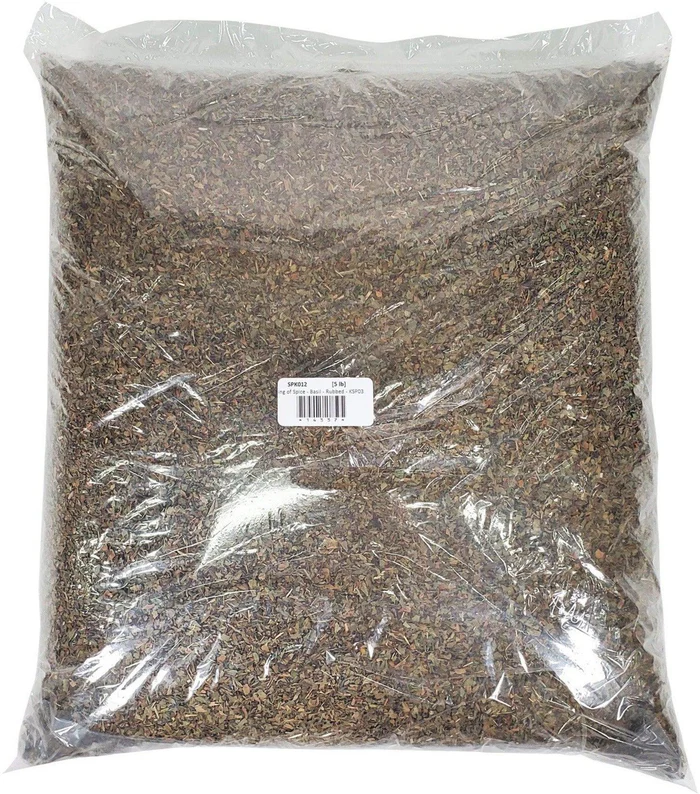
Egypt Dried Basil FOB Export Pricing (2023–2026)
Egypt is the world's leading exporter of dried basil by volume, with production concentrated in the Nile Delta region particularly Sharqia, Dakahlia, and Beheira governorates. Egyptian basil benefits from an ideal growing climate, abundant low-cost agricultural labor, established processing infrastructure, and proximity to Mediterranean shipping lanes. The Egyptian dried basil export industry is well-organized with hundreds of licensed processors supplying EU-compliant product.
🇪🇬 Egypt Dried Basil FOB Price Benchmarks
| Quality Grade | 2023 FOB (USD/kg) | 2024 FOB (USD/kg) | 2025–2026 Est. (USD/kg) | Notes |
|---|---|---|---|---|
| Standard Sun-Dried | $2.20 – $3.50 | $2.50 – $3.80 | $2.80 – $4.20 | Conventional, whole leaf |
| Steam Sterilized | $2.80 – $4.20 | $3.00 – $4.80 | $3.20 – $5.20 | EU/FDA compliant, low microbial |
| Organic Certified | $4.50 – $7.00 | $5.00 – $8.00 | $5.50 – $9.00 | EU Organic, Control Union cert. |
| Rubbed / Ground | $3.50 – $5.50 | $3.80 – $6.00 | $4.00 – $6.50 | Further processed, sieve cut |
| Premium Sorted Whole | $4.00 – $6.00 | $4.50 – $6.80 | $5.00 – $7.50 | Color sorted, low foreign matter |
FOB pricing is Port Said or Alexandria. CIF pricing to European ports adds $0.30–0.80/kg for ocean freight. Annual harvest variability influences spot prices by ±15–25%.
Key Egypt Basil Export Quality Grades Explained
Egyptian dried basil enters international trade in several grades that substantially affect pricing. Sun-dried conventional grade is the entry-level commodity product, processed by small and medium cooperatives with varying microbial loads — suitable for industrial seasoning applications but often requires buyer-side pasteurization. Steam sterilized grade meets EU food safety regulations (EC 1881/2006 and pesticide MRL directives) and FDA requirements, commanding $0.50–1.00 per kilogram premium above conventional. Organic certified Egyptian basil, increasingly demanded by European natural food manufacturers, carries an additional $2–4 per kilogram premium and requires continuous supply chain documentation through licensed certifiers including Control Union and CERES.
India Dried Basil FOB Export Pricing
India ranks as the second-largest dried basil exporter globally, with production centered in Madhya Pradesh, Uttar Pradesh, and Himachal Pradesh. Indian dried basil FOB prices from Mumbai or Nhava Sheva ports range $2.00–4.50 per kilogram for standard grade and $4.50–9.00 per kilogram for certified organic product. India's key competitive advantage is scale — large organized farming clusters enable consistent supply of both sweet basil and holy basil (tulsi) to international buyers. The USA, UK, Germany, and UAE are India's primary dried basil export destinations.
Top Dried Basil Exporting Countries (2024)
The global dried basil export landscape is dominated by a handful of producing nations with distinct competitive positions. Egypt leads by volume with an estimated 35–45% global market share driven by scale, climate, and logistics advantages. India holds approximately 20–28% of global dried basil exports with growing organic segment strength. Morocco contributes 8–12% of global supply particularly serving the French market through historical trade relationships. Vietnam and Indonesia contribute to Asian-origin supply while Kenya and Ethiopia are emerging African exporters competing on specialty and organic positioning. Understanding these market dynamics enables buyers to diversify supply chains mitigating single-origin concentration risk.
📦 What Egypt & India FOB Buyers Need to Know
Minimum Order Quantities: Egypt and India exporters typically require 1–5 MT minimums for spot orders, with 20MT+ for annual contracts unlocking best pricing.
Lead Times: 3–6 weeks from order confirmation to FOB loading; ocean transit to Europe adds 10–18 days.
Pesticide MRL Compliance: EU buyers must specify chlorpyrifos-free, EU-MRL compliant product in purchase orders — this affects approximately 30% of Egypt production.
Documentation Required: Phytosanitary certificate, certificate of origin, certificate of analysis (microbiology, moisture, heavy metals), organic certificate if applicable.
Payment Terms: LC at sight or 30% advance / 70% against documents standard. Established buyers may negotiate open account terms after 2–3 successful orders.
Consumer & Retail Basil Pricing
↑ Back to ContentsConsumer retail pricing for basil differs substantially from wholesale rates, with markup chains of 3–8× applied through distribution, packaging, retail overheads, and brand premiums. Understanding retail price benchmarks helps buyers contextualize the value gap between wholesale sourcing and end consumer pricing — a critical consideration for foodservice operators competing on ingredient costs.
How Much Does a Bunch of Basil Cost?
A standard fresh basil bunch (approximately 20–40 grams) retails between $1.49 and $4.99 in most Western supermarkets, equating to $37–125 per kilogram retail — a dramatic premium above wholesale rates of $13–22 per kilogram. Premium organic bunches retail $3.99–6.99 per bunch. Potted live basil plants — popular in European supermarkets — retail at €0.89–2.50 and contain 3–5× more leaf volume than a pre-cut bunch, often representing better consumer value per gram.
Is basil expensive? Relative to other fresh herbs like thyme or rosemary, basil occupies a mid-premium price tier. Its high water content means fresh basil delivers fewer flavor compounds per gram than concentrated herbs, and its rapid quality degradation means consumers frequently discard unused portions — making the effective cost per used gram higher than the shelf price suggests.
Supermarket vs. Wholesale: The Markup Chain
Understanding how basil is priced through the supply chain explains why foodservice operators benefit enormously from wholesale sourcing. A kilogram of fresh basil leaving a Kenya or Mexican farm at $3–6 passes through an importer/distributor adding $4–8 per kilogram, then a retailer adding a further 40–80% gross margin, ultimately retailing at $60–120 per kilogram equivalent (based on bunch pricing per gram). This 10–25× markup from farm to consumer shelf illustrates why bulk wholesale purchasing at $10–22 per kilogram represents exceptional value for restaurants, caterers, and food manufacturers.
Live Basil Plants Pricing
Potted live basil plants have grown in popularity across European and North American retail markets, offering consumers a fresh supply over several weeks versus the 3–5 day usability window of pre-cut bunches. Retail pricing for live basil pots ranges $1.50–4.00 in the USA and €0.89–2.50 in Europe. Wholesale nursery pricing for potted basil ranges $0.80–1.50 per pot for standard 9–11cm containers. For restaurants with windowsill or indoor growing capacity, live pot basil can represent the most cost-effective fresh basil option per gram consumed.
Organic Certification Price Premiums
↑ Back to ContentsOrganic certified basil consistently commands 35–60% premiums above conventional equivalents reflecting higher production costs, certification expenses, and consumer willingness to pay for perceived health and environmental benefits. Organic fresh basil wholesale pricing ranges $18–35 per kilogram versus $13–22 conventional. Premium positioning requires third-party certification verifying organic practices throughout production, handling, and distribution chains.
Production cost increases driving organic premiums include prohibited synthetic inputs necessitating more expensive natural alternatives, reduced yields from organic pest management limitations, mandatory buffer zones reducing productive acreage, and extensive record-keeping requirements. Annual organic certification fees $500–2,500 depending on farm size and certifying body must be recovered through premium pricing.
Market dynamics sustain organic basil premiums as health-conscious consumers, premium restaurants, and specialty retailers prioritize organic status willing to absorb higher costs. Natural food retailers like Whole Foods and specialty chains dedicate significant shelf space to organic herbs supporting consistent premium pricing throughout distribution channels.
💚 Quality Premium Factors Beyond Organic
Visual Grade (+15–30%): Uniform leaf size, no damage, vibrant color, no yellowing or browning
Freshness Premium (+20–40%): Harvest within 24–48 hours, maintained cold chain, optimal turgor pressure
Certification Stack (+10–25% each): Fair Trade, Rainforest Alliance, GAP (Good Agricultural Practices), Non-GMO Project
Origin Designation (+15–25%): Italian grown, California grown, greenhouse Dutch, specific regional appellations
Processing Standard (+10–20%): Hand-harvested, stem-trimmed, pre-washed, ready-to-use preparation
Volume Purchasing Price Structure
↑ Back to ContentsSmall retail purchases 1–5 kilograms face highest per-unit pricing $18–25 per kilogram fresh or $15–22 dried due to packaging, handling, and distribution costs overwhelming small order values. Foodservice distributors add 40–60% markup above wholesale rates serving low-volume restaurant accounts. Independent restaurants purchasing through broadline distributors effectively pay $20–35 per kilogram for fresh basil.
Medium volume orders 10–50 kilograms access wholesale distributor pricing achieving 20–35% discounts versus retail rates. Fresh basil drops to $14–20 per kilogram while dried reaches $10–16. Restaurant groups, catering operations, and specialty food manufacturers typically operate in this volume tier balancing reasonable pricing against manageable order sizes and storage capacity constraints.
Large bulk purchases 100+ kilograms unlock direct grower or processor pricing representing 40–55% savings versus small retail purchases. Fresh basil achieves $10–16 per kilogram direct from farms or importers. Dried basil ranges $6–12 per kilogram from processors and commodity traders. Food manufacturers, chain restaurants, and institutional foodservice operations consuming substantial volumes pursue direct supply relationships maximizing cost efficiency.
Annual contract commitments guarantee volume over extended periods securing absolute lowest pricing plus supply stability during shortage periods. Buyers committing 500+ kilograms annually negotiate 5–15% additional discounts below spot market rates. Contracts specify delivery schedules, quality standards, and price adjustment mechanisms protecting both parties from market volatility while ensuring reliable supply-demand matching.
Seasonal Price Variations
↑ Back to ContentsPeak growing season April–September provides abundant fresh basil supply driving prices 15–30% below annual averages. Outdoor field production maximizes during warm months reducing cultivation costs compared to controlled-environment growing. California harvest peaks June–August flooding western markets with competitively priced basil $12–18 per kilogram wholesale during this window.
Winter months November–March experience elevated fresh basil pricing rising 25–45% above summer baseline as production shifts to expensive greenhouse operations or distant Southern Hemisphere sources. Heating, lighting, and controlled environment costs substantially increase winter greenhouse basil production expenses. Import costs from Mexico, Central America, or Africa add freight and cold chain expenses further inflating winter pricing to $18–28 per kilogram wholesale.
Dried basil demonstrates minimal seasonal price variation as processing facilities stockpile during abundant fresh harvest periods then release inventory steadily year-round. Post-harvest processing period September–November offers best dried basil pricing as processors compete moving inventory ahead of new crop. Strategic buyers time dried basil procurement during this window capturing 10–20% discounts versus spring pricing when dried inventory depletes ahead of new harvest.
🎯 Strategic Pricing Insights Summary
- Variety Selection: Sweet basil ($13–22/kg) provides standard value while Italian Genovese ($18–28/kg) justifies premium pricing only for pesto-focused or authentic Italian applications
- Fresh vs Dried Economics: Despite higher per-kg cost, dried basil ($8–18/kg) delivers 55–70% lower effective cost per serving accounting for 8–10× concentration factor
- Seeds Segment: Sabja/tulsi seeds ($1–8/kg FOB India) represent a high-growth adjacent market — edible seeds vs planting seeds pricing differs significantly
- Egypt FOB Benchmark: Egypt standard dried basil at $2.50–5.50/kg FOB is the global commodity anchor; organic and steam-sterilized grades command 60–100% premium above standard
- Regional Sourcing: Asia offers lowest fresh basil $1.50–7/kg; Europe balances quality and value $10–20/kg; Kenya and East Africa offer emerging competitive export pricing $3–12/kg
- Volume Leverage: Large purchases 100kg+ achieve 40–55% savings versus retail; annual contracts add a further 5–15% discount
- Seasonal Timing: April–September growing season offers 15–30% below annual average; winter months carry 25–45% premiums
- Organic Premium Economics: 35–60% premium ($18–35/kg vs $13–22/kg conventional) justified only for certified organic menu requirements or health-focused positioning
Quality Indicators Affecting Pricing
↑ Back to ContentsVisual appearance significantly impacts basil pricing as restaurants and retailers prioritize attractive presentation for customer-facing applications. Premium-grade basil exhibits vibrant deep green coloration without yellowing, browning, or black spotting. Uniform leaf size, intact stem structure, and no physical damage indicate careful handling throughout harvest and distribution. First-grade fresh basil commands 20–35% premiums above utility-grade product with cosmetic imperfections though equivalent flavor.
Aromatic intensity measured informally through scent strength or technically through essential oil analysis correlates with pricing. High-quality basil releases pronounced characteristic fragrance when leaves are gently crushed. Essential oil content 0.5–2.0% indicates superior aromatic properties versus 0.2–0.5% in lower-grade product. Aromatic potency premiums range 15–25% as flavor-focused applications demand intense basil character.
Freshness measured by days post-harvest dramatically affects pricing and purchasing decisions. Basil harvested within 24–48 hours commands premiums 20–40% above 5–7 day old product as flavor, aroma, and visual appeal degrade rapidly. Cold chain integrity throughout distribution preserves freshness though adds costs. Smart buyers verify harvest dates and refrigeration history before committing to purchases as aged basil at fresh prices represents poor value.
Import Duties and Certification Costs
↑ Back to ContentsInternational basil trade involves various duties, certifications, and compliance costs impacting final delivered pricing. United States imports fresh basil typically duty-free under agricultural provisions though phytosanitary certification is required costing $100–400 per shipment. The European Union applies standard agricultural tariffs plus strict pesticide residue testing requirements adding compliance costs. Some markets maintain protective duties 10–25% supporting domestic growers creating price floors above direct import costs.
Organic certification requires annual fees $500–2,500 plus ongoing compliance documentation, inspection costs, and potential premium inputs. Fair Trade certification adds $2,000–5,000 annual costs plus premium payments to certified growers. GAP (Good Agricultural Practices) certification costs $1,000–3,000 demonstrating food safety protocols demanded by major retail chains. These certifications cumulatively add $0.50–2.00 per kilogram in recovered costs though enable market access and premium positioning offsetting expenses.
Export documentation, quality testing, and customs clearance collectively add $0.30–1.50 per kilogram for international fresh basil shipments. Air freight requirements for premium fresh basil add $5–12 per kilogram transportation costs versus ocean freight dried basil at $0.50–1.50 per kilogram. These logistics factors explain substantial price differentials between local production and imported product even from low-cost origins.
Storage and Handling Cost Implications
↑ Back to ContentsFresh basil storage demands refrigeration maintaining 7–10°C temperatures with 90–95% humidity preventing wilting. Commercial refrigeration costs $0.03–0.06 per kilogram daily including electricity, equipment depreciation, and maintenance. Operations storing 50–100 kilograms fresh basil incur $25–50 monthly cold storage expenses. Specialized herb coolers with humidity control cost more than standard refrigeration but preserve quality better justifying premium investment for high-volume users.
Dried basil storage proves vastly more economical requiring only cool, dry, dark conditions with basic airtight containers preventing moisture absorption. Storage costs approximate $0.15–0.30 per kilogram monthly for commercial dry goods warehousing. Extended 12–24 month shelf life enables strategic large-volume purchases during favorable pricing periods without excessive inventory risk. Low storage costs combined with stable quality make dried basil attractive for operations with fluctuating demand.
Handling labor represents an often-overlooked cost factor in basil procurement. Fresh basil requires careful unpacking, inspection, refrigeration management, and prompt use before quality degrades. Estimated labor costs $3–8 per delivery processing depending on order size and facility. Dried basil needs minimal handling — simple transfer to storage containers and basic inventory rotation. Labor cost differentials favor dried basil particularly for high-volume operations where cumulative handling expenses become substantial.
Strategic Procurement Recommendations
↑ Back to ContentsConduct comprehensive usage analysis documenting variety requirements, application purposes, and consumption patterns before committing to procurement strategy. Operations emphasizing pesto, fresh garnishes, or raw applications must prioritize fresh basil despite higher costs and handling complexity. Establishments focusing on cooked dishes, processed foods, or flavor integration benefit substantially from dried basil's economics and convenience.
Develop diversified supplier relationships balancing reliability, quality consistency, competitive pricing, and supply security. Maintain a primary supplier for regular needs while cultivating secondary sources providing backup during disruptions and competitive pressure encouraging favorable pricing. Direct relationships with growers suit high-volume operations while regional distributors better serve smaller accounts lacking negotiating leverage and storage capacity.
Implement seasonal procurement strategies timing major purchases during abundant harvest periods April–September capturing 15–30% pricing advantages. Consider contract commitments guaranteeing annual volumes securing lowest rates plus supply stability. Bulk purchases during favorable windows require adequate storage capacity and inventory management preventing waste from over-purchasing or quality degradation during storage.
Multilingual Basil Pricing Reference
↑ Back to ContentsBasil is a globally traded commodity with buyers and sellers operating across multiple languages. Below is a quick pricing reference for buyers researching in Arabic, German, and French — the most common non-English language searches for basil pricing globally.
🌐 Global Basil Pricing — Quick Reference
سعر كيلو الريحان: يتراوح سعر كيلوغرام الريحان الطازج بالجملة بين 13 و22 دولاراً في أسواق أوروبا وأمريكا. وفي مصر، يبلغ سعر كيلو الريحان الجاف للتصدير بين 2.5 و5.5 دولار FOB.
Price per kg basil (Arabic markets): Fresh wholesale $13–22/kg globally; Egypt dried basil FOB $2.50–5.50/kg; Saudi/UAE import $8–18/kg. Seeds (بذور الريحان): $2.50–6.50/kg FOB India.
Basilikum Preis pro kg: Frisches Basilikum Großhandel €10–20/kg (EU-Produktion), €13–22/kg Importware. Basilikum bei Aldi: ca. €0,99–1,49 pro Topf (Einzelhandel). Basilikum in großen Mengen kaufen: ab €8/kg für Trockenware, direkte Lieferung auf Anfrage möglich.
Prix basilic frais au kg: Basilic frais en gros €10–20/kg en Europe, €18–28/kg pour basilic italien Genovese. Prix basilic frais au détail: €1,20–2,80 en supermarché (Intermarché, Carrefour, Lidl). Prix basilic séché en vrac: €6–14/kg selon origine et qualité.
Frequently Asked Questions About Basil Pricing
Making Informed Basil Purchasing Decisions
Successful basil procurement requires balancing multiple factors including variety selection, freshness requirements, quality standards, volume commitments, seeds versus herb requirements, and budget constraints. No single sourcing strategy universally optimal across diverse operational contexts. Restaurants emphasizing Italian cuisine and fresh presentations must prioritize fresh Italian basil despite premium pricing while institutional foodservice operations benefit substantially from bulk dried basil economics. International buyers sourcing dried basil at scale should benchmark against Egypt FOB rates as the global commodity anchor, while buyers in South Asian markets should track India sabja seed prices as a barometer for edible seed pricing.
Develop clear purchasing specifications documenting acceptable quality parameters, preferred varieties, delivery frequencies, and price tolerance ranges. Written specifications enable consistent supplier communication, objective quality assessment, and effective price comparison across multiple vendors. Specifications should address visual standards, freshness expectations, organic requirements, origin preferences, and packaging needs ensuring delivered product meets operational requirements.
Conduct regular procurement strategy reviews reassessing supplier performance, market pricing trends, and operational basil requirements. Menu changes, volume growth, and market conditions evolve necessitating periodic sourcing optimization. Maintain flexibility adapting strategies based on seasonal pricing opportunities, quality availability, and competitive supply dynamics. Successful basil procurement combines strategic planning with tactical responsiveness maximizing value while ensuring consistent supply meeting operational demands.
🌿 Get a Basil Wholesale Quote →