
🍊 Types of Oranges in Kenya
Complete variety guide, growing regions & export market analysis
Kenya cultivates diverse orange varieties spanning commercial export cultivars, traditional local types, and emerging specialty selections adapted to varied climatic zones from coastal lowlands through mid-altitude highlands reaching 2,100 meters above sea level. Primary commercial varieties including Valencia, Washington Navel, and Pixie dominate market share supporting robust domestic consumption and growing international export trade, while traditional local selections including Ndori, Kakamega, and regional landraces maintain cultural significance and niche market positioning particularly valued for unique flavor profiles and climate resilience characteristics unavailable through conventional commercial cultivars.
Orange production concentrates in Eastern Kenya counties including Machakos, Makueni, and Kitui where semi-arid conditions favor drought-tolerant varieties, coastal regions benefiting from warm temperatures and consistent moisture supporting year-round production cycles, and Central Kenya highlands including Murang'a, Nyeri, and Kiambu where cooler temperatures enhance fruit color development and sugar accumulation. Understanding variety-specific characteristics including maturation timing, yield potential, market preferences, pest resistance, and climatic adaptability enables strategic cultivation decisions optimizing profitability across diverse agro-ecological zones throughout Kenya's citrus-producing regions.
🍊 Buy Premium Kenyan Oranges in Bulk →This comprehensive variety guide explores commercial orange types dominating Kenyan production, traditional local selections maintaining regional importance, emerging specialty varieties gaining market traction, growing region suitability mapping, cultivation characteristics comparison, market positioning analysis, export opportunities assessment, and strategic variety selection frameworks enabling informed decisions for farmers, exporters, and agricultural stakeholders navigating Kenya's dynamic citrus industry landscape characterized by increasing quality standards, expanding export markets, and evolving consumer preferences driving continuous variety evaluation and adoption patterns shaping future production trajectories.
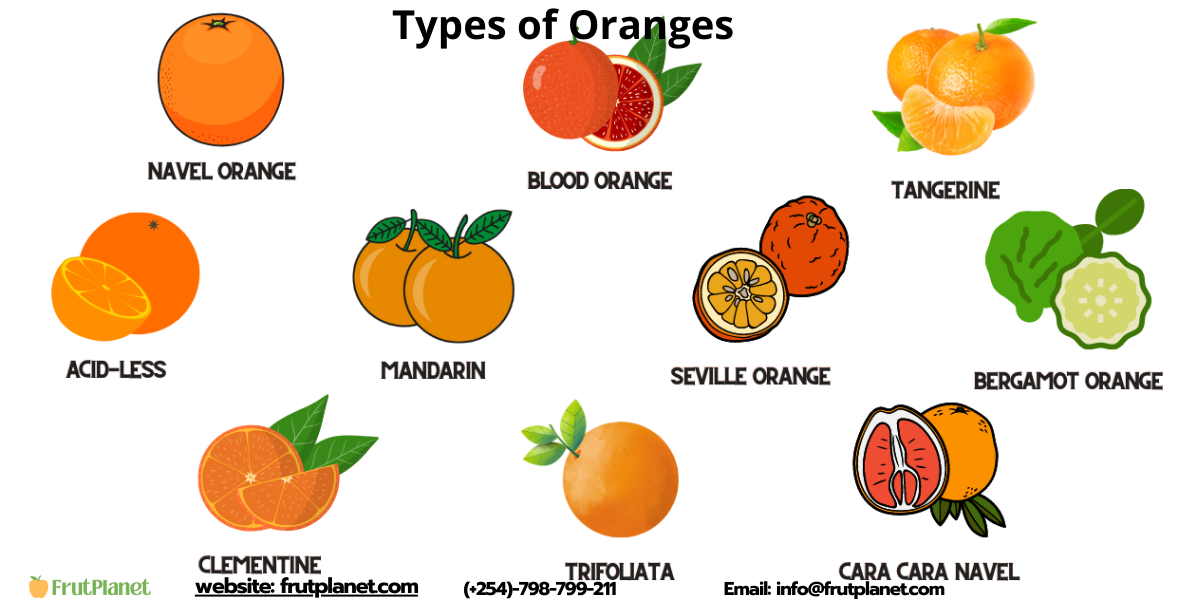
📊 Major Kenyan Orange Varieties Comparison
| Orange Variety | Growing Regions | Maturation Period | Key Characteristics | Primary Markets |
|---|---|---|---|---|
| Valencia | Central Kenya, Rift Valley, coastal areas | Mid-season, late summer harvest | High juice content, bright color, excellent storage, seedless to minimal seeds | Juice processing, export markets, domestic retail |
| Washington Navel | Central highlands, mid-altitude zones 1,000-1,800m | Early season, winter harvest | Seedless, easy peeling, distinctive navel formation, large fruit size | Fresh consumption export, premium domestic market |
| Pixie (Clanor) | Makueni, Kitui, Machakos, higher altitude zones | Late season, extended harvest window | Small-medium size, exceptionally sweet, easy peeling, seedless, high sugar content | US/European export, premium fresh market, specialty retail |
| Mandarin/Tangerine | Warm coastal regions, lower altitude areas | Early-mid season variable by type | Loose skin, easy peeling, sweet flavor, seedless varieties available, smaller size | Fresh snacking, salad market, regional export (Rwanda, Uganda, Somalia) |
| Hamlin | Lowland areas 0-1,200m, coastal zones | Early season, quick maturation | High juice yield, smooth skin, moderate sweetness, good processing quality | Juice industry, early market window, processing operations |
| Navelate | Mid-altitude zones, Central Kenya | Late season, extends harvest calendar | Similar to Washington Navel, later maturity, good storage capability | Fresh market, extends supply season, export opportunity |
| Cara Cara | Specialized production zones, emerging cultivation | Mid-season harvest | Pink-red flesh, sweet flavor, low acidity, distinctive appearance, premium positioning | Specialty export, high-value domestic market, niche consumer segments |
| Local Varieties (Ndori, Kakamega) | Traditional growing regions, diverse zones | Variable seasonal patterns | Smaller size, tangy flavor, climate resilience, disease tolerance, regional adaptation | Local fresh markets, artisan production, organic market segments |
Valencia Oranges: Kenya's Juice Industry Foundation
Valencia oranges represent Kenya's most widely cultivated commercial variety particularly dominant in Central Kenya, Rift Valley, and coastal production zones where favorable temperatures and well-distributed rainfall support consistent yields averaging 150-200 fruits per mature tree annually. Valencia's mid-season maturation timing fills critical late summer harvest window extending supply availability beyond early-season varieties, while exceptional juice content ranging 45-55% total fruit weight positions Valencia as preferred processing variety supplying Kenya's expanding juice manufacturing sector demanding consistent quality, high yield, and favorable flavor balance.
Bright orange exterior coloration develops excellently under Kenya's highland growing conditions where cooler nighttime temperatures enhance pigment development, while fruit maintains good post-harvest storage capability lasting 2-3 weeks under ambient conditions and 4-6 weeks with proper refrigeration enabling flexible marketing timing and export shipment scheduling. Minimal seed content ranging 0-3 seeds per fruit appeals to processing operations minimizing waste and fresh market consumers preferring convenient seedless consumption, though Valencia typically contains more seeds than dedicated seedless varieties including Washington Navel or Pixie selections.
Commercial cultivation research demonstrates Valencia yield advantages over Washington Navel under Kenyan conditions with documented 33% production increases over two-decade comparison periods when managed under similar agronomic protocols. Valencia's adaptability across diverse altitude ranges from sea level through 1,800 meters provides flexibility for growers operating varied farm locations, while robust disease resistance particularly against citrus greening compared to more susceptible varieties reduces production risks though comprehensive integrated pest management remains essential protecting investment value throughout productive lifespan extending 20-25 years under optimal maintenance practices.
Washington Navel: Premium Fresh Market Standard
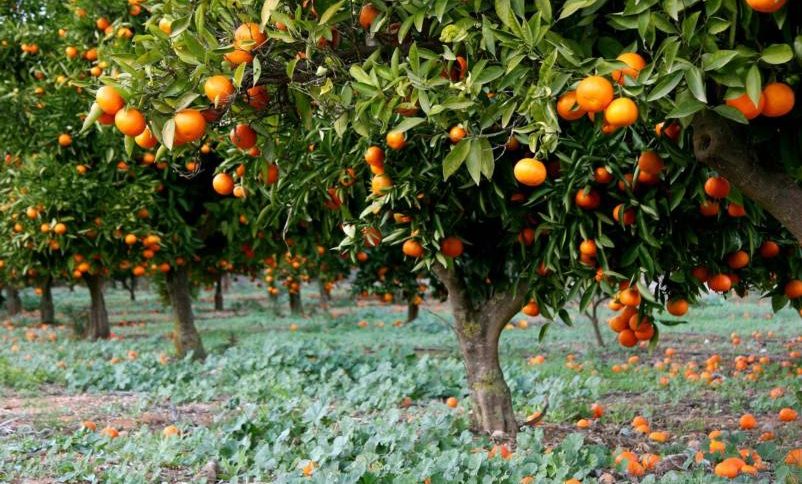
Washington Navel commands premium market positioning throughout Kenya's citrus industry driven by seedless convenience, easy peeling characteristics, and distinctive navel formation creating superior fresh consumption experience particularly valued by retail consumers willing to pay elevated prices for quality differentiation. Central highland cultivation zones including Murang'a, Nyeri, Kiambu, and mid-altitude Rift Valley locations between 1,000-1,800 meters above sea level provide optimal growing conditions where cooler temperatures during fruit development enhance sugar accumulation, color intensity, and navel formation quality determining market grade and pricing premiums.
Early season maturation timing positions Washington Navel capturing initial fresh market demand when supply limited and pricing advantageous for growers achieving first-to-market premiums before later-season varieties flood markets driving price competition. Large fruit size averaging 200-250 grams per orange appeals to consumer perception of value and quality, while thick rind provides excellent protection during handling and transportation reducing post-harvest losses that compromise thinner-skinned varieties particularly important for export operations requiring extended supply chains and multiple handling stages before final retail presentation.
Seedless characteristics eliminate consumer inconvenience associated with seed removal enhancing eating experience and broadening market appeal across demographic segments including children, elderly consumers, and foodservice applications preferring hassle-free preparation. Washington Navel's easy peeling capability stems from loose albedo (white pith) attachment separating cleanly from fruit segments enabling hand peeling without knives or specialized equipment increasing convenience factor driving consumer preference and repeat purchase behavior supporting sustained market demand justifying cultivation investment despite somewhat lower yields compared to Valencia under comparable growing conditions.
Pixie Oranges: Kenya's Export Market Champion
Pixie oranges, particularly Clanor variety, dominate Kenya's international orange export trade capturing substantial market share in American and European destinations where premium pricing rewards exceptional sweetness, seedless convenience, and consistent quality meeting stringent import specifications. Eastern Kenya production concentration in Makueni, Kitui, and Machakos counties leverages semi-arid climate advantages where limited rainfall during critical development phases concentrates sugar content achieving brix levels 12-14% substantially exceeding conventional varieties typically ranging 10-11% creating taste differentiation consumers willingly reward through premium pricing averaging 20-30% above standard orange varieties.
Small to medium fruit size ranging 100-150 grams per orange initially perceived as marketing disadvantage actually enables competitive positioning in snacking and convenience segments where portion control appeals to health-conscious consumers and single-serving preferences drive purchasing decisions. Characteristically flattened fruit shape at top and bottom creates distinctive visual identity differentiating Pixie from round conventional varieties supporting brand recognition and premium positioning essential capturing value-added market segments rather than competing in commodity bulk markets dominated by price competition undermining profitability.
Late-season maturation extends harvest calendar enabling continuous supply coordination across production zones and providing market window separation from earlier Washington Navel and Valencia peaks reducing competitive price pressure. Easy peeling characteristics rival Washington Navel convenience while maintaining Pixie's superior sweetness creating optimal combination of taste and convenience attributes consumers prioritize in fresh orange selection decisions. Seedless nature eliminates processing complexity for juice applications and consumer inconvenience during fresh consumption, while extended on-tree hanging capability allows flexible harvest timing coordinating with market demand fluctuations and export logistics scheduling optimizing returns through strategic marketing rather than forced harvest timing dictated solely by fruit maturity progression.
🌍 Kenyan Orange Export Market Positioning
Pixie Oranges: Premium export to USA, Europe commanding $2.00-2.50/kg FOB versus $1.30-1.80/kg conventional varieties. Target markets value seedless convenience, exceptional sweetness, and consistent quality meeting import specifications.
Valencia Processing: Juice concentrate export and domestic beverage industry supplying 60-70% Kenya's processed orange juice production. Industrial buyers prioritize high juice yield, flavor consistency, and competitive pricing.
Mandarin/Tangerine: Regional export to Rwanda, Uganda, Somalia, China targeting easy-peel snacking preferences and salad applications. Soft skin requires premium packaging increasing logistics costs offset by market preference premiums.
Washington Navel: Fresh export opportunity to Middle East, European specialty markets seeking seedless premium fruit. Large size and quality appearance support retail differentiation and favorable shelf positioning.
Specialty Varieties (Cara Cara): Emerging niche export to health-conscious markets emphasizing unique pink flesh, enhanced nutritional profile, and novel flavor experiences commanding 40-60% premiums above conventional orange pricing.
For comprehensive export variety selection guidance, explore our detailed analysis: 5 Types of Oranges to Export
Mandarin and Tangerine Varieties
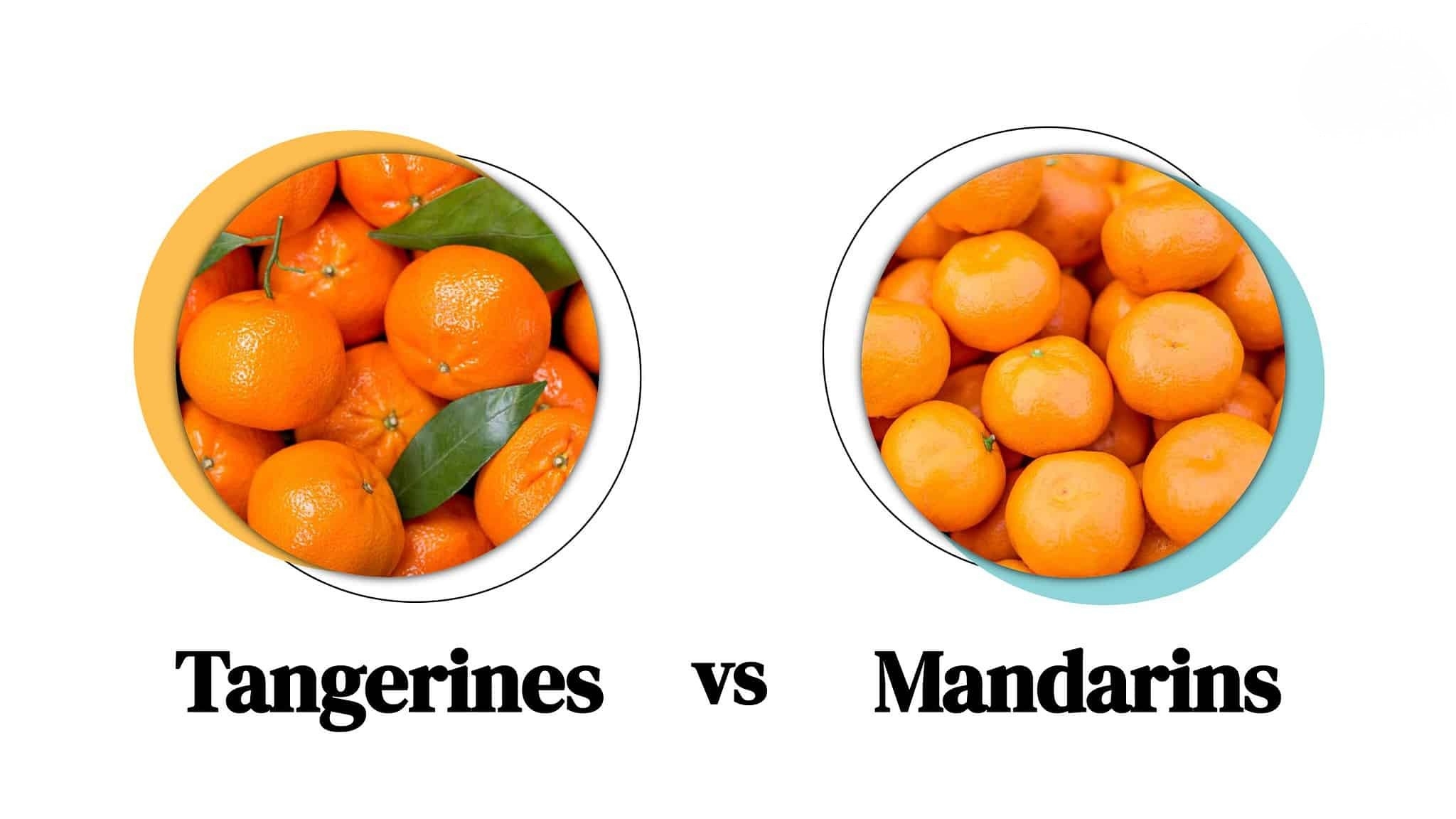
Mandarin oranges including tangerine, clementine, and satsuma selections represent distinct citrus category characterized by smaller fruit size, exceptionally easy peeling through loose skin attachment, and sweet low-acid flavor profile differentiating from standard orange varieties. Kenyan cultivation concentrates in warmer coastal regions and lower altitude zones where heat accumulation supports optimal mandarin development, though mid-altitude cultivation expanding particularly with cold-tolerant satsuma varieties adapting to cooler highland conditions extending geographic production potential beyond traditional lowland concentration.
Seedless mandarin selections including clementine varieties capture consumer preference particularly in export markets where seed-free convenience drives purchasing decisions and premium pricing justifies additional production costs associated with careful variety selection and grafting practices ensuring true-to-type seedless characteristics. Soft loose skin facilitating easy hand peeling creates superior snacking convenience particularly valued by parents purchasing for children, office workers seeking convenient desk snacks, and health-conscious consumers preferring whole fruit over processed alternatives requiring preparation effort.
Transport logistics complexity increases for mandarins versus conventional oranges due to soft skin susceptibility to compression damage, bruising, and moisture loss requiring premium packaging materials, careful handling protocols, and temperature-controlled logistics throughout supply chain elevating per-unit costs that reduce profit margins unless offset through premium market positioning and price premiums rewarding quality differentiation. Regional export markets including Rwanda, Uganda, Somalia, and emerging China trade demonstrate strong mandarin demand particularly for sweet seedless varieties supporting Kenya's export expansion beyond traditional European and American orange markets dominated by Valencia and Pixie varieties.
Traditional Local Orange Varieties
Kenya's traditional orange varieties including Ndori, Kakamega, and various regional landraces maintain cultural significance and practical value despite commercial market dominance by introduced cultivars. Local varieties typically exhibit smaller fruit size, more pronounced tangy flavor profiles higher in acidity compared to commercial sweet varieties, and enhanced climate resilience particularly drought tolerance and disease resistance reflecting centuries natural selection under local growing conditions without systematic breeding intervention or agrochemical support common in commercial production systems.
Artisan and organic market segments increasingly value traditional varieties for authentic flavor characteristics, heritage preservation motivations, and sustainability narratives appealing to environmentally-conscious consumers willing to pay premiums supporting traditional agricultural practices and biodiversity conservation. Local varieties often demonstrate superior performance under low-input farming systems where fertilizer application limited, irrigation unavailable, and pest management relies on natural biological control rather than synthetic pesticide applications making traditional selections practical choice for resource-constrained smallholder farmers unable accessing commercial production inputs.
Flavor complexity including pronounced tartness and aromatic intensity differentiates local varieties from uniformly sweet commercial selections, with regional preferences favoring tangy profiles for specific culinary applications including juice blending, marmalade production, and traditional beverage preparations where flavor intensity essential rather than pure sweetness commercial fresh markets prioritize. Genetic diversity represented by traditional varieties provides valuable breeding resources for future variety development potentially combining local adaptation, resilience characteristics with commercial productivity, fruit size, and consumer-preferred flavor profiles creating next-generation cultivars optimized for sustainable profitable production under Kenya's diverse agro-ecological conditions.
Emerging Specialty Orange Varieties
Cara Cara oranges represent emerging specialty variety gaining traction in Kenya's high-value market segments through distinctive pink-red flesh coloration, enhanced nutritional profile including elevated vitamin A and antioxidant content, and notably sweet low-acid flavor creating unique taste experience differentiating from conventional orange varieties. Premium market positioning enables growers capturing 40-60% price premiums above standard Valencia or Washington Navel varieties justifying additional cultivation investment and specialized handling requirements protecting distinctive flesh color preventing degradation through excessive sun exposure or improper post-harvest storage conditions.
Navelate oranges extend harvest season through late-maturity characteristics filling market gap after Washington Navel supplies decline but before next season's early varieties become available, providing continuous supply capability valuable for retail programs requiring consistent year-round orange availability and export operations coordinating shipment timing across multiple production seasons. Similar characteristics to Washington Navel including seedless convenience and easy peeling maintain consumer appeal, while extended storage capability supports flexible marketing timing optimizing returns through strategic sales coordination rather than forced immediate marketing harvest-period gluts typically depressing prices.
Hamlin variety suited to lowland coastal zones provides early-season harvest opportunity capturing first-to-market advantages when pricing favorable before competitive supplies arrive from later-maturing varieties. High juice yield approaching 50-55% total fruit weight positions Hamlin as processing variety complementing Valencia's mid-season juice production, while smooth thin skin and rapid maturation enables efficient commercial cultivation reducing production period risk exposure and accelerating investment return timelines important for capital-constrained operations requiring faster payback periods than traditional 4-5 year orange establishment timelines before significant production commences.
| Growing Region | Altitude Range | Temperature Range | Recommended Varieties | Production Characteristics |
|---|---|---|---|---|
| Eastern Kenya (Machakos, Makueni, Kitui) | 900-1,600m | 15-30°C, semi-arid conditions | Pixie (primary), Valencia, Washington Navel, local varieties | Concentrated sugar development, drought tolerance essential, irrigation beneficial |
| Central Highlands (Murang'a, Nyeri, Kiambu) | 1,200-1,800m | 12-25°C, moderate rainfall | Washington Navel, Valencia, Navelate, mid-altitude selections | Enhanced color development, good sugar accumulation, longer growing season |
| Coastal Areas (Kilifi, Kwale, Mombasa) | 0-600m | 20-35°C, warm humid climate | Valencia, Hamlin, Mandarin/Tangerine, lowland varieties | Year-round production potential, rapid maturation, pest pressure higher |
| Rift Valley (Nakuru, Baringo, Kericho) | 600-1,800m variable zones | 15-28°C, diverse microclimates | Valencia (primary), Washington Navel, altitude-appropriate selections | Soil fertility advantages, irrigation infrastructure available, market access favorable |
| Nyanza (Homa Bay, Migori, Siaya) | 1,100-1,600m | 18-30°C, reliable rainfall | Valencia, Pixie (emerging), mid-altitude varieties | Underutilized potential, suitable conditions, market development opportunity |
Cultivation Characteristics and Requirements
Successful orange cultivation requires matching variety selection to specific site conditions including altitude, temperature patterns, rainfall distribution, soil characteristics, and market access considerations. Most commercial varieties perform optimally within temperature ranges 15-30°C though cold-tolerant selections including certain Washington Navel strains and satsuma mandarins tolerate occasional temperatures down to 10°C expanding highland cultivation potential. Altitude preferences vary substantially with lowland varieties including Hamlin, Valencia (lowland ecotypes), and certain mandarin types suited to 0-1,200 meters, while mid-altitude selections including Washington Navel, Pixie, and Valencia (highland ecotypes) perform best at 1,000-2,000 meters elevation.
Soil requirements favor well-drained loamy or sandy-loam textures preventing waterlogging that promotes root rot and other moisture-related diseases, while pH ranges 5.5-6.5 considered optimal though oranges tolerate moderately acidic to neutral conditions spanning pH 5.0-7.0 with appropriate nutrient management compensating for suboptimal acidity levels. Annual rainfall between 900-1,500mm provides adequate moisture for rainfed production though supplemental irrigation during dry periods substantially improves yields, fruit quality, and production consistency particularly in semi-arid zones where rainfall variability creates production risk without irrigation backup capability.
Grafted seedling establishment requires 2-3 years before initial fruiting commences, with full production capacity achieved at years 4-5 reaching 150-300 fruits per tree annually depending on variety, management intensity, and site conditions. Commercial orchard spacing typically 5x5 meters accommodating 150-200 trees per acre balances light penetration, air circulation, and land-use efficiency, while tree lifespan extends 20-40 years under proper maintenance providing extended investment return period justifying establishment costs and patience during non-productive initial years before returns materialize offsetting cultivation expenses and generating positive cash flows supporting farm operations.
🎯 Strategic Orange Variety Selection Insights
- Commercial Production Priority: Valencia dominates Kenyan cultivation with 33% yield advantage over Washington Navel, optimal for juice processing and Central Kenya/Rift Valley conditions; Pixie commands export premiums 20-30% above conventional varieties targeting US/European markets
- Fresh Market Positioning: Washington Navel and Pixie varieties capture premium fresh market segments through seedless convenience and superior eating quality justifying cultivation investment despite somewhat lower yields versus Valencia processing varieties
- Regional Adaptation Strategy: Match variety to altitude/temperature: Coastal lowlands (0-1,200m) favor Valencia, Hamlin, Mandarin; mid-altitude highlands (1,200-1,800m) suit Washington Navel, Pixie, Navelate; semi-arid Eastern zones excel with drought-tolerant Pixie selections
- Export Market Opportunity: Pixie oranges dominate international trade (USA, Europe); Mandarin varieties target regional markets (Rwanda, Uganda, Somalia, China); specialty Cara Cara captures niche premium segments commanding 40-60% price premiums
- Maturation Timing Optimization: Coordinate variety mix for extended harvest calendar: Early (Washington Navel, Hamlin), mid-season (Valencia), late (Pixie, Navelate) ensuring continuous supply and avoiding concentrated harvest gluts depressing prices
- Investment Return Framework: Grafted trees require 2-3 years initial fruiting, 4-5 years full production (150-300 fruits/tree annually), 20-40 year productive lifespan; patient capital essential capturing long-term returns justifying establishment investment
Market Positioning and Commercial Viability
Wholesale orange pricing in Kenya ranges $1.30-1.80 per kilogram for conventional varieties including Valencia and Washington Navel reflecting domestic supply-demand dynamics, seasonal availability patterns, and competitive pressures from imported oranges during local shortage periods. Premium varieties including Pixie command $2.00-2.50 per kilogram FOB for export shipments, with exceptional quality lots achieving $2.80-3.20 per kilogram in specialty European markets emphasizing organic certification, fair trade partnerships, or unique flavor characteristics differentiating from commodity bulk supplies.
Domestic market consumption absorbs majority Kenyan orange production with fresh retail, juice manufacturing, and foodservice sectors creating consistent demand supporting cultivation expansion though import competition during off-season periods constrains pricing power limiting profitability when local supplies peak driving temporary price depressions requiring storage infrastructure, export market diversification, or processing capacity absorbing surplus production volumes without distressed pricing destroying grower returns. Export markets particularly United States and Europe provide premium pricing opportunities for quality-focused producers meeting phytosanitary requirements, traceability standards, and consistent supply commitments necessary capturing retail program placement essential sustained export volume justifying logistics investments and quality infrastructure development.
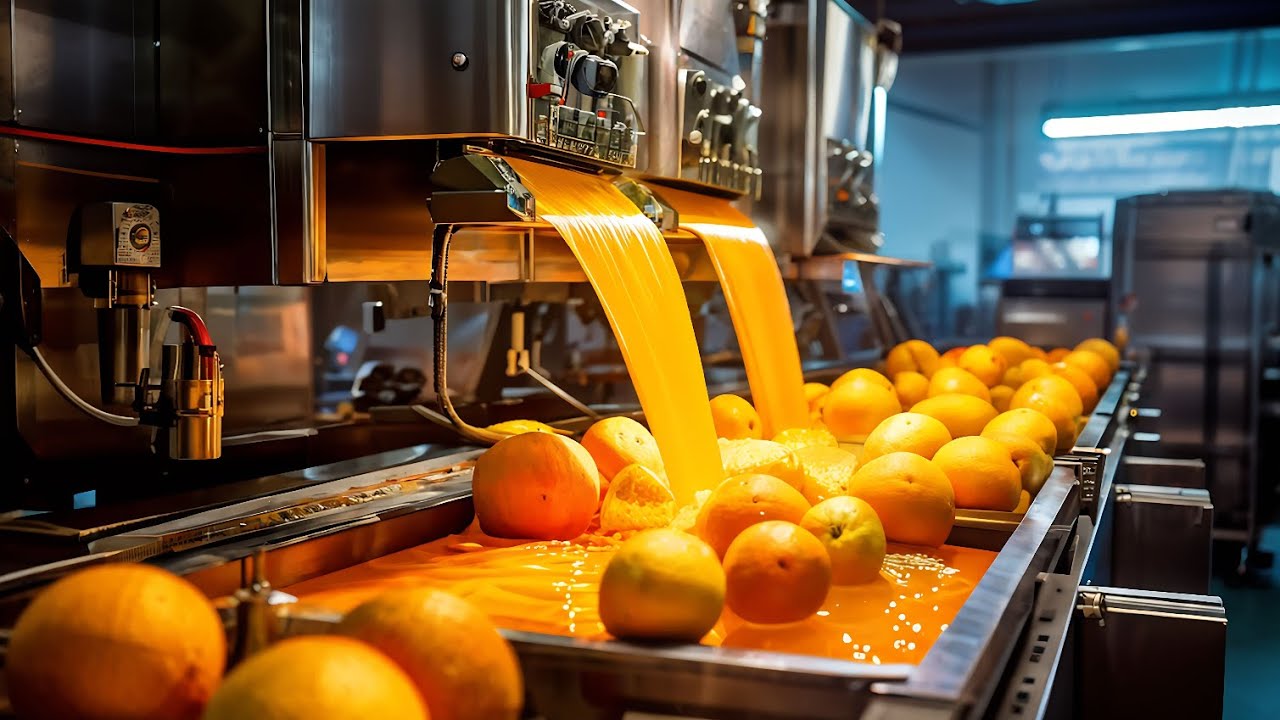
Processing sector opportunities continue expanding as Kenya's juice manufacturing capacity grows serving domestic beverage market and potential regional exports, with Valencia's high juice content and flavor consistency positioning variety as preferred processing feedstock commanding competitive pricing during peak supply periods when fresh market outlets saturated. Value-addition through marmalade production, dried citrus products, essential oil extraction, and citrus-based cosmetics creates alternative market channels particularly suitable for smaller fruit, cosmetic blemishes, or oversupply situations where fresh market placement challenging yet fruit quality adequate for processing applications generating returns exceeding distressed fresh sales during market gluts depressing conventional pricing.
Frequently Asked Questions About Kenyan Orange Varieties
Strategic Variety Selection Framework
Successful orange cultivation requires systematic variety evaluation against multiple criteria including market demand assessment, site suitability analysis, production capacity estimation, and financial viability projection. Market-driven selection prioritizes varieties with established demand channels either domestic fresh markets, processing sector contracts, or export opportunities supported by buyer relationships and phytosanitary certification capabilities. Valencia suits growers with processing sector relationships or large-scale operations supplying domestic juice manufacturers, while Washington Navel and Pixie target premium fresh markets requiring quality focus and careful post-harvest handling justifying premium pricing.
Site assessment evaluates altitude, temperature patterns, rainfall distribution, soil characteristics, and infrastructure access determining variety compatibility with available growing conditions. Eastern semi-arid zones favor drought-tolerant Pixie and Valencia selections, while Central highlands suit Washington Navel and mid-altitude varieties benefiting from cooler temperatures enhancing quality characteristics. Coastal warm regions accommodate Valencia, Hamlin, and Mandarin varieties adapted to heat and humidity though pest pressure typically higher requiring intensive management.
Production capacity analysis examines labor availability for intensive varieties requiring careful harvest timing and handling, capital access for irrigation infrastructure supporting consistent yields, and management expertise implementing sophisticated cultural practices including pruning, pest control, and fertilizer programs essential optimizing productivity. Financial projections model establishment costs including land preparation, seedling purchase, irrigation installation, and pre-productive period operating expenses against anticipated revenues reflecting variety-specific pricing, yield potential, and market channel margins determining investment viability and payback timeline matching investor requirements and risk tolerance guiding final variety selection decisions among viable alternatives meeting basic market and site suitability criteria.