
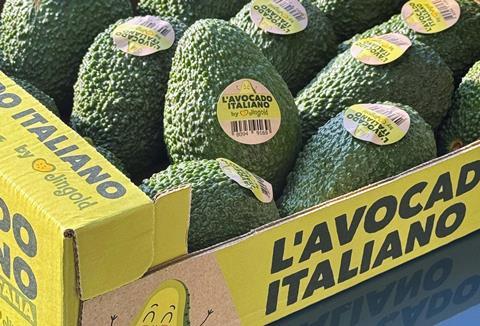
Italy's avocado market demonstrates remarkable growth dynamics as consumption surges while pricing remains moderate compared to other European destinations. Understanding Italian avocado pricing structures enables buyers to navigate market complexities and secure optimal value.
Multiple factors influence avocado prices across Italy's markets including import source countries, variety characteristics, seasonal supply patterns, and quality grading. Geographic price differentials between major cities create opportunities for strategic purchasing decisions.
From budget-friendly green-skin varieties to premium Hass avocados commanding substantial premiums, Italy's market accommodates diverse consumer preferences and price points. This comprehensive analysis reveals exactly what drives Italian avocado pricing and how to maximize purchasing value.
Essential Price Insights
- Wholesale avocado prices range €2-3 per kg across Italian markets
- Retail pricing spans €3.14-4.97 per kg depending on variety and quality
- Hass avocados command €3.50-5.50 per kg premium positioning
- Green-skin varieties offer budget alternative at €2.80-4.20 per kg
- Organic avocados reach €4.50+ per kg reflecting certification premiums
- Sicilian-grown avocados average €3.00-4.50 per kg seasonal availability
- Peak import season June-August delivers 20-30% price reductions
Explore European Avocado Market Intelligence
Discover Complete Europe Avocado Price Analysis →Understanding Italy's Avocado Price Structure
Italian avocado pricing operates through interconnected market tiers spanning import wholesale through final retail distribution. Comprehending these structures clarifies where value emerges for different purchasing scenarios.
Wholesale Import Pricing Dynamics
Wholesale import prices represent the foundation of Italy's avocado market, typically ranging €2.38-3.77 per kg depending on variety, source country, and seasonal timing. These rates reflect landed costs including freight, customs, and initial distribution margins.
Import source significantly impacts wholesale pricing. Peruvian and Chilean avocados arriving via sea freight often price €2.40-3.20 per kg wholesale. Kenyan air-freighted product commands premiums of €2.80-3.60 per kg reflecting shorter transit delivering superior freshness.
Netherlands re-exports dominate Italian imports, handling 40%+ of volume through Amsterdam's ripening facilities. This intermediary step adds €0.30-0.60 per kg but delivers value through quality control and market-ready ripeness levels.
Retail Pricing Across Italian Cities
Retail avocado prices spanning €3.14-4.97 per kg reflect cumulative value addition including distribution, retail overhead, and profit margins. Major cities demonstrate price variations based on local market dynamics and consumer purchasing power.
Rome and Milan command highest retail rates at €3.80-5.20 per kg reflecting strong demand from affluent urban populations. Naples pricing runs moderately lower at €3.40-4.60 per kg while smaller cities average €3.10-4.30 per kg.
Premium supermarket chains including Esselunga and Eataly position avocados at €4.50-6.00 per kg emphasizing quality and convenience. Budget retailers like Lidl and Eurospin offer competitive pricing at €2.90-3.80 per kg attracting price-sensitive consumers.
Specialty food stores and organic markets command premiums reaching €5.50-7.00 per kg for certified organic, ready-to-eat, or boutique varieties. These outlets serve quality-focused consumers willing to pay substantial premiums.
| Market Channel | Price Range (€/kg) | Typical Quality | Best For |
|---|---|---|---|
| Import Wholesale | €2.38 - 3.77 | Variable, unripened | Distributors, retailers |
| Domestic Wholesale (Sicily) | €2.50 - 3.50 | Fresh, seasonal | Regional distribution |
| Retail (Budget) | €2.90 - 3.80 | Standard commercial | Value-conscious shoppers |
| Retail (Premium) | €4.50 - 6.00 | Quality assured, ripened | Quality-focused consumers |
| Organic Specialty | €5.50 - 7.00 | Certified organic, premium | Organic-committed buyers |
Variety-Based Price Differentials
Avocado variety fundamentally influences Italian market pricing as Hass and green-skin types serve distinct consumer segments with different price sensitivities.
Hass Avocado: Premium Market Positioning
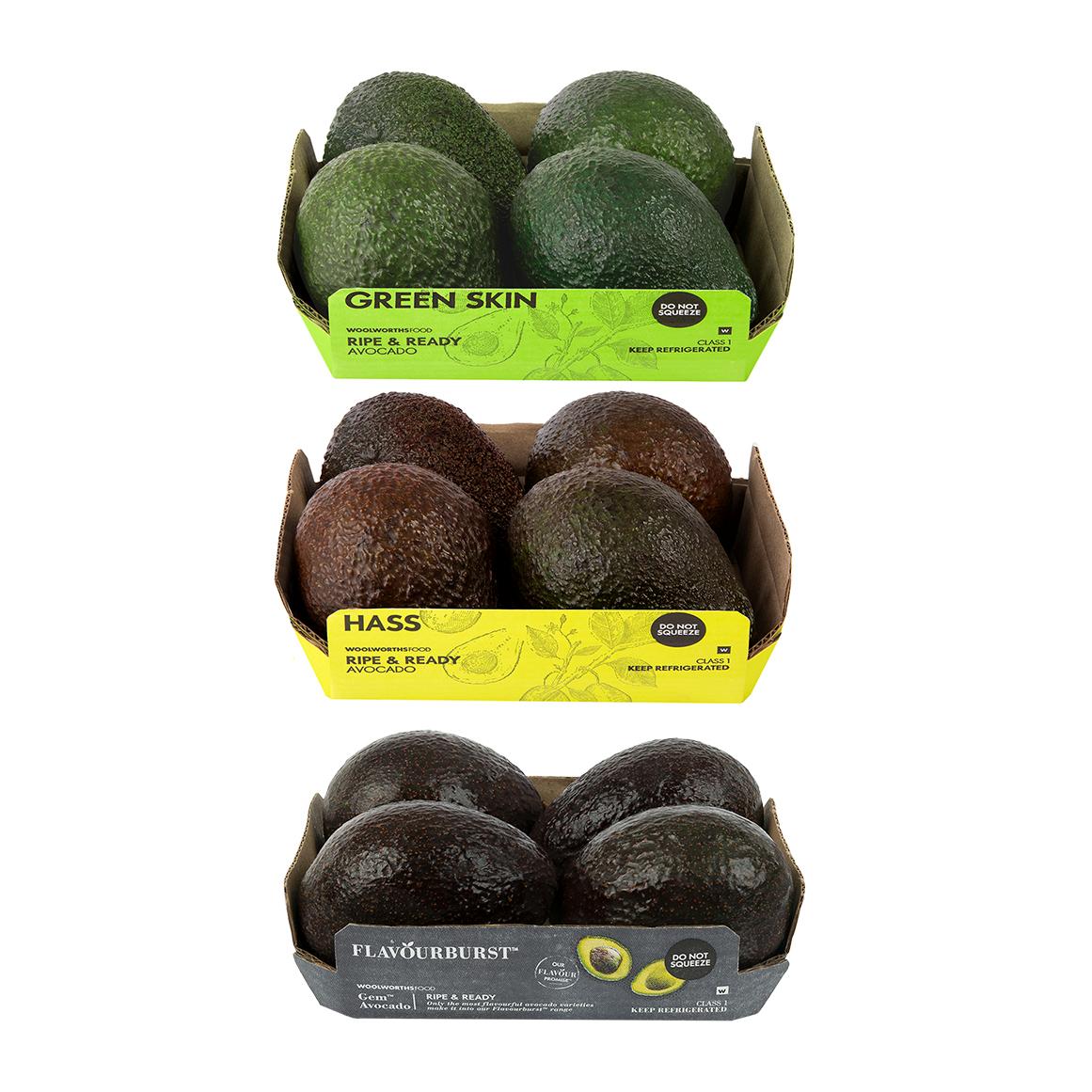
Hass avocados dominate Italy's market at 60-70% share, commanding premium pricing of €3.50-5.50 per kg retail. The distinctive black pebbled skin, creamy texture, and superior flavor justify premiums of 20-40% over green-skin alternatives.
Premium Hass positioning reflects genuine quality advantages including higher oil content, richer taste, and ideal texture for Italian culinary applications. Restaurants and food service operations preferentially select Hass despite higher costs.
Ready-to-eat Hass avocados reach €5.50-7.00 per kg reflecting ripening services, quality guarantees, and convenience premiums. These products target time-constrained consumers valuing assured ripeness over price savings.
Organic Hass commands €4.50-6.50 per kg reflecting certification costs and market segmentation. Italian organic consumers demonstrate strong willingness to pay premiums for sustainability and reduced chemical exposure.
Green-Skin Varieties: Value Alternative
Green-skin avocados including Fuerte, Bacon, and Ettinger offer budget alternatives at €2.80-4.20 per kg retail, capturing 30-35% market share. Price-sensitive consumers and bulk users favor these varieties.
The 15-30% discount versus Hass reflects different flavor profiles and textural characteristics rather than inferior quality. Green-skin varieties deliver perfectly acceptable performance for many applications at substantially lower cost.
Sicilian production emphasizes green-skin varieties alongside Hass, with Bacon and Fuerte performing exceptionally in Mediterranean climate conditions. Locally-grown green-skin avocados retail €2.90-3.80 per kg competitive with imports.
Specialty and Boutique Varieties
Specialty varieties including Pinkerton, Reed, and Ettinger appear sporadically in Italian markets commanding premiums of €4.50-6.50 per kg. Limited availability and distinctive characteristics support premium positioning.
These varieties appeal to gourmets and specialty food enthusiasts seeking unique flavors and textures. However, market volumes remain modest with mainstream consumers preferring familiar Hass and Fuerte options.
Hass Avocado
Price: €3.50-5.50/kg retail
Market Share: 60-70%
Characteristics: Black skin when ripe, creamy texture, premium flavor
Green-Skin Varieties
Price: €2.80-4.20/kg retail
Market Share: 30-35%
Characteristics: Green skin, milder flavor, budget-friendly
Organic Premium
Price: €4.50-6.50/kg retail
Market Share: 5-8%
Characteristics: Certified organic, sustainability focus
Seasonal Price Patterns and Import Cycles
Italian avocado prices follow predictable seasonal patterns driven by import timing, supply volumes, and domestic production windows. Understanding these cycles enables strategic purchasing decisions.
Peak Import Season: Best Value Window
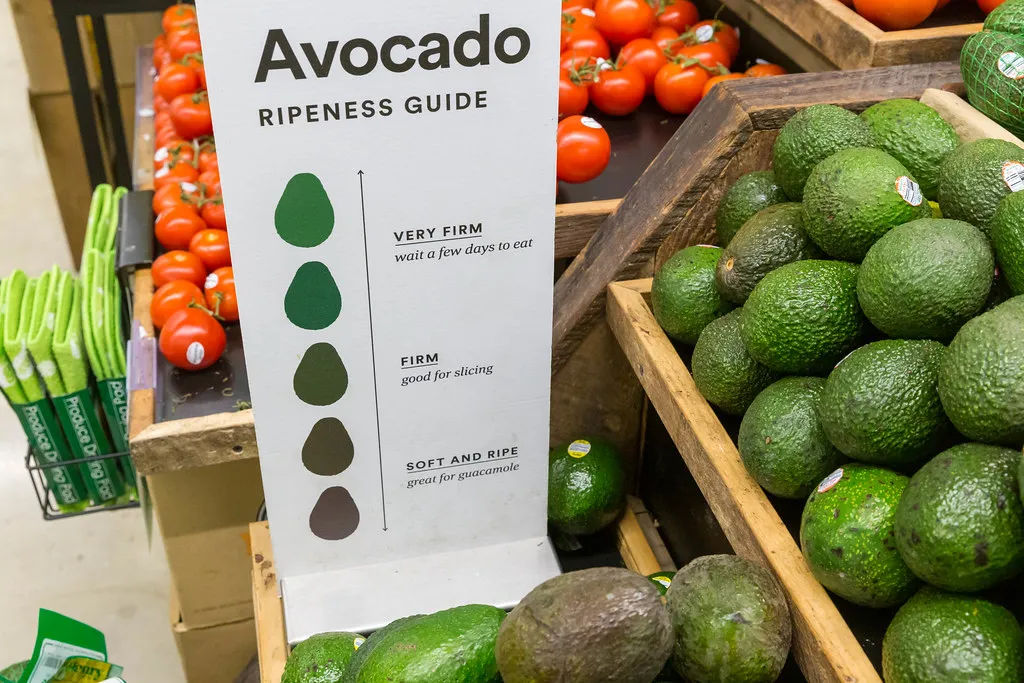
June through August represents peak import season when Peruvian and Kenyan avocados flood Italian markets. Supply abundance during this window drives prices down 20-30% below annual averages to €2.80-4.20 per kg retail.
Peak season timing reflects Southern Hemisphere harvest cycles in Peru and Chile plus East African production from Kenya. Concurrent supply from multiple sources creates optimal buying conditions.
Strategic buyers including restaurants, food processors, and bulk consumers concentrate purchases during peak season, utilizing frozen product or increased consumption to maximize value capture.
Off-Season Premium Pricing
September through May periods see reduced import volumes as major source countries transition between seasons. Off-season pricing reaches €4.20-5.80 per kg retail reflecting genuine scarcity and increased freight costs.
Sicilian domestic production partially offsets import scarcity during October through May window. However, limited volumes prevent significant price moderation, with Sicilian avocados pricing similarly to imports at €3.50-4.50 per kg.
Holiday Demand Fluctuations
Christmas and New Year periods see modest demand spikes driving 10-15% price premiums as Italian consumers incorporate avocados into holiday meals. Post-holiday January-February sees normalizing prices as demand moderates.
Summer tourist season boosts demand in coastal and major city markets. However, peak import timing coincides with tourism, preventing sustained price increases despite elevated consumption.
Optimal Purchase Timing: Maximum value emerges during June-August peak import season when abundant supply drives prices 20-30% below annual averages. Secondary opportunities occur October-November when Sicilian harvest begins and post-holiday January-February periods.
Import Source Countries and Price Impact
Italy's import source diversification creates price variations based on freight costs, quality perceptions, and bilateral trade relationships.
Peru and Chile: Primary Volume Suppliers
Peru supplies 35-40% of Italian avocado imports primarily via sea freight to Mediterranean ports. Peruvian Hass prices €2.40-3.20 per kg wholesale reflecting economical sea transport despite 30-40 day transit times.
Chilean avocados arriving primarily December through March fill counter-seasonal gaps. Chilean product prices €2.60-3.40 per kg wholesale, slightly above Peruvian rates due to higher domestic costs.
Both origins enjoy strong quality reputations supporting premium positioning versus other sources. Consistent supply and established trade relationships maintain market dominance.
Kenya and East Africa: Air Freight Premium
Kenyan avocados arriving via air freight command €2.80-3.60 per kg wholesale reflecting 7-10 day transit delivering superior freshness. Italian consumers increasingly recognize and pay premiums for Kenyan quality.
Air freight economics limit Kenyan volumes to 5-8% market share despite quality advantages. However, growing direct trade relationships expand Kenyan presence as buyers value freshness premiums.
Spain and Mediterranean Neighbors
Spanish avocados from Málaga and Granada regions supply Italian markets October through May at competitive €2.30-3.10 per kg wholesale. Proximity advantages enable truck transport reducing costs and transit times.
Mediterranean climate similarity creates quality alignment with Italian preferences. Spanish product particularly appeals to northern Italian markets with established Iberian trade connections.
Netherlands Re-Export Hub
Netherlands-sourced avocados dominate at 40%+ market share despite €0.30-0.60 per kg premium over direct imports. Dutch ripening services, quality control, and market-ready product justify premiums for many buyers.
Amsterdam's specialized avocado ripening facilities deliver consistent quality meeting Italian retailer specifications. Pre-ripened product reduces spoilage risk and inventory holding costs offsetting price premiums.
| Source Country | Wholesale Price (€/kg) | Market Share | Key Characteristics |
|---|---|---|---|
| Peru | €2.40 - 3.20 | 35-40% | Sea freight, large volumes, consistent quality |
| Chile | €2.60 - 3.40 | 15-20% | Counter-seasonal, premium quality |
| Netherlands (Re-export) | €2.70 - 3.50 | 40-45% | Ripened, quality controlled, market ready |
| Kenya | €2.80 - 3.60 | 5-8% | Air freight, superior freshness |
| Spain | €2.30 - 3.10 | 8-12% | Regional proximity, truck transport |
Domestic Italian Avocado Production
Italy's emerging domestic avocado production concentrated in Sicily, Puglia, Sardinia, and Basilicata creates premium local supply October through May competing on freshness and quality rather than price.
Sicilian Avocado Leadership
Sicily dominates Italian production with cultivation concentrated around Catania and Trapani. Sicilian avocados retail €3.00-4.50 per kg positioning competitively with imports while emphasizing "Made in Italy" provenance.
Mediterranean climate enables cultivation of Hass, Fuerte, and Bacon varieties with harvest beginning late October through May. Longer growing season versus northern regions supports superior flavor development.
Organic Sicilian avocados command €4.50-6.00 per kg reflecting certification premiums and local sourcing appeal. Growing consumer preference for local, sustainable produce supports premium positioning.
Expanding Southern Italian Production
Puglia, Basilicata, and Sardinia show rapid production expansion with several hundred hectares under cultivation. Production growth of 20 hectares annually indicates strong grower confidence.
Southern regions benefit from suitable climate, available land, and proximity to major consumption centers in Rome and Milan. However, production remains modest at few thousand tonnes versus 50,000+ tonne import volumes.
Italian growers target quality over volume, positioning domestic product as premium alternative to imports. Success depends on consumer willingness to pay 15-25% premiums for local provenance.
Quality Grading and Price Premiums
Avocado quality assessment significantly impacts Italian pricing as appearance, size, and ripeness separate premium from discount product.
Export Grade: Premium Standards
Export-grade avocados meeting strict size, appearance, and maturity specifications command wholesale premiums of 25-40% over standard commercial grades. These fruits retail €4.20-5.80 per kg reflecting superior presentation.
Size grading creates price tiers with calibers 12-14 (large) pricing €0.50-0.80 per kg above calibers 18-20 (medium). Italian consumers demonstrate preference for larger fruits despite per-kilogram premiums.
Ready-to-Eat Premium
Pre-ripened ready-to-eat avocados command 30-40% premiums over unripened product reaching €5.50-7.00 per kg retail. Convenience and quality assurance justify substantial markups.
Ripening services add real costs including specialized facilities, time value of inventory, and quality control. However, markups typically exceed direct costs reflecting consumer willingness to pay for convenience.
Standard and Discount Grades
Commercial-grade avocados with minor cosmetic imperfections price 15-25% below premium grades while maintaining equivalent eating quality. Smart consumers recognize these selections deliver identical culinary performance at substantial savings.
Discount avocados with aesthetic imperfections unsuitable for premium retail sell through alternative channels at €2.20-3.20 per kg. Food service, processing, and budget retailers absorb these volumes.
Market Growth Drivers and Future Outlook
Italy's avocado market demonstrates sustained growth trajectories driven by health consciousness, urbanization, and culinary trend adoption.
Consumption Growth Dynamics
Italian avocado consumption has surged 20% annually reaching approximately 24,000 tonnes as of recent data. This growth dramatically outpaces most fresh produce categories reflecting strong consumer adoption.
Urbanization concentrates 70% of Italy's population in cities where avocado consumption runs highest. Rome, Milan, and Naples account for disproportionate consumption supporting premium pricing in these markets.
Health awareness drives adoption as Italian consumers recognize avocado nutritional benefits including healthy fats, vitamins, and antioxidants. Mediterranean diet compatibility supports mainstream acceptance.
Import Volume Expansion
Import volumes have grown from 28,000 tonnes to 50,000+ tonnes within recent periods reflecting 17-20% annual growth rates. This expansion necessitates continued source diversification and supply chain development.
Growing import dependency positions Italy among Europe's significant avocado markets alongside Germany, France, and UK. However, per-capita consumption remains below northern European leaders indicating continued growth potential.
Domestic Production Potential
Italian production expansion targeting several thousand tonnes within coming periods provides partial import substitution. However, climatic limitations prevent self-sufficiency with imports remaining dominant.
Domestic production's competitive advantage lies in freshness, local provenance, and seasonal timing filling import gaps. Premium positioning rather than price competition defines success strategy.
Frequently Asked Questions About Avocado Prices in Italy
Strategic Avocado Purchasing in Italy
Navigating Italy's avocado market requires understanding pricing structures, seasonal patterns, variety characteristics, and quality determinants. Strategic buyers combine this knowledge with optimal timing to maximize value.
Optimal Purchasing Strategies
Peak season buying during June-August delivers maximum value with prices running 20-30% below annual averages. Volume buyers including restaurants and food service operations should concentrate purchases during this window.
Variety selection impacts costs substantially. Green-skin varieties at €2.80-4.20 per kg deliver acceptable quality for many applications at 15-30% savings versus premium Hass selections.
City selection matters for consumers able to shop flexibly. Smaller cities and discount retailers offer 15-25% savings versus premium Rome and Milan outlets for equivalent quality.
Quality vs Price Trade-offs
Commercial-grade avocados deliver identical eating quality versus premium grades at 15-25% discounts. Consumers prioritizing value over appearance should seek these selections.
Ready-to-eat premiums of 30-40% suit time-constrained consumers but represent poor value for buyers comfortable managing ripening. Purchasing unripe avocados and home ripening yields substantial savings.
Organic premiums of 30-50% reflect genuine production differences. However, conventional Italian avocados meet strict EU safety standards, making organic selection primarily values-based rather than safety-driven.
Italy's Evolving Avocado Market Landscape
Italy's avocado market demonstrates robust growth fundamentals as consumption expands, import volumes increase, and domestic production develops. Understanding current pricing dynamics positions stakeholders for success in this evolving market.
Wholesale prices ranging €2-3 per kg support retail rates of €3.14-4.97 per kg across Italian markets. This structure reflects legitimate value addition through distribution, ripening services, and retail operations.
Hass avocados dominate at 60-70% market share commanding €3.50-5.50 per kg premiums over green-skin alternatives at €2.80-4.20 per kg. Variety selection creates substantial pricing flexibility for different consumer segments.
Seasonal timing proves crucial with peak June-August imports delivering 20-30% price reductions. Strategic buyers concentrate purchases during abundance periods maximizing value capture.
Import source diversification spanning Peru, Chile, Kenya, Spain, and Netherlands re-exports ensures year-round availability while creating price variations based on freight costs and quality perceptions.
Emerging Sicilian production adds premium local supply October through May at €3.00-4.50 per kg. Domestic avocados compete on freshness and provenance rather than price, appealing to quality-focused consumers.
Quality grading creates 25-40% premium spreads between export-grade and commercial selections. Ready-to-eat ripening services command 30-40% premiums over unripened product reflecting convenience value.
Growth trajectories remain strong with 17-20% annual consumption increases positioning Italy among Europe's significant avocado markets. However, per-capita consumption below northern European levels indicates continued expansion potential.
Whether sourcing for restaurants, retail operations, or home consumption, understanding Italian avocado market dynamics delivers tangible benefits. Strategic buyers combining variety selection, seasonal timing, and quality assessment maximize value while maintaining desired product characteristics.