
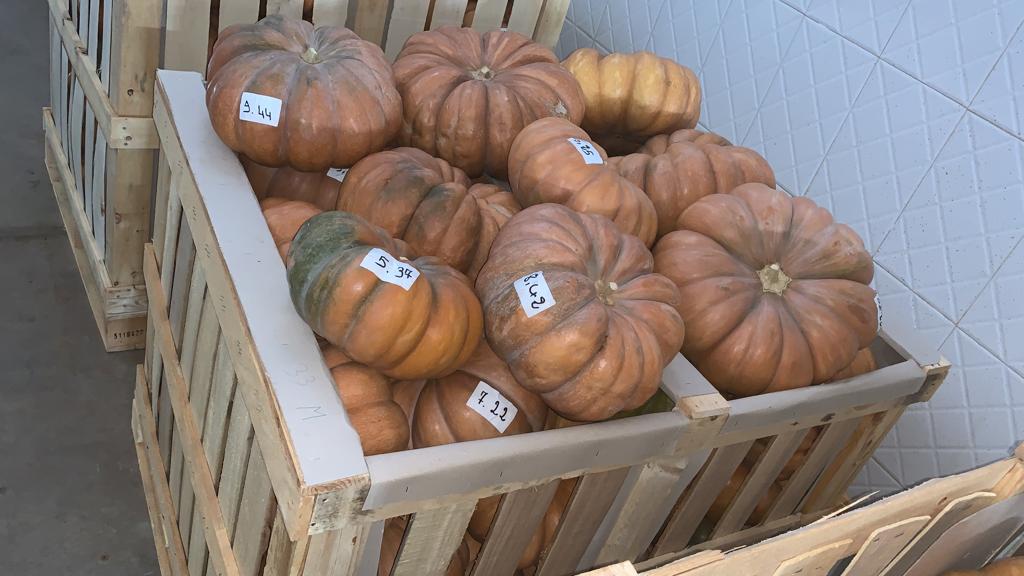
Pumpkin pricing exhibits remarkable variation across global markets, seasons, and quality grades. Understanding these price dynamics enables buyers to secure optimal value whether purchasing single specimens for home cooking or bulk quantities for commercial operations.
Multiple factors influence pumpkin prices including variety characteristics, growing conditions, harvest timing, and market channel selection. Regional supply-demand balance creates substantial geographic price differentials that savvy buyers leverage for competitive advantage.
From budget-friendly carving pumpkins to premium specialty varieties commanding substantial premiums, the pumpkin market accommodates diverse consumer needs and price points. This comprehensive analysis reveals exactly what drives pumpkin pricing and how to navigate market complexities.
Essential Price Insights
- Conventional pumpkins average $0.50-2.00 per kg across markets
- Wholesale prices run 40-60% below retail rates
- Organic varieties command 30-50% premium pricing
- Peak season prices drop 30-40% below annual averages
- Specialty pumpkins cost $2.00-4.00 per kg premium
- Bulk purchases deliver 40-60% savings over retail
- Regional price variations reach 50-100% between markets
Source Premium Pumpkins in Bulk
Buy Wholesale Pumpkins at Competitive Prices →Understanding Pumpkin Price Structures
Pumpkin pricing operates through multiple interconnected market tiers, each adding value and margin from farm gate through final consumer purchase. Comprehending these structures clarifies where best value emerges for specific buying scenarios.
Farm Gate Pricing: Direct Producer Rates
Farm gate represents the lowest price tier where growers sell directly at production sites. Conventional pumpkin prices at this level typically range $0.30-0.80 per kg depending on variety, quality, and regional growing conditions.
Growers selling directly to consumers through farm stands or pick-your-own operations charge modest premiums over farm gate, averaging $0.50-1.20 per kg. These arrangements eliminate intermediary margins while requiring buyer transportation and selection time.
Volume purchases directly from farms secure best possible rates. Orders exceeding 500 kg often trigger additional discounts as growers appreciate large-scale offtake reducing handling and marketing requirements.
Wholesale Market Dynamics
Wholesale channels connect farm production with retail distribution through aggregation, grading, and bulk sales. Wholesale pumpkin prices typically span $0.80-1.50 per kg for conventional varieties, positioning between farm gate and retail tiers.
Wholesale pricing reflects transportation costs, warehouse handling, quality sorting, and distributor margins. These services justify premiums over farm gate while maintaining substantial discounts versus retail pricing.
Wholesale purchasers typically require minimum order quantities of 100-500 kg depending on supplier. Meeting these thresholds accesses favorable pricing unavailable through smaller retail purchases.
Retail Pricing: Consumer Market Reality
Retail pumpkin prices reaching final consumers range $1.50-3.00 per kg at supermarkets, produce markets, and specialty stores. These rates reflect cumulative value addition including quality assurance, convenient access, and small-quantity purchase flexibility.
Premium retail outlets including organic grocers and specialty produce markets command highest prices, reaching $2.50-4.00 per kg for conventional varieties and $3.50-5.00 per kg for organic selections.
Budget retail channels including discount grocers and warehouse clubs offer more competitive rates, typically $1.20-2.00 per kg. These savings reflect simplified presentations and higher volume throughput.
| Market Channel | Price Range ($/kg) | Typical Order Size | Best For |
|---|---|---|---|
| Farm Gate | $0.30 - 0.80 | 25+ kg recommended | Large volume buyers, processors |
| Wholesale | $0.80 - 1.50 | 100-500 kg minimum | Restaurants, retailers, distributors |
| Retail (Budget) | $1.20 - 2.00 | Single units to 10 kg | Home consumers, small users |
| Retail (Premium) | $2.50 - 4.00 | Single units to 5 kg | Quality-focused consumers |
| Organic Retail | $3.50 - 5.00 | Single units to 5 kg | Organic-committed consumers |
Variety-Based Price Differentials
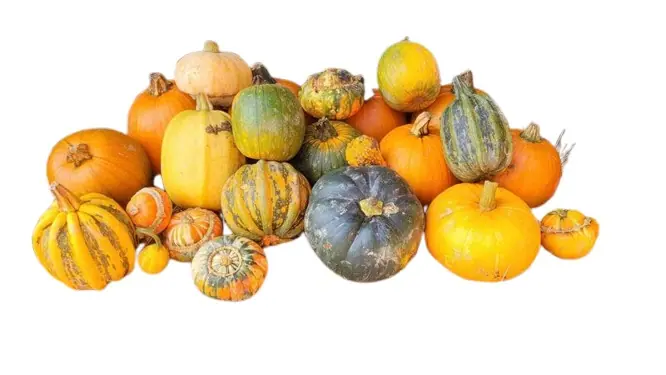
Pumpkin variety significantly influences pricing as different types serve distinct culinary, decorative, and commercial purposes. Understanding variety premiums guides optimal selection for specific applications.
Carving Pumpkins: Budget-Friendly Basics
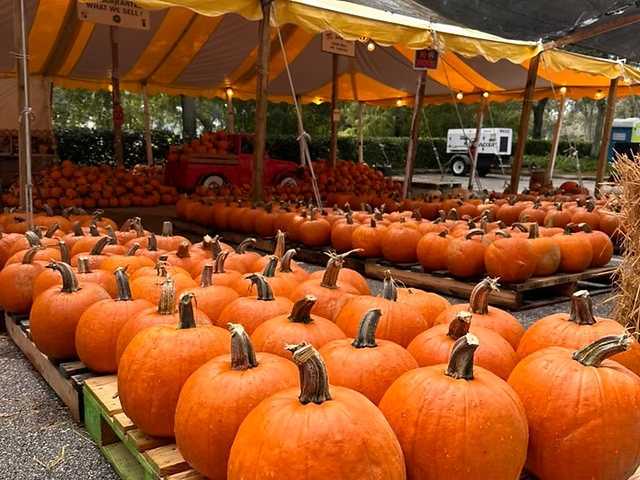
Traditional carving pumpkins including Connecticut Field and Howden varieties represent the market's value segment. These workhorses average $0.80-1.50 per kg at retail, with wholesale rates dropping to $0.40-0.90 per kg.
Size significantly impacts per-kilogram pricing. Large carving pumpkins exceeding 10 kg often price at discounts approaching $0.60-1.00 per kg as their size challenges retail display and consumer handling.
Conversely, mid-sized carving pumpkins in the 3-7 kg range command slight premiums of $1.00-1.80 per kg due to ideal proportions for standard carving applications.
Sugar Pumpkins: Culinary Premium
Sugar pumpkins, also marketed as pie pumpkins, target culinary applications where flesh quality matters most. These varieties command premiums averaging $1.50-2.50 per kg retail due to superior sweetness, smooth texture, and dense flesh.
The culinary premium reflects genuine quality advantages including higher sugar content, reduced stringiness, and concentrated flavor. Bakers and processors willingly pay 40-80% more than carving pumpkin rates for superior results.
Sugar pumpkins typically range 2-4 kg each, an ideal size for home baking applications. This convenient sizing supports premium pricing as larger carving varieties prove excessive for most recipes.
Specialty Varieties: Premium Positioning
Specialty pumpkins including Cinderella, Blue Hubbard, Kabocha, Fairytale, and boutique varieties command substantial premiums ranging $2.00-4.00 per kg retail. These prices reflect unique characteristics including distinctive appearance, exceptional flavor, or cultural culinary traditions.
Kabocha pumpkins from Japanese culinary traditions consistently price at premium levels of $2.50-4.00 per kg due to exceptionally sweet, dense flesh and strong demand from Asian cuisine enthusiasts.
Heirloom and unusual varieties appeal to gourmet cooks and specialty markets. Limited production volumes and niche positioning justify pricing that can reach $3.50-5.00 per kg for particularly distinctive specimens.
Mini Pumpkins: Decorative Pricing
Miniature pumpkins weighing 0.3-1.0 kg demonstrate inverted pricing dynamics where per-kilogram rates reach $3.00-5.00 despite tiny individual sizes. The premium reflects decorative application, novelty appeal, and specialized production requirements.
Small size enables attractive display and crafting applications that larger pumpkins cannot accommodate. This unique positioning supports premium pricing disconnected from standard pumpkin economics.
Carving Pumpkins
Price: $0.80-1.50/kg retail
Uses: Halloween carving, decoration
Characteristics: Large, hollow, thick walls
Sugar/Pie Pumpkins
Price: $1.50-2.50/kg retail
Uses: Cooking, baking, puree
Characteristics: Sweet, dense, flavorful
Specialty Varieties
Price: $2.00-4.00/kg retail
Uses: Gourmet cooking, premium markets
Characteristics: Unique appearance, exceptional quality
Seasonal Price Patterns and Timing Strategies
Pumpkin prices follow predictable seasonal cycles driven by harvest timing, holiday demand, and storage limitations. Understanding these patterns enables strategic purchasing maximizing value.
Peak Harvest Season: Best Value Window
Main pumpkin harvest occurs autumn months when production surges create abundant supply. During this window, prices typically drop 30-40% below annual averages as growers rush to market while quality remains optimal.
Early-season pumpkins appearing in late summer command premiums of 20-40% over peak-season rates. Early supply targets impatient consumers and decorators willing to pay for temporal advantage.
Peak season timing varies regionally but generally concentrates September through November in temperate zones. Strategic buyers stock up during this window, utilizing storage or processing to extend value capture.
Holiday Demand Spikes
Halloween-related demand creates the pumpkin market's annual price peak despite coinciding with harvest abundance. Decorative demand overwhelms supply advantages, supporting prices 15-30% above pre-holiday baseline.
Post-Halloween prices collapse as decorative demand evaporates while supply remains abundant. This period presents excellent opportunities for culinary-focused buyers as carving-quality pumpkins sell at discounts for cooking applications.
Thanksgiving baking demand provides secondary price support for sugar pumpkins and culinary varieties. This sustained demand cushions post-Halloween price decline for cooking-oriented types.
Off-Season Scarcity Premium
Late winter through summer periods see pumpkin availability plummet as fresh harvest depletes and storage stocks dwindle. Prices during these months surge 50-100% above peak-season rates reflecting genuine scarcity.
Off-season supply relies on imported product from counter-seasonal regions, frozen inventory, or greenhouse production. These alternative sources carry substantial cost premiums passed to consumers.
Food service operators and year-round pumpkin users contract with processors for frozen puree, canned product, or other preserved forms. These alternatives deliver price stability absent from fresh market volatility.
Strategic Buying Timeline: Optimal fresh pumpkin purchases occur mid-October through mid-November when harvest peaks and pre-holiday premiums haven't fully materialized. Post-Thanksgiving represents second-best window as decorative demand ends but culinary supply remains strong.
Organic vs Conventional Pumpkin Pricing
Organic certification creates substantial price premiums reflecting higher production costs, certification expenses, and market positioning targeting health-conscious consumers.
Organic Premium Justification
Organic pumpkins command 30-50% premiums over conventional equivalents across all market channels. While conventional carving pumpkins average $1.00-1.50 per kg retail, organic versions reach $1.50-2.50 per kg.
The premium compensates for higher production costs including organic-approved inputs, labor-intensive pest management, certification fees, and typically lower yields versus conventional farming.
Premium positioning also reflects market segmentation. Organic consumers demonstrate higher price acceptance, enabling growers and retailers to capture increased margins beyond simple cost recovery.
Organic Market Dynamics
Organic pumpkin supply remains limited compared to conventional production, supporting premium pricing through scarcity. Many regions lack sufficient organic production meeting local demand, necessitating imports that further elevate costs.
Organic pricing proves less volatile than conventional markets. Premium positioning and committed consumer base cushion seasonal price swings affecting conventional segments.
However, organic premiums compress during peak harvest season when abundant supply pressures pricing. Organic pumpkin discounts during October-November present optimal value for cost-conscious organic buyers.
Transitional and Intermediate Categories
Some growers utilize sustainable or reduced-pesticide production falling between organic and conventional standards. These intermediate approaches enable competitive pricing versus full organic while maintaining premium over conventional levels.
Products marketed as "pesticide-free," "naturally grown," or "sustainable" typically price 15-30% above conventional but 10-20% below certified organic. This positioning attracts price-sensitive consumers seeking reduced chemical exposure.
Regional Price Variations and Geographic Factors
Geographic location creates substantial pumpkin price differentials reflecting transportation economics, regional production capacity, and local market conditions.
Major Growing Region Advantages
Regions with extensive pumpkin production including major farming areas enjoy lowest pricing due to minimal transportation costs and abundant local supply. Farm-dense areas see retail prices 20-40% below markets distant from production.
Illinois, California, Ohio, and New York in the US; Ontario in Canada; Victoria in Australia represent major production zones where local buyers access favorable pricing.
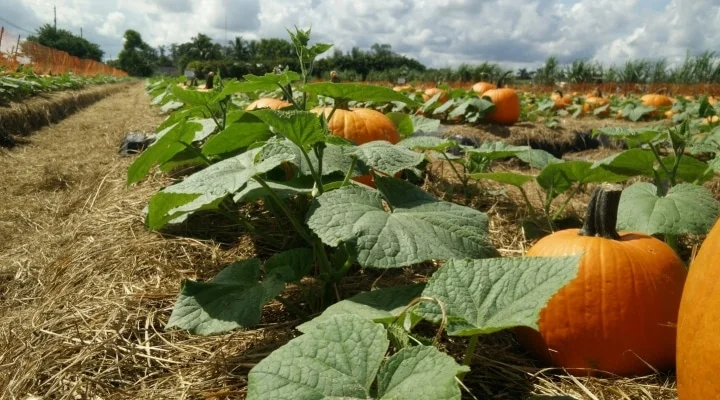
Direct farm sales proliferate in growing regions, enabling consumers to bypass retail markups entirely. Pick-your-own operations and farm stands deliver savings of 40-60% versus supermarket rates.
Import-Dependent Markets
Markets lacking local production rely on imports incurring substantial transportation, handling, and logistics costs. These regions see prices 30-70% above major growing areas for equivalent quality.
Island markets, remote regions, and areas with unsuitable climates face highest prices. Premium positioning becomes necessary covering elevated supply chain costs.
Urban vs Rural Price Gaps
Urban markets typically price 15-35% above rural areas for identical pumpkin varieties. The premium reflects real estate costs, labor expenses, and operational overhead inherent to city retail operations.
However, urban markets offer convenience, variety selection, and quality assurance that rural outlets may lack. Price-sensitive urban consumers willing to travel to farm regions capture substantial savings.
| Market Type | Price Index | Key Factors |
|---|---|---|
| Major Growing Region | Baseline (100%) | Local production, minimal transport |
| Secondary Production Area | 110-120% | Some local supply, modest transport |
| Import-Dependent Region | 130-170% | Long-distance shipping, handling |
| Urban Market | 115-135% | High overhead, convenience premium |
| Rural Market | 90-110% | Lower costs, farm proximity |
Quality Grading Impact on Pricing
Pumpkin quality assessment influences pricing substantially as appearance, size consistency, and damage levels separate premium from discount product.
Grade A: Premium Quality Standards
Top-grade pumpkins feature uniform shape, vibrant color, unblemished skin, attached stems, and absence of soft spots or damage. These specimens command 20-40% premiums over standard grades.
Premium retailers and specialty markets exclusively stock Grade A product, absorbing higher costs through elevated retail pricing. Quality-focused consumers willingly pay premiums for superior appearance and extended storage life.
Commercial/Standard Grade
Standard commercial grade accepts minor blemishes, moderate shape irregularity, and occasional stem damage while maintaining sound structure and reasonable appearance. This grade comprises market volume majority, pricing at baseline levels.
Most supermarket pumpkins fall within commercial grade specifications, balancing quality and cost. Acceptable appearance for decorative use and full culinary functionality justify standard pricing.
Processing and Discount Grades
Lower grades with significant blemishes, irregular shapes, or minor damage trade at 30-50% discounts from standard pricing. These pumpkins suit processing applications where appearance proves irrelevant.
Farm stands and budget outlets often feature discount grades, attracting price-sensitive consumers prioritizing cooking quality over appearance. Smart buyers recognize these selections deliver identical culinary performance at substantial savings.
Bulk Purchasing Economics and Strategies
Volume pumpkin purchases deliver substantial per-kilogram savings through wholesale pricing access, volume discounts, and direct producer relationships.
Wholesale Price Access
Bulk orders exceeding 100 kg typically qualify for wholesale pricing representing 40-60% savings versus retail rates. A restaurant buying 150 kg pays $0.80-1.20 per kg instead of $1.50-2.50 retail.
Wholesale access requires establishing accounts with distributors or direct farm relationships. Initial setup effort pays dividends through sustained savings on recurring purchases.
Volume Discount Tiers
Many suppliers implement tiered pricing rewarding larger orders with progressive discounts. Common structures include 5-10% discounts at 100 kg, 10-15% at 250 kg, 15-20% at 500 kg, and 20-25% at 1,000+ kg.
Restaurants, schools, food manufacturers, and institutions leverage volume requirements to negotiate favorable terms. Cooperative purchasing groups enable smaller operators to pool orders accessing volume discounts.
Direct Farm Relationships
Establishing direct relationships with pumpkin growers eliminates intermediary margins, potentially reducing costs 30-50% below distributor pricing. This approach suits consistent large-volume buyers.
Direct purchasing requires assuming logistics, quality assessment, and payment terms management. However, cost savings and supply security justify additional effort for major users.
Bulk Buying Cost Comparison
Retail Single Purchase (5 kg): $1.80/kg × 5 kg = $9.00 total
Wholesale Order (200 kg): $1.00/kg × 200 kg = $200.00 total
Savings: $0.80/kg or 44% reduction. Annual savings for 200 kg/month user: $1,920
International Price Comparisons
Pumpkin pricing varies substantially across global markets reflecting production costs, import dependencies, and local demand dynamics.
North American Markets
United States pumpkin prices average $0.80-1.80 per kg wholesale and $1.50-3.00 per kg retail for conventional varieties. Major production states see lower prices while import-dependent regions reach premium levels.
Canadian markets typically price 10-20% above US equivalents due to shorter growing seasons, import dependencies, and currency exchange factors. Organic premiums in Canada often exceed 50% over conventional rates.
European Markets
European pumpkin pricing demonstrates wide variability. UK markets average £1.20-2.50 per kg ($1.50-3.20 USD equivalent) while continental European prices span €1.00-2.80 per kg depending on region.
Northern European markets lacking local production import extensively, supporting premium pricing. Mediterranean regions with extended growing seasons enjoy more competitive rates.
Asia-Pacific Markets
Australian pumpkin prices average AUD $1.99-2.79 per kg ($1.30-1.85 USD equivalent) retail with wholesale rates around AUD $1.20-1.60 per kg. Strong local production supports competitive pricing.
Asian markets demonstrate diverse pricing. Japan's Kabocha premium positioning reaches ¥300-600 per kg ($2.00-4.00 USD) while Southeast Asian markets with tropical production see lower rates.
Frequently Asked Questions About Pumpkin Prices
Maximizing Pumpkin Purchase Value
Strategic pumpkin purchasing combines market knowledge, timing optimization, and channel selection to minimize costs while maintaining desired quality levels.
Optimal Purchase Timing
Peak-season buying during October-November harvest delivers best fresh pumpkin value. Prices during this window run 30-40% below other periods while selection and quality reach annual peaks.
Post-Thanksgiving clearances offer secondary savings opportunities as retailers discount remaining inventory. Quality remains acceptable while prices drop significantly.
Frozen, canned, and processed pumpkin purchasing proves most economical immediately post-harvest when processors complete packing. Fresh market price volatility affects processed product minimally.
Market Channel Selection
Large-volume users should prioritize wholesale channels or direct farm relationships over retail purchases. The 40-60% savings justify establishing proper procurement systems.
Small-quantity buyers benefit from comparing farm stands, farmers markets, and budget retail outlets. Prices can vary 30-50% across channels for equivalent quality.
Consider quality grade requirements carefully. Discount grades suit cooking applications perfectly at 30-50% savings, while decorative use demands premium appearance justifying standard or Grade A selection.
Storage and Preservation Strategies
Purchasing at peak season and storing for later use maximizes value. Whole pumpkins store 2-3 months in cool, dry conditions. Processed puree freezes excellently, extending usability indefinitely.
Bulk buying during optimal pricing windows combined with preservation enables year-round availability at peak-season rates, eliminating off-season premiums.
Strategic Pumpkin Pricing Intelligence
Pumpkin prices demonstrate remarkable complexity spanning variety differences, seasonal patterns, quality grades, and geographic variations. Understanding these dynamics positions buyers for optimal value capture.
Wholesale pumpkins typically cost $0.80-1.50 per kg while retail rates reach $1.50-3.00 per kg. The 40-60% markup reflects legitimate value addition but creates substantial savings opportunities for bulk purchasers.
Seasonal timing proves crucial. Peak harvest season delivers 30-40% savings versus off-season rates. Strategic buyers concentrate purchases during October-November maximizing value.
Variety selection impacts costs substantially. Carving pumpkins at $0.80-1.50 per kg serve decorative needs economically while sugar pumpkins at $1.50-2.50 per kg justify premiums through culinary superiority.
Organic premiums of 30-50% reflect genuine production cost differences and market segmentation. Buyers prioritizing organic principles should concentrate purchases during peak season when premiums compress.
Regional price variations create geographic arbitrage opportunities. Buyers in high-cost regions may find long-distance sourcing from major production areas delivers savings despite transportation costs.
Quality grading separates premium from discount product. Cooking-focused buyers capture 30-50% savings through lower-grade selection without sacrificing culinary performance.
Bulk purchasing fundamentally transforms economics. Volume orders accessing wholesale pricing reduce costs 40-60% compared to retail, dramatically improving value for consistent users.
Whether purchasing single specimens for holiday carving, securing quality sugar pumpkins for seasonal baking, or sourcing bulk quantities for commercial processing, market intelligence delivers tangible economic benefits. Strategic buyers combine optimal timing, appropriate channel selection, and volume leverage to maximize pumpkin purchase value while maintaining desired quality standards.