
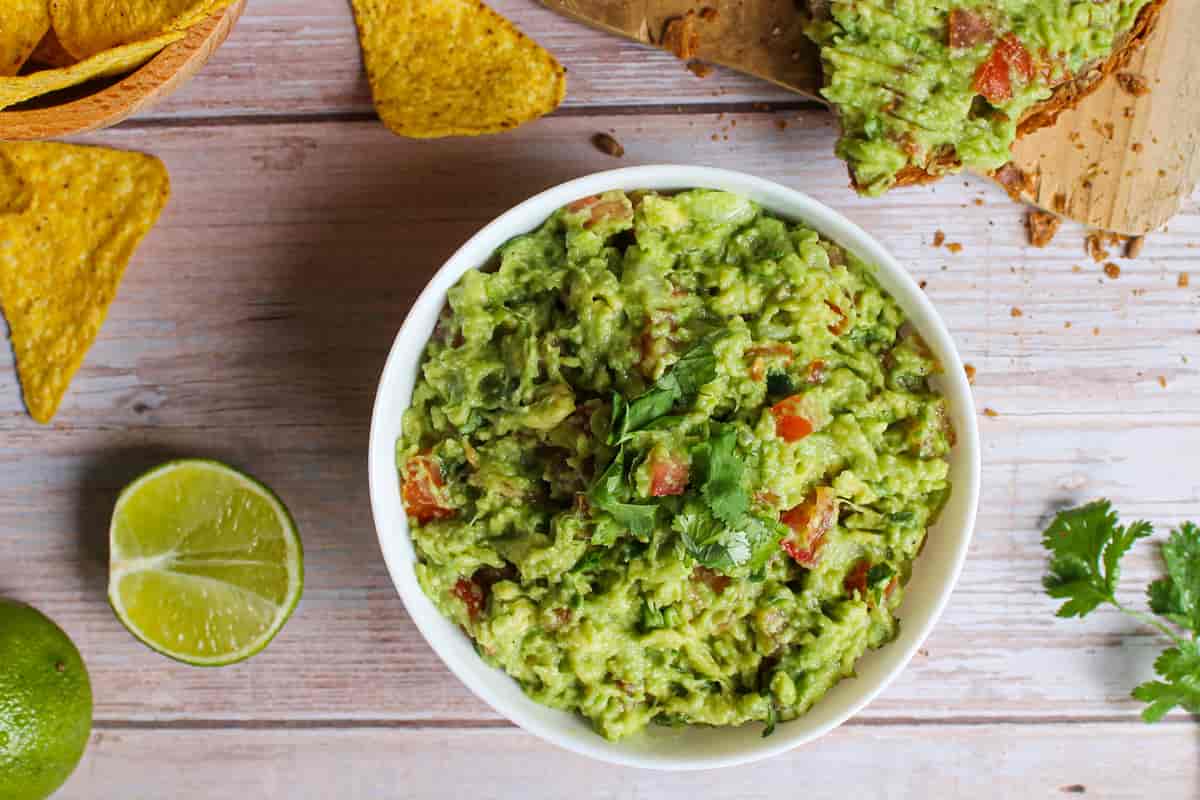
Europe's guacamole market demonstrates remarkable growth dynamics as health-conscious consumers increasingly embrace this avocado-based delicacy originating from Mexican culinary traditions. Understanding European market structures enables stakeholders to navigate opportunities across diverse national markets and distribution channels.
Multiple factors propel European guacamole expansion including plant-based diet adoption, Mexican cuisine popularity, health awareness regarding avocado benefits, tourism growth exposing consumers to new flavors, and convenience-driven ready-to-eat product availability. Regional variations create distinct consumption patterns across Northern, Southern, and Western European markets.
From food service dominance in metropolitan restaurants to retail expansion through supermarket chains, Europe's market accommodates diverse commercial strategies and consumer preferences. This comprehensive analysis reveals exactly what drives European guacamole growth and how businesses can capitalize on emerging opportunities.
Essential Market Insights
- Europe guacamole market reaches €109 million revenue with 6.2% annual growth
- France leads at €19.64 million, UK at €16.66 million, Germany at €16.80 million
- Food service accounts for 51.28% consumption through restaurants and catering
- Organic segment grows 6.1% annually commanding 25-45% price premiums
- Plant-based diet adoption drives 40% of market expansion across Europe
- Tourism bringing 747 million arrivals exposes consumers to guacamole products
- Supermarkets capture 45-50% retail sales through mainstream positioning
Explore European Avocado Market Intelligence
Discover Europe Avocado Price Analysis & Market Insights →Understanding Europe's Guacamole Market Structure
European guacamole market operates through interconnected segments spanning food service, retail, and household consumption. Comprehending these structures clarifies opportunities for market participants across value chain positions.
Market Size and Growth Trajectory
Europe's guacamole market achieved approximately €109 million revenue with projected 6.2% compound annual growth reflecting strong consumer adoption trends. This positions Europe as emerging force capturing 24.2% of global guacamole market share.
Growth acceleration stems from multiple converging factors including health consciousness, plant-based eating trends, Mexican cuisine mainstreaming, and product innovation meeting European taste preferences. Market maturation remains incomplete suggesting sustained expansion potential.
Conventional guacamole dominates at 65% market share reflecting mainstream positioning and price accessibility. However, organic segment advancing 6.1% annually indicates premiumization opportunities for quality-focused brands.
Country-Specific Market Development
France leads European consumption at €19.64 million driven by sophisticated food culture embracing international cuisines and strong restaurant sector. French consumers integrate guacamole into fusion dishes blending Mexican and Mediterranean traditions.
United Kingdom follows at €16.66 million supported by diverse metropolitan population, strong Mexican restaurant presence, and supermarket chain expansion featuring guacamole prominently. British consumers favor convenience products and food service consumption.
Germany reaches €16.80 million reflecting health-conscious population seeking nutritious alternatives and growing organic segment. German retailers emphasize quality certifications and transparent ingredient sourcing appealing to discerning consumers.
Spain demonstrates rapid growth integrating guacamole into Mediterranean cuisine traditions. Spanish consumers embrace product experimentation while restaurants create fusion dishes combining local ingredients with guacamole bases.
Netherlands serves as distribution hub with advanced logistics supporting Benelux consumption. Dutch consumers demonstrate high organic adoption rates and multicultural food preferences driving guacamole acceptance.
| Country | Market Size (€M) | Growth Drivers | Consumption Patterns |
|---|---|---|---|
| France | €19.64 | Sophisticated food culture, restaurant sector | Fusion cuisine, salad dressings, premium positioning |
| UK | €16.66 | Metropolitan diversity, supermarket expansion | Food service heavy, convenience products, snacking |
| Germany | €16.80 | Health consciousness, organic preference | Retail dominant, quality-focused, sandwich spreads |
| Spain | €12-14 (est) | Mediterranean fusion, tourism growth | Restaurant integration, olive guacamole innovation |
| Netherlands | €8-10 (est) | Distribution hub, multicultural population | High organic adoption, supermarket focus |
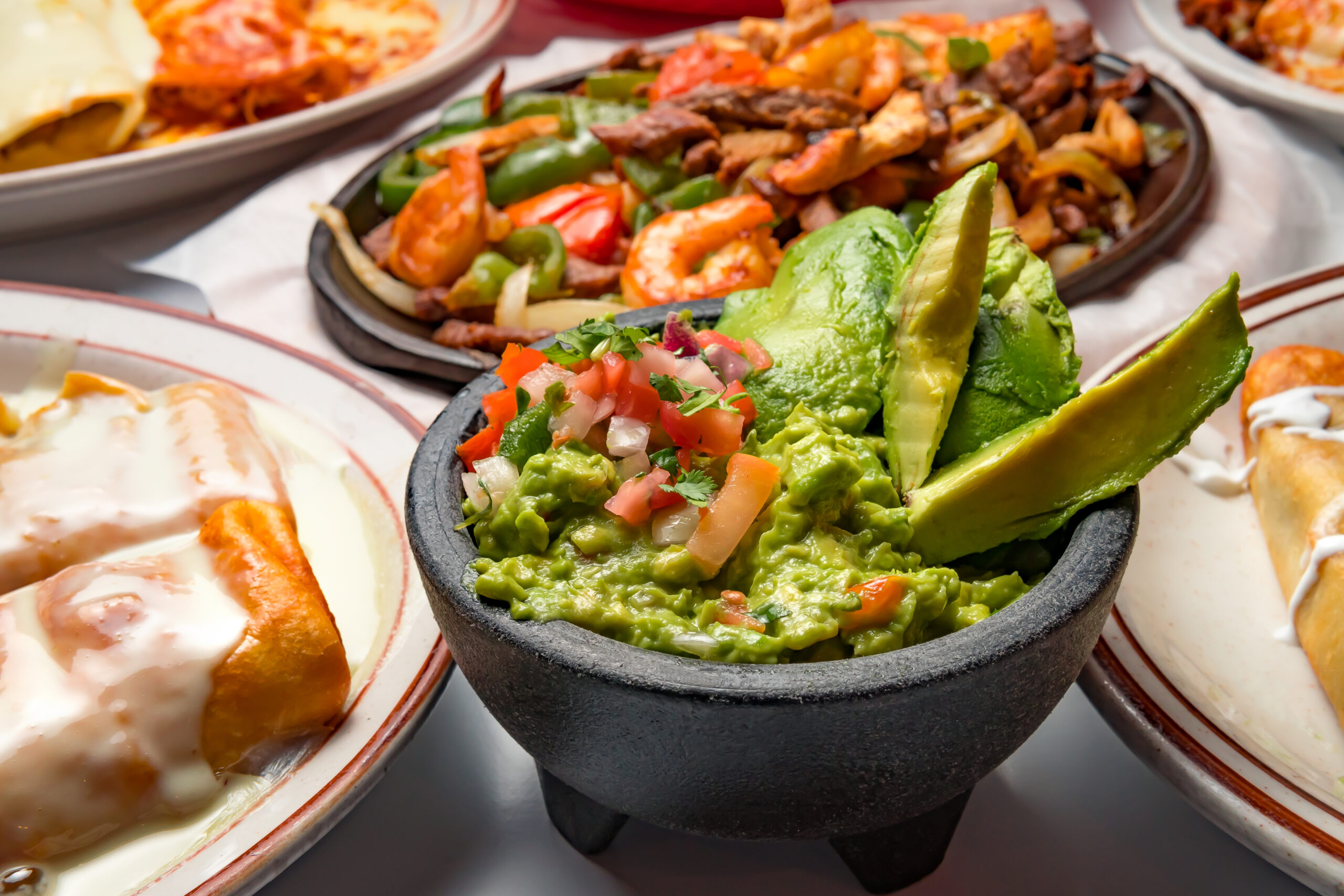
Food Service Segment Dominance
Food service channels account for 51.28% of European guacamole consumption through restaurants, fast-casual chains, hotels, catering services, and institutional dining. This dominance contrasts with North American household consumption patterns revealing European market characteristics.
Restaurant Sector Leadership
Mexican restaurant chains expanding across Europe drive substantial guacamole purchases through bulk procurement and menu integration. Brands like Tortilla Mexican Grill in UK demonstrate fast-casual format success featuring guacamole as core menu component.
Non-Mexican restaurants increasingly adopt guacamole as contemporary ingredient elevating burgers, salads, sandwiches, and breakfast items. This mainstream integration expands addressable market beyond ethnic cuisine positioning.
Fine dining establishments create guacamole-based signature dishes incorporating local ingredients reflecting regional flavor preferences. Chef-driven innovation positions guacamole as versatile culinary asset rather than single-use dip.
Hotel and Catering Growth
Hotel breakfast buffets featuring guacamole as healthy option expose international travelers and business guests to product. This trial generation supports retail purchase conversion as consumers seek to replicate hotel experiences at home.
Catering services incorporate guacamole into event menus for corporate functions, weddings, and social gatherings. Portion-controlled packaging and consistent quality enable reliable service delivery at scale.
Institutional dining including universities and corporate cafeterias adopt guacamole meeting younger demographic preferences for international flavors and plant-based options. Volume contracts provide stable demand supporting supplier relationships.
Quick Service Integration
Fast-food chains add guacamole as premium topping option generating incremental revenue through customization upsells. Standardized portioning and extended shelf-life formulations enable operational efficiency.
Coffee shop chains introduce guacamole toast and avocado-based breakfast items targeting health-conscious morning customers. This daypart expansion creates new consumption occasions beyond traditional lunch and dinner.
Food Service Opportunity: Pre-portioned guacamole packaging in 30-50g servings optimizes food service operations reducing waste while maintaining consistency. High-pressure processing (HPP) technology extends shelf life 30-45 days enabling efficient distribution across Europe's fragmented restaurant landscape. Bulk 5kg formats serve high-volume establishments while reducing per-serving costs 35-40% versus retail packaging.
Retail Distribution Channel Evolution
Retail channels capturing 48.72% of European guacamole consumption demonstrate distinct dynamics compared to food service segment. Distribution strategy directly impacts market penetration and consumer accessibility.
Supermarket and Hypermarket Positioning
Supermarkets and hypermarkets account for 45-50% of retail guacamole sales through mainstream positioning adjacent to fresh produce and dairy sections. Major chains including Tesco, Carrefour, Edeka, and Albert Heijn dedicate expanding shelf space to guacamole varieties.
Refrigerated placement emphasizes fresh product perception critical for European consumer acceptance. Premium positioning near organic produce communicates quality associations supporting price premiums.
Private label guacamole introduction by major retailers democratizes access while applying margin pressure on branded products. However, brand premiums persist based on quality perceptions and ingredient transparency.
Specialty and Organic Retailers
Specialty food stores capture 15-20% retail sales focusing on premium and organic guacamole products. Retailers like Alnatura in Germany and Bio Company emphasize certifications, sustainable sourcing, and artisanal production methods.
These channels command 25-45% price premiums versus supermarket equivalents targeting quality-focused consumers. Higher margins offset lower volume through educated customer base willing to pay for verified quality.
Specialty positioning enables smaller brands lacking supermarket distribution to establish market presence. Direct relationships with retailers support storytelling and product education driving consumer trial.
Online Channel Growth
E-commerce channels growing 20% annually reach 8-12% market share through grocery delivery services and direct-to-consumer models. Online ordering suits convenience-focused consumers and enables subscription models.
Fresh product delivery challenges including temperature control and shelf-life management require specialized logistics. Successful players invest in cold chain infrastructure ensuring quality upon delivery.
Online platforms facilitate niche product discovery exposing consumers to artisanal and imported guacamole varieties unavailable in mainstream stores. Digital marketing directly educates consumers on usage occasions and health benefits.
Convenience Store Opportunities
Convenience stores contribute 10-15% retail sales serving impulse purchases and immediate consumption occasions. Single-serve packaging and prominent placement near checkout capitalize on spontaneous demand.
Urban convenience locations targeting commuters and young professionals emphasize ready-to-eat positioning. Bundling with complementary products like chips or vegetables increases basket size and trial conversion.
| Distribution Channel | Market Share | Growth Rate | Key Characteristics |
|---|---|---|---|
| Food Service | 51.28% | 7-8% annually | Restaurants, hotels, catering, bulk purchasing |
| Supermarkets/Hypermarkets | 45-50% (retail) | 5-6% annually | Mainstream positioning, private label, refrigerated |
| Specialty/Organic Stores | 15-20% (retail) | 8-10% annually | Premium products, certifications, higher margins |
| Online/E-commerce | 8-12% (retail) | 18-20% annually | Convenience focus, subscription models, niche discovery |
| Convenience Stores | 10-15% (retail) | 6-7% annually | Single-serve, impulse, urban locations |
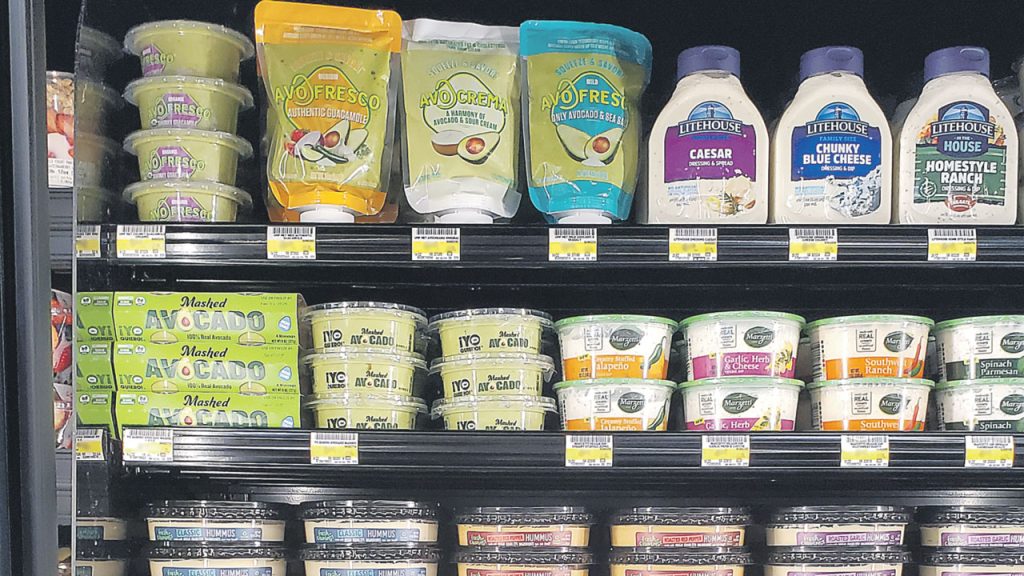
Consumer Trend Analysis and Adoption Drivers
Understanding consumer motivations driving European guacamole adoption clarifies market expansion dynamics and enables targeted marketing strategies.
Plant-Based Diet Movement
Plant-based diet adoption drives 40% of European guacamole growth as vegetarian and vegan populations expand across Western and Northern Europe. Guacamole provides creamy texture and satisfying fats replacing dairy-based dips and spreads.
Younger demographics lead plant-based adoption with 18-35 age group demonstrating highest guacamole consumption rates. Social media influences dietary choices amplifying plant-based lifestyle content and recipe sharing.
Environmental sustainability concerns motivate plant-based choices as consumers seek lower carbon footprint alternatives. Guacamole's plant-origin positioning aligns with sustainability values despite avocado production environmental debates.
Health and Nutrition Awareness
Health consciousness regarding heart-healthy monounsaturated fats drives 35% of consumption increases. European consumers recognize avocado nutritional benefits including vitamins K, E, folate, potassium, and dietary fiber.
Clean label preferences favor guacamole with minimal, recognizable ingredients versus processed dips containing artificial additives. Ingredient transparency supports premium positioning for artisanal brands emphasizing simplicity.
Functional food trends position guacamole as nutrient-dense option supporting digestive health, satiety, and sustained energy. Marketing emphasizes nutritional density contrasting with empty-calorie snacks.
Mexican Cuisine Mainstreaming
Mexican restaurant expansion contributes 25% to market growth exposing European consumers to authentic guacamole preparations. Positive dining experiences drive retail purchase trial as consumers seek to recreate flavors at home.
Television food programs and celebrity chef endorsements elevate Mexican cuisine perception from casual to sophisticated. This repositioning supports premium product development and justifies higher price points.
Tex-Mex chains adapting to European palates create approachable entry points for consumers unfamiliar with Mexican cuisine. Milder spice profiles and fusion approaches reduce barriers to trial.
Tourism and Cultural Exchange
European tourism reaching 747 million international arrivals exposes consumers to diverse cuisines including guacamole. Travelers returning home seek familiar flavors discovered abroad driving retail demand.
International student populations and immigrant communities introduce guacamole to friends and family creating organic market expansion. Multicultural urban centers demonstrate highest per-capita consumption reflecting diversity.
Social media travel content showcasing international food experiences influences younger consumers seeking authentic ethnic cuisines. Instagram-worthy presentation drives restaurant guacamole orders and home preparation attempts.
Organic vs Conventional Segment Dynamics
Organic and conventional segments demonstrate distinct growth patterns, pricing structures, and consumer profiles shaping market strategies.
Conventional Segment Leadership
Conventional guacamole maintains 65% market share through competitive pricing, wide availability, and mass-market positioning. Conventional products dominate food service due to cost considerations and volume requirements.
Price-sensitive consumers and budget-conscious retailers prioritize conventional offerings. Promotional pricing and private label development concentrate in conventional segment driving volume growth.
Conventional production enables economies of scale reducing per-unit costs. Larger brands leverage purchasing power negotiating favorable avocado supply contracts passing savings to consumers.
Organic Segment Premium Growth
Organic guacamole grows 6.1% annually commanding 25-45% price premiums reflecting certification costs, lower yields, and premium positioning. Organic share reaches 8-12% with strongest performance in German-speaking countries and Scandinavia.
Sustainability-conscious consumers justify premiums viewing organic as environmental investment. Health-focused buyers perceive organic as pesticide-free option despite minimal conventional residue concerns for avocados.
Limited organic avocado supply constrains faster growth despite strong demand. Certification requirements and transition periods limit organic production expansion creating supply-demand imbalances supporting price premiums.
Clean Label and Premium Positioning
Clean label products emphasizing minimal processing and simple ingredients bridge conventional-organic divide. High-pressure processing (HPP) maintains freshness without preservatives attracting quality-focused consumers.
Artisanal brands position on ingredient sourcing, traditional preparation methods, and small-batch production. Story-driven marketing justifies premiums through authenticity and craftsmanship narratives.
Regional ingredient partnerships like Spanish olive guacamole create differentiation addressing local taste preferences while maintaining health positioning. Innovation drives premium segment growth.
Conventional Segment
Market Share: 65%
Growth: 5.5% annually
Positioning: Mass market, competitive pricing, food service focus
Organic Segment
Market Share: 8-12%
Growth: 6.1% annually
Positioning: Premium, sustainability focus, specialty retail
Premium/Artisanal
Market Share: 15-18%
Growth: 7-8% annually
Positioning: Quality, innovation, clean label, regional ingredients
Product Innovation and Format Development
Product innovation drives category expansion introducing guacamole to new usage occasions and consumer segments through format diversity and flavor experimentation.
Ready-to-Eat Convenience Formats
Ready-to-eat guacamole dominates European market reflecting convenience priorities. Individual portion cups serve single consumption occasions reducing waste and enabling portable snacking.
Family-sized containers balance convenience with value for household consumption. Resealable packaging maintains freshness across multiple uses addressing European shopping patterns favoring smaller, frequent purchases.
Squeezable tubes introduce portion control and precise application for sandwich spreads and cooking applications. Novel formats attract experimenters and create differentiation on crowded shelves.
Frozen and Shelf-Stable Innovations
Frozen guacamole provides extended shelf life enabling broader distribution beyond refrigerated supply chains. Lower price points attract price-sensitive consumers and food service operators managing costs.
Dried guacamole mixes offer shelf stability and reduced shipping costs. Reconstitution requirements limit consumer acceptance but appeal to camping, boating, and emergency preparedness markets.
Ambient-stable products utilizing modified atmosphere packaging extend shelf life 60-90 days expanding distribution to convenience stores and vending machines. However, fresh product perception remains critical for European consumers.
Flavor Innovations and Regional Adaptations
Flavor experimentation addresses diverse European taste preferences. Mild formulations suit Northern European palates while Mediterranean markets accept spicier preparations.
Regional ingredient integration creates locally relevant variations. Spanish olive guacamole launched by Hispaniola blends Mediterranean and Mexican traditions appealing to Spanish consumers.
Functional additions including protein-enriched, probiotic-enhanced, or vitamin-fortified guacamole target health-focused segments. However, authenticity concerns limit functional innovation acceptance.
Competitive Landscape and Market Participants
Europe's guacamole market demonstrates fragmentation with global brands, regional players, and local artisans competing across segments and channels.
Global Brand Presence
MegaMex Foods operates through Wholly Guacamole brand establishing European presence via partnerships and acquisitions. Global reach enables economies of scale and supply chain optimization.
Westfalia Fruit's acquisition of Belgian processor Syros signals strategic move strengthening European processing and distribution capabilities. Vertical integration from avocado growing through processing provides cost advantages.
Hormel Foods, Calavo Growers, and Landec Corporation expand internationally targeting European growth opportunities. These established players bring R&D capabilities and brand recognition.
European Regional Players
Salud Foodgroup Europe B.V. positions as European specialist understanding regional preferences and distribution requirements. Local market knowledge enables rapid response to consumer trends.
Grupo Guacamolito expanding from Mexican base leverages authenticity positioning. European consumers value genuine Mexican preparation methods supporting import brand premiums.
Tortilla Mexican Grill vertically integrates restaurant operations with proprietary guacamole production ensuring consistency and supply security while capturing processing margins.
Artisanal and Specialty Brands
Small-batch producers emphasize local sourcing, traditional preparation, and ingredient transparency appealing to quality-focused consumers. These brands command premiums through specialty retail and direct-to-consumer channels.
Private label development by major retailers applies margin pressure but also validates category importance. Retailer investment in quality private label elevates overall market perceptions.
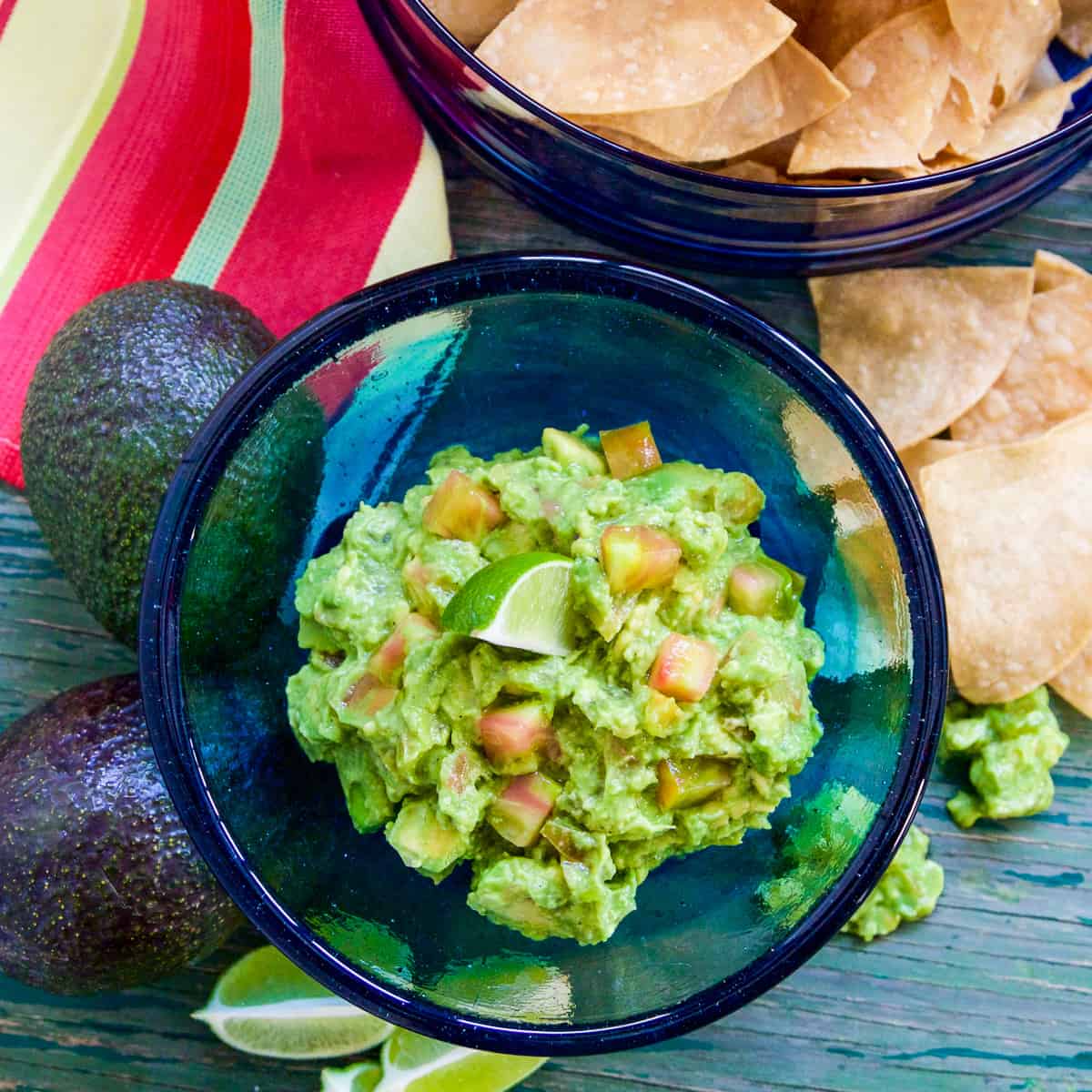
Packaging and Preservation Technology
Packaging innovations and preservation technologies critically influence product quality, shelf life, distribution efficiency, and consumer acceptance across European markets.
High-Pressure Processing (HPP) Adoption
HPP technology extends shelf life 30-45 days while maintaining fresh taste, texture, and nutritional content. This pasteurization alternative eliminates pathogens without heat treatment preserving delicate avocado characteristics.
Higher processing costs translate to premium retail pricing. However, reduced waste through extended shelf life offsets costs for retailers and consumers. HPP products dominate premium segment.
Consumer education emphasizing fresh-like quality despite extended dates remains critical. Packaging clearly communicates HPP benefits addressing potential confusion about "fresh" versus "processed" perceptions.
Modified Atmosphere Packaging (MAP)
MAP technology replaces oxygen with nitrogen or carbon dioxide slowing oxidation and browning. This extends refrigerated shelf life 14-21 days enabling broader distribution across Europe's fragmented geography.
Clear packaging showcases product quality and freshness cues important for European consumers. However, light exposure risks quality degradation requiring balance between visibility and protection.
Sustainable packaging pressures drive innovation in recyclable, compostable, and reduced-plastic solutions. European consumers demonstrate highest sustainability awareness globally influencing packaging decisions.
Portion Control and Single-Serve Packaging
Individual portion cups optimize convenience for on-the-go consumption and packed lunches. However, packaging waste concerns conflict with sustainability priorities requiring careful positioning.
Multi-pack formats balance convenience with reduced per-serving packaging. Secondary packaging consolidates individual cups reducing overall material usage and transportation costs.
Squeezable pouches provide controlled dispensing reducing mess and improving portion accuracy. Stand-up pouch formats optimize shelf presence and storage efficiency.
Challenges and Market Constraints
Despite strong growth, European guacamole market faces constraints requiring strategic responses from market participants.
Avocado Supply and Price Volatility
European dependence on imported avocados creates supply vulnerability and price volatility. Peru, Chile, South Africa, Kenya, and Mexico supply European market with seasonal gaps creating periodic scarcity.
Avocado price fluctuations directly impact guacamole production costs and retail pricing. Manufacturers struggle to maintain consistent pricing during supply crunches risking consumer backlash.
Climate change impacts on avocado growing regions increase supply uncertainty. Water scarcity in major production areas raises sustainability concerns affecting brand reputations.
Perishability and Waste Management
Fresh guacamole's limited shelf life creates retail waste challenges. Unsold product represents significant costs for retailers pressuring margins and limiting distribution expansion.
Consumer perceptions that avocados are "too perishable" inhibit purchase frequency. Educational marketing emphasizing proper storage and preservation technologies addresses these concerns.
Food waste reduction priorities conflict with single-serve convenience formats. Balancing portion sizing with waste minimization requires careful package design and consumer education.
Price Sensitivity and Economic Factors
Avocados command premium prices making guacamole less accessible to middle-income consumers. Economic downturns pressure discretionary food spending limiting market expansion.
Premium positioning excludes budget-conscious segments. Private label development and promotional strategies democratize access but compress margins for branded products.
Value perceptions challenge acceptance. Consumers comparing guacamole prices to alternative dips question value proposition requiring clear communication of nutritional benefits and quality differentiators.
Frequently Asked Questions About Europe's Guacamole Market
Future Outlook and Market Opportunities
Europe's guacamole market demonstrates substantial growth potential as consumer adoption accelerates and distribution expands across retail and food service channels.
Emerging Market Penetration
Eastern European markets including Poland, Czech Republic, and Romania represent untapped opportunities as disposable incomes rise and Western food trends penetrate. Early market entry provides competitive advantages.
Mediterranean countries beyond Spain including Italy, Greece, and Portugal offer growth potential through local cuisine integration. Olive-based variations and regional adaptations drive acceptance.
Scandinavia's strong organic preferences and health consciousness suggest premium segment growth opportunities. However, price sensitivity and limited restaurant density constrain volume potential.
Product Innovation Directions
Functional guacamole incorporating probiotics, plant proteins, or vitamins targets health-focused consumers. However, authenticity concerns require careful formulation and positioning.
Meal kit integration provides convenient cooking solutions while exposing consumers to guacamole usage occasions. Partnerships with subscription services expand market reach.
Snack innovation pairing guacamole with chips, vegetables, or crackers in convenient packages serves on-the-go consumption. Multi-component kits optimize portion control and freshness.
Sustainability and Ethical Positioning
Carbon footprint transparency and water usage disclosure address avocado sustainability concerns. Brands sourcing from responsible growers and supporting regenerative agriculture practices differentiate through ethics.
Circular economy initiatives including compostable packaging and food waste reduction programs align with European sustainability priorities. B Corporation certification signals holistic commitment beyond product quality.
Fair trade certifications ensuring farmer welfare resonate with socially conscious consumers. Supply chain transparency builds trust supporting premium positioning.
Strategic Success Factors for European Market
Succeeding in Europe's guacamole market requires understanding regional preferences, distribution complexities, regulatory requirements, and consumer expectations distinct from other global markets.
Country-specific strategies account for diverse taste preferences, retail structures, and consumption patterns. France's €19.64 million market demands sophisticated positioning while UK's €16.66 million requires convenience focus and Germany's €16.80 million prioritizes quality certifications.
Food service partnerships generating 51.28% of consumption provide volume stability and brand visibility. Restaurant placement exposes consumers driving retail trial conversion. Menu integration beyond Mexican cuisine expands addressable opportunities.
Distribution channel optimization balancing supermarket mainstream positioning with specialty retail premium opportunities maximizes market coverage. Online growth at 20% annually requires dedicated e-commerce strategies and cold chain investment.
Organic segment growth at 6.1% annually capturing 8-12% market share justifies premium product development. German-speaking countries and Scandinavia demonstrate highest organic adoption supporting focused geographic expansion.
Plant-based positioning driving 40% of growth aligns with European dietary trends. Marketing emphasizes sustainability, health benefits, and versatility beyond traditional dip applications.
Preservation technology including HPP and MAP extends shelf life enabling broader distribution while maintaining quality perceptions critical for European consumers. However, fresh product positioning remains paramount.
Regional innovation like Spanish olive guacamole creates differentiation addressing local preferences. Fusion approaches balance authenticity with accessibility reducing trial barriers.
Understanding Europe's €109 million guacamole market with 6.2% growth requires appreciating diverse national markets, distribution channel dynamics, consumer motivations, and competitive landscape complexities. Strategic participants combining market intelligence with execution excellence capture emerging opportunities across this dynamic and expanding European market.