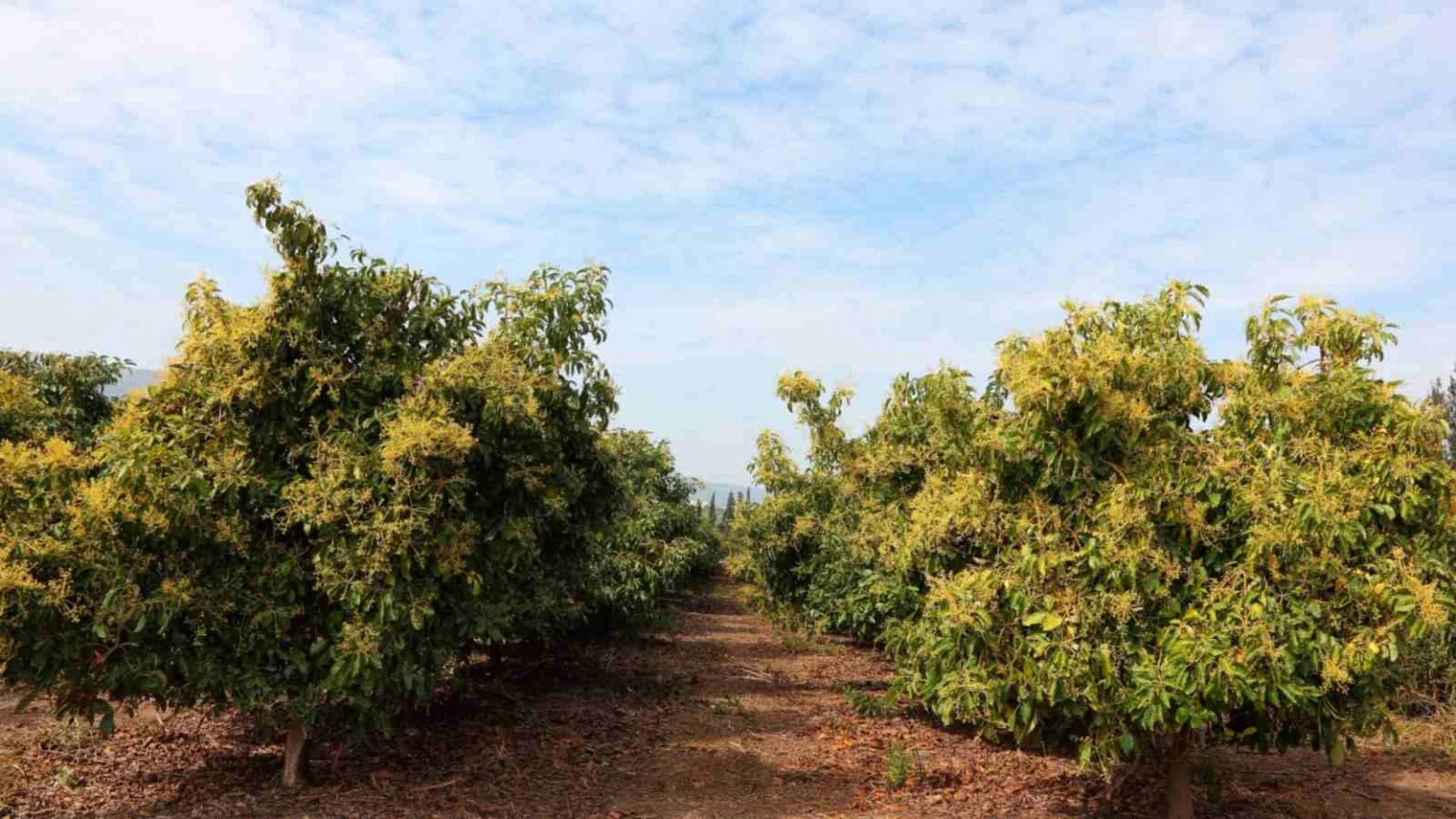
🥑 How to Prune Avocado Trees
Complete techniques for young, mature & overgrown trees
Avocado tree pruning represents essential maintenance practice transforming leggy, unproductive specimens into compact, fruitful trees optimizing light penetration, air circulation, and harvest accessibility. Proper pruning techniques applied at appropriate life stages encourage bushier growth, strengthen structural integrity, improve fruit production, and manage tree size preventing overgrowth issues common in backyard and commercial orchards. Understanding variety-specific growth habits, optimal timing, precise cutting methods, and age-appropriate approaches ensures healthy vigorous trees producing abundant high-quality avocados.
Strategic pruning interventions beginning with seedling establishment through mature production maintain ideal tree architecture balancing vegetative growth against fruiting potential. Young trees require formative pruning developing strong scaffold branches and central leader structure. Mature producing trees benefit from selective maintenance removing dead wood, improving light distribution, and managing height. Neglected overgrown specimens demand rejuvenation pruning restoring productivity through systematic canopy renovation. Each pruning scenario requires distinct approaches, tools, timing, and techniques maximizing results while minimizing stress.
This comprehensive analysis explores identification of pruning needs, seasonal timing optimization, essential tool selection and sanitization, step-by-step cutting techniques for different tree ages, common mistake avoidance, and integration with overall avocado tree health management ensuring sustainable productive orchards.
🌳 Master Mature Tree Maintenance →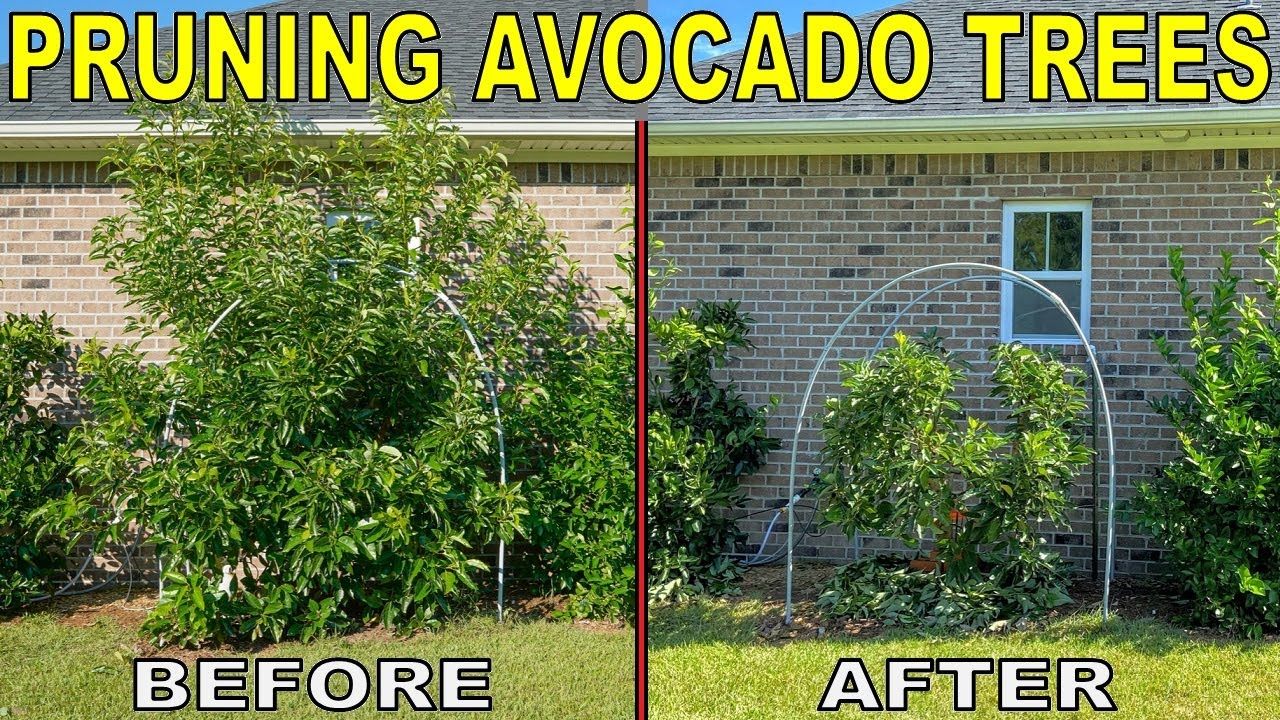
Understanding Pruning Purposes and Benefits
Avocado trees demonstrate apically dominant growth naturally producing tall single-trunk specimens with limited branching concentrating foliage at canopy top. This growth pattern creates problematic leggy trees with sparse lower branches reducing photosynthetic capacity, complicating harvest operations, and increasing wind damage susceptibility. Pruning counteracts apical dominance redistributing growth hormones stimulating lateral bud development creating fuller, more accessible tree forms.
Light penetration optimization represents primary pruning benefit. Dense canopy centers with crossed branches and overlapping foliage create shaded interior zones unable to produce flowers or fruit. Selective branch removal opens canopy structure allowing sunlight reaching interior branches maintaining productive wood throughout tree depth. Improved light distribution increases total flowering sites, enhances fruit set percentages, and promotes even ripening across entire canopy.
Air circulation improvement reduces disease pressure by lowering humidity levels within canopy microclimate. Stagnant humid conditions favor fungal pathogens including anthracnose, cercospora spot, and phytophthora canker. Strategic thinning creates air movement pathways accelerating morning dew drying, reducing leaf wetness duration, and creating unfavorable pathogen development conditions. Enhanced air flow also improves pollination efficiency facilitating pollen transfer between flowers.
🎯 Primary Pruning Objectives
| Pruning Purpose | Target Outcome | Tree Age Application | Frequency Required | Impact on Production |
|---|---|---|---|---|
| Formative Training | Establish strong scaffold structure, central leader | Seedlings, 1-3 year trees | 2-3 times during growing season | Delays initial fruiting, improves long-term yield |
| Height Management | Maintain harvestable tree size, prevent excessive growth | All ages, especially mature | Annually or biannually | Increases accessible fruit, reduces ladder requirements |
| Light Optimization | Open canopy center, remove shading branches | Mature producing trees | Every 2-3 years | Significantly increases interior fruiting zones |
| Deadwood Removal | Eliminate disease harboring material, improve aesthetics | All ages, mandatory mature | Annually minimum | Reduces disease pressure, minor yield impact |
| Structural Correction | Remove weak crotches, crossed branches, problematic angles | Young to mature trees | As needed, typically 1-2 year intervals | Prevents future breakage, protects crop investment |
| Rejuvenation Pruning | Restore productivity to neglected overgrown specimens | Mature neglected trees only | One-time intensive, then maintenance | Temporary yield loss, substantial long-term improvement |
Essential Pruning Tools and Sanitization
Bypass pruning shears (hand pruners) handle branches up to ¾-inch diameter providing clean precise cuts on young growth, small branches, and detailed work. Quality bypass design with sharp curved blade passing close sliding motion against flat anvil creates crush-free cuts healing rapidly. Cheap anvil-style pruners crush stem tissue causing ragged wounds susceptible to pathogen entry. Professional-grade Felco, Corona, or ARS brands justify investment through superior cutting performance and multi-year durability.
Loppers extend cutting capacity to 1.5-2 inch branches through long handles providing leverage for thicker wood. Two-handed operation enables clean cuts on scaffold branches, secondary laterals, and medium-sized structural elements. Telescoping handle models reach interior canopy zones without ladder requirements. Ratcheting mechanisms assist cutting hardwood though avocado's relatively soft wood rarely necessitates this feature.
Pruning saws address branches exceeding 2-inch diameter requiring saw action for clean removal. Curved blade design with aggressive teeth optimized for green wood pulls efficiently through live tissue. Folding models protect blade during storage and transportation. Pole saws mounted on extension poles access high canopy areas though ground-based pruning proves safer and more controlled than ladder work for most backyard situations.
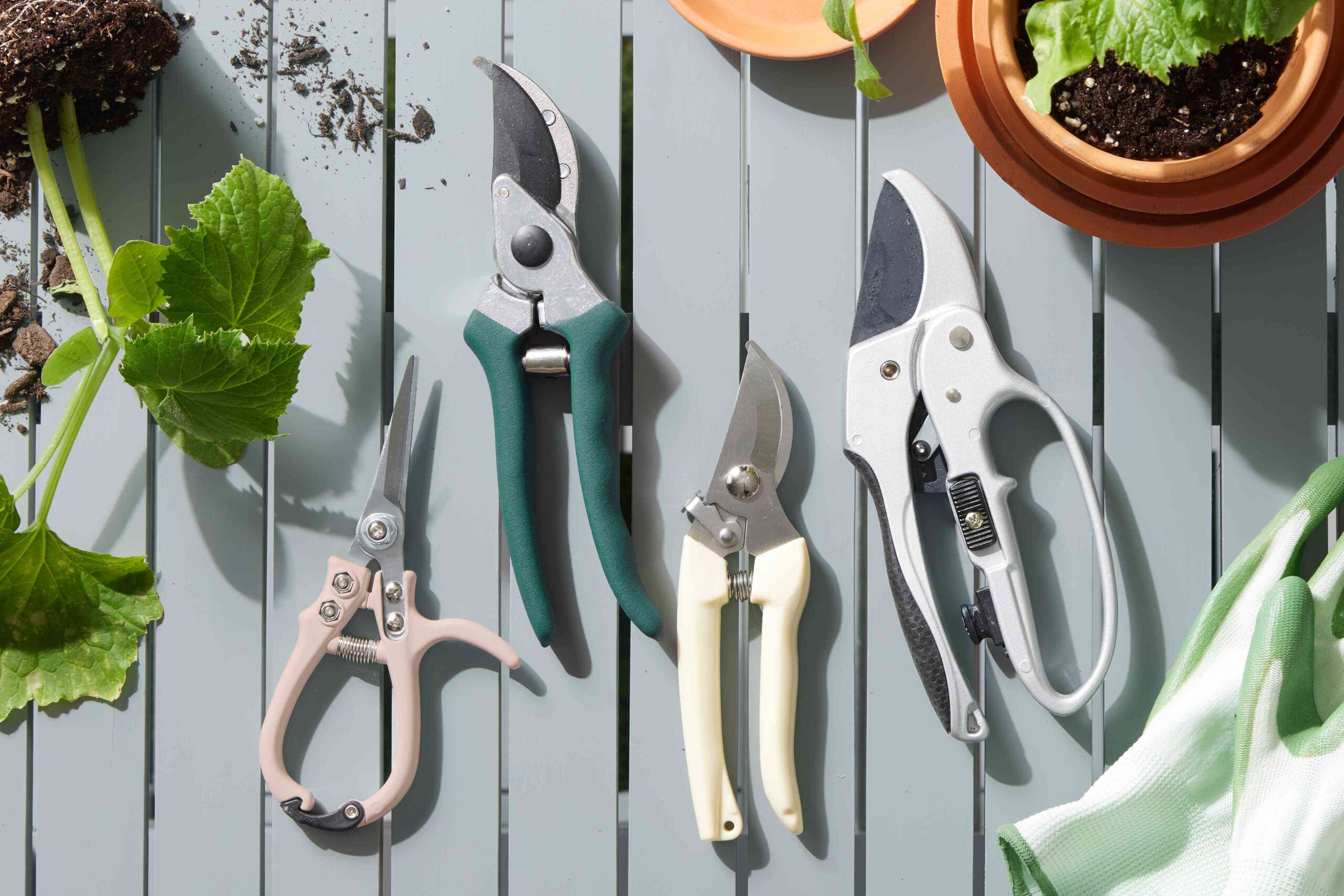
Tool sanitization prevents disease transmission between trees and from infected to healthy branches. Avocado sunblotch viroid, phytophthora root rot, and various canker pathogens spread mechanically through contaminated cutting tools. Disinfect blades between each tree using 10% bleach solution (1 part bleach to 9 parts water), 70% rubbing alcohol, or commercial disinfectants like Lysol. Dip or spray blades thoroughly allowing 30-60 second contact time before proceeding to next cut. Change disinfectant solution frequently as organic matter accumulation reduces effectiveness.
🛠️ Complete Pruning Tool Kit Requirements
Hand Pruners: Bypass design, ¾-inch capacity, professional grade (Felco #2, Corona BP3180)
Loppers: 24-32 inch handles, 1.5-2 inch cutting capacity, bypass action
Pruning Saw: Curved blade, 12-15 inch length, folding or fixed
Pole Saw: Optional for tall mature trees, 8-12 foot extension reach
Sanitizing Supplies: Spray bottle, 10% bleach solution or 70% alcohol, clean rags
Safety Equipment: Gloves, safety glasses, long sleeves (avocado sap irritates skin)
Marking Materials: Colored flagging tape identifying branches for removal (pre-planning tool)
Paint Protection: White latex paint + water 50:50 mixture protecting exposed branches from sunburn
Optimal Pruning Timing and Seasonal Considerations
Late winter through early spring represents ideal pruning window immediately before or during early bloom period. This timing allows wound healing during active growth phase while avoiding fruit development disruption. Pruning 4-6 weeks before typical bloom initiation in mild climates provides recovery time before flowering energy demands commence. Trees redirect resources toward new growth rather than fruit production during heavy pruning events.
Post-harvest pruning following fruit removal enables assessment of tree structure without fruit load obscuring branch architecture. Mature trees completing production cycle benefit from maintenance pruning removing deadwood, thinning dense areas, and correcting structural issues revealed under crop weight. Summer pruning young vigorous trees controls excessive vegetative growth though mature producing trees require caution avoiding bloom disruption.
Avoid pruning during extreme weather periods. Late fall and winter pruning in frost-prone areas stimulates tender new growth vulnerable to cold damage. Pruning during heat waves stresses trees already managing temperature-related physiological demands. Wet weather pruning increases disease transmission risks as pathogens spread through water films on tools and wounds. Drought-stressed trees require irrigation restoration before undertaking pruning interventions adding additional stress.
Pre-Bloom
Late winter ideal
4-6 weeks before flowering, optimal healing time
Post-Harvest
Structure assessment
After fruit removal, maintenance focus
Summer Light
Young trees only
Control vigor, avoid mature trees
Avoid Extremes
No stress periods
Not during frost, heat, or drought
Pruning Seedlings and Young Trees (0-3 Years)
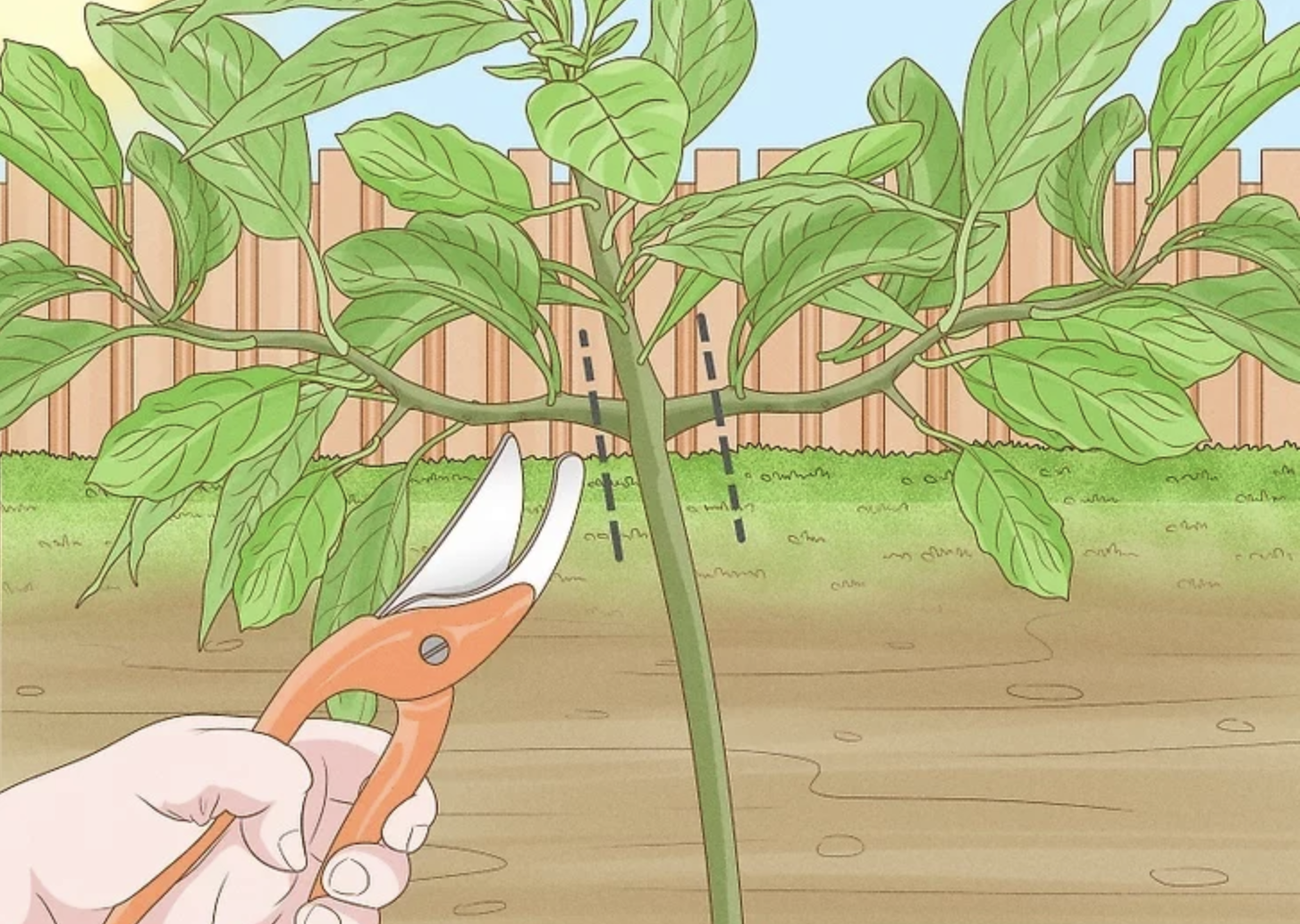
Initial pruning of seed-grown avocado seedlings occurs when plants reach 8-12 inches height establishing branching habit early. Cut main stem just above leaf node at 4-6 inch height using sharp clean shears making clean angled cut. This forces dormant lateral buds into growth creating multiple branches rather than single leggy trunk. New growth emerges within 2-4 weeks from nodes below cut point developing bushier foundation structure.
Secondary pruning addresses new branch development when lateral shoots extend 6-8 inches. Pinch or cut branch tips encouraging further branching multiplication. Repeat tip pruning cycle 2-3 times during first growing season creating increasingly dense branching framework. Young trees demonstrate remarkable regenerative capacity responding vigorously to pruning stimulation establishing full canopy more rapidly than unpruned specimens.
Grafted nursery trees require different approach as scion variety already demonstrates mature growth characteristics. Focus pruning efforts on scaffold branch selection, central leader development, and structural balance rather than forced branching. Select 3-4 well-spaced branches at 45-60 degree angles from trunk as permanent scaffold framework. Remove competing leaders, weak crotches with narrow V-angles under 45 degrees, and branches creating imbalanced weight distribution.
Stake young trees requiring vertical support during establishment period though avoid excessive staking preventing natural trunk strengthening. Flexible ties allowing slight movement encourage trunk diameter growth and root anchorage development. Prune sparingly around staking points maintaining adequate foliage for photosynthesis while preventing excessive top-heavy growth creating support dependency.
Pruning Mature Producing Trees
Mature avocado tree maintenance pruning emphasizes selective removal rather than aggressive cutting preserving established productive wood while addressing specific issues. Annual inspection identifies deadwood, diseased branches, crossed or rubbing branches, water sprouts, and excessive interior shading requiring correction. Remove dead branches completely back to living tissue making flush cuts at branch collar without leaving stubs becoming decay entry points.
Height management maintains trees at 12-15 foot maximum for ground-based harvest accessibility. Top tall vertical leaders by cutting back to lateral branches at desired height. Avoid flat-topping creating numerous vertical suckers; instead select outward-angled lateral branch redirecting energy horizontally rather than vertically. Successive heading cuts over 2-3 seasons gradually reduce height without severe shock stimulating excessive regrowth.
Thin interior canopy removing approximately 10-20% of small branches and twiggy growth opening light channels to shaded zones. Target crossed branches rubbing together creating wounds, downward-growing branches producing little fruit, and weak thin branches unable to support crop load. Maintain uniform branch spacing throughout canopy avoiding dense clusters preventing light penetration.
| Pruning Cut Type | Purpose | Technique | Tree Response | When to Use |
|---|---|---|---|---|
| Heading Cut | Reduce branch length, stimulate lateral growth | Cut partway along branch back to lateral or bud | Dense bushy regrowth below cut | Young trees, height control, encourage branching |
| Thinning Cut | Remove entire branch, open canopy, reduce density | Cut at branch origin flush with trunk or parent limb | Minimal regrowth, opens structure | Mature trees, deadwood removal, light penetration |
| Bench Cut | Lower tree height, create horizontal growth plane | Remove vertical leaders back to outward lateral branches | Redirects growth horizontally | Overgrown trees, harvest access improvement |
| Pinching | Light tip removal, encourage branching | Hand-pinch or cut soft growing tips 1-2 inches | Multiple branch formation from remaining buds | Young vigorous trees, shaping, density increase |
Rejuvenating Neglected Overgrown Trees
Severely overgrown neglected avocado trees require systematic multi-year renovation restoring productivity and manageability. Aggressive one-time pruning removing 50%+ canopy causes excessive stress potentially killing trees or triggering uncontrollable water sprout proliferation. Gradual renovation over 2-3 seasons achieves transformation without overwhelming tree recovery capacity.
Initial renovation phase removes major structural problems including dead wood, severely diseased branches, low-lying limbs blocking maintenance access, and largest most problematic crossed branches. Limit removal to 25-30% total canopy during first intervention allowing tree adjustment period. Follow initial heavy pruning with enhanced irrigation and fertilization supporting recovery and new growth establishment.
Second and third season renovations progressively address remaining issues including interior thinning, height reduction through bench cutting, and final structural corrections. By third season tree demonstrates renewed vigor, improved structure, and restored productivity. Subsequent maintenance pruning maintains achieved form preventing return to overgrown condition.

Water sprout management becomes critical during renovation as vigorous vertical shoots emerge from pruning cuts and dormant buds on main branches. Remove water sprouts regularly during growing season before they harden preventing resource drain into unproductive growth. Select occasional well-placed sprouts training as replacement branches for removed problematic limbs. Most water sprouts require elimination maintaining focus on productive horizontal branching.
Common Pruning Mistakes to Avoid
Over-pruning represents most frequent error causing excessive stress, delayed fruiting, and vigorous vegetative regrowth at productivity expense. Removing more than 30% canopy in single season overwhelms recovery capacity particularly for mature producing trees. Conservative approach targeting 15-20% removal annually achieves objectives without triggering stress responses. Patience and incremental progress outperform aggressive intervention.
Flush cutting against trunk bark removes branch collar tissue containing specialized cells facilitating rapid wound closure and compartmentalization preventing decay spread. Leaving short stubs beyond collar creates dead tissue becoming pathogen colonization sites. Proper cuts position just outside slightly swollen collar ring preserving protective zone while avoiding stub creation.
Pruning during wet conditions increases disease transmission particularly phytophthora, anthracnose, and bacterial canker. Wet tools transfer pathogens between cuts while moisture on wounds delays healing creating extended infection opportunity. Schedule pruning during dry weather periods and avoid working trees showing active disease symptoms until conditions improve and treatments applied.
⚠️ Critical Mistakes Compromising Tree Health
- Topping mature trees: Flat-topping stimulates massive water sprout proliferation creating management nightmare and destroying natural form
- Pruning in wrong season: Late season pruning stimulates frost-tender growth, flowering period pruning reduces current crop
- Using dull dirty tools: Ragged cuts heal slowly, contaminated tools spread diseases tree to tree
- Removing too much at once: Exceeding 30% canopy removal overwhelms tree recovery capacity causing severe stress
- Ignoring wound protection: Exposed cuts on large branches require white latex paint protecting from sunscald
- Removing all fruiting wood: Balance structure improvement against maintaining adequate production capacity
- Neglecting sanitization: Skipping tool cleaning between trees spreads sunblotch viroid and fungal pathogens
Post-Pruning Care and Recovery Support
Irrigation management following pruning supports recovery and new growth establishment. Maintain consistent soil moisture without waterlogging encouraging root activity supplying resources for canopy regeneration. Reduced foliage decreases water consumption though root system remains unchanged requiring adjusted watering schedules preventing both drought stress and over-saturation.
Fertilization timing and application rates require adjustment after significant pruning. Delay heavy fertilization 4-6 weeks allowing wound healing and initial regrowth before stimulating additional flush. Once new growth establishes apply balanced fertilizer supporting vegetative development though avoid excessive nitrogen stimulating unproductive water sprouts rather than fruiting wood.
Sunscald protection becomes necessary when heavy pruning suddenly exposes previously shaded bark to direct sunlight. Thin bark on avocado branches burns easily causing permanent damage and pathogen entry points. Paint exposed branches with 50:50 white latex paint and water mixture reflecting sunlight preventing thermal injury. Reapply paint if rain removes coverage during first growing season.
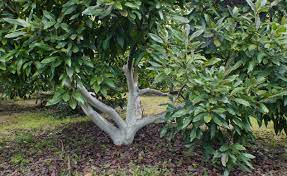
🎯 Essential Pruning Success Principles
- Start early: Formative pruning young trees 8-12 inches tall creates ideal structure preventing future problems
- Prune purposefully: Every cut should address specific objective - avoid random cutting without clear rationale
- Timing matters: Late winter to early spring pruning optimizes healing and minimizes stress
- Tools determine quality: Sharp sanitized bypass pruners create clean cuts healing rapidly with minimal disease risk
- Conservative approach: Remove 15-20% canopy annually rather than aggressive one-time cutting
- Follow with support: Enhanced irrigation, appropriate fertilization, and sunscald protection accelerate recovery
Integration with Overall Tree Health Management
Pruning represents one component within comprehensive avocado tree care program encompassing irrigation management, nutrition, pest and disease control, and environmental optimization. Integrated approach combining proper pruning with appropriate cultural practices maximizes tree health, productivity, and longevity. Pruning alone cannot overcome fundamental issues like poor drainage, inadequate nutrition, or severe pest pressure requiring holistic management.
Disease monitoring during pruning operations identifies early infection signs enabling prompt intervention before problems escalate. Inspect cut surfaces for discoloration indicating internal decay, examine bark for cankers or unusual lesions, and assess foliage for pest damage or nutrient deficiencies. Early detection permits targeted treatments preventing disease spread to healthy tissue.
Record keeping documenting pruning timing, extent, techniques, and tree response informs future management decisions building knowledge specific to individual trees and site conditions. Photograph trees before and after pruning creating visual documentation of structural changes and recovery progress. Notes regarding growth response, fruiting impact, and technique effectiveness refine approach over time.
Frequently Asked Questions About Avocado Tree Pruning
Building Sustainable Pruning Program
Successful avocado tree management requires establishing consistent pruning routine rather than sporadic aggressive intervention. Annual inspection identifies emerging issues while trees remain easily manageable preventing accumulation of major structural problems demanding drastic correction. Light frequent pruning maintains desired form, optimizes productivity, and minimizes tree stress compared to heavy periodic cutting causing boom-bust production cycles.
Developing pruning skill improves with practice and careful observation of tree response. Photograph trees before and after pruning documenting structural changes and noting growth patterns following different techniques. Evaluate results annually adjusting approach based on outcomes refining technique to individual tree characteristics and site conditions. No two avocado trees respond identically requiring adaptive management tailored to specific circumstances.
Professional consultation benefits gardeners facing complex situations including severely neglected trees, extensive disease problems, or valuable specimens requiring expert care. Certified arborists with avocado experience provide objective assessment, specialized techniques, and equipment handling dangerous high canopy work beyond homeowner capabilities. Investment in professional pruning establishes proper structure enabling subsequent homeowner maintenance.