
Best Fresh Chives Recipes
British cooking elevated with premium quality chives
Why Chives Quality Matters for Your Recipes
- Wilted supermarket chives lose 60% of their aroma — recipes taste flat and bitter
- Fresh, premium chives add brightness to every dish without onion harshness
- Scottish tattie scones, smoked salmon dishes, and chive butter require peak freshness
- Professional chefs source premium chives because recipe quality depends on ingredient quality
- Year-round fresh chives mean you're never compromising on recipes
Why Fresh Chives Transform British Cooking
British cuisine has a secret weapon: fresh chives.
They finish smoked salmon dishes with elegance. They brighten potato salads. They elevate a simple butter into something memorable.
But there's a problem most home cooks don't realize: the quality of your chives determines the quality of your recipe.
Wilted supermarket chives won't give you the same result as premium fresh chives. The aroma fades. The flavour becomes muddled. Dishes that should sing instead fall flat.
This is why restaurant chefs don't shop at supermarkets for chives. They source premium, fresh chives specifically for recipe excellence.
Here are the best British chives recipes — and how to make them shine with quality ingredients.
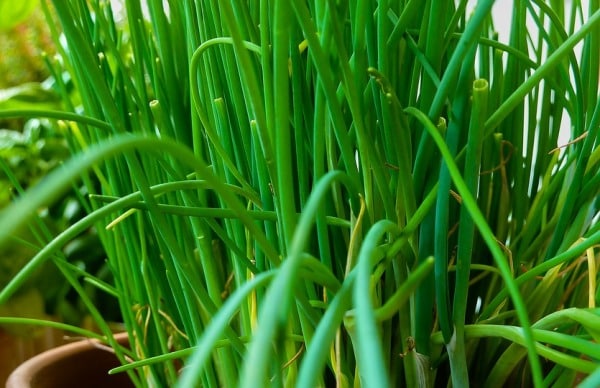
6 Essential British Chives Recipes
These dishes showcase chives at their best. Each one depends on fresh, quality chives for success.
1. Scottish Tattie Scones with Crispy Bacon
A Scottish classic. Soft, pillowy potato scones made with floury potatoes, soured cream, butter, and generous amounts of fresh chives. Serve warm with crispy bacon and roasted tomatoes.
Why freshness matters: Chives are the only seasoning. Wilted chives make these taste like plain potato bread. Fresh, bright chives transform them into a breakfast hero.
2. Smoked Salmon & Cream Cheese with Chive Garnish
Premium smoked salmon, rich cream cheese, bagels or toast, and a generous handful of fresh chives scattered on top. The simplicity makes quality essential.
Why freshness matters: This dish has three ingredients. There's nowhere to hide poor quality. Fresh chives add elegance. Supermarket chives ruin the dish.
3. Roasted New Potatoes with Chive Aïoli
Golden, crispy roasted new potatoes dressed with homemade aïoli elevated with Dijon mustard, fresh chives, and lemon. A gorgeous side dish that steals the plate.
Why freshness matters: The aïoli's richness needs bright, fresh chives to cut through. Dull chives leave the dish feeling heavy.
4. Chive Butter (Compound Butter)
Softened butter blended with finely chopped fresh chives, lemon zest, and salt. Freeze in logs or shape into pats. Melts over steaks, roasted vegetables, or fresh fish.
Why freshness matters: Chives are the feature. Frozen butter preserves freshness perfectly. Use premium fresh chives and you'll notice the difference months later.
5. Crab & Chive Risotto with Crème Fraîche
Creamy risotto with sweet crab meat, finished with fresh chives and a dollop of crème fraîche. Elegant enough for dinner parties.
Why freshness matters: Chives finish the dish at the last moment. Their brightness cuts the richness of the risotto. Dull chives don't complete the flavour profile.
6. Chive & Cheddar Omelette with Crusty Bread
Fluffy omelette folded with grated white Cheddar cheese and fresh chives. Serves with crusty bread and butter. A simple weeknight dinner or weekend brunch.
Why freshness matters: The egg's delicate flavour is easily overpowered by musty, old chives. Fresh chives add gentle brightness without harshness.

How to Choose Quality Chives for Recipes
Not all chives are equal. Professional cooks know what to look for.
Visual Markers of Freshness
- Colour: Bright, vibrant green. Any yellowing = age.
- Structure: Firm, upright stems. Wilting = lost aroma.
- Leaves: Smooth texture. Any soft spots = decay starting.
- No browning: Edges shouldn't be dark or crispy.
Aroma Test
This is the most important test. Fresh chives have a bright, mild onion scent — slightly sweet, never harsh. If you smell nothing, the chives are old. If they smell musty or unpleasant, they're compromised.
Why Supermarket Chives Fail Recipes
Supermarket chives have been in transit for 5–7 days. They've been handled multiple times. The cold chain isn't optimized for delicate herbs. By the time they reach your kitchen, they're already beginning to fade.
When recipes depend on chives being the star (like tattie scones or chive butter), this quality loss is noticeable.


Storage Tips for Maximum Freshness
Even premium fresh chives need proper storage to maintain quality.
Refrigerator Storage (Best Method)
Store fresh chives in a glass or jar with water (like flowers), stems down, covered loosely with a plastic bag. Change water every 2–3 days. This method extends freshness to 14–21 days.
Sealed Container Method
Wrap chives in damp paper towels, place in a sealed container. Store in the crisper drawer. Lasts 7–10 days. Change paper towels if they become wet.
Freezing for Later
Chop fresh chives finely, place in ice cube trays with a splash of water, freeze. Pop out and store in freezer bags. Perfect for winter cooking. Use in warm dishes (not raw garnish — texture suffers).
Why Professional Chefs Source Premium Chives
Recipe Quality Depends on Ingredient Quality
When chives are the feature (tattie scones, chive butter, omelettes), using premium chives isn't optional — it's essential to the dish working.
Consistent Year-Round Availability
Never compromise because "chives aren't available." Premium sources guarantee supply 365 days, so you cook what you want, when you want.
Superior Aroma & Flavour Profile
Fresh chives from quality sources have 3–5x the aroma of supermarket chives. Your finished dishes taste noticeably better.
Extended Shelf Life = Less Waste
Premium chives last 14–21 days vs. 3–5 days for supermarket. You waste less and save money over time.
Common Questions About Cooking with Fresh Chives
Frozen chives work for cooked dishes (risotto, soups, omelettes) but not for raw garnishes or chive butter. Freezing damages cell structure, affecting texture. For recipes where chives are the feature (tattie scones, chive butter), use fresh only.
Chives are all delicate leaves — mild, fresh onion flavour. Spring onions include white bulbs with stronger flavour. For these recipes, use true chives. Spring onions will overwhelm delicate dishes like tattie scones.
Use fresh chives raw whenever possible (garnishes, chive butter, aïoli). Heat destroys their delicate aroma. In cooked dishes (omelettes, risotto), add chives at the very end, just before serving. This preserves brightness.
Start conservatively — 1 tablespoon fresh chives per serving is typical. You can always add more. With premium fresh chives, you'll use less because the flavour is more concentrated. Supermarket chives often need double the amount to achieve the same effect.
Professional kitchens source from specialist suppliers who guarantee freshness, year-round availability, and cold-chain integrity. This is why their chive dishes taste so much better than supermarket versions. You can access the same suppliers — they welcome home cooks who care about quality.
Chives are grown intensively and spray-free by most ethical producers. Organic certification is nice but not essential. Focus on freshness and source over certification. A fresh, non-organic chive beats a week-old organic one.
The Chives Paradox: Quality Where It Matters Most
Home cooks often compromise on herb quality. They buy what's available at the supermarket and adapt recipes around it.
But professionals do the opposite. They source premium chives first, then build recipes around what's fresh and best.
The result? Dishes that taste noticeably better.
Tattie scones made with premium fresh chives are memorable. Made with supermarket chives, they're forgettable. The only difference is ingredient quality.
This is why the best restaurants in Britain prioritize chives sourcing. It's not pretentious — it's practical. The dishes work better with better ingredients.