
Climate change threatens every Kenyan farmer's livelihood. Rising temperatures destroy crops. Unpredictable rains devastate planting schedules. Extreme weather wipes out entire harvests. But you're not helpless. This guide shows exactly how smallholder farmers across Kenya are adapting successfully—and how you can too.
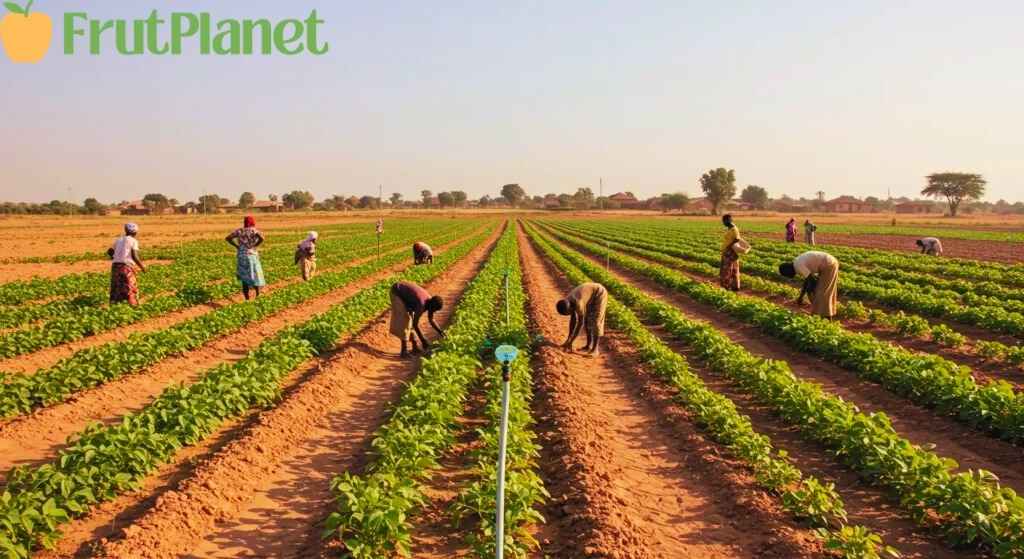
🌾 Critical Climate Adaptation Strategies
- Smallholder farmers lose 20-40% of income during climate-induced crop failures without adaptation
- Drought-resistant crops (sorghum, millet, improved beans) require 30-50% less water than traditional varieties
- Water-saving drip irrigation pays for itself in 8-18 months through increased yields and reduced water costs
- Farmers implementing 3+ adaptation strategies report 15-35% income increases despite challenging climate
- Arid and semi-arid regions (83% of Kenya) face highest vulnerability but also greatest adaptation potential
Understanding Climate Impacts on Kenyan Smallholder Farms
Kenya's agriculture contributes 30% to GDP. It employs 56% of the workforce. Yet climate change undermines this economic foundation daily.
Temperature increases harm crop productivity more than most farmers realize. Research shows temperature effects exceed rainfall impacts for most crops.
Your crops face multiple climate threats simultaneously. Rising heat accelerates water loss from plants. Unpredictable rainfall disrupts traditional planting calendars. Extended droughts devastate yields. Sudden floods wash away topsoil and young seedlings.
Temperature: The Hidden Crop Destroyer
Most farmers focus on rainfall. But temperature increases silently destroy yields.
Higher temperatures force plants to lose water faster through transpiration. They experience heat stress during flowering and grain-filling stages. This stress reduces photosynthesis efficiency dramatically.
Every degree of warming costs maize farmers 10-20% of potential yield. Beans show similar sensitivity. Even traditionally hardy crops struggle beyond their optimal temperature ranges.
⚠️ Wake-Up Call for Farmers
Your grandfather's farming calendar no longer works. Traditional planting dates fail because climate patterns have shifted permanently. Waiting for rains that arrive three weeks late means total crop loss. You must adopt flexible, weather-informed planting strategies immediately.
Rainfall Unpredictability Destroys Planning
Kenya traditionally experienced two reliable rainy seasons. The long rains (March-May) and short rains (October-December) guided farming for generations.
Climate change shatters this reliability. Rains arrive late or fail completely. When they come, they bring destructive floods rather than gentle, sustained precipitation.
This unpredictability creates three devastating problems:
- Delayed onset forces expensive replanting: You plant when expected rains should arrive. No rain comes. Your seeds die. You must purchase more seeds and replant—doubling costs with no guarantee of success.
- Shortened rainy seasons compress growing time: Even when rains arrive, they end earlier. Your crops lack sufficient time to mature fully, resulting in poor yields or total failure.
- Intense storms cause more harm than benefit: Instead of gradual, beneficial precipitation, rains arrive as violent storms. These cause flooding, soil erosion, and crop damage rather than supporting growth.
Regional Climate Vulnerabilities: Where You Farm Matters
Different Kenyan regions face unique climate challenges. Your adaptation strategy must match your specific location.
| Region | Primary Climate Threat | Crops Most Affected | Priority Adaptation Strategy |
|---|---|---|---|
| Eastern Kenya (Kitui, Makueni, Machakos) | Extended droughts, high temperatures | Maize, beans, traditional staples | Drought-resistant crops + water harvesting |
| Central Kenya (Nyeri, Murang'a, Kiambu) | Unpredictable rainfall timing | Coffee, tea, vegetables | Flexible planting + irrigation backup |
| Rift Valley (Nakuru, Narok, Baringo) | Temperature extremes, rainfall variability | Wheat, maize, livestock | Crop diversification + improved breeds |
| Western Kenya (Bungoma, Kakamega, Kisii) | Increased rainfall intensity, flooding | Sugarcane, maize, bananas | Drainage systems + soil conservation |
| Coastal Region (Kilifi, Kwale) | Saltwater intrusion, temperature rise | Cashew, coconut, cassava | Salt-tolerant varieties + agroforestry |
| Northern Kenya (Turkana, Marsabit) | Extreme drought, desertification | Livestock, limited cropping | Livestock diversification + pastoralism |
Drought-Resistant Crops: Your First Line of Defense
Switching to drought-resistant varieties provides immediate climate protection. These crops maintain yields even when rainfall disappoints.
Best Drought-Resistant Crops for Smallholders
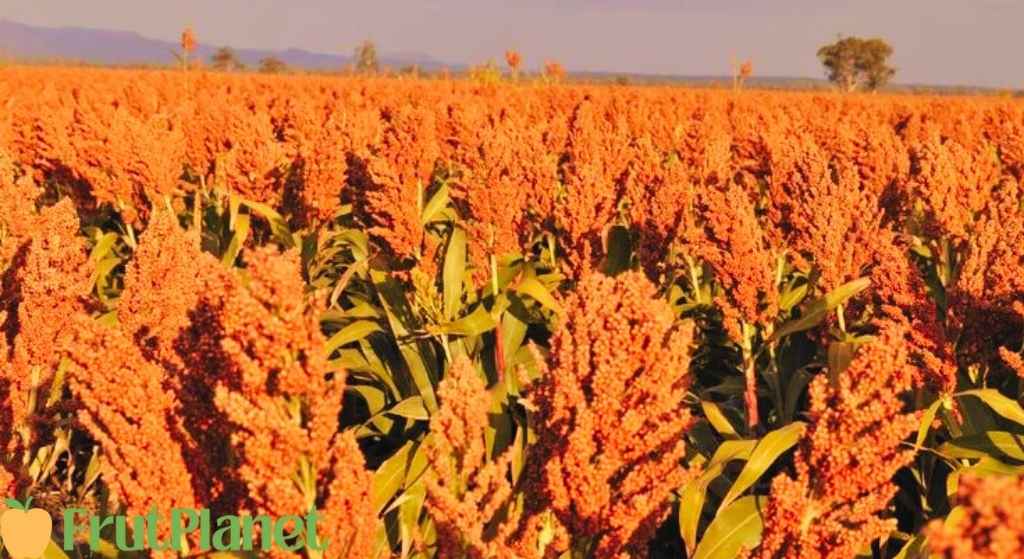
Sorghum and Millet: These ancient grains evolved in African droughts. They require 30-50% less water than maize. Their deep roots access moisture unavailable to shallow-rooted crops.
Sorghum yields remain stable even during extended dry spells. It produces nutritious grain for human consumption plus valuable crop residues for livestock feed.
Millet matures quickly—often within 90 days. This rapid growth cycle allows completion before drought conditions intensify.
Improved Bean Varieties: Modern breeding produces beans requiring far less water than traditional types. Drought-tolerant lablab, cowpeas, and green grams maintain protein production even in challenging conditions.
These legumes fix nitrogen in soil. This natural fertilization reduces input costs while improving soil health for subsequent crops.
Cassava: This root crop survives extended droughts that destroy grain crops completely. Cassava tolerates poor soils and requires minimal inputs.
One cassava planting produces harvests for 12-18 months. This extended harvest period provides food security during multiple lean seasons.
Sweet Potatoes: Orange-fleshed sweet potato varieties offer drought tolerance plus excellent nutrition. They mature in 90-120 days and produce food even under water stress.
Indigenous Vegetables: Traditional leafy greens like amaranth and African nightshade thrive in marginal conditions. They grow rapidly with minimal water and provide essential nutrients.
✅ Real Farmer Success: Machakos County
Mary Muthoni switched from maize to sorghum three seasons ago. Her maize constantly failed during droughts. Sorghum consistently produces harvests requiring half the water. She reports 40% higher income from sorghum sales plus valuable livestock feed. "Sorghum saved my farm," she explains. "Maize left me with nothing. Now I harvest every season."
Drought-Adapted Cash Crops
Cash crops provide higher income than staples. But traditional varieties struggle with climate change.
Improved Avocado Varieties: Modern avocado breeds tolerate heat and water stress better than older types. Hass and other improved varieties maintain production even during dry periods.
Avocados generate substantial income. Even small-scale farmers earn significant revenue from a few productive trees.
Macadamia: These trees thrive in varied conditions. They require less water than traditional crops once established. Macadamia nuts command premium prices in export markets.
Drought-Tolerant Coffee: Robusta coffee shows greater climate resilience than Arabica. Some improved Arabica varieties also demonstrate enhanced drought tolerance.
Water Conservation: Securing Your Farm's Future
Water scarcity threatens every Kenyan farmer. Conservation technologies eliminate rainfall dependence.
Drip Irrigation: Maximum Efficiency
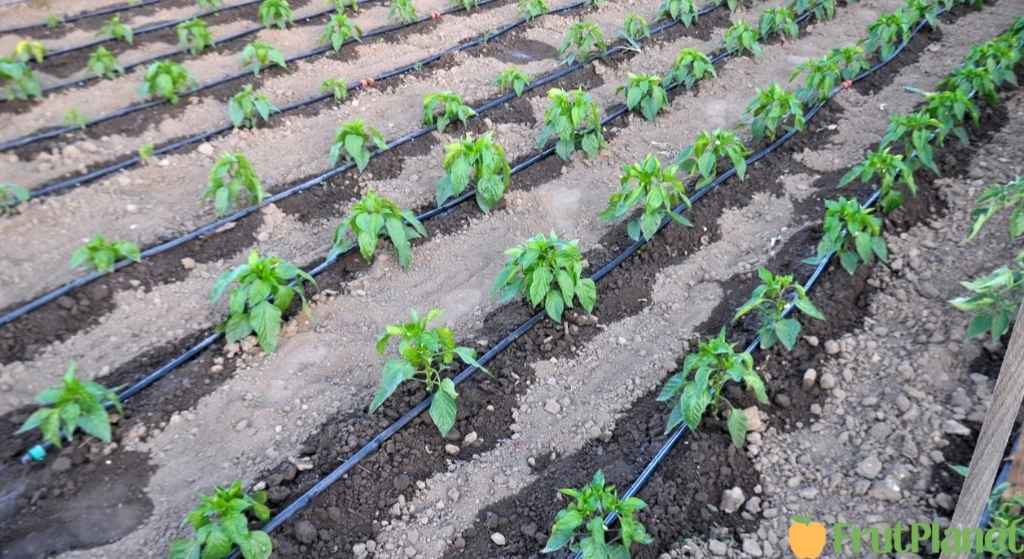
Drip systems deliver water directly to plant roots. This precision eliminates evaporation and waste.
Drip irrigation saves 40-60% of water compared to traditional methods. For smallholders, this efficiency makes irrigation economically feasible.
Cost and Payback: Basic drip kits for quarter-acre cost KES 15,000-30,000. Government subsidies reduce this to KES 7,500-15,000 for qualifying farmers.
Increased yields from consistent watering typically recover costs within 8-18 months. After payback, drip systems continue providing benefits for 3-5 years before requiring replacement.
How to Access Subsidies: Visit your county agricultural office. They coordinate national and county subsidy programs. Farmer cooperatives also negotiate bulk discounts with suppliers.
Rainwater Harvesting: Free Water Storage
Every rainy season brings valuable water you currently waste. Harvesting and storing this resource provides drought security.
A 100 square meter roof collects 25,000-50,000 liters annually in most Kenyan regions. This volume sustains kitchen gardens, livestock, and supplemental irrigation during dry months.
Simple Harvesting Systems: Install gutters on your house, greenhouse, or any structure with a roof. Direct water to storage tanks. Even modest 5,000-liter tanks provide substantial drought protection.
Farm Ponds: Larger operations benefit from excavated ponds. These store greater volumes for field irrigation. Strategic placement allows gravity-fed water distribution, eliminating pumping costs.
Conservation Agriculture for Moisture Retention
How you manage soil determines water efficiency. Conservation practices maximize moisture availability to crops.
Minimum Tillage: Excessive plowing destroys soil structure and reduces water-holding capacity. Minimum tillage preserves soil integrity and moisture.
Reduced tillage also cuts labor and fuel costs significantly. You spend less time preparing land while improving water retention.
Mulching: Covering soil with organic materials reduces evaporation by 30-50%. Crop residues, grass clippings, or purchased mulch all work effectively.
Mulch also suppresses weeds, adds organic matter, and moderates soil temperature. These combined benefits justify the effort required.
Cover Crops: Plant legumes or grasses between main crops. These protect soil from erosion, add organic matter, and improve water infiltration.
Legume cover crops fix nitrogen. This natural fertilization reduces fertilizer costs while building soil health.
Crop and Income Diversification: Spreading Climate Risk
Relying on a single crop maximizes climate vulnerability. When that crop fails, your entire income disappears.
Diversification spreads risk across multiple enterprises. When drought destroys maize, your beans may survive. When floods damage vegetables, tree crops remain intact.
Smart Diversification Strategies
Combine Annual and Perennial Crops: Annual crops provide immediate income. Perennial trees and shrubs offer long-term stability and climate buffering.
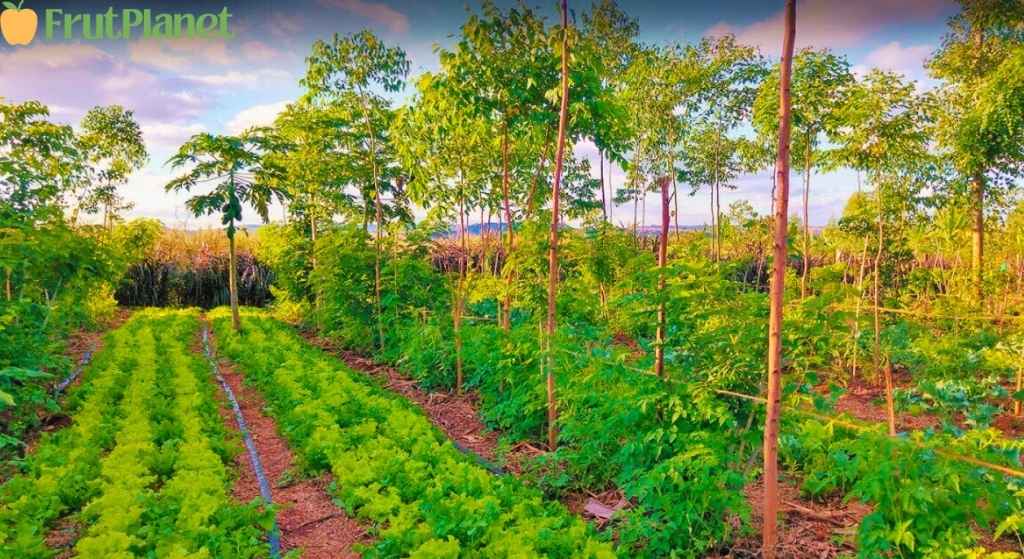
Intercrop vegetables with fruit trees. The trees provide shade reducing heat stress on vegetables. You harvest food from vegetables immediately while trees mature for future income.
Mix Staples with Cash Crops: Don't abandon food security for cash crops entirely. Grow enough staples for family consumption. Use remaining land for cash crops generating income.
This balance protects nutrition while generating money for inputs, school fees, and other needs.
Integrate Livestock: Animals convert crop residues into income and manure. They provide insurance against crop failure.
During drought, you can sell livestock to generate emergency income. When crops fail, animal products sustain family nutrition.
Climate-Adapted Livestock: Choose breeds suited to your region's climate challenges. Goats tolerate drought better than cattle. Indigenous chicken breeds resist disease better than improved varieties.
💡 Diversification Example
A quarter-acre farm can include: 40% drought-resistant staples (sorghum, beans), 30% cash crops (vegetables, improved avocado trees), 20% fodder crops for livestock, 10% indigenous vegetables for nutrition. This mix ensures some income source survives any climate event.
Weather Information: Knowledge Prevents Losses
Timely weather information enables proactive decisions. Advance drought warnings allow preparation rather than panic.
Accessing Weather Services
Kenya Meteorological Department: Provides seasonal forecasts and weekly weather updates. These forecasts achieve 60-75% accuracy for general rainfall trends.
Mobile Weather Services: Several providers offer SMS weather alerts to farmers. These services cost minimal amounts but provide valuable planting guidance.
Radio Agricultural Programs: County and national radio stations broadcast weather information and farming advisories in local languages.
County Extension Officers: Government agricultural officers receive detailed weather information and provide interpretation for farmers.
Using Weather Information Effectively
Don't rely solely on traditional indicators. Combine modern forecasts with local observations and traditional knowledge.
Flexible Planting: Wait for confirmed rainfall before planting. Seasonal forecasts indicate likely patterns. Don't commit seeds to soil until actual rains establish reliable patterns.
This patience prevents costly replanting when early rains prove false starts.
Crop Selection Based on Forecasts: If forecasts predict below-normal rainfall, plant drought-resistant varieties. Normal or above-normal predictions allow traditional crops.
Soil Health: The Foundation of Climate Resilience
Healthy soil determines your farm's climate resilience. Degraded soil cannot hold water. It cannot support crops during stress. Poor soil makes every climate challenge worse.
Climate-smart farmers prioritize soil health above all else. Strong soil buffers against drought, flood, and temperature extremes.
Building Organic Matter for Water Retention
Soil organic matter acts like a sponge. It holds water during rains and releases it slowly to plants during dry periods.
Kenyan soils typically contain only 1-2% organic matter. Increasing this to 3-5% dramatically improves water-holding capacity.
Composting Your Farm Waste: Every farm generates organic materials. Crop residues, kitchen waste, livestock manure—all become valuable compost.
Proper composting transforms waste into soil-improving fertilizer. Layer green materials (fresh plant waste) with brown materials (dry leaves, straw). Add livestock manure if available. Keep moist and turn every two weeks.
After 2-3 months, you have rich compost worth thousands of shillings if purchased. Applied to fields, this compost increases water retention, adds nutrients, and improves soil structure.
Incorporating Crop Residues: Don't burn or remove all crop residues. Leave some on fields or incorporate them through minimal tillage. These materials add organic matter while protecting soil from erosion.
Managing Soil Acidity and Fertility
Many Kenyan soils have become acidic through overuse and insufficient organic matter. Acidic soils lock nutrients away from plants.
Liming Acidic Soils: Agricultural lime corrects acidity, releasing locked nutrients and improving fertilizer efficiency. County agricultural offices can test your soil pH and recommend lime quantities.
Lime investment pays back through improved fertilizer effectiveness. You get more value from every shilling spent on fertilizer.
Balanced Fertilization: Climate-stressed crops need proper nutrition to maintain resilience. But blanket NPK applications often waste money.
Soil testing identifies specific nutrient deficiencies. Targeted fertilization addresses actual needs rather than guessing. This precision reduces costs while improving crop performance.
Preventing Soil Erosion
Erosion removes your most fertile topsoil. Each heavy rain can wash away centimeters of productive soil that took decades to form.
Contour Farming: Plant across slopes rather than up and down. This simple practice slows water flow and reduces erosion by 30-50%.
Terracing on Steep Slopes: Convert steep hillsides into level terraces. This labor-intensive practice prevents massive erosion while creating productive planting areas.
Cover Crops and Ground Cover: Never leave soil bare. Plant cover crops immediately after harvest. Their roots hold soil in place while their leaves protect against raindrop impact.
Livestock Adaptation Strategies
Climate change threatens livestock as severely as crops. Animals face heat stress, water scarcity, and feed shortages.
Choosing Climate-Resilient Breeds
Indigenous Breeds vs. Improved Breeds: Indigenous livestock evolved for local conditions. They tolerate heat and resist diseases better than exotic breeds.
East African Zebu cattle survive conditions that kill European dairy breeds. Indigenous goats and sheep require less water and tolerate drought better.
However, indigenous breeds produce less milk or meat. The solution often involves crossbreeding—combining local resilience with improved productivity.
Goats Over Cattle in Arid Areas: Goats require far less water than cattle. They browse on shrubs when grass disappears. Multiple goat kids per year provide income flexibility.
In arid and semi-arid regions, goats prove more economically viable than cattle. They survive droughts that devastate cattle herds.
Improving Livestock Feed Security
Livestock die not from heat but from starvation during droughts. Securing feed supplies protects your investment.
Fodder Banks: Dedicate land to fast-growing fodder crops like Napier grass, calliandra, or leucaena. These provide reliable feed during shortages.
Established fodder banks produce feed year-round. During droughts when neighbors' animals starve, your livestock continue eating.
Hay and Silage Storage: Preserve excess feed during abundant periods for use during scarcity. Hay-making requires minimal equipment—just sun and space.
Silage preserves green fodder in sealed conditions. This technique maintains feed quality better than drying.
Crop Residue Utilization: Train animals to consume crop residues like maize stover, bean stalks, or sorghum stalks. These materials provide valuable feed rather than becoming waste.
Treatment with urea or molasses improves crop residue digestibility, making them more nutritious for livestock.
Water Points for Livestock
Livestock water requirements increase as temperatures rise. Securing water supplies becomes critical.
Boreholes and Shallow Wells: Accessing groundwater protects against surface water shortages. Multiple farmers can share borehole costs through cooperatives.
Water Pans and Dams: Excavated water collection points store rainfall for dry season livestock use. Strategic placement along livestock routes reduces walking distances.
Efficient Water Troughs: Install covered troughs reducing evaporation and contamination. Float valves prevent overflows that waste water.
Community-Level Climate Adaptation
Some adaptation strategies work better when farmers cooperate. Community approaches amplify individual efforts.
Forming Climate-Focused Farmer Groups
Farmer groups access resources unavailable to individuals. They negotiate better prices for inputs and equipment. They share expensive machinery. They aggregate produce for better market access.
Group Benefits: Bulk purchasing reduces costs by 20-40%. Shared irrigation equipment spreads investment across members. Collective marketing attracts larger buyers offering premium prices.
Knowledge Sharing: Group members learn from each others' successes and failures. Early adopters demonstrate techniques for others to follow. Problems get solved faster through collective experience.
Watershed Management
Water flows through landscapes without respecting farm boundaries. Upstream activities affect downstream water availability.
Community watershed management coordinates water conservation across all farms in an area. Tree planting in upper catchments improves water availability downstream. Shared water points benefit all members.
County governments increasingly support community watershed initiatives. Groups receive technical support and funding unavailable to individuals.
Getting Financial Support for Climate Adaptation
Adaptation requires investment. But multiple financing options exist for smallholder farmers.
🏦 Accessing Climate Adaptation Finance
Government Support Programs
- County Agricultural Departments: Offer subsidized irrigation equipment, improved seeds, and technical training
- National Government Initiatives: Various programs provide grants and subsidies for climate-smart agriculture
- Youth and Women Programs: Special financing targeting young farmers and women's groups
Microfinance and Cooperative Lending
- Agricultural-Focused SACCOs: Offer loans specifically for farming improvements with flexible repayment aligned to harvest seasons
- Farmer Cooperatives: Negotiate bulk discounts on inputs and equipment, spreading costs across members
- Mobile Money Loans: M-Shwari, KCB M-Pesa, and others provide quick access to small loans for urgent inputs
Private Sector Partnerships
- Agricultural Organizations: Companies like FrutPlanet provide subsidized inputs, training, and market access to partner farmers
- Input Suppliers: Many offer payment plans allowing farmers to pay after harvest
- Insurance Products: Weather-indexed crop insurance protects against climate-induced losses
Why Farmers Must Act Now
Climate change accelerates yearly. Waiting guarantees greater difficulty adapting later.
Early adopters gain competitive advantages. They develop expertise with new crops and technologies while neighbors struggle. They access markets paying premiums for climate-smart produce.
Most importantly, early adaptation preserves farm viability. Delaying adaptation risks total farm failure and permanent poverty.
📊 The Adaptation Gap
Farmers adapting now report 15-35% income increases. Those waiting see 20-40% income losses during climate events. This 55-75% gap between adapters and non-adapters grows larger as climate conditions worsen. The longer you wait, the more difficult and expensive adaptation becomes.
🌱 Partner with Climate-Smart Agriculture Leaders
FrutPlanet helps Kenyan smallholder farmers transition successfully to climate-resilient farming. We provide drought-resistant seedlings, subsidized irrigation systems, comprehensive training, and guaranteed premium markets for your produce. Our partner farmers achieve 35% average income increases while protecting their farms against climate uncertainty.
Start Your Climate Adaptation Journey Today →Taking Your First Adaptation Steps
Don't feel overwhelmed by everything you need to change. Start with one or two high-impact strategies.
Recommended Starting Points:
- If water scarcity is your primary challenge: Begin with rainwater harvesting and drought-resistant crops. These require minimal investment but provide immediate benefits.
- If unpredictable rainfall disrupts planting: Access mobile weather services and adopt flexible planting schedules. Learn to read seasonal forecasts.
- If crop failures threaten income: Diversify immediately. Add 2-3 new crop types this season. Start small with trial plots before full commitment.
- If heat stress damages crops: Implement mulching and consider shade trees. These simple practices reduce temperature stress significantly.
Each adaptation strategy reinforces others. Water harvesting works better with drip irrigation. Drought-resistant crops benefit from mulching. Diversification spreads benefits of all other practices.
Start today. Take one concrete action this week. Your farm's survival depends on it.