

Understanding mushroom pricing in Kenya empowers buyers to make informed decisions when sourcing fresh fungi for restaurants, retail, or personal consumption. The Kenyan mushroom market in 2026 offers remarkable variety with prices varying significantly across different types and quality grades.
Kenya's mushroom industry has grown tremendously as health-conscious consumers discover the nutritional benefits of edible fungi. From budget-friendly button mushrooms to premium shiitake varieties, the current market caters to diverse needs and budgets.
This comprehensive breakdown reveals current wholesale and retail pricing, compares popular varieties, and identifies reliable suppliers across Kenya's major growing regions.
Key Market Insights
- Wholesale mushroom prices range from KES 305 to KES 871 per kilogram
- Retail prices vary between KES 800 to KES 1,400 per kg depending on variety
- Button mushrooms offer the most affordable option for bulk buyers
- Oyster mushrooms provide excellent nutritional value at mid-range prices
- Shiitake and specialty varieties command premium pricing
- Direct supplier relationships reduce costs significantly
Source Premium Quality Mushrooms Today
Get Wholesale Mushrooms from Certified Suppliers →Current Wholesale Mushroom Prices in Kenya
Wholesale pricing forms the foundation of Kenya's mushroom market. Understanding these current 2026 rates helps buyers negotiate effectively and identify genuine value propositions.
Wholesale mushroom prices currently range from KES 305 to KES 871 per kilogram. This wide spectrum reflects significant differences in variety type, quality grade, and cultivation method.

Wholesale Price Breakdown by Variety
| Mushroom Variety | Wholesale Price (KES/kg) | Market Position |
|---|---|---|
| Button Mushrooms | KES 305 - KES 450 | Budget-Friendly |
| Oyster Mushrooms | KES 400 - KES 600 | Mid-Range Value |
| Crimini Mushrooms | KES 450 - KES 650 | Mid-Premium |
| Shiitake Mushrooms | KES 600 - KES 871 | Premium Category |
| Organic Varieties | KES 700 - KES 1,200 | Specialty Market |
Button mushrooms dominate Kenya's wholesale market due to widespread cultivation and consistent demand. Their mild flavor and versatile applications make them ideal for restaurants, hotels, and food service operations.
Oyster mushrooms occupy the middle ground, offering superior nutrition at reasonable prices. They grow faster than button varieties and adapt well to Kenya's climate, particularly in highland regions.
Buyer Tip: Purchasing directly from certified wholesalers eliminates middleman markups. Volume orders exceeding 50 kilograms typically qualify for additional discounts of 10-15%.
Regional Wholesale Price Variations
Geographic location significantly impacts wholesale mushroom costs. Farms in Kericho, Kisii, and Murang'a produce the bulk of Kenya's mushroom supply, offering competitive prices due to proximity to major cultivation centers.
Nairobi-based wholesalers charge slightly higher rates reflecting transportation costs and storage requirements. However, they provide convenience and consistent supply for urban buyers.
Mombasa coastal markets experience elevated pricing due to distance from primary growing regions and higher humidity challenges affecting storage. Wholesale buyers in coastal areas can reduce costs by establishing direct relationships with upcountry suppliers.
Retail Mushroom Pricing Across Kenya
Retail mushroom markets show greater price diversity than wholesale channels. Supermarkets, specialty stores, and open markets each maintain distinct pricing structures.
Nairobi supermarket chains retail fresh mushrooms between KES 200 to KES 350 for 250g packages. This translates to approximately KES 800 to KES 1,400 per kilogram, depending on variety and quality.
Retail Price Comparison
| Retail Channel | Button (250g) | Oyster (250g) | Shiitake (250g) |
|---|---|---|---|
| Supermarket Chains | KES 200 - KES 250 | KES 250 - KES 300 | KES 300 - KES 350 |
| Specialty Food Stores | KES 250 - KES 300 | KES 300 - KES 350 | KES 350 - KES 450 |
| Online Platforms | KES 220 - KES 280 | KES 280 - KES 330 | KES 330 - KES 400 |
| Farmers Markets | KES 180 - KES 220 | KES 220 - KES 260 | KES 260 - KES 320 |
Specialty health food stores charge premium prices reflecting their target demographic and enhanced shopping experience. Organic certification adds another 30-40% to base prices across all retail channels.

Understanding Price Differences Between Mushroom Varieties
Each mushroom variety brings unique characteristics influencing market value and pricing structure. Understanding these differences helps buyers select appropriate options for specific needs.
Button Mushrooms: The Market Standard
Button mushrooms maintain the most accessible price point throughout Kenya. Their cultivation process has been refined over decades, resulting in efficient production and consistent supply.
These white or cream-colored mushrooms offer mild flavor and firm texture suitable for various culinary applications. They withstand cooking better than delicate varieties, making them popular in commercial kitchens.
Wholesale button mushroom prices start at KES 305 per kilogram, positioning them as the most economical choice for large-scale operations.
Oyster Mushrooms: Nutritional Excellence
Oyster mushrooms command moderate prices while delivering exceptional nutritional value. Their fan-shaped caps and delicate texture appeal to health-conscious consumers.
These mushrooms grow rapidly, reaching harvest maturity in just 28-35 days. This quick turnaround enables farmers to maintain competitive pricing while ensuring fresh supply.
Wholesale oyster prices range from KES 400 to KES 600 per kilogram. Their superior vitamin and mineral content justifies the premium over button varieties.
Shiitake Mushrooms: Premium Quality
Shiitake mushrooms represent the premium segment of Kenya's mushroom market. Their rich, earthy flavor and meaty texture make them favorites in upscale restaurants.
Cultivation complexity and longer growing cycles contribute to higher pricing. Shiitake production requires specific hardwood substrates and carefully controlled environmental conditions.
Wholesale shiitake prices reach KES 871 per kilogram, while retail packages can exceed KES 1,400 per kg. However, their intense umami flavor means smaller quantities satisfy culinary requirements.
Budget Category
Button Mushrooms
KES 305-450/kg wholesale
Best for: Large-scale catering, budget operations, everyday cooking
Value Category
Oyster Mushrooms
KES 400-600/kg wholesale
Best for: Health markets, mixed dishes, nutritional focus
Premium Category
Shiitake Mushrooms
KES 600-871/kg wholesale
Best for: Fine dining, specialty cuisine, gourmet preparations
Factors Influencing Mushroom Market Prices
Multiple interconnected variables drive mushroom pricing fluctuations. Buyers who understand these factors can anticipate market movements and optimize purchasing strategies.
Supply and Demand Dynamics
Kenya produces approximately 500 tonnes of mushrooms annually. This supply falls significantly short of growing demand, particularly in urban centers.
Limited supply creates upward price pressure, especially for specialty varieties. As more consumers discover mushroom health benefits, demand continues outpacing production capacity.
The undersupplied market presents opportunities for savvy buyers to establish direct farm relationships, securing consistent supply at stable prices.
Cultivation Method Impact
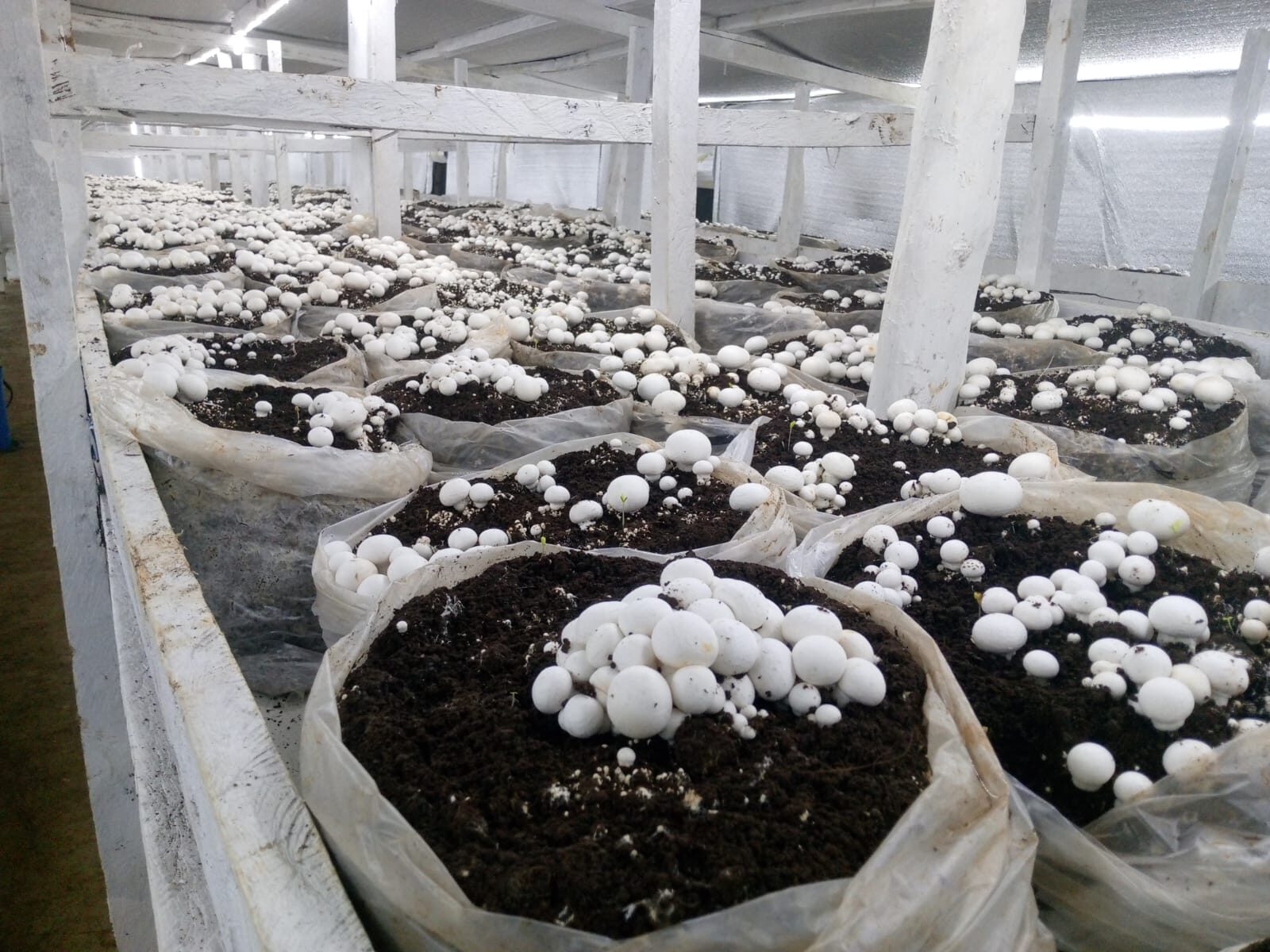
Production technique substantially affects final pricing. Traditional outdoor cultivation yields lower costs but faces seasonal variability and pest challenges.
Controlled environment facilities produce consistent quality year-round but require significant infrastructure investment. These costs transfer to wholesale pricing, particularly for premium varieties.
Organic certification adds another layer of complexity and expense. Certified organic mushrooms command 30-50% premiums reflecting stringent production standards and verification costs.
Transportation and Storage
Fresh mushrooms are highly perishable with short shelf lives. Rapid transportation from farm to market is essential, driving up logistics costs.
Refrigerated transport and storage add expense but preserve quality and extend marketability. These infrastructure requirements contribute significantly to final retail prices.
Buyers in remote locations pay premium prices reflecting extended supply chains. Local sourcing, when available, substantially reduces these costs.
Strategic Buying Approaches for Cost Optimization
Smart procurement strategies help buyers maximize value regardless of market conditions. These proven approaches work for both wholesale purchasers and retail consumers.
Direct Supplier Relationships
Establishing connections with mushroom farmers or certified exporters eliminates intermediary markups. Direct purchasing can reduce costs by 20-30% compared to traditional distribution channels.
Reliable suppliers in Kericho, Kisii, Murang'a, Kiambu, Meru, Vihiga, and Nyamira counties welcome consistent business relationships. Long-term contracts often secure preferential pricing and priority allocation during supply constraints.
Volume Purchasing Benefits
Bulk ordering unlocks significant discounts across all varieties. Orders exceeding 50 kilograms typically qualify for wholesale pricing, while quantities above 100 kg command additional reductions.
Restaurants, hotels, and catering operations benefit most from volume purchasing. However, individual consumers can partner with neighbors or community groups to access bulk pricing.
Cost Saving Tip: Fresh mushrooms can be preserved through drying or freezing. Buying larger quantities at favorable prices and preserving excess supply delivers long-term savings without compromising quality.
Quality Assessment Skills
Recognizing fresh, high-quality mushrooms prevents waste and ensures value. Look for firm texture, clean appearance, and pleasant earthy aroma.
Avoid mushrooms showing brown spots, slimy surfaces, or musty odors. These indicate age or improper storage, reducing both culinary value and nutritional benefits.
Fresh mushrooms should feel dry but not desiccated. Slight moisture is normal, but excessive dampness suggests storage problems or quality deterioration.
Where to Buy Wholesale Mushrooms in Kenya
Identifying reliable mushroom suppliers separates successful buyers from those struggling with inconsistent quality and inflated prices.
Certified Exporters and Wholesalers
Professional mushroom exporters maintain extensive farmer networks across Kenya's primary growing regions. These suppliers handle quality control, logistics, and delivery, providing turnkey solutions for busy buyers.
Certified suppliers comply with Good Agricultural Practices (GAP) standards ensuring food safety and consistent quality. They offer various mushroom types in both fresh and dried formats.
FrutPlanet and similar established exporters provide transparent pricing, reliable delivery schedules, and responsive customer service. They accommodate both wholesale bulk orders and smaller retail quantities.
Farm Direct Purchasing
Buying directly from mushroom farms offers maximum cost savings but requires more buyer involvement. Successful farm relationships depend on understanding production cycles and maintaining flexible pickup schedules.
Major mushroom farming counties include Kericho, Kisii, Murang'a, Kiambu, Meru, Vihiga, and Nyamira. Each region specializes in specific varieties based on climate and farmer expertise.
Farm visits allow quality inspection before purchase and foster relationships leading to preferential treatment during high-demand periods.
Online Mushroom Suppliers
Digital platforms revolutionize mushroom purchasing by connecting buyers directly with verified suppliers. Online marketplaces offer price comparison tools, customer reviews, and convenient delivery options.
Reputable platforms guarantee quality and facilitate dispute resolution if issues arise. They streamline ordering processes while maintaining competitive pricing.
Online purchasing works particularly well for consistent, scheduled orders. Many platforms offer subscription services delivering fresh mushrooms on regular intervals at discounted rates.
Mushroom Price Trends and Market Outlook
Understanding market direction helps buyers make informed timing decisions and plan procurement strategies effectively.
Growing Health Consciousness
Rising awareness of mushroom nutritional benefits drives expanding demand across Kenya. Consumers increasingly view mushrooms as meat alternatives rich in protein, vitamins, and minerals.
This trend supports stable-to-rising prices, particularly for specialty varieties marketed for specific health benefits. Medicinal mushrooms like reishi and lion's mane command exceptional premiums.
Supply Expansion Efforts
More farmers enter mushroom cultivation recognizing lucrative opportunities. Training programs and improved spawn availability facilitate market entry, gradually increasing supply.
However, production expansion lags behind demand growth. This supply gap sustains favorable pricing for existing producers while encouraging new entrants.
Technology Integration
Modern controlled-environment facilities enable year-round production with consistent quality. These investments initially increase costs but eventually improve efficiency and stabilize prices.
Technology adoption particularly benefits specialty variety production requiring precise environmental control. As infrastructure develops, premium variety pricing may moderate slightly while maintaining quality standards.
Market Outlook Summary
- Strong demand growth supports stable pricing across all varieties
- Supply expansion progressing but still insufficient for market needs
- Premium varieties maintain pricing power due to cultivation complexity
- Direct supplier relationships become increasingly valuable
- Technology adoption improves quality consistency
- Export opportunities may influence domestic availability
Frequently Asked Questions About Mushroom Prices in Kenya
Making Smart Mushroom Purchasing Decisions
Strategic mushroom procurement balances quality requirements against budget constraints while ensuring consistent supply. Understanding variety characteristics, market dynamics, and pricing structures empowers buyers to optimize value.
Button mushrooms serve budget-conscious operations requiring reliable supply at affordable prices. Oyster varieties offer nutritional advantages at moderate costs. Shiitake and specialty mushrooms justify premium pricing through distinctive flavors and health benefits.
Direct supplier relationships deliver optimal pricing and service. Certified wholesalers provide convenience and quality assurance while farm-direct purchasing maximizes savings for buyers willing to manage logistics.
Kenya's growing mushroom market presents opportunities for buyers establishing strong supplier networks early. As demand continues expanding, securing reliable sources at favorable pricing becomes increasingly valuable.
Ready to Source Premium Mushrooms?
Connect with certified Kenyan suppliers for competitive wholesale pricing and reliable delivery across all major cities.
Order Your Fresh Mushroom Supply Today →