
Lettuce Price in Kenya 2026: Complete Market Breakdown for Wholesale & Retail Buyers

Understanding lettuce pricing in Kenya has become essential for buyers, restaurateurs, and households seeking fresh, nutritious greens. The Kenyan lettuce market in 2026 offers diverse varieties at competitive rates, but prices fluctuate based on multiple factors including variety type, seasonal availability, and market location.
Whether you're a wholesale buyer sourcing bulk quantities or a retail customer looking for the best deals, knowing current market rates helps you make informed purchasing decisions. This comprehensive breakdown reveals everything about lettuce costs across Kenya's major markets.
Key Takeaways
- Wholesale lettuce prices range from KES 206 to KES 451 per kilogram
- Retail prices in Nairobi vary between KES 299 to KES 563 per kg
- Iceberg lettuce is typically the most affordable variety
- Romaine and specialty varieties command premium prices
- Online platforms offer competitive rates with convenient delivery
- Seasonal fluctuations significantly impact market prices
Current Wholesale Lettuce Prices in Kenya
The wholesale market forms the backbone of lettuce distribution in Kenya. Current 2026 prices at this level directly influence what consumers eventually pay at retail outlets.
Wholesale rates typically range from KES 206 to KES 451 per kilogram, with variations depending on the lettuce type and quality grade. Head lettuce varieties, particularly iceberg, occupy the lower end of this spectrum due to higher production volumes and widespread cultivation.
Ready to Source Premium Quality Lettuce?
Order Fresh Lettuce from Certified Exporters →
Wholesale Price Breakdown by Variety
| Lettuce Variety | Price Range (KES/kg) | Market Availability |
|---|---|---|
| Iceberg Lettuce | KES 206 - KES 320 | Widely Available |
| Romaine Lettuce | KES 390 - KES 451 | Moderately Available |
| Butterhead Lettuce | KES 280 - KES 380 | Seasonal Availability |
| Leaf Lettuce | KES 240 - KES 350 | Widely Available |
| Organic Varieties | KES 400 - KES 563 | Limited Supply |
Major wholesale suppliers operate in key agricultural regions including Trans-Nzoia, Kiambu, Nyeri, Nakuru, and Laikipia. These areas benefit from ideal growing conditions with cool temperatures and adequate rainfall, producing the bulk of Kenya's lettuce supply.
Wholesale buyers ordering in bulk quantities exceeding 100 kilograms often negotiate better rates. Establishing relationships with certified suppliers ensures consistent quality and competitive pricing throughout the season.
Retail Lettuce Costs Across Kenyan Markets
Retail lettuce pricing shows more variation than wholesale rates. Market location, vendor type, and packaging significantly influence final costs that consumers pay.
In Nairobi's major supermarkets, single pieces of iceberg lettuce retail between KES 99 to KES 150. Specialty stores and organic markets charge premium prices ranging from KES 200 to KES 300 per piece for romaine and specialty varieties.
Shopping Tip: Open-air markets in neighborhoods like Wakulima Market typically offer prices 20-30% lower than supermarket chains. However, quality inspection becomes crucial when purchasing from informal markets.
City-Specific Retail Pricing
Nairobi commands the highest retail prices due to concentration of upscale restaurants and hotels demanding premium produce. Mombasa follows closely, with coastal humidity requiring rapid turnover of fresh vegetables.
Nakuru and Eldoret benefit from proximity to major growing regions, offering retail prices approximately 15% lower than Nairobi. Regional towns see moderate pricing, though selection may be limited to common varieties like iceberg and green leaf lettuce.
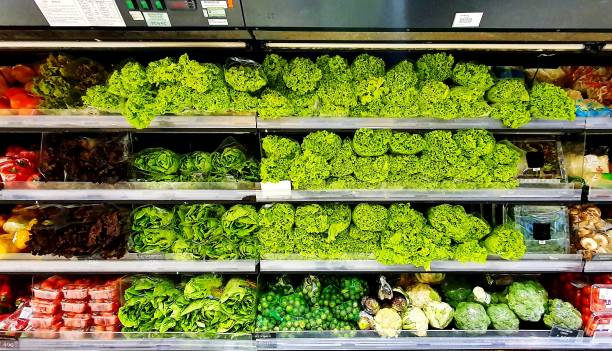
Understanding Price Variations Between Lettuce Varieties
Not all lettuce is priced equally. Each variety brings unique characteristics that influence market value and consumer demand.
Iceberg Lettuce: The Budget-Friendly Option
Iceberg lettuce consistently maintains the most affordable position in Kenya's market. Its crisp texture and mild flavor make it popular despite lower nutritional density compared to darker varieties.
Wholesale iceberg prices start at KES 206 per kilogram, making it accessible for large-scale food service operations. The variety's tight, compact heads reduce transportation costs and extend shelf life, contributing to its competitive pricing.
Romaine Lettuce: Premium Pricing for Superior Nutrition
Romaine commands premium prices between KES 390 to KES 451 per kilogram at wholesale. This dark green variety offers superior vitamin content and robust flavor profile favored by health-conscious consumers.
Restaurants specializing in Caesar salads and gourmet preparations prefer romaine despite higher costs. The variety's sturdy leaves withstand dressing better than delicate leaf lettuces, justifying the price premium for professional kitchens.
Butterhead and Specialty Varieties
Butterhead lettuce occupies the middle ground with wholesale prices around KES 280 to KES 380 per kilogram. Its tender leaves and buttery texture appeal to premium market segments.
Specialty varieties including red leaf, oakleaf, and bronze romaine fetch prices similar to or exceeding standard romaine rates. Limited cultivation and niche demand keep these varieties in premium pricing territory.
Budget Category
Iceberg Lettuce
KES 206-320/kg wholesale
Best for: Large-scale catering, budget-conscious households
Mid-Range Category
Butterhead & Leaf Lettuce
KES 240-380/kg wholesale
Best for: Mixed salads, sandwich shops, home cooking
Premium Category
Romaine & Organic
KES 390-563/kg wholesale
Best for: Fine dining, health markets, specialty cuisine
Factors Driving Lettuce Price Fluctuations
Multiple interconnected factors cause lettuce prices to vary throughout the season. Understanding these elements helps buyers anticipate market movements and optimize purchasing timing.
Seasonal Production Cycles
Kenya's lettuce production peaks during cooler months when temperatures range between 15°C to 20°C. Highland regions maintain more consistent output year-round, while lowland areas experience pronounced seasonal gaps.
Prices typically drop during peak production months as supply floods markets. Conversely, hot season scarcity drives prices upward by 30-40% as farmers struggle with reduced yields and increased pest pressure.
Transportation and Logistics Costs
Fuel price fluctuations directly impact lettuce costs. Fresh produce requires rapid transportation from farm to market, making logistics a significant cost component.
Remote regions pay premium prices reflecting transportation expenses. Urban centers closer to production zones enjoy cost advantages, though traffic congestion in Nairobi partially offsets this benefit.
Weather Patterns and Climate Impact
Unpredictable weather poses the greatest challenge to stable lettuce pricing. Excessive rainfall damages crops and disrupts harvest schedules, while drought conditions stress plants and reduce yields.
The recent climate variability has introduced greater price volatility. Forward-thinking buyers increasingly establish contracts with multiple suppliers across different growing regions to mitigate weather-related supply disruptions.
Smart Buying Strategies for Cost-Conscious Consumers
Strategic purchasing approaches help buyers maximize value regardless of market conditions. These proven tactics work for both retail customers and wholesale purchasers.
Timing Your Purchases
Shopping during peak production months delivers significant savings. Mid-season purchases when supply peaks can reduce costs by 25-35% compared to off-season pricing.
Weekly market timing matters too. Open-air markets offer best prices early morning when farmers arrive with fresh stock. Supermarkets often mark down produce approaching sell-by dates during evening hours.
Building Supplier Relationships
Establishing direct connections with farmers or reliable exporters cuts intermediary costs. Many small-scale producers welcome long-term relationships offering consistent demand.
Online platforms connecting buyers directly with suppliers have revolutionized the market. Digital marketplaces provide transparent pricing, quality guarantees, and convenient delivery options previously unavailable through traditional channels.
Quality Assessment Skills
Knowing how to evaluate lettuce quality prevents wastage and ensures value for money. Look for vibrant color, crisp leaves, and absence of browning or wilting at edges.
Firm heads indicate freshness in iceberg varieties. For leaf lettuces, examine stem cuts—white or pale green suggests recent harvest, while brown or dried stems signal age.
Where to Buy Lettuce Online in Kenya
Digital purchasing platforms have transformed how Kenyans access fresh produce. Online lettuce suppliers offer convenience, quality assurance, and competitive pricing that traditional markets struggle to match.
Certified exporters provide farm-to-door delivery eliminating middlemen and reducing costs. These platforms typically offer volume discounts for bulk purchases while maintaining stringent quality standards.
Premium suppliers like FrutPlanet connect buyers with GAP-certified farms ensuring food safety compliance and consistent quality. Such platforms serve both retail customers seeking small quantities and commercial buyers requiring regular bulk supply.
Online Shopping Benefits: Compare prices across suppliers, access detailed product information, schedule convenient delivery times, and maintain purchase history for business accounting.
Evaluating Online Lettuce Suppliers
Reliable online suppliers demonstrate several key characteristics. Look for certifications like Global GAP indicating adherence to international quality standards.
Customer reviews provide insights into delivery reliability and product quality. Established suppliers maintain responsive customer service and clear return policies for substandard produce.
Transparent pricing without hidden charges builds trust. The best platforms display comprehensive information including variety specifications, origin details, and expected delivery timeframes.
Export Market Dynamics Affecting Local Prices
Kenya's lettuce export industry influences domestic pricing through supply allocation and quality standards. Understanding export dynamics explains certain market behaviors that affect local buyers.
Export-grade lettuce commands premium prices, sometimes diverting high-quality produce away from local markets. During strong export demand periods, domestic buyers may experience reduced availability and elevated prices for top-grade lettuce.
Major export destinations including UAE, Qatar, and Saudi Arabia pay premium rates for Kenyan lettuce. This international demand elevates overall market standards, indirectly benefiting domestic consumers through improved quality focus across the supply chain.
Currency Exchange Rate Impact
Dollar strengthening against the Kenyan shilling makes exports more profitable, potentially reducing supply for local markets. Conversely, shilling appreciation can redirect more produce toward domestic consumption.
Sophisticated buyers monitor forex trends to anticipate potential supply constraints. Agricultural exporters often prioritize international contracts during favorable exchange rate periods, affecting domestic availability.
Future Price Outlook and Market Trends
Several emerging trends will shape lettuce pricing in coming months. Climate change adaptation, technology adoption, and changing consumer preferences all influence market direction.
Greenhouse cultivation expansion promises more stable year-round supply, potentially moderating seasonal price swings. Protected agriculture investments by commercial farms aim to deliver consistent quality regardless of external weather conditions.
Growing health consciousness drives demand for organic and specialty lettuces. This trend supports premium pricing for certified organic producers while pushing conventional growers toward improved practices to capture health-focused market segments.
Digital marketplace growth continues democratizing access to quality produce. As more farmers adopt online sales channels, competitive pressure may compress margins benefiting final consumers through lower prices.
Price Prediction Factors
- Continued technology adoption in farming may stabilize prices
- Climate variability introduces ongoing uncertainty
- Export demand growth could pressure domestic supply
- Digital marketplace expansion promotes price transparency
- Organic segment growth supports premium pricing tiers
Frequently Asked Questions About Lettuce Prices in Kenya
Conclusion: Making Informed Lettuce Purchasing Decisions
Understanding lettuce pricing dynamics empowers buyers to make strategic decisions that balance cost, quality, and convenience. The Kenyan market offers diverse options from budget-friendly iceberg to premium organic varieties.
Smart buyers leverage seasonal patterns, build supplier relationships, and utilize digital platforms to optimize their purchases. Whether sourcing wholesale quantities for commercial operations or buying retail for household consumption, knowledge of market factors ensures maximum value.
The lettuce market continues evolving with technology adoption and changing consumer preferences. Staying informed about these trends positions buyers to capitalize on emerging opportunities while navigating challenges inherent in fresh produce markets.
Source Fresh, Quality Lettuce Today
Connect with certified Kenyan exporters for competitive pricing and reliable delivery across all major cities.
Get Your Fresh Lettuce Supply →