
🍄 Mushroom 1kg Price Analysis
Variety-specific rates, quality grades & volume purchasing strategies
Mushroom pricing per kilogram varies dramatically across varieties, quality grades, and purchasing volumes ranging from $2-50 per kilogram depending on type, freshness, processing method, and market channel. Common button mushrooms represent baseline pricing $3-8 per kilogram fresh wholesale while specialty varieties including shiitake, oyster, portobello, and exotic species command substantial premiums reflecting cultivation complexity, yield characteristics, and market positioning. Understanding variety-specific pricing, quality determinants, volume discount structures, and seasonal patterns empowers buyers optimizing procurement decisions balancing cost constraints against quality requirements for culinary, commercial, and retail applications.
🍄 Buy Premium Mushrooms Wholesale →The global mushroom market demonstrates strong growth driven by increasing health consciousness, plant-based diet adoption, and culinary diversification creating expanding opportunities across fresh, dried, processed, and value-added mushroom products. Strategic procurement requires analyzing multiple pricing dimensions including variety selection, quality grading standards, fresh versus dried economics, volume purchasing leverage, seasonal availability patterns, and total cost considerations beyond invoice pricing. Commercial buyers, food manufacturers, restaurants, and retailers benefit from comprehensive mushroom pricing intelligence optimizing sourcing strategies across diverse operational requirements while maintaining consistent quality standards and managing cost volatility.
This comprehensive pricing analysis explores variety-specific rates, quality grade classification systems, fresh versus dried cost comparisons, regional market differentials, volume-based discount structures, seasonal price fluctuations, cultivation economics, and strategic bulk purchasing recommendations ensuring informed procurement decisions maximizing value delivery while meeting quality specifications across button, cremini, portobello, shiitake, oyster, enoki, and specialty mushroom categories.
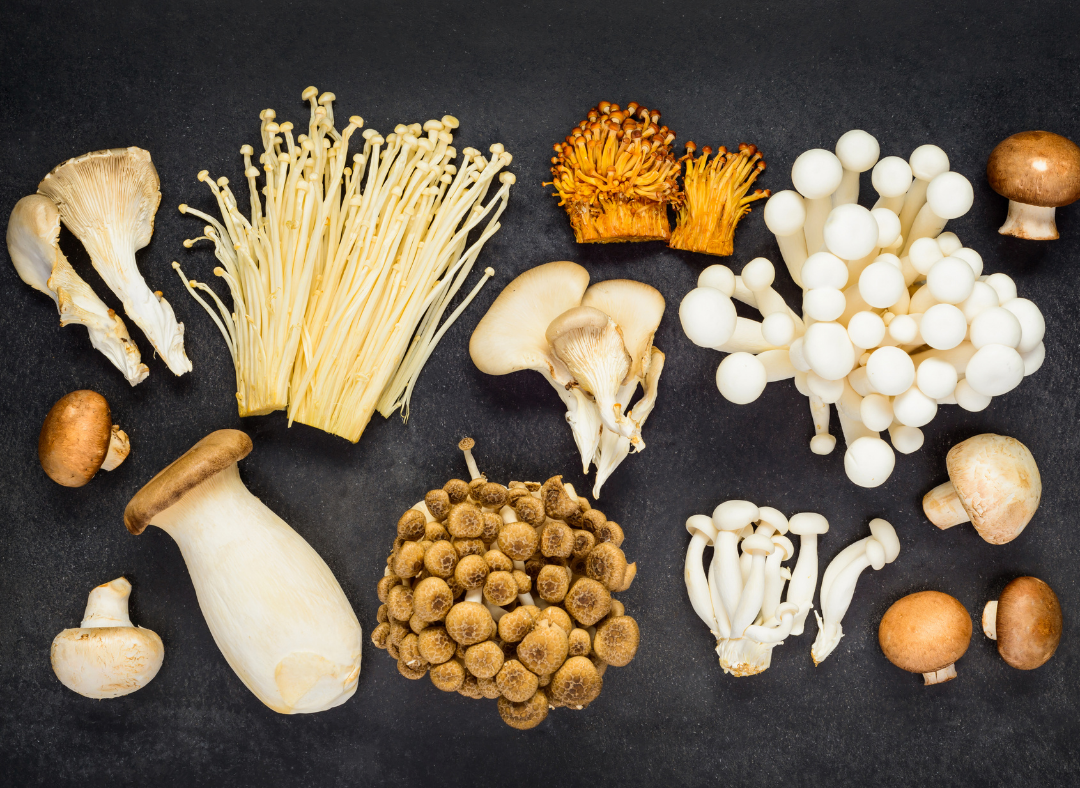
📊 Mushroom Pricing Overview by Variety (Per Kilogram)
| Mushroom Variety | Fresh Wholesale (USD/kg) | Fresh Retail (USD/kg) | Dried Wholesale (USD/kg) | Primary Growing Regions |
|---|---|---|---|---|
| White Button | $3.00 - $8.00 | $8.00 - $15.00 | $15.00 - $30.00 | USA, China, Netherlands, Poland |
| Cremini/Brown | $4.00 - $10.00 | $10.00 - $18.00 | $18.00 - $35.00 | USA, Europe, Canada |
| Portobello | $6.00 - $14.00 | $14.00 - $25.00 | $25.00 - $45.00 | USA, Italy, France |
| Shiitake | $8.00 - $18.00 | $18.00 - $35.00 | $35.00 - $80.00 | China, Japan, Korea, USA |
| Oyster | $5.00 - $12.00 | $12.00 - $22.00 | $20.00 - $45.00 | China, USA, Europe, Kenya |
| Enoki | $6.00 - $15.00 | $15.00 - $28.00 | $30.00 - $65.00 | China, Korea, Japan |
| Maitake/Hen of Woods | $12.00 - $25.00 | $25.00 - $45.00 | $50.00 - $120.00 | Japan, USA (specialty farms) |
| Chanterelle (Wild) | $20.00 - $50.00 | $50.00 - $90.00 | $80.00 - $200.00 | Europe, Pacific Northwest |
| Morel (Wild) | $30.00 - $80.00 | $80.00 - $150.00 | $150.00 - $400.00 | Europe, North America |
| Porcini (Wild) | $25.00 - $60.00 | $60.00 - $120.00 | $100.00 - $300.00 | Italy, France, Eastern Europe |
Button Mushroom Baseline Pricing Structure
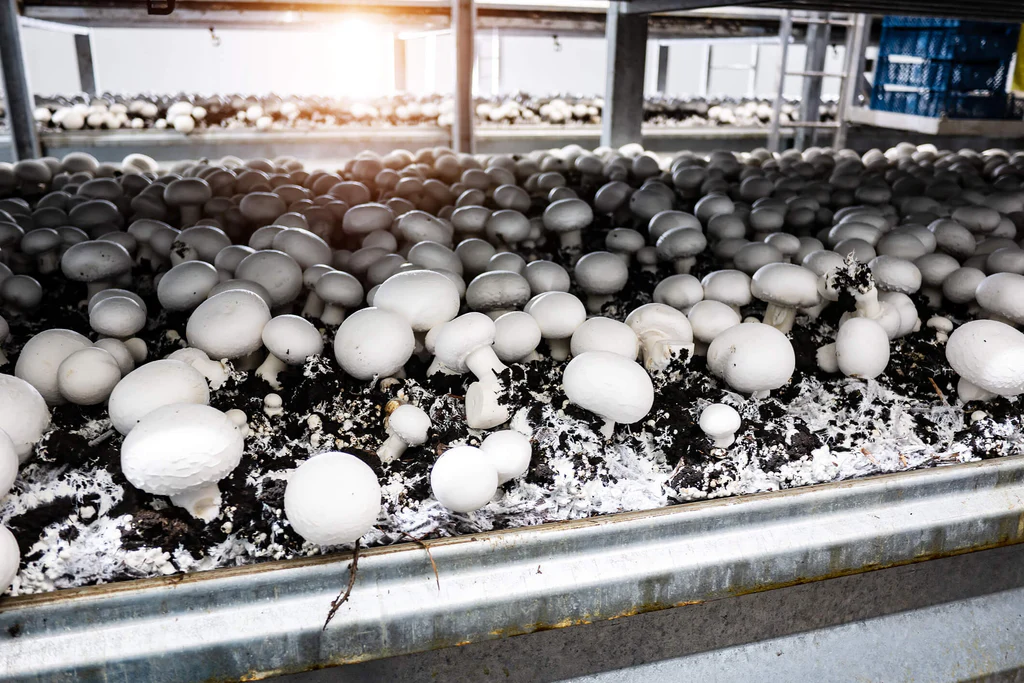
White button mushrooms (Agaricus bisporus) represent global mushroom production baseline accounting for approximately 40% of worldwide cultivation providing accessible affordable protein and umami flavor across diverse culinary applications. Fresh wholesale pricing ranges $3-8 per kilogram reflecting mature production systems, mechanized harvesting, and high-volume distribution networks achieving economies of scale. United States domestic production costs $5-7 per kilogram wholesale with retail markup pushing consumer pricing to $8-15 per kilogram in supermarkets.
Quality grading significantly impacts button mushroom pricing within variety-specific ranges. Premium A-grade featuring closed caps, uniform size 35-50mm diameter, bright white color, minimal bruising, and firm texture commands $6-8 per kilogram wholesale representing 20-40% premium over standard commercial grade. Standard B-grade with partially open caps, mixed sizes, slight discoloration, and acceptable firmness prices $4-6 per kilogram wholesale serving food processing, restaurant cooking, and value retail segments where visual perfection unnecessary.
Organic certified button mushrooms consistently price 30-50% above conventional equivalents reflecting higher production costs, certification expenses, and strong consumer demand. Organic fresh button mushrooms wholesale $7-12 per kilogram versus conventional $4-8 per kilogram with retail organic pricing reaching $12-20 per kilogram. Organic certification requires approved compost inputs, prohibited synthetic pesticides, comprehensive documentation, and annual inspection fees $500-2,000 depending on operation scale necessitating premium pricing recovering additional expenses.
Specialty Mushroom Premium Positioning
Shiitake mushrooms command significant premiums $8-18 per kilogram fresh wholesale reflecting cultivation complexity, longer production cycles 8-12 months versus button mushroom 6-8 weeks, and superior nutritional profile including high vitamin D content and medicinal compounds. Premium Japanese-grown shiitake reaches $15-25 per kilogram fresh reflecting traditional cultivation methods, exacting quality standards, and strong brand associations. Dried shiitake pricing $35-80 per kilogram wholesale reflects 90% moisture loss concentrating flavor and extending shelf life 18-24 months enabling strategic inventory management.
Oyster mushrooms (Pleurotus species) offer value positioning $5-12 per kilogram fresh wholesale balancing specialty appeal against relatively simple cultivation making them accessible to small-scale growers and appropriate for price-conscious specialty mushroom consumers. Multiple oyster varieties including pearl, blue, yellow, and pink oyster mushrooms command variety-specific premiums with exotic colors pricing 20-40% above standard pearl oyster reflecting novelty value and visual appeal for upscale culinary presentations.
Wild foraged mushrooms including chanterelle, morel, and porcini achieve extraordinary premium pricing $20-80 per kilogram fresh reflecting seasonal availability constraints, labor-intensive hand harvesting, limited supply, and exceptional flavor profiles unmatched by cultivated varieties. Peak season wild mushroom availability May-October creates short purchasing windows with pricing volatility based on weather conditions affecting fruiting patterns. Off-season pricing escalates 50-100% above peak rates when available inventory depletes and demand from high-end restaurants maintains year-round.
Fresh Versus Dried Mushroom Economics
Fresh mushroom pricing reflects perishability challenges demanding rapid distribution, refrigerated storage maintaining 2-4°C temperatures, and accepting 15-25% shrinkage from harvest through retail. Cold chain logistics add substantially to delivered costs particularly for specialty varieties requiring careful handling preventing bruising and moisture management avoiding condensation causing quality deterioration. Limited 5-10 day shelf life depending on variety constrains distribution geography and creates urgency pressures necessitating premium pricing compensating inherent waste risks.
Dried mushroom pricing appears substantially higher per kilogram though moisture removal concentrates mushrooms approximately 10-12 fold by weight making direct price comparison misleading. One kilogram dried mushrooms rehydrates to 8-10 kilograms fresh equivalent mushroom volume providing comparable culinary functionality at potentially lower effective cost accounting for concentration factor. Dried shiitake wholesale $35-80 per kilogram effectively costs $3.50-8.00 per fresh-equivalent kilogram competitive with fresh pricing $8-18 per kilogram when total cost analysis includes fresh waste, shorter shelf life, and refrigeration expenses.
Quality considerations influence fresh versus dried selection beyond pure cost calculations. Fresh mushrooms provide superior texture, visual appeal, and delicate flavor suited for presentations requiring mushroom integrity including whole caps, stuffed preparations, and premium plating where appearance drives perceived value. Dried mushrooms excel in cooked applications including soups, sauces, risottos, and braised dishes where concentrated flavor enhances dish complexity and long shelf life enables pantry stocking without waste concerns. Many operations employ hybrid strategies using fresh mushrooms for showcase items while utilizing dried for volume applications optimizing total ingredient budget allocation.
💡 Cost Per Serving Comparison: Fresh vs Dried
Fresh Button Mushrooms ($5/kg): 100g serving = $0.50, 5-7 day shelf life, refrigeration required
Dried Button Mushrooms ($20/kg): 10g dried (rehydrates to 100g) = $0.20, 18-24 month shelf life, ambient storage
Fresh Shiitake ($12/kg): 100g serving = $1.20, 7-10 day shelf life, careful handling required
Dried Shiitake ($60/kg): 10g dried (rehydrates to 100g) = $0.60, 24+ month shelf life, intense flavor concentration
Effective Cost Advantage: Dried mushrooms typically deliver 40-60% lower cost per serving accounting for concentration, extended shelf life, zero refrigeration, and minimal waste versus fresh alternatives requiring cold chain and accepting spoilage losses
Volume-Based Purchasing Price Strategies
Small retail purchases 1-5 kilograms face highest per-unit costs reflecting packaging, handling, distribution expenses, and retail markup. Consumer supermarket button mushrooms price $8-15 per kilogram representing 60-100% markup above wholesale rates serving low-volume shoppers prioritizing convenience over bulk economics. Specialty varieties face even higher retail markups 100-200% with fresh shiitake reaching $18-35 per kilogram retail versus $8-18 wholesale reflecting limited shelf space, higher shrinkage risks, and specialty positioning.
Medium commercial volumes 10-50 kilograms access foodservice distributor pricing achieving 30-50% discounts versus retail rates. Fresh button mushrooms drop to $5-8 per kilogram while specialty varieties reach wholesale-adjacent pricing. Restaurant operations, catering companies, and small food manufacturers operate primarily in this volume tier balancing reasonable pricing against manageable order sizes, storage capacity constraints, and cash flow considerations limiting bulk inventory investment particularly for perishable fresh products requiring rapid utilization.
Large wholesale purchases 100-500 kilograms unlock direct grower or processor relationships providing 50-70% savings versus retail purchasing. Fresh button mushrooms achieve $3-5 per kilogram direct from cultivation facilities while dried mushrooms reach processor pricing $15-35 per kilogram depending on variety and quality grade. Food manufacturers, institutional foodservice, pizza chains, and processing companies consuming substantial mushroom volumes pursue direct supply relationships eliminating intermediary markups and ensuring consistent supply though requiring cold storage infrastructure, receiving capabilities, and quality control systems.
Mega-volume contracts exceeding 1,000 kilograms annually secure absolute lowest pricing through long-term supply agreements guaranteeing volume commitments over extended periods. Fresh button mushrooms achieve $2.50-4.00 per kilogram under annual contracts with specialty varieties proportionally discounted. Multi-year agreements provide 10-20% additional discounts below spot market rates plus supply priority during shortage periods. Large-scale food processors, retail chains with centralized distribution, and export operations negotiate contract pricing locking favorable rates while protecting against market volatility creating mutual benefits for both grower stability and buyer cost predictability.
Seasonal Availability and Price Fluctuations
Cultivated mushroom varieties including button, cremini, portobello, shiitake, and oyster maintain relatively stable year-round pricing due to controlled environment cultivation enabling consistent production independent of outdoor weather conditions. Climate-controlled growing facilities regulate temperature, humidity, and light cycles producing steady harvest volumes smoothing supply fluctuations. Seasonal price variation remains modest 10-20% typically reflecting energy cost changes for heating winter facilities and cooling summer operations rather than agricultural seasonality affecting field crops.
Wild mushroom seasonality creates dramatic price swings based on fruiting patterns tied to temperature, moisture, and ecological factors. Morel season concentrated April-June produces abundant supply temporarily dropping prices 30-50% from off-season levels though remaining substantially elevated above cultivated varieties. Chanterelle availability peaks July-October with pricing declining 25-40% during peak flush versus winter scarcity. Strategic buyers consuming wild mushrooms should concentrate purchases during peak seasons, utilize dried forms extending availability, or employ frozen preservation capturing peak season pricing for year-round utilization.
Holiday demand periods including Thanksgiving, Christmas, and New Year drive temporary price increases 15-30% above baseline levels as mushroom consumption spikes for holiday meals and entertaining. Proactive procurement ahead of holiday periods or strategic substitution toward varieties experiencing less demand pressure during peaks optimizes costs. Conversely, post-holiday periods January-February often witness softer demand creating modest buying opportunities 10-15% below annual average pricing for operations with storage capacity and flexibility timing purchases.
| Purchase Volume | Fresh Button ($/kg) | Fresh Shiitake ($/kg) | Dried Shiitake ($/kg) | Discount vs Retail |
|---|---|---|---|---|
| 1-5kg Retail | $8.00 - $15.00 | $18.00 - $35.00 | $80.00 - $150.00 | Baseline (0%) |
| 10-50kg Foodservice | $5.00 - $8.00 | $12.00 - $20.00 | $50.00 - $90.00 | 30-50% Savings |
| 100-500kg Wholesale | $3.00 - $5.00 | $8.00 - $14.00 | $35.00 - $65.00 | 50-70% Savings |
| 1,000kg+ Contract | $2.50 - $4.00 | $6.00 - $12.00 | $30.00 - $55.00 | 60-75% Savings |
Quality Grade Impact on Pricing
Mushroom quality grading systems evaluate size uniformity, cap development stage, color consistency, texture firmness, and cosmetic perfection establishing pricing tiers within variety categories. Premium A-grade mushrooms feature uniform size within specified ranges, proper cap development (closed for button, partially open for cremini, fully open for portobello), excellent color without discoloration or bruising, firm texture, and no visible defects commanding 20-40% premiums above standard commercial grades serving upscale restaurants, premium retail, and export markets prioritizing visual presentation.
Standard B-grade accepts size variation, minor discoloration, small bruises, and less exacting cosmetic standards though maintaining food safety and functionality requirements. This grade prices at market baseline rates serving general foodservice, food manufacturing, and value retail segments where mushroom quality remains acceptable though visual perfection unnecessary. Restaurant back-of-house cooking, pizza toppings, processed foods, and soups utilize B-grade effectively without meaningful performance impact compared to premium grades given mushroom slicing or processing obscuring minor cosmetic variations.
Processing grade mushrooms including broken caps, small pieces, off-size specimens, and minor defects sell at 30-50% discounts below commercial standards serving canning, dehydration, extract manufacturing, and powder production applications where appearance irrelevant. Processing operations purchase mushrooms rejected from fresh markets or intentionally cultivate for processing market avoiding premium production expenses necessary for fresh market quality standards. This market segment prevents waste while providing affordable mushroom products serving price-sensitive applications.
Regional Market Price Differentials
United States domestic production dominates North American mushroom supply with Pennsylvania and California representing major cultivation centers. Domestic fresh button mushrooms price $4-7 per kilogram wholesale competing against Mexican imports $3-5 per kilogram offering cost advantages reflecting wage differentials though face transportation costs and occasional quality concerns affecting market share. Specialty mushroom production concentrates in climate-favorable regions including Pacific Northwest for oyster mushrooms and Northeast for shiitake production with regional pricing variation 10-25% based on proximity to major consumption markets.
European mushroom markets feature strong domestic production particularly Netherlands, Poland, and Ireland producing high-quality button and specialty mushrooms serving continental markets. European wholesale pricing generally tracks 10-20% above United States levels reflecting higher labor costs, stricter regulations, and smaller-scale operations though superior quality and food safety standards support premium positioning. Cross-border trade within European Union facilitates competitive markets with pricing convergence across major production regions.
Asian markets particularly China dominate global mushroom production volume though much production serves domestic consumption and export of dried specialty varieties. Chinese dried shiitake wholesale $25-50 per kilogram FOB ports represents significant value versus Japanese or Korean premium dried shiitake $60-120 per kilogram though quality consistency, organic certification authenticity, and residue testing remain buyer concerns requiring verification. Kenya and other African producers develop specialty mushroom cultivation particularly oyster mushrooms serving export markets with competitive pricing $4-8 per kilogram fresh though limited volume constrains market impact.
🎯 Strategic Mushroom Purchasing Insights
- Variety Selection Optimization: Button mushrooms ($3-8/kg) provide baseline value while specialty varieties ($8-50/kg) justified for differentiated menu items and target demographics prioritizing unique flavors
- Fresh vs Dried Economics: Dried mushrooms deliver 40-60% lower effective cost per serving accounting for 10-12x concentration factor, extended shelf life, and zero refrigeration requirements
- Volume Leverage Advantage: Direct sourcing 100kg+ reduces costs 50-70% versus retail with annual contracts 1,000kg+ achieving maximum $2.50-4.00/kg button mushrooms
- Quality Grade Strategic Selection: Premium A-grade premiums (20-40%) justified only for visible applications; standard B-grade adequate for cooked dishes saving significant costs
- Seasonal Wild Mushroom Timing: Peak season purchasing (April-October depending on variety) captures 25-50% savings enabling dried/frozen preservation for year-round utilization
- Organic Premium Evaluation: Organic certification adds 30-50% costs justified primarily for organic-certified operations or health-focused brands; conventional meets food safety standards for general commercial use
Hidden Costs Beyond Purchase Price
Storage infrastructure requirements significantly impact total mushroom procurement costs. Fresh mushrooms demand refrigerated storage maintaining 2-4°C, 85-95% humidity preventing moisture loss while avoiding condensation, and dedicated space separating mushrooms from strong-odor products preventing flavor absorption. Commercial refrigeration costs $0.50-1.00 per kilogram monthly including facility overhead, energy expenses, and maintenance amortizing capital investment across inventory volume. Limited 5-10 day shelf life necessitates frequent ordering cycles consuming purchasing labor and creating small-order inefficiencies.
Shrinkage and waste losses substantially increase effective mushroom costs. Fresh mushroom handling typically experiences 15-25% total loss including transportation damage, quality deterioration during storage, trim waste during preparation, and periodic disposal of aged inventory failing to meet quality standards before utilization. These losses effectively increase net per-kilogram cost requiring accounting in total cost analysis. Dried mushrooms experience minimal shrinkage 2-5% properly stored making them attractive for operations seeking predictable costs and reducing waste management expenses.
Quality testing and food safety compliance add overhead particularly for import products or organic certification verification. Basic microbiological testing costs $50-150 per batch ensuring absence of harmful pathogens. Heavy metal screening for imported dried mushrooms adds $200-400 per test verifying safe lead, cadmium, and mercury levels particularly critical for Asian imports from regions with soil contamination concerns. Organic certification verification for import products requires documentation review and potential third-party audits adding $500-2,000 annually protecting against fraudulent organic claims common in international mushroom trade.
Strategic Bulk Procurement Recommendations
Conduct comprehensive usage analysis documenting variety requirements, quality specifications, and consumption patterns before committing procurement strategy. Operations emphasizing visual presentation, premium positioning, or fresh mushroom flavor must prioritize fresh varieties despite higher costs and handling complexity. Establishments focusing on cooked applications, processed foods, or cost optimization benefit substantially from dried mushroom economics, convenience, and consistency. Hybrid approaches employing fresh mushrooms for showcase items while utilizing dried for volume cooking applications optimize total ingredient budget allocation.
Develop diversified supplier portfolio balancing reliability, quality consistency, competitive pricing, and supply security. Maintain primary supplier providing 60-70% volume ensuring stable relationship and favorable pricing while cultivating secondary sources providing backup during disruptions, seasonal gaps, and competitive leverage encouraging favorable terms. Direct relationships with cultivation facilities suit high-volume operations while regional distributors better serve smaller accounts lacking cold storage, receiving capabilities, and quality control infrastructure necessary for direct purchasing efficiency.
Implement quality verification protocols ensuring mushrooms meet specifications preventing costly rejections, customer complaints, or food safety incidents. Establish incoming inspection procedures sampling each lot for size, color, firmness, aroma, and contamination visual assessment. Periodic third-party laboratory testing verifies microbiological safety, heavy metal content for imports, and organic certification authenticity. Documented quality records support traceability requirements and provide objective supplier performance evaluation enabling data-driven supplier development initiatives driving continuous improvement through evidence-based feedback.
Frequently Asked Questions About Mushroom Pricing
Building Sustainable Mushroom Supply Relationships
Successful mushroom procurement requires establishing reliable supply partnerships balancing immediate cost optimization against long-term supply security, quality consistency, and operational efficiency. Strategic supplier relationships built on mutual understanding, fair pricing, and performance accountability create competitive advantages extending beyond transactional cost savings. Preferred supplier status secures priority allocation during shortage periods, favorable payment terms, quality issue resolution commitment, and collaborative innovation developing customized products meeting specific operational requirements unique to buyer needs.
Diversification across multiple suppliers and geographic origins mitigates supply chain disruptions from production failures, weather events affecting wild harvests, quality problems, or facility issues affecting single-source strategies. Portfolio approach maintaining 60-70% volume with primary supplier ensures relationship depth and favorable terms while 30-40% secondary and tertiary suppliers provide competitive tension, backup capacity, and alternative specifications. Geographic diversification spanning multiple cultivation regions protects against localized production disruptions ensuring continuity during regional shortages or quality issues.
Performance monitoring through systematic quality tracking, delivery reliability metrics, and total cost analysis drives continuous improvement and evidence-based supplier management decisions. Documented quality records tracking size, color, firmness, shelf life, and microbiological results establish objective performance baselines identifying trends, supporting corrective action requests, and justifying supplier changes when warranted. Regular supplier facility audits verify growing conditions, handling practices, and traceability systems ensure ongoing compliance while demonstrating commitment to partnership and mutual success supporting long-term collaborative relationships delivering sustained value through operational excellence and innovation.