
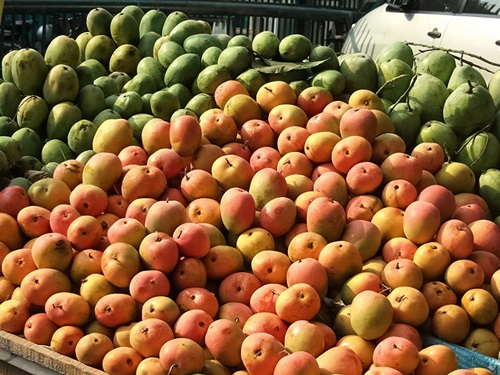
Nigerian mango diversity creates fascinating regional variations as 10-15+ distinct varieties compete for consumer preferences across flavor profiles, textures, sweetness levels, and cultural significance. Understanding variety characteristics combined with optimal seasonal timing proves essential whether seeking maximum sweetness, planning market purchases, or establishing commercial cultivation operations.
Season timing spans mid-February through July with peak abundance mid-April to mid-July delivering competitive pricing and quality selection. Variety knowledge empowers informed purchasing decisions matching personal preferences whether prioritizing fiberless texture, exceptional juice content, or nostalgic childhood favorites.
From Julie's championship sweetness cultivated across northern states to Ogbomosho's legendary smooth consistency celebrated in southwestern markets, Nigeria's mango landscape reflects agricultural diversity, regional pride, and centuries of cultivation expertise creating world-class fruit adapted to tropical West African conditions.
Critical Nigerian Mango Intelligence
- Peak season mid-April to mid-July with optimal pricing ₦200-400 per kilogram
- Julie mango leads sweetness rankings with fiberless texture and northern cultivation
- Sherry mango demonstrates exceptional juice content and nationwide distribution
- Ogbomosho variety achieves legendary status with smooth succulent characteristics
- 10-15+ distinct varieties each offering unique flavor profiles and regional origins
- Flowering January-February during harmattan determines April-July harvest timing
- Northern states including Kaduna produce earlier harvests March-April versus southern May-June
Source Premium African Mangoes Including Nigerian Varieties from Verified International Suppliers
Access Global Mango Supply →Nigerian Mango Season Calendar and Timing
Nigerian mango season follows predictable annual pattern driven by harmattan dry season flowering and subsequent rainy season fruit development creating distinct phases from limited early availability through peak abundance to late-season tail-off.
Flowering Period: January-February
Mango trees initiate flowering during late harmattan dry season typically January through February. Dry weather with reduced humidity creates optimal pollination conditions enabling successful fruit set across all varieties.
Northern regions experience earlier flowering December-January reflecting drier harmattan patterns. Southern states witness later flowering February-March as harmattan effects diminish toward coastal areas.
Flowering duration spans 3-4 weeks per tree with successful pollination determining eventual fruit development. Adequate pre-flowering moisture followed by dry flowering conditions creates ideal fruit set enabling abundant May-June harvests.
Early Season: Mid-February to Mid-March
First mangoes reach markets mid-February as earliest-ripening varieties mature. Limited quantities command premium pricing ₦500-800 per kilogram reflecting pent-up demand after months without fresh mangoes.
Northern varieties particularly from Kaduna and Kano states dominate early season supply. Quality remains developing with lower sweetness versus peak season fruit harvested during optimal maturity windows.
Market excitement peaks during early season as consumers celebrate mango return. Street vendors and markets display first baskets attracting eager buyers despite premium pricing.
Peak Season: Mid-April to Mid-July
Absolute abundance occurs mid-April through mid-July as all major varieties reach maturity simultaneously. Competitive pricing bottoms ₦200-400 per kilogram during May-June peak when supply maximizes.
This window delivers optimal quality as fruit develops full sweetness, proper texture, and characteristic flavors. Market saturation creates buyer advantage enabling variety selection and quality assessment.
Regional variations extend peak season with northern harvests concentrated April-May while southern regions including famous Ogbomosho production peaks May-June creating continuous supply through sequential maturation.
| Season Phase | Timing | Pricing (₦/kg) | Characteristics |
|---|---|---|---|
| Flowering | Jan - Feb | N/A | Harmattan dry season, pollination period, determines harvest |
| Early Season | Mid-Feb - Mid-Mar | ₦500 - 800 | Limited quantities, northern varieties, premium pricing, celebration |
| Transition | Late Mar - Mid-Apr | ₦300 - 500 | Increasing availability, declining prices, quality improving |
| Peak Season | Mid-Apr - Mid-Jul | ₦200 - 400 | Maximum abundance, optimal quality, competitive pricing, all varieties |
| Late Season | Jun - Jul | ₦400 - 600 | Rainy season intensity, quality declining, supply reducing, closing inventory |
| Off-Season | Aug - Jan | ₦800+ | Extreme scarcity, premium pricing, stored or imported fruit only |
Late Season: June-July
Late season June-July maintains availability though intensifying rainy season affects quality. Increased rainfall during fruit maturation reduces sweetness and elevates disease pressure creating inferior fruit versus peak period.
Pricing gradually increases ₦400-600 per kilogram as supplies diminish. Consumers prioritize consumption before season ends creating sustained demand despite quality decline.
Harvest operations face challenges from wet conditions complicating picking and transportation. Fruit shelf life reduces requiring faster market turnover versus dry season harvests.
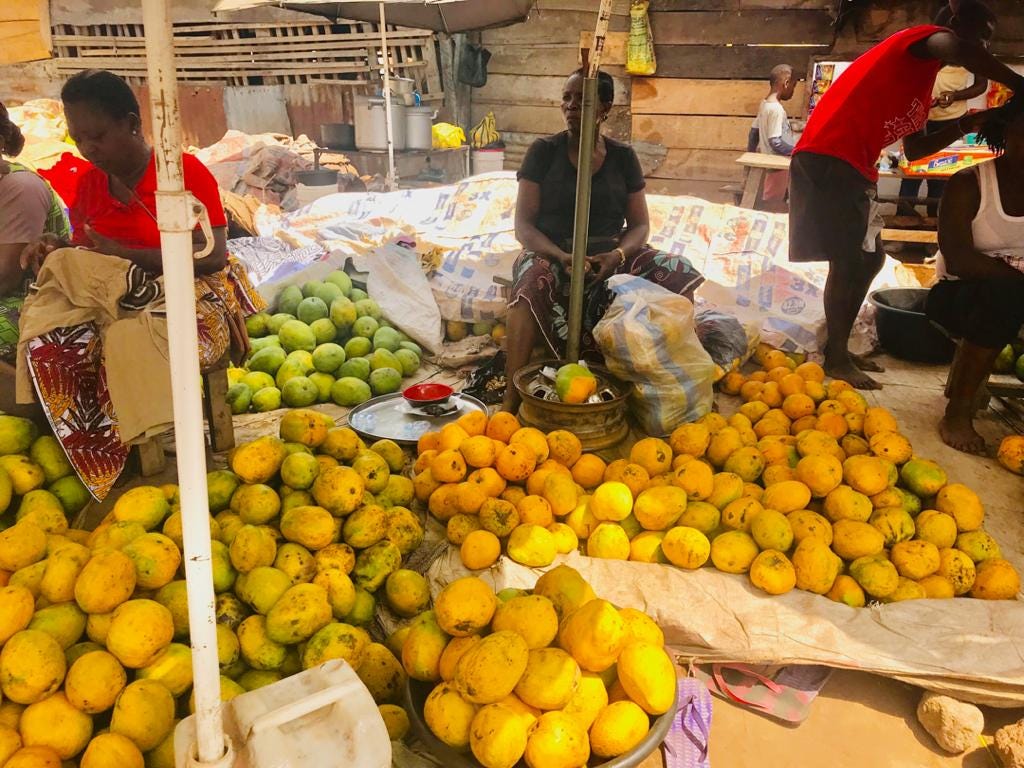
Top Nigerian Mango Varieties: Characteristics and Regional Origins
Nigeria cultivates remarkable mango diversity with 10-15+ distinct varieties each demonstrating unique characteristics creating consumer choice across sweetness preferences, texture requirements, and regional availabilities.
Origin: Northern Nigeria
Sweetness: Exceptional (Highest)
Texture: Fiberless, pure juice
Characteristics: Irregular shape, green skin when ripe, small-medium size, effortless consumption, widely considered sweetest Nigerian variety
Origin: Nationwide distribution
Sweetness: Very High
Texture: Extremely juicy, smooth
Characteristics: Elliptical shape, yellow skin at maturity, linked to Indian Alphonso, retains shape when peeled, less fibrous, dominant yellow coloring
Origin: South and Middle Belt
Sweetness: Moderate (sour when unripe)
Texture: Firm, traditional
Characteristics: Small size, green coloring, slightly sour profile, nostalgic appeal, bulk purchasing common, childhood favorite
Origin: Ogbomosho, Oyo State
Sweetness: Very High
Texture: Smooth, succulent
Characteristics: Yellow-green blended skin, soft fibrous flesh, legendary southwestern status, February arrival traditionally, smooth consumption experience
Origin: Southern Nigeria
Sweetness: High (occasional sour)
Texture: Soft, colorful
Characteristics: Bright coloring, tall elongated shape, slightly taller than average, sweet with sour surprises if early harvest, visually distinctive
Origin: Southwest Nigeria
Sweetness: High
Texture: Firm, balanced
Characteristics: Rounder chubbier profile, firm bite, sweet-tangy balance, southwestern favorite, often confused with Palaba, distinct characteristics
Origin: Northern Nigeria
Sweetness: Moderate-High
Texture: Variable
Characteristics: Exceptionally large size, northern classic, distinctive dual naming, impressive visual presence, commercial transport advantage
Origin: Various regions
Sweetness: Moderate
Texture: Traditional
Characteristics: Unmistakable sharp aroma, kerosene-like scent when ripe, distinctive identification, polarizing consumer appeal, unique sensory profile
Origin: Cross-border West Africa
Sweetness: Moderate-High
Texture: Balanced
Characteristics: Green skin with red blush, medium sizing, West African popularity, cross-border trade significance, regional staple
Origin: Benue State
Sweetness: Moderate
Texture: Regional specialty
Characteristics: State-specific cultivation, limited commercial quantities, local consumption focus, regional identity, specialty market positioning
Sweetness and Quality Comparison
Julie mango achieves widespread recognition as Nigeria's sweetest variety combining exceptional sugar content with complete fiberless texture. Green skin persistence even at full ripeness creates identification challenges though taste confirms superiority immediately.
Sherry mango supporters argue juice content superiority outweighs concentrated sweetness. Extremely juicy consistency combined with smooth texture creates different experience versus Julie's dense sweetness.
Ogbomosho mango claims legendary status particularly southwestern Nigeria where smooth succulent texture combined with balanced sweet profile creates devoted following. Regional pride elevates Ogbomosho beyond objective quality metrics into cultural icon status.
Sweetness rankings demonstrate subjectivity as regional preferences, childhood associations, and texture priorities influence individual assessments beyond pure sugar content measurements.
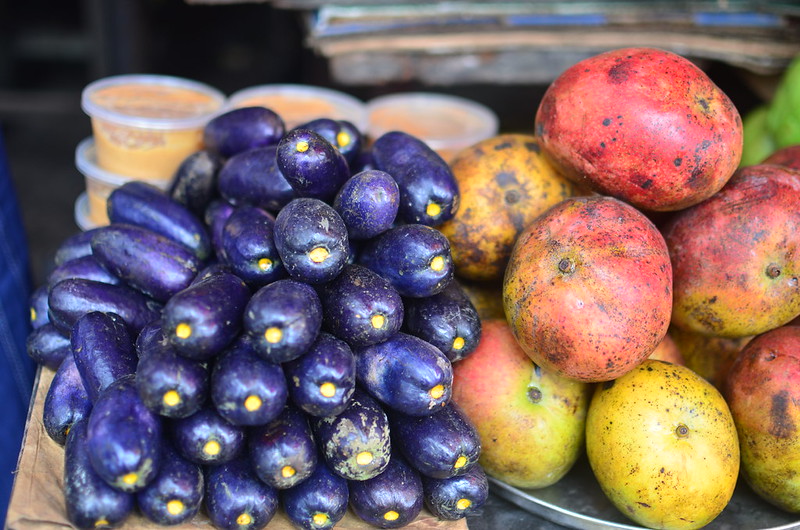
Regional Cultivation and Production Zones
Mango cultivation spans Nigeria's diverse geography with concentration in states offering suitable dry season for flowering combined with adequate moisture during fruit development creating optimal production conditions.
Northern Production Belt
Kaduna State: Leads northern production with thousands of mango trees including historic plantings by Sir Ahmadu Bello. Early season harvest March-April serving northern markets.
Kano State: Substantial commercial volumes particularly early-season varieties benefiting from extended harmattan periods. Julie mango concentration.
Plateau State: Moderate climate enables quality production. Jos plateau conditions create unique flavor profiles.
Adamawa State: Emerging producer including distinctive Philo mango variety. Expanding commercial cultivation.
Southwestern Production Centers
Oyo State (Ogbomosho): Legendary production center for iconic Ogbomosho variety. Peak season May-June. Smooth succulent mangoes achieving cultural significance.
Osun and Ogun States: Supplement southwestern production serving massive Lagos market demand. Multiple variety cultivation.
Southern and Eastern Regions
Cross River State (Calabar): Southern varieties adapted to higher rainfall patterns. Regional consumption focus.
Benue State: State-specific varieties though production scale below major producers. Regional specialty positioning.
Delta and Edo States: Contribute southern belt production. Mixed farming integration common.
Urban Consumption Centers
Lagos functions as Nigeria's largest consumption market despite minimal local production. Massive urban population creates sustained demand throughout season supplied by northern and southwestern producers.
Abuja capital territory demonstrates strong consumption fed by nearby Kaduna and Plateau state production. Premium pricing reflects urban affluence and distribution costs.
Port Harcourt southern hub consumes substantial volumes from Cross River, Delta, and imported supplies. Coastal city market dynamics differ from northern patterns.
For comprehensive understanding of global mango seasonal patterns and variety cultivation across major producing regions worldwide, exploring international mango season calendars and variety characteristics provides procurement intelligence enabling year-round sourcing coordination across hemispheres, variety selection optimization, and quality timing maximization through strategic international supply chain management.
Pricing Dynamics and Market Economics
Nigerian mango pricing demonstrates dramatic seasonal variation reflecting supply-demand dynamics, variety premiums, regional transportation costs, and quality differentials creating complex market structures requiring navigation for optimal value capture.
Seasonal Price Progression
Early season mid-February through mid-March commands premium pricing ₦500-800 per kilogram as limited supply meets pent-up demand. First mango sightings trigger buying enthusiasm despite elevated costs and developing quality.
Transitional period late March through mid-April witnesses declining prices ₦300-500 per kilogram as increasing availability moderates market power. Quality improvement during transition justifies sustained premium versus absolute peak pricing.
Peak season mid-April through mid-July delivers optimal consumer value ₦200-400 per kilogram with May-June absolute bottom when abundant supply maximizes competition. Bulk purchasing during peak enables 15-25% discounts.
Late season June-July gradual price increases ₦400-600 per kilogram reflect diminishing supplies and quality concerns. Closing inventory creates scarcity premium as season conclusion approaches.
| Variety | Peak Season Price (₦/kg) | Key Characteristics | Market Position |
|---|---|---|---|
| Julie | ₦300 - 500 | Sweetest, fiberless, premium quality | High-end positioning, quality premium |
| Sherry | ₦300 - 500 | Extremely juicy, smooth texture | Premium tier, widespread popularity |
| Ogbomosho | ₦400 - 600 | Legendary smooth succulent | Regional premium, cultural icon |
| German (Opioro) | ₦200 - 300 | Small, nostalgic, bulk buying | Value tier, volume sales |
| Palaba/Paparanda | ₦250 - 400 | Colorful, balanced sweet-sour | Mid-tier, regional favorites |
| John Peter | ₦300 - 500 | Exceptionally large, northern | Size premium, commercial advantage |
| Cotonou | ₦250 - 400 | Red blush, cross-border | Standard tier, widespread |
Regional Price Variations
Urban markets including Lagos, Abuja, and Port Harcourt demonstrate 20-30% premiums versus rural producing areas. Transportation costs, distribution networks, and urban purchasing power justify elevated pricing.
Northern producing regions during early season March-April offer competitive local pricing as harvest proximity eliminates transportation margins. However, southern varieties during May-June peak create similar advantages in southwestern markets.
Roadside vendors along major highways offer competitive pricing versus formal markets though quality assessment proves more challenging. Bulk purchasing directly from vendors enables significant discounts.
Frequently Asked Questions About Nigerian Mango Season and Varieties
Experiencing Nigeria's Mango Season: Consumer Insights and Cultural Significance
Nigerian mango season transcends agricultural calendar becoming cultural phenomenon celebrated through market displays, street vendor proliferation, family consumption rituals, and regional pride in local varieties creating annual anticipation comparable to major festivals.
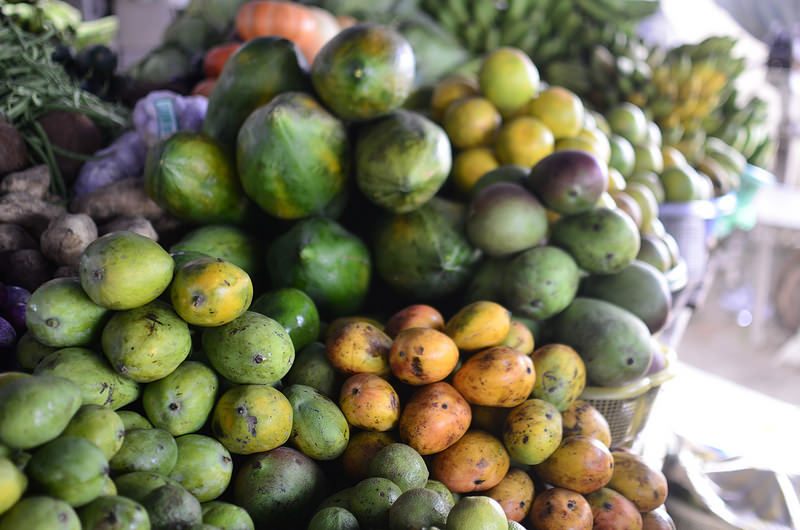
Market transformation occurs mid-April as mango baskets dominate displays creating vibrant green and orange landscapes. Street vendors position strategically along major roads offering bulk quantities at competitive pricing enabling household stockpiling.
Family consumption patterns intensify during peak season with daily mango intake common. Children particularly enjoy mango season as affordable treats become accessible. Nostalgia associated with childhood mango consumption creates powerful cultural connections transcending mere nutrition.
Regional variety preferences reflect local pride with Oyo State residents championing Ogbomosho superiority while northerners defend Julie's sweetness championship. These friendly rivalries add cultural dimension beyond objective quality assessments.
Mango processing into juice, dried products, and preserves extends season benefits beyond fresh consumption window. Commercial processors stockpile during peak season low pricing creating year-round product availability.
Climate change impacts increasingly affecting season timing with earlier flowering and extended rainy seasons creating unpredictability. Traditional February mango arrival now occasionally occurring January reflecting warming harmattan patterns.
Whether seeking legendary Julie sweetness from northern markets, iconic Ogbomosho smooth texture from southwestern Oyo State, or nostalgic German mango bulk purchases, Nigeria's diverse mango landscape offers exceptional variety selection, seasonal timing optimization, and cultural immersion opportunities celebrating West African agricultural heritage through 10-15+ distinct cultivars each contributing unique characteristics toward comprehensive mango experience spanning mid-February through July annual cycle driven by harmattan flowering patterns, regional geographic variations, and centuries of cultivation expertise creating world-class tropical fruit adapted perfectly to Nigerian growing conditions while reflecting deep cultural significance embedded within family traditions, regional identities, and national pride supporting robust domestic consumption combined with emerging export potential as international markets increasingly recognize Nigerian mango quality excellence particularly premium varieties including Julie and Sherry achieving quality standards competitive with global benchmarks enabling strategic market development opportunities for commercial producers targeting both domestic abundance and selective international premium positioning.