Does avocado help you lose weight?
Avocado can support weight loss when eaten in the right portions. Its combination of monounsaturated fat and fiber suppresses appetite, stabilises blood sugar, and reduces total calorie intake across the day. Clinical research shows that people who eat avocado at breakfast feel significantly less hungry for up to five hours. However, avocado does not cause weight loss on its own — it works as a support tool within a calorie-controlled diet.
Does avocado burn belly fat?
Avocado does not directly burn belly fat. However, its monounsaturated fatty acids (MUFAs) are specifically associated with reduced visceral fat accumulation in clinical research. Visceral fat is the deep abdominal fat linked to metabolic disease. Diets high in MUFAs consistently show lower visceral fat deposits compared to diets high in saturated or trans fats — even at the same total calorie intake. Avocado creates the metabolic conditions that make belly fat reduction easier, particularly when combined with a calorie deficit.
Can avocado cause weight gain?
Yes, if consumed in excess. A medium avocado contains approximately 240 calories. Adding a whole avocado to an already complete diet without removing something else creates a daily calorie surplus, which leads to weight gain over time. However, a 2022 meta-analysis of randomised trials found that adding avocado to the diet did not cause weight gain in study participants — suggesting its satiety effect typically compensates for its calorie contribution. The risk is highest when avocado is consumed in calorie-dense forms like guacamole with chips or high-calorie smoothies.
How much avocado should I eat per day for weight loss?
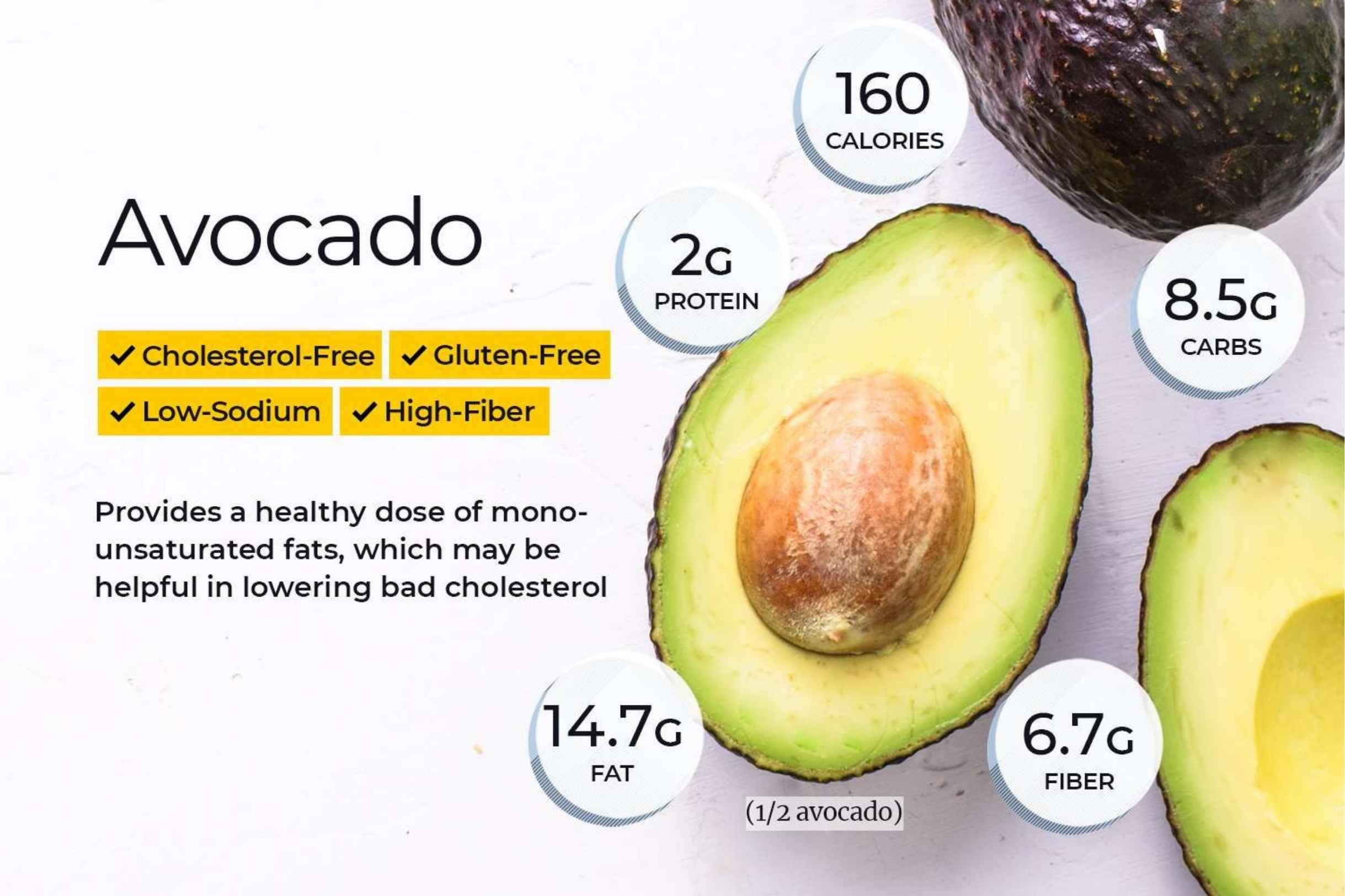
The research and clinical evidence supports half to one medium avocado per day for weight management. Half an avocado (around 80g) provides approximately 120 calories, 5g of fiber, and 11g of healthy fat — enough to significantly extend post-meal fullness without creating a meaningful calorie surplus. The key is to use avocado as a replacement for less nutritious fats (butter, mayo, processed spreads) rather than adding it on top of an unchanged diet.
Is avocado good for weight loss or weight gain?
Avocado can serve both goals, depending on how it is eaten. For weight loss, half an avocado per day replaces less nutritious fats and leverages its satiety-promoting fiber and MUFAs to reduce overall calorie intake. For healthy weight gain — in athletes, underweight individuals, or those recovering from illness — one to two avocados per day provides calorie-dense, nutrient-rich fuel that supports weight gain alongside genuine nutritional benefits.
What is the best time to eat avocado for weight loss?
Breakfast is the most evidence-supported time to eat avocado for weight loss. A 2019 randomised trial demonstrated that eating a whole avocado at breakfast reduced hunger and increased post-meal satisfaction for up to five hours compared to a calorie-matched breakfast without avocado. This reduced subsequent calorie intake throughout the day — which is the direct mechanism for weight loss. Adding avocado to lunch also works well, particularly in salads where it boosts nutrient absorption from other ingredients.
Does avocado increase or decrease metabolism?
Avocado does not directly speed up metabolism, but it supports metabolic health in several ways. Its low glycemic index prevents insulin spikes that promote fat storage. Its fiber content feeds gut bacteria that produce short-chain fatty acids associated with better metabolic function. And its B vitamins (particularly B6, B5, and folate) support the enzymatic processes involved in energy metabolism. Avocado improves the metabolic environment for weight management rather than acting as a direct metabolic stimulant.
Can I eat avocado every day and still lose weight?
Yes. Daily avocado consumption is consistent with weight loss, provided total daily calorie intake remains in a deficit. Half to one medium avocado per day is a reasonable daily allowance for most people pursuing weight loss. The key is context — avocado should replace other calorie sources (especially saturated fats) rather than being added on top of an existing full-calorie diet. Multiple clinical studies support daily avocado consumption as compatible with, and often supportive of, weight loss goals.