Avocado and Weight Loss: Does It Help You Lose Weight or Cause Weight Gain?
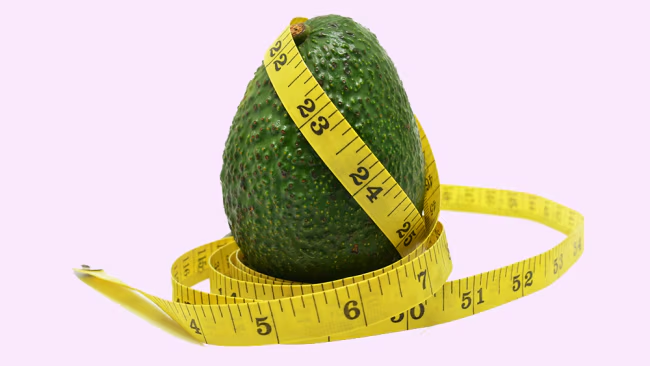
Fresh halved avocado alongside a measuring tape — exploring whether avocado helps with weight loss, belly fat reduction, or causes weight gain
🥑 Research-Backed Nutrition

Avocado and Weight Loss: Does Avocado Help You Lose Weight, Burn Belly Fat, or Cause Weight Gain?

The straight, science-backed answer — including how much to eat, what the research really shows, and when avocado works against your goals.

Avocado is one of the most debated foods in weight management. Some people swear by it for weight loss. Others avoid it, convinced that its high fat content will make them gain weight. Both camps are partly right — and that's exactly what makes this question worth answering properly.

The truth is that avocado is neither a magic fat-burner nor a forbidden food. It is a nutrient-dense, calorie-rich fruit whose effect on your weight depends almost entirely on how much you eat and what it replaces in your diet. Understanding this distinction changes everything.

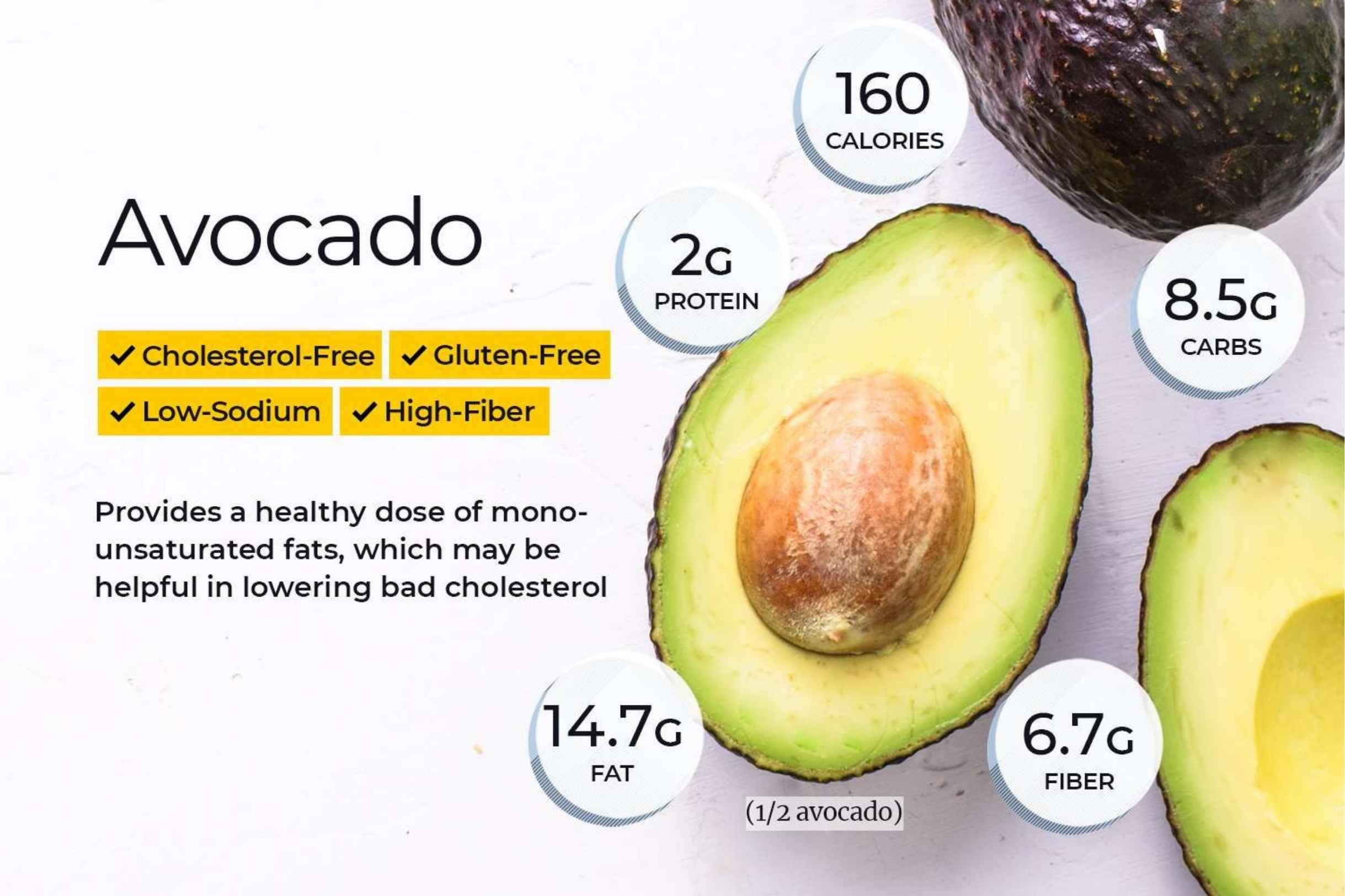
Avocados are loaded with monounsaturated fatty acids (MUFAs), dietary fiber, and appetite-regulating nutrients that can actively support weight loss when eaten in appropriate portions. A medium Hass avocado delivers approximately 240 calories — but those calories come packaged with 10g of fiber, 22g of healthy fat, and more than 20 vitamins and minerals.

The fiber and fat in avocado work together in a way that few other foods can match. They slow digestion, suppress hunger hormones, and stabilize blood sugar — all of which reduce total calorie intake over the course of a day. That is the core mechanism behind avocado's weight loss reputation.

But there is also a legitimate concern. Eating too much avocado — on top of a normal diet — creates a calorie surplus. And a calorie surplus causes weight gain, regardless of where those calories come from. The goal of this article is to show you exactly where the line is, so you can use avocado to your advantage.

240 Calories per medium avocado
10g Fiber — 36% of daily value
15g Monounsaturated fat (MUFA)
GI 15 Very low glycemic index
3–5× Boosts carotenoid absorption from meals

What the Research Actually Says

Most articles on avocado and weight loss cherry-pick the most favourable studies. Here is the complete picture — both the positive findings and the honest limitations.

A 2022 systematic review and meta-analysis published in the journal Nutrition in Clinical Practice analysed randomised controlled trials on avocado and body weight. The conclusion was that avocado intake showed no significant change in body weight compared to control groups — but crucially, it also caused no weight gain. Adding avocado to a diet did not increase body fat, even though it added calories. This is significant. It suggests avocado's satiety-promoting properties offset its calorie contribution.

A separate 2019 randomised trial found that participants who ate a whole avocado at breakfast reported significantly greater satiety and reduced hunger over the following five hours compared to a calorie-matched breakfast without avocado. They ate fewer calories at subsequent meals — which is the mechanism that creates weight loss over time.

A 12-week clinical trial published in the Journal of Nutrition found that including one Hass avocado daily within a reduced-calorie (hypocaloric) diet supported weight loss and positively altered gut microbiota composition. The avocado group showed measurably different gut bacteria profiles associated with better metabolic health.

The honest take: avocado alone does not cause weight loss. No single food does. But avocado consumed as part of a calorie-controlled diet actively supports weight loss through improved satiety, better blood sugar stability, and favourable metabolic changes. It also does not cause weight gain when it replaces less nutritious calories.

🔬 Research Summary in Plain Terms

Clinical trials show: avocado does not cause weight gain. Population studies show: avocado eaters tend to weigh less and have smaller waists. Satiety studies show: avocado at breakfast reduces hunger for hours. Taken together, avocado is a weight-loss supportive food — not a miracle, but a reliable tool when used correctly.

Sliced avocado with healthy ingredients — illustrating how monounsaturated fats and fiber in avocado support weight loss through satiety and blood sugar stability

4 Ways Avocado Supports Weight Loss

Avocado does not contain any magic weight-loss compound. What it has is a combination of four nutrients that work together in ways most foods cannot replicate.

🧬

1. MUFAs Suppress Appetite

Monounsaturated fats reduce ghrelin — the hormone that triggers hunger — keeping appetite under control between meals.

🌾

2. Fiber Creates Fullness

10g of dietary fiber per avocado adds physical bulk to meals and feeds gut bacteria that produce short-chain fatty acids linked to reduced appetite.

📉

3. Stabilises Blood Sugar

With a glycemic index of just 15, avocado causes minimal blood sugar spikes — preventing the insulin surges that signal the body to store fat.

🦠

4. Improves Gut Microbiome

Avocado fibers feed beneficial gut bacteria. A healthier microbiome is consistently associated with lower body weight and better metabolic function.

How Avocado Compares to Other Fats for Weight Loss

Fat Source Calories per tbsp Saturated Fat Satiety Effect Weight Loss Impact
Avocado (whole fruit) ~23 cal/tbsp Low (3.2g per avocado) High — fiber + fat Positive when portioned
Avocado oil 124 cal/tbsp Very low Moderate Neutral to positive
Butter 102 cal/tbsp High (7g/tbsp) Low Negative in excess
Olive oil 119 cal/tbsp Low (1.9g/tbsp) Low-moderate Neutral
Cream cheese 98 cal/tbsp High (5.8g/tbsp) Low Negative when overused

The comparison reveals why avocado is a particularly smart fat choice. It delivers strong satiety through a combination of fat and fiber — a combination butter, olive oil, and cream cheese cannot offer. When you swap butter or cream cheese for avocado on toast, you reduce saturated fat, increase fiber, and significantly improve post-meal fullness.

Does Avocado Burn Belly Fat?

This is one of the most-searched questions about avocado. The direct answer is no — avocado does not directly "burn" belly fat. No food does that in isolation.

However, the MUFAs in avocado are specifically associated with reduced visceral fat accumulation. Visceral fat is the deep abdominal fat stored around the organs — the belly fat that increases the risk of heart disease, diabetes, and metabolic syndrome. Multiple studies show that diets high in monounsaturated fats are linked to lower visceral fat deposits compared to diets high in saturated or trans fats.

A study published in Diabetes Care compared a high-MUFA diet to a high-carbohydrate diet in people with type 2 diabetes. The high-MUFA group showed significantly greater reduction in abdominal fat — even without a greater calorie deficit. The type of fat mattered, not just the total calories.

Avocado also contains lutein and beta-sitosterol, both of which have been shown in research to reduce fat-related inflammation markers. Chronic low-grade inflammation is closely linked to belly fat accumulation and insulin resistance — the biological cycle that makes abdominal fat so difficult to lose.

The practical takeaway: avocado does not directly burn belly fat, but it actively supports the hormonal and metabolic conditions that make belly fat reduction possible. Pair it with a calorie deficit and regular movement, and it becomes a meaningful contributor to abdominal fat loss.

Healthy avocado meal in a fitness lifestyle context — avocados contain MUFAs that support visceral belly fat reduction when combined with a calorie-controlled diet

Can Avocado Cause Weight Gain?

Yes — in specific circumstances, eating avocado regularly can cause weight gain. This is not because avocado is unhealthy. It is purely a matter of calorie arithmetic.

A medium Hass avocado contains approximately 240 calories. If you add a whole avocado to a diet that already meets your caloric needs — without reducing anything else — you create a surplus of 240 calories per day. Over one week, that is 1,680 excess calories. Over a month, around 7,200 extra calories. That is approximately one kilogram of fat gain per month from avocado alone.

This does not mean avocado is the problem. The same outcome would occur with an extra serving of nuts, olive oil, or any other calorie-dense food. The risk with avocado specifically is that it does not feel like an indulgence — people often underestimate how quickly avocado calories accumulate in guacamole, smoothies, and toppings.

When Avocado Weight Gain Is Actually a Good Thing

For people who are underweight, recovering from illness, or athletes in a muscle-building phase, avocado is one of the best foods for achieving healthy weight gain. Its calorie density is high, but every calorie comes packaged with vitamins, minerals, and healthy fats — meaning you gain weight alongside genuine nutritional benefits, not empty calories from processed foods.

Goal Daily Avocado Intake Calorie Impact Expected Outcome
Weight Loss ½ medium avocado (120g) ~120 calories Improved satiety, reduces overall intake
Weight Maintenance ½–1 medium avocado 120–240 calories Stable weight with nutritional benefit
Healthy Weight Gain 1–2 medium avocados 240–480 calories Calorie surplus from nutrient-dense fat
Unintended Weight Gain Risk More than 1 avocado/day (added to full diet) 240+ extra calories Calorie surplus → fat storage over time

Watch out for avocado in disguise: A single restaurant serving of guacamole can contain 300–500 calories depending on portion size. Avocado on smoothies, wraps, and grain bowls adds up quickly. Track your portions if weight loss is your goal.

How Much Avocado Per Day for Weight Loss?

The research and clinical evidence points consistently to one-half to one medium avocado per day as the optimal intake for weight management. This delivers the satiety and nutritional benefits without creating a significant calorie surplus.

Half an avocado (approximately 75–80g) provides around 120 calories, 5g of fiber, and 11g of healthy fat — enough to meaningfully extend post-meal fullness without materially raising your daily caloric intake. Most people can absorb this within a normal balanced diet without adjusting anything else.

If you currently eat butter, cream cheese, or processed spreads, replacing those with avocado rather than adding avocado on top is the smarter strategy. You swap saturated fat for monounsaturated fat, add fiber, and maintain roughly the same caloric footprint — while significantly improving the nutritional quality of your meal.

Best Times to Eat Avocado for Weight Loss

  • Breakfast — clinical evidence shows avocado at breakfast reduces hunger for up to five hours. Avocado toast or eggs with half an avocado is one of the most satiating low-GI morning meals available.
  • Lunch — adding half an avocado to a salad or grain bowl increases fat-soluble nutrient absorption from other ingredients by 3–5 times, while extending afternoon satiety.
  • Pre-workout — the healthy fat and potassium in avocado provide sustained energy and support muscle function, making it a useful pre-exercise food.
  • Avoid late night — not because of any metabolic disadvantage, but because late-night eating is the most common context where avocado portion sizes escalate (e.g., guacamole with chips).
Avocado toast and healthy breakfast bowl — practical ways to eat avocado daily for weight loss without exceeding calorie targets

Best Ways to Eat Avocado for Weight Loss

How you eat avocado matters almost as much as how much you eat. The following approaches maximise its weight-loss benefits while keeping calories under control.

Pair Avocado with Protein

Combining avocado with a protein source — eggs, grilled chicken, legumes, or cottage cheese — creates a meal that leverages two satiety pathways simultaneously. Protein triggers CCK (cholecystokinin), a fullness hormone, while avocado's fat and fiber suppress ghrelin. Together, they create hours of genuine post-meal satisfaction.

Use It as a Fat Replacer

Replace butter on toast, mayo in sandwiches, sour cream in tacos, or salad dressing with mashed avocado or avocado slices. You get healthier fat, more fiber, and broadly similar calories — but with far better nutritional return.

Add It to Salads Strategically

Adding avocado to a leafy salad is one of the most nutritionally efficient combinations in food. The fat in avocado dramatically increases the absorption of carotenoids from the greens, turning a good salad into an exceptional one — while the fiber combination of the greens and avocado creates strong satiety.

What to Avoid

  • Eating avocado with high-calorie chips (the guacamole trap)
  • Adding avocado to already-calorie-dense meals without removing something else
  • Using avocado as a food reward — "I worked out, so I deserve extra guacamole"
  • Blending whole avocados into calorically heavy smoothies alongside banana, protein powder, and nut butter

Key Takeaways — Avocado and Weight Loss

  • Avocado does not directly cause weight loss — but its fiber, MUFAs, and low glycemic index actively support the conditions for weight loss
  • Clinical evidence is clear: avocado does not cause weight gain when added to a normal diet — its satiety effect offsets its calorie contribution
  • Belly fat: avocado does not burn belly fat directly, but MUFAs are associated with lower visceral fat accumulation compared to saturated fat diets
  • Optimal intake for weight loss: ½–1 medium avocado per day, replacing less nutritious fats rather than adding on top
  • Best at breakfast: eating avocado at breakfast reduces hunger for up to 5 hours — strong clinical evidence from a 2019 randomised trial
  • Weight gain is possible when avocado is added to an already full-calorie diet without displacing something else — especially in guacamole and smoothie form
  • For healthy weight gain (athletes, underweight individuals), 1–2 avocados per day provides calorie-dense, nutrient-rich fuel
  • Best pairing: avocado + lean protein = dual satiety mechanism that significantly extends fullness

Frequently Asked Questions

Does avocado help you lose weight?

Avocado can support weight loss when eaten in the right portions. Its combination of monounsaturated fat and fiber suppresses appetite, stabilises blood sugar, and reduces total calorie intake across the day. Clinical research shows that people who eat avocado at breakfast feel significantly less hungry for up to five hours. However, avocado does not cause weight loss on its own — it works as a support tool within a calorie-controlled diet.

Does avocado burn belly fat?

Avocado does not directly burn belly fat. However, its monounsaturated fatty acids (MUFAs) are specifically associated with reduced visceral fat accumulation in clinical research. Visceral fat is the deep abdominal fat linked to metabolic disease. Diets high in MUFAs consistently show lower visceral fat deposits compared to diets high in saturated or trans fats — even at the same total calorie intake. Avocado creates the metabolic conditions that make belly fat reduction easier, particularly when combined with a calorie deficit.

Can avocado cause weight gain?

Yes, if consumed in excess. A medium avocado contains approximately 240 calories. Adding a whole avocado to an already complete diet without removing something else creates a daily calorie surplus, which leads to weight gain over time. However, a 2022 meta-analysis of randomised trials found that adding avocado to the diet did not cause weight gain in study participants — suggesting its satiety effect typically compensates for its calorie contribution. The risk is highest when avocado is consumed in calorie-dense forms like guacamole with chips or high-calorie smoothies.

How much avocado should I eat per day for weight loss?

The research and clinical evidence supports half to one medium avocado per day for weight management. Half an avocado (around 80g) provides approximately 120 calories, 5g of fiber, and 11g of healthy fat — enough to significantly extend post-meal fullness without creating a meaningful calorie surplus. The key is to use avocado as a replacement for less nutritious fats (butter, mayo, processed spreads) rather than adding it on top of an unchanged diet.

Is avocado good for weight loss or weight gain?

Avocado can serve both goals, depending on how it is eaten. For weight loss, half an avocado per day replaces less nutritious fats and leverages its satiety-promoting fiber and MUFAs to reduce overall calorie intake. For healthy weight gain — in athletes, underweight individuals, or those recovering from illness — one to two avocados per day provides calorie-dense, nutrient-rich fuel that supports weight gain alongside genuine nutritional benefits.

What is the best time to eat avocado for weight loss?

Breakfast is the most evidence-supported time to eat avocado for weight loss. A 2019 randomised trial demonstrated that eating a whole avocado at breakfast reduced hunger and increased post-meal satisfaction for up to five hours compared to a calorie-matched breakfast without avocado. This reduced subsequent calorie intake throughout the day — which is the direct mechanism for weight loss. Adding avocado to lunch also works well, particularly in salads where it boosts nutrient absorption from other ingredients.

Does avocado increase or decrease metabolism?

Avocado does not directly speed up metabolism, but it supports metabolic health in several ways. Its low glycemic index prevents insulin spikes that promote fat storage. Its fiber content feeds gut bacteria that produce short-chain fatty acids associated with better metabolic function. And its B vitamins (particularly B6, B5, and folate) support the enzymatic processes involved in energy metabolism. Avocado improves the metabolic environment for weight management rather than acting as a direct metabolic stimulant.

Can I eat avocado every day and still lose weight?

Yes. Daily avocado consumption is consistent with weight loss, provided total daily calorie intake remains in a deficit. Half to one medium avocado per day is a reasonable daily allowance for most people pursuing weight loss. The key is context — avocado should replace other calorie sources (especially saturated fats) rather than being added on top of an existing full-calorie diet. Multiple clinical studies support daily avocado consumption as compatible with, and often supportive of, weight loss goals.

Close My Cart
Close Wishlist
Recently Viewed Close
Close

Close
Navigation
Categories