Retail (Kathmandu)
NPR 440–544/kg
~$3.32–$4.11 USD per kg
Wholesale (2025)
NPR 626/kg
Tridge March 2025 benchmark
Online delivery
NPR 350–700/kg
platform-dependent range
Import price
$1.47–$1.49/kg
USD import cost (2024)
Key Takeaways
- Retail: NPR 440–544/kg in Kathmandu and Pokhara (Selinawamucii)
- Online platforms: NPR 350–700/kg depending on seller
- Import price: $1.47–$1.49/kg — a 2–3× margin exists to retail
- Nepal imports from Uganda, India, and Southern Hemisphere producers
- Peak import season: May–August from Southern Hemisphere sources
- Limited domestic production — Nepal's avocado market is import-dependent
Nepal's Avocado Market: An Import-Dependent Premium Product
Nepal does not grow avocados at any meaningful commercial scale. The country's avocado market is entirely dependent on imports — primarily sourced through India, East Africa, and Southern Hemisphere producers during their respective harvest windows. That structural reality shapes everything about how avocados are priced, distributed, and consumed in the country.
Avocado is firmly positioned as a premium product in Nepal. It is found almost exclusively in Kathmandu's modern supermarkets, specialty organic delivery platforms, and select restaurants and hotels serving international visitors. The mass-market vegetable bazaar that dominates how most Nepalis buy fresh produce is not where you find avocados — they live in the supermarket premium aisle, and they are priced accordingly.
Nepal's total avocado import value reached approximately USD 350,000 in 2021, more than doubling from the prior year. That growth trajectory signals genuine demand expansion — driven by urbanisation, rising incomes among Kathmandu's professional class, and growing awareness of avocado's nutritional profile among health-conscious consumers. It remains a niche market in absolute volume terms, but the direction is consistently upward.
Understanding where the prices come from — and why they sit where they do — requires looking at the full supply chain from import origin through to consumer channel. That is exactly what this breakdown covers.
Avocado Price in Nepal: Current Market Snapshot

Nepal's avocado market is a premium import market. The fruit is not grown at any significant commercial scale domestically, which means every avocado sold in Kathmandu or Pokhara has travelled some distance before reaching the consumer — and that journey is reflected in the price.
Pulling together data from multiple credible sources gives a clear picture of where avocado prices currently sit across different market levels in Nepal.
NPR 440–544Retail per kg (Kathmandu/Pokhara, Selinawamucii)
NPR 626Wholesale benchmark (Tridge, Mar 2025)
$1.47/kgImport cost into Nepal (2024, Tridge)
USD $350KNepal's total avocado import value (2021)
The most striking figure in this data is the gap between import cost and domestic retail. Nepal imported avocados at $1.47–$1.49 per kg in 2024. Retail prices in Kathmandu are running at $3.32–$4.11 per kg (NPR 440–544/kg). That represents a 2–3× markup from import cost to retail — a margin that reflects import duties, cold chain costs, domestic distribution, trader margins, and the premium retail environment in which most Nepali avocados are sold.
For comparison, India — Nepal's neighbour and largest trading partner — has a national mandi average of approximately ₹20/kg for avocado's closest market equivalent cucumbers. Nepal's avocado retail prices are substantially higher than most South Asian comparators, placing Nepal among the more expensive avocado markets in the region on a per-kg basis.
Price by Channel: Supermarket, Online Delivery & Wholesale in Nepal
Where you buy avocados in Nepal determines your price almost as much as when you buy them. The market spans a wide channel range — from organic specialty delivery apps to wholesale market buyers — and each channel carries its own distinct pricing logic.
🏪
Supermarket (Kathmandu)
NPR 440–600/kg
Bhatbhateni, Salesberry. Consistent availability. Premium positioning. Pre-packaged.
📱
Kathmandu Organics (delivery)
NPR 350/kg
Competitive online price with free delivery on 2kg+ orders. Organic positioning.
🛒
Online Tarkari Pasal
NPR 500/kg
Online fresh produce platform. 500g minimum. Delivery charge NPR 100 per order.
🥗
KhetiFood Online
NPR 700/kg
Premium online fresh produce. Highest price point — reflects quality premium and logistics.
🥑 Avocado Price Comparison by Channel — Nepal (NPR per kg)
Import cost (2024)
~NPR 197 avg
Wholesale (2025)
NPR 460 avg
Supermarket retail
NPR 520 avg
Organic delivery
NPR 425 avg
Online Tarkari/other
NPR 600 avg
Premium / Home grown
NPR 1,500
The channel price analysis reveals a counterintuitive result: Kathmandu Organics' delivery service at NPR 350/kg is among the most competitive retail prices in the Nepali market — and it includes free delivery on 2 kg+ orders. This pricing reflects the organic delivery platform's direct-sourcing model and lower retail overhead versus brick-and-mortar supermarkets. Consumers willing to order in slight bulk via this channel can access the most competitive avocado pricing in Kathmandu.
Note on Plant Nepal's NPR 500–1,500/kg figure: Plant Nepal's avocado price range of NPR 500–1,500/kg likely reflects home-grown or artisanal locally produced avocados, not commercially imported fruit. The extremely wide range and high upper bound suggests this pricing applies to small-batch domestic production, where scarcity and premium positioning rather than import cost determine the price. This is a fundamentally different market segment from imported supermarket avocados.
Kathmandu vs Pokhara: Does Location Affect Avocado Price?
Selinawamucii's data specifically references both Kathmandu and Pokhara as price reference points, quoting a retail range of NPR 440–544/kg across both cities. In practice, however, the two cities have a meaningful price difference driven by supply chain factors.
Kathmandu, as Nepal's capital and economic hub, has the most developed fresh produce import infrastructure in the country. The majority of avocados enter Nepal through Kathmandu — either via Tribhuvan International Airport for air freight or through Birgunj and other land border crossings with India. This proximity to the import entry point gives Kathmandu consumers access to the widest selection of avocados at the most competitive prices.
Pokhara, Nepal's second-largest city and the gateway to the Annapurna region, receives avocados primarily via distribution from Kathmandu. That additional logistical step — truck freight from Kathmandu over the mountainous Prithvi Highway — adds cost and transit time. The result is that Pokhara retail prices tend to run at the higher end of the NPR 440–544/kg range, with limited availability compared to Kathmandu.
Outside Kathmandu and Pokhara, avocados are extremely difficult to find in Nepal. Smaller cities and rural areas have no reliable distribution channel for an import-dependent product with a short shelf life. The avocado market in Nepal is, for practical purposes, an urban Kathmandu market with secondary presence in Pokhara and the larger tourist-serving towns of the Himalayan circuit.
Where Nepal's Avocados Come From
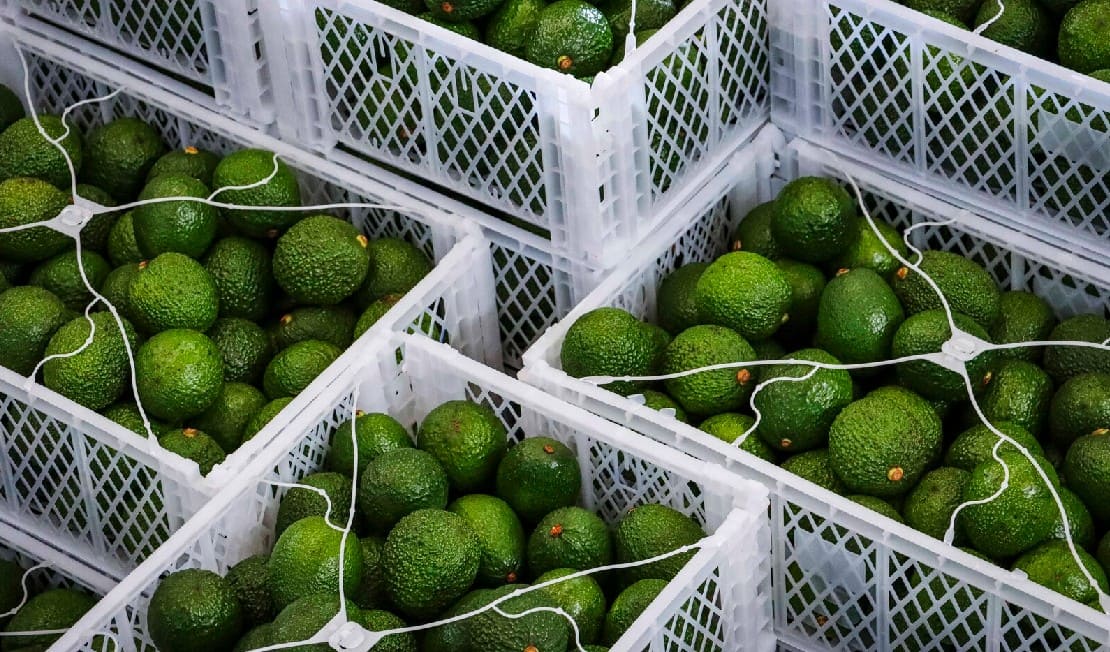
Nepal is almost entirely import-dependent for its avocado supply. Understanding the import sources illuminates why the country's supply is limited, why prices are high, and why seasonal availability patterns look the way they do.
Tridge transaction data confirms that Nepal imported avocados from Uganda in August 2024 — an interesting finding that points to East African sourcing playing a role in Nepal's avocado supply chain. Uganda's growing avocado export sector, which primarily targets EU markets but has diversifying flows to Asian and Middle Eastern buyers, appears to have established Nepal as an occasional destination for its production.
India is almost certainly the most significant source of avocados reaching Nepali consumers through informal and semi-formal channels, given the open border arrangement between the two countries and well-established fresh produce trade flows. Indian-grown avocados — primarily from Karnataka, Andhra Pradesh, and Tamil Nadu — can reach Kathmandu relatively quickly by road freight, without the customs complexity of international ocean or air shipments.
Southern Hemisphere producers, particularly from Kenya and Peru, supply Nepal primarily during the May–August window when their harvest seasons align with Nepal's peak import period. These shipments typically arrive via India as a transit hub or through Tribhuvan International Airport in smaller air freight volumes. The total import value of approximately USD 350,000 in 2021 — more than double the previous year — suggests this supply route is growing but remains modest in absolute volume.
| Import Source | Channel | Season | Price Tier | Notes |
|---|
| India | Road freight / informal | Year-round (limited) | Lowest landed cost | Open border; fastest supply; main affordable source |
| Uganda | Air/sea via transit | Jul–Sep | Mid-range | Confirmed Tridge transaction Aug 2024 |
| Kenya | Sea/air via India | Feb–Jun | Mid-premium | Hass export quality; limited volume to Nepal |
| Peru | Sea via India/Singapore | May–Aug | Premium | Highest quality; long transit adds cost |
| Domestic (limited) | Direct / nursery | Seasonal (variable) | NPR 500–1,500/kg | Small-scale home/artisanal production only |
Kenya's role in Nepal's avocado supply: Kenya is Africa's largest avocado exporter, primarily serving European markets from its high-altitude growing counties of Murang'a, Kirinyaga, and Meru. Some Kenyan Hass avocado volume reaches South and Southeast Asian markets during the East African export season (February–June). For Nepali importers looking to improve supply consistency and quality, establishing direct or agent-mediated sourcing relationships with Kenyan exporters — particularly during the February–June Kenyan export window — could provide competitively priced Hass avocados that represent a quality step up from India-origin alternatives.
Seasonal Avocado Price Patterns in Nepal
📅 Nepal Avocado Seasonal Availability & Price — Monthly Overview
Jan
Feb
Mar
Apr
May
Jun
Jul
Aug
Sep
Oct
Nov
Dec
Best supply — most competitive prices
Good availability — moderate prices
Transitional — variable supply
Tight supply — highest prices / limited availability
Nepal's avocado import calendar is driven by the seasonal production windows of its supplier countries. According to Freshela Exporters, Nepal imports the bulk of its avocados during the May–August period — its summer months — when Southern Hemisphere producers (Kenya, Peru, Uganda, and South Africa) are at or near peak harvest and export capacity.
This summer concentration of supply is when Nepal's avocado prices are most competitive and availability is most consistent. Consumers and food service operators in Kathmandu who want the widest selection and best pricing should plan purchases for this window.
The January–February and November–December periods are Nepal's most challenging for avocado supply. Southern Hemisphere harvest seasons are over; Mexican and Californian supply — which dominates North American and European markets — does not have well-established Nepali distribution channels. India's own domestic production is limited in winter. The result is constrained availability and the highest prices of the year in Nepali markets.
Why Are Avocados So Expensive in Nepal?
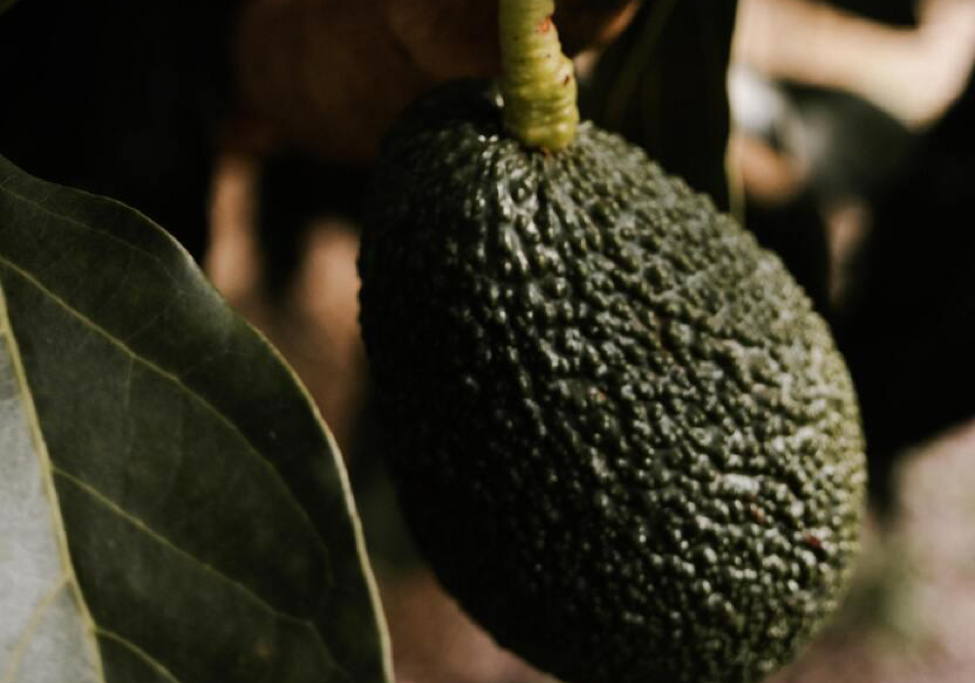
Nepal's avocado prices are meaningfully higher than comparable South Asian markets. Several structural factors explain why, and understanding them helps both buyers and potential importers assess the market realistically.
Landlocked Geography and Import Logistics
Nepal's landlocked position is the single most important structural factor in its fresh produce pricing. Every avocado sold in Nepal has arrived either by air freight — expensive but fast — or by road through India — cheaper but adding time and additional transit handling. Neither route is as cost-efficient as the direct sea freight access enjoyed by coastal countries in the region. Road freight from Indian border crossings to Kathmandu adds 2–3 days to already tight avocado shelf life margins.
No Significant Domestic Production
While Nepal's subtropical mid-hill zones technically support avocado cultivation, commercial production remains negligible. There is no domestic supply base that could provide cost-competitive locally grown avocados. Every avocado in the market bears full import costs — international freight, insurance, import duties, and handling — that countries with domestic production can partially avoid. Building a domestic avocado industry at scale would require significant investment in orchard development, a multi-year establishment timeline, and market infrastructure that currently does not exist.
Premium Retail Environment
Avocados in Nepal are positioned as a premium imported product. They are sold primarily in Kathmandu's modern supermarkets (Bhatbhateni, Salesberry, and similar chains) and through specialty online delivery services targeting upper-middle-class urban consumers. This premium retail positioning allows — and indeed requires — higher margins than commodity vegetable markets. The same avocado that would be a mass-market product in Mexico or Peru becomes a specialty item in Kathmandu, with pricing that reflects that market positioning.
Limited Scale of the Market
Nepal's total avocado import value of approximately USD 350,000 in 2021 — while double the prior year — is extremely small in global trade terms. Small import volumes mean importers cannot negotiate the volume discounts available to buyers in larger markets, and per-unit logistics costs are higher when shipments are smaller. As Nepal's avocado demand grows and import volumes increase, per-unit landed costs should gradually improve — but the market is not yet at scale to fully realise these efficiencies.
Import duty structure matters: Nepal's customs duty and tax structure on imported fresh fruit directly affects the landed cost of avocados and therefore their retail price. Buyers and importers should verify current applicable tariff rates under Nepal's customs schedule for fresh avocados (HS code 0804.40) before making procurement decisions, as duty rates affect the economics of formal versus informal import channels. The use of India as an informal transit source for some Nepali avocados reflects partly the customs cost differential between formal direct import and cross-border informal trade.
Can Avocados Be Grown in Nepal?
Nepal's potential for domestic avocado production is better than most people assume — but it comes with significant constraints that explain why commercial farming hasn't yet taken off.
The country's subtropical mid-hill zones — areas between approximately 300–1,500m altitude — offer climatic conditions broadly compatible with avocado cultivation. Temperatures in these zones are warm enough year-round to support avocado growth, with the seasonal variation that promotes flowering. Rainfall of 1,000–2,000mm annually in many mid-hill areas supports avocado's water requirements when supplemented with irrigation. The Pokhara valley, inner Terai slopes, and parts of Chitwan and Nawalparasi districts represent potentially suitable growing zones.
What works against domestic production at commercial scale is the winter temperature risk. Nepal's temperate zone — which covers much of the country's agricultural land at mid-altitude — experiences cold winters that can push temperatures below avocado's tolerance threshold, particularly at night. Frost damage is a significant risk for avocado trees in unprotected environments above approximately 1,200m. The subtropical zone suitable for avocados is geographically limited compared to the country's full agricultural area.
Despite these constraints, home cultivation is generating genuine interest in Nepal. Plant Nepal's nursery data showing avocado plants selling alongside the mention of NPR 500–1,500/kg home-production prices indicates an emerging hobbyist cultivation community. One mature avocado tree can theoretically produce 80–150 fruits per season, and at Kathmandu's retail prices, the economics of backyard production are actually compelling for urban homeowners with suitable garden space in the right altitude zone.
Commercial viability assessment: For commercial avocado farming to develop meaningfully in Nepal, several conditions need to align: identification and development of suitable altitude zones below frost risk; access to certified avocado grafted plant material (seedling avocados can take 10–15 years to fruit; grafted plants fruit in 3–4 years); establishment of pack house infrastructure and cold chain for marketing; and connection to Kathmandu's wholesale market. Agricultural development organisations and Nepal's Department of Agriculture are increasingly interested in avocado as a high-value crop for mid-hill farming communities — development support could accelerate what market economics alone would struggle to drive.
How to Buy Avocados at the Best Price in Nepal
For consumers in Kathmandu, the current data suggests a clear price hierarchy. Kathmandu Organics' delivery service at NPR 350/kg with free delivery on 2+ kg orders is the most competitive accessible price point for retail buyers. For those comfortable ordering in small bulk, this platform substantially undercuts supermarket pricing while maintaining quality.
Supermarket purchases at Bhatbhateni or Salesberry are convenient but priced at the higher end of the retail range — typically NPR 440–600/kg. For occasional purchases where convenience matters more than cost, supermarkets are a reliable option with consistent quality. For larger food service volumes, establishing a direct relationship with a Kathmandu wholesaler who sources from India or directly from importers will capture the next pricing tier down.
Seasonal buying strategy matters more in Nepal than in many markets because supply variation is so significant. Buying during the May–August import peak secures better prices and wider variety selection. Building a small refrigerated stock during peak season is a viable strategy for restaurants and food service operations that use avocados regularly — avocados stored green can be ripened over time as needed.
💰
Related Reading
What Is the Price of One Avocado? Global Retail & Wholesale Rates Across Key Markets →
Frequently Asked Questions: Avocado Price in Nepal
What is the price of avocado per kg in Nepal?
Avocado retail prices in Nepal range from NPR 350–700 per kg depending on channel and seller. Selinawamucii retail data places Kathmandu and Pokhara retail at NPR 440–544 per kg. Online delivery platforms vary from NPR 350/kg (Kathmandu Organics) to NPR 700/kg (KhetiFood). The March 2025 Tridge wholesale benchmark was NPR 626.67/kg. In USD terms, retail is approximately $3.32–$4.11/kg and wholesale $2.33–$2.87/kg.
Where does Nepal import avocados from?
Nepal imports avocados from multiple sources. Tridge confirms a Uganda-Nepal transaction in August 2024. India is likely the primary informal source given the open border arrangement and established fresh produce trade. Kenya and Peru supply avocados to Nepal primarily during the May–August peak import season when Southern Hemisphere harvests align. Nepal's total avocado import value reached ~USD 350,000 in 2021, more than doubling the previous year.
Why are avocados so expensive in Nepal?
Nepal's high avocado prices reflect several structural factors: landlocked geography that adds logistics cost to all imports; no significant domestic production meaning all supply is imported; a premium retail environment where avocado is positioned as a specialty item; limited import volumes preventing economies of scale; and import duties adding to the landed cost. The 2–3× markup from import cost ($1.47–$1.49/kg) to retail (NPR 440–544/kg) reflects these cumulative cost pressures.
Can avocados be grown in Nepal?
Yes, in suitable zones. Nepal's subtropical mid-hill zones (300–1,500m altitude) in areas like the Pokhara valley, inner Terai, and Chitwan slopes offer compatible growing conditions. However, cold winters above ~1,200m create frost risk. Commercial production remains negligible. Home cultivation is growing in interest — one mature tree can produce 80–150 fruits annually, making backyard growing commercially attractive at current Kathmandu retail prices.
What is the wholesale price of avocado in Nepal?
Nepal's avocado wholesale price was NPR 626.67/kg (Tridge, March 2025). The annual wholesale price range is approximately $2.33–$2.87/kg. Import prices into Nepal were $1.47–$1.49/kg in 2024, indicating substantial margin exists between import cost and domestic wholesale pricing — absorbed by duties, cold chain, and distribution costs.
In which cities are avocados available in Nepal?
Avocados are primarily available in Kathmandu, where they are stocked by major supermarkets (Bhatbhateni, Salesberry) and sold through online delivery platforms. Pokhara has secondary availability through select supermarkets and organic stores, with prices at the higher end of the retail range due to additional distribution from Kathmandu. Availability outside these two cities is very limited — Nepal's avocado market is concentrated in urban areas serving higher-income and internationally-oriented consumers.
