Export origin (FOB)
$3–$7/kg
Kenya & East Africa
Import wholesale
$7.65–$9.56/kg
Bulk imported fresh mint
US terminal wholesale
$11.75–$19/kg
Chicago, LA, NYC markets
Retail (small bundle)
$16–$28/kg equiv
Supermarket per-kg calc
Key Takeaways
- US terminal wholesale: $11.75–$19/kg (Chicago, LA, New York)
- Bulk imported fresh mint: $7.65–$9.56/kg
- Kenya FOB export price: $3–$7/kg — among the most competitive globally
- Peppermint commands 20–40% premium over spearmint per kg
- Retail bundle pricing equals $16–$28/kg — 3–4× wholesale rate
- Certified organic mint commands 30–60% premium over conventional
What Drives Fresh Mint Leaf Prices Per Kg
Fresh mint leaves are among the most widely traded culinary herbs in the world, used across food service, beverage manufacturing, cosmetics, and pharmaceutical industries. Yet the price of fresh mint per kilogram is far from uniform. A buyer in New York can pay $18/kg at a terminal market. A buyer sourcing directly from a Kenyan exporter can access the same quality product for a fraction of that cost. Understanding what creates that gap is the starting point for any serious procurement strategy.
The fresh mint market is shaped by several overlapping factors that buyers need to understand before making supply decisions. Supply chain length is the most significant variable. A kilogram of spearmint that leaves a farm in Kenya's high-altitude Rift Valley region at $3–$4 passes through air freight, customs clearance, cold chain handling, importer margin, and distribution before it reaches a US restaurant operator at $15–$18. Each intermediary step is a legitimate cost — but it means that buyers who can access earlier points in the supply chain unlock dramatically better per-kg rates.
Variety is the second key driver. Spearmint (Mentha spicata) and peppermint (Mentha × piperita) command different price points in every market. Moroccan spearmint — the most widely traded culinary fresh mint globally — is priced as a relatively affordable commodity. Peppermint, with its higher menthol content and wider industrial application, commands a meaningful premium. And certified pharmaceutical-grade peppermint leaves an entirely different pricing bracket again.
Fresh Mint Price by Variety: Spearmint, Peppermint & More
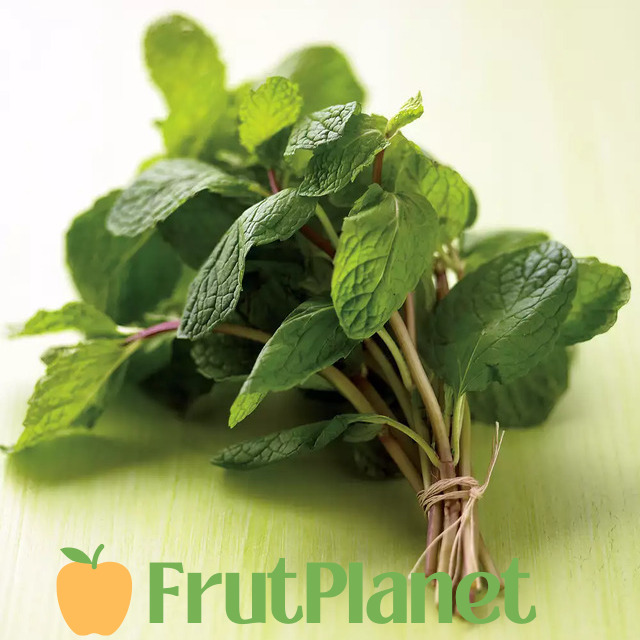
Not all fresh mint is the same — and the price differences between varieties are substantial. Commercial buyers sourcing mint for specific applications need to understand which variety they are actually buying, because the market frequently conflates different species under the generic label "fresh mint."
🌿
Spearmint
Mentha spicata
$7–$15/kg wholesale
Most widely traded culinary variety. Sweet, mild flavour. Dominant in Moroccan tea culture. Most affordable per kg. Used in food, beverages, and confectionery.
❄️
Peppermint
Mentha × piperita
$10–$19/kg wholesale
Higher menthol content. Stronger cooling sensation. Widely used in pharmaceutical, confectionery, and tea. Commands 20–40% premium over spearmint.
🍎
Apple / Moroccan Mint
Mentha suaveolens
$8–$14/kg wholesale
Fruity, slightly sweet aroma. Dominant variety in North African cuisine and Moroccan mint tea. High demand in Middle Eastern restaurant trade.
🌾
Kenyan Spearmint
Mentha spicata (high altitude)
$3–$7/kg export FOB
High-altitude grown in Kenya's Rift Valley and Central regions. Intense aroma, vibrant colour. Export-grade certified. Competitive FOB pricing.
Menthol content and pricing: The menthol concentration in peppermint leaves is the primary driver of its commercial premium. Standard culinary peppermint contains 40–55% menthol in its essential oil. Pharmaceutical-grade peppermint — grown to stricter specifications and tested against British or European Pharmacopoeia standards — commands prices significantly above standard wholesale, often $25–$40/kg or more at the specialised procurement level. For food service buyers using mint purely for culinary garnishing and flavouring, standard spearmint at the lower price point provides excellent value.
Fresh Mint Leaf Prices Across Global Markets
Fresh mint pricing varies enormously by country — shaped by production costs, import logistics, local consumption culture, and market structure. Here is how prices compare across the world's major mint-consuming markets.
| Market | Wholesale Price (per kg) | Retail Equivalent | Primary Supply Origin | Key Market Notes |
|---|
| Kenya (FOB export) | $3–$7/kg | Export origin price | Domestic high-altitude farms | Most competitive fresh mint export pricing globally |
| India (mandi) | INR 30–120/kg (~$0.36–$1.45) | INR 60–200/kg | UP, Rajasthan, MP states | Large domestic market; lowest production costs globally |
| Morocco (wholesale) | €2–€5/kg (~$2.20–$5.50) | €5–€12/kg | Domestic — Marrakech region | Leading EU spearmint supplier; dominant in Moroccan tea trade |
| Egypt (wholesale) | $3–$6/kg | $5–$10/kg | Nile Delta farms | Primary affordable source for Gulf mint supply |
| UK (wholesale) | £5–£9/kg ($6.30–$11.35) | £16–£28/kg equiv. | Morocco, Kenya, Spain | Small retail bundles inflate per-kg retail rate |
| EU / Netherlands | €6–€12/kg (~$6.60–$13.20) | €10–€20/kg | Morocco, Kenya, Israel, Spain | Rotterdam as redistribution hub for EU fresh herb supply |
| USA (terminal wholesale) | $11.75–$19/kg | $16–$28/kg equiv. | Mexico, domestic (CA, OR, WA) | Highest wholesale rate among major markets |
$11.75US wholesale floor (recent 4 weeks)
$3/kgKenya FOB export low
5–6×Typical retail-to-wholesale premium ratio
30–60%Organic certification premium
Fresh Mint Price by Channel: From Farm Gate to Retail Bundle
Where you buy mint determines your price almost entirely. The per-kg equivalent at different purchasing levels reveals the enormous opportunity available to buyers who move upstream in the supply chain.
🌿 Fresh Mint Price Per Kg by Channel (USD equivalent)
Bulk import price
$8.60 avg
US terminal wholesale
$15 avg
Retail bundle equiv.
$22 avg
The retail bundle calculation is the most striking number in this comparison. A standard UK supermarket mint bundle contains approximately 25–30g and retails for £0.50–£0.70. On a per-kilogram basis, that is £16–£28 per kg — dramatically above any wholesale rate in any market. This retail premium exists because small-quantity herb bundles carry high packaging, cold chain, display, and wastage costs relative to the product weight. For any commercial buyer — restaurant, beverage company, food processor — buying mint at retail prices is simply not viable above very small volumes.
The US terminal market premium over other markets is equally instructive. Chicago, Los Angeles, and New York terminal market wholesale prices of $11.75–$19/kg reflect the US market's specific distribution infrastructure, unionised handling costs, and the premium that American wholesale buyers pay for consistent, volume supply from certified US or Mexico-origin producers. Buyers in the US food service sector who import directly from Kenya or Morocco — bypassing the terminal market chain — can access materially better per-kg rates.
Bulk Volume Pricing Tiers: How Volume Reduces Your Per-Kg Cost
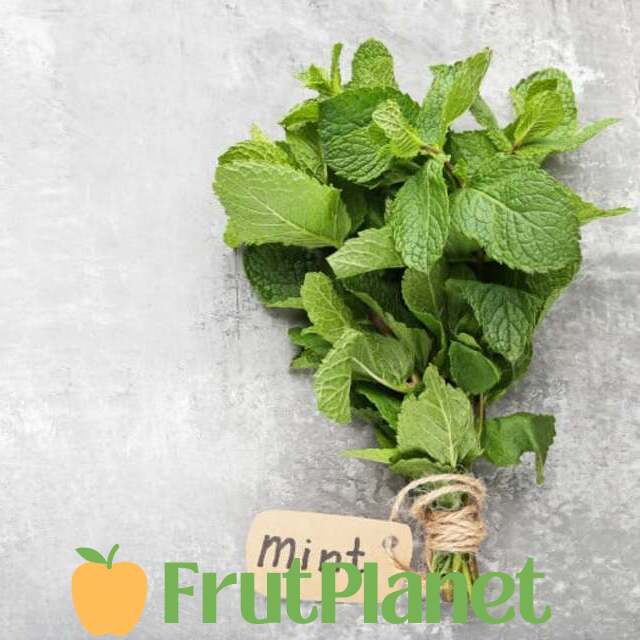
Volume is one of the most powerful levers available to commercial mint buyers. The per-kg price reduction between retail quantities and commercial bulk is substantial — and the economics improve further at higher volumes through direct exporter relationships.
🛍️
1–5 kg
$15–$28/kg
Retail / specialty shop. High per-unit cost. Suitable for trial only.
📦
5–20 kg
$10–$15/kg
Small wholesale. UK supplier 1kg loose pricing tier. Bars and restaurants.
🏭
20–50 kg
$8–$12/kg
Commercial wholesale. Food service chains. Import-level pricing accessible.
🌍
50 kg+
$3–$8/kg
Direct export sourcing. Kenya FOB pricing. Best per-kg cost. Ideal for importers.
The jump between 20–50 kg tier and the 50 kg+ direct export tier is where the most significant savings occur. At 50 kg or above, buyers can engage directly with certified exporters like FrutPlanet — accessing Kenya FOB pricing of $3–$7/kg — which represents a 50–80% reduction against US terminal market rates for comparable quality product. For beverage companies running weekly production batches, cocktail suppliers, food processors, and herb importers, this sourcing shift is commercially transformative.
Subscription and standing-order arrangements unlock further savings. Many exporters, including FrutPlanet, offer weekly or biweekly standing order programmes that guarantee buyers consistent supply while providing volume-based discounts of 10–20% beyond spot order pricing. For food service operations with predictable mint usage — mojito bars, North African restaurants, herbal beverage brands — a standing supply arrangement eliminates procurement friction and secures the price certainty that weekly spot purchasing cannot provide.
Kenya Fresh Mint: Quality, Origin & Export Pricing
Kenya has established itself as one of the world's most commercially attractive origins for export-grade fresh mint, offering a combination of quality credentials, competitive FOB pricing, and logistics positioning that rivals more established North African and Mediterranean origins.
Kenya's fresh mint grows primarily in the high-altitude regions of the Rift Valley, Central Kenya, and parts of Eastern Kenya, where elevations of 1,200–2,200 metres above sea level create the cool nights and warm days that produce intensely aromatic, vibrant-green mint with excellent oil content. The elevation-driven growing conditions are comparable to those of high-quality Mediterranean producers — but at a fraction of the production cost.
The Kenya Horticulture Council and Kenya Plant Health Inspectorate Service (KEPHIS) regulate fresh herb exports, ensuring that mint leaving Kenya meets phytosanitary standards required by EU, UK, Gulf, and Asian destination markets. FrutPlanet sources from GlobalG.A.P.-certified Kenyan farms, providing the documentation trail that modern food service and retail supply chain buyers require as standard.
Kenya's geographic position also advantages its mint supply chain commercially. Air freight from Jomo Kenyatta International Airport in Nairobi reaches London in 8 hours, Dubai in 4 hours, and Amsterdam in 8–9 hours — short enough transit times for fresh mint to arrive in vibrant condition without the aggressive pre-cooling and extended controlled-atmosphere requirements needed for product from more distant origins. For Gulf buyers in particular, East African fresh herbs represent one of the most efficient fresh supply chains available globally.
Kenya fresh mint export season: Kenya's climate supports near year-round mint production, with peak availability and quality during the long dry season (June–September) and short dry season (December–February). Unlike strongly seasonal producers such as Morocco (which peaks January–May) or the US Pacific Northwest (peak June–August), Kenya's complementary climate means reliable weekly supply continuity is achievable — a critical requirement for food service buyers who cannot absorb supply interruptions in their operations.
Seasonal Price Patterns for Fresh Mint Per Kg
📅 Global Fresh Mint Price Seasonality — Monthly Price Level Overview
Jan
Feb
Mar
Apr
May
Jun
Jul
Aug
Sep
Oct
Nov
Dec
Peak global supply — most competitive pricing
Good supply — moderate pricing
Transitional — variable supply
Tighter supply — elevated pricing
Fresh mint pricing is meaningfully seasonal, though less extremely so than strictly seasonal crops because mint is grown across multiple complementary climate zones globally. The US wholesale data from Tridge reflects this — prices declined from a 2023 range of $12–$23.15/kg to a 2024 range of $9.92–$22.05/kg, with the lower 2024 floor attributed to increased supply rather than demand reduction.
The October–November period is typically the tightest supply window in the global fresh mint market. Moroccan and Mediterranean supply has wound down from its spring-summer peak. US Pacific Northwest production has ended. Demand from cocktail and beverage applications often remains elevated through autumn. The result is tighter supply and elevated pricing in Northern Hemisphere markets. This is also when African and year-round tropical origins like Kenya provide the most commercially valuable supply continuity for Northern Hemisphere buyers.
January through February often brings a second period of competitive pricing, as Moroccan winter production comes online alongside East African supply. The Moroccan mint crop, heavily oriented toward supplying Europe and Gulf markets, peaks in early calendar year — making January–March a reliable window for buyers to lock in competitive forward pricing agreements.
How Quality Affects Fresh Mint Price Per Kg
Two nominally identical kilograms of fresh mint can carry very different market values depending on quality attributes that a raw per-kg price fails to capture. For bulk buyers, understanding quality's role in pricing is essential for making sense of the apparent inconsistencies in market quotes.
Aromatic Intensity
Fresh mint's commercial value in food service and beverage applications is almost entirely dependent on its aromatic strength. Mint that has been poorly chilled, overhandled, or harvested past its optimal stage loses volatile aromatic compounds rapidly. Buyers paying a premium for high-altitude Kenya or Morocco mint are paying for consistently high aromatic intensity — mint that delivers the same sensory experience batch to batch, which is what recipe consistency in commercial kitchens and cocktail programmes requires. Low-grade mint that smells faint at delivery may carry a lower per-kg price but performs at a fraction of the efficiency, effectively costing more per serving.
Colour and Visual Appeal
Vibrant green colour is both a quality indicator and a commercial requirement for visual applications — cocktail garnishing, salad preparation, plated dish presentation. Yellow, brown, or wilted mint is functionally compromised for these uses. Premium fresh mint is priced partly for colour consistency, which requires careful cold chain management from harvest through to delivery. A visually compelling 1 kg of Kenya spearmint at $8/kg can replace 1.5 kg of lower-quality commodity mint at $5/kg when the application requires visually perfect leaves.
Certification and Compliance Documentation
Organic certification, GlobalG.A.P., HACCP, and phytosanitary documentation all add cost — but they also add commercial value for buyers who require them for their own supply chain compliance. A buyer supplying organic juice brands or premium cocktail companies cannot use uncertified mint regardless of its sensory quality. The 30–60% organic premium in fresh mint markets is therefore not purely a "quality" premium — it is partly a compliance and market-access premium that reflects the cost of maintaining certification and the commercial restriction that certified-only buyers create.
Shelf life and effective per-kg cost: Fresh mint has a refrigerated shelf life of 10–21 days under optimal conditions (2–4°C, 95–100% relative humidity, away from ethylene-producing produce). Mint that arrives already partially deteriorated — due to poor pre-cooling, ethylene exposure, or excessive transit time — delivers fewer usable days at destination. When calculating the true cost of fresh mint per kg, always factor effective shelf life into the comparison. A higher-priced kg that lasts 14 days is cheaper on a per-usable-day basis than a cheaper kg that degrades in 5 days.
How to Buy Fresh Mint at the Best Price Per Kg
For commercial buyers — restaurant groups, cocktail bars, juice brands, food processors, and herb importers — the gap between retail and direct export pricing represents a significant cost reduction opportunity that requires only one structural change: moving the purchasing relationship upstream toward the exporting source.
The most impactful step is establishing a direct supply relationship with a certified exporter. FrutPlanet's Kenyan fresh mint reaches buyers in the UK, EU, UAE, and other markets at export origin pricing that can be 50–80% below terminal market wholesale rates. The minimum volumes required for direct export supply are achievable for most commercial operations — typically 10 kg or more per shipment — and the air freight logistics from Nairobi to major international hubs are well-established and fast.
Specify your requirements precisely when requesting quotes. Volume per week or per month, variety (spearmint vs peppermint), desired pack format (bunched, loose, stripped leaves), certification requirements (GlobalG.A.P., organic, phytosanitary), and destination port all affect your per-kg price. Vague enquiries produce vague quotes. Detailed specifications produce actionable pricing that allows genuine comparison between suppliers.
Consider seasonal contracting for price security. Many commercial buyers run forward contracts for 3–6 months of fresh mint supply, locking in per-kg pricing against a specified weekly volume. This protects against the seasonal price spikes visible in the October–November window and allows operations to plan menu and production costs with greater certainty. Exporters who provide consistent weekly volumes — rather than spot orders — can typically offer better per-kg rates in exchange for the supply commitment.
Storage to maximise value at destination: Fresh mint arrives best when pre-cooled to 2–4°C before packing and transported under refrigeration. At destination, store stems in cool water (like flowers) or wrap loosely in slightly damp paper and refrigerate. Avoid storing near ethylene-producing produce (apples, tomatoes, avocados) — mint is highly ethylene-sensitive and will yellow and deteriorate rapidly in proximity to high ethylene sources. Properly stored commercial-grade Kenyan mint maintains quality for 10–14 days at destination — a shelf life that makes weekly ordering cycles viable for most commercial users.
Frequently Asked Questions: Fresh Mint Leaves Price Per Kg
What is the wholesale price of fresh mint leaves per kg?
Fresh mint wholesale prices vary by market. In the US, recent terminal market wholesale ranges from $11.75–$19/kg. Bulk imported fresh mint is priced at $7.65–$9.56/kg. Kenya and East African export FOB pricing runs $3–$7/kg. UK wholesale is approximately £5–£9/kg. India's mandi price for fresh mint (pudina) ranges from INR 30–120/kg depending on season. The wide range reflects origin, supply chain length, and whether pricing is at import, terminal wholesale, or direct export level.
What factors affect the price of fresh mint leaves per kg?
Key price drivers include: variety (peppermint commands 20–40% premium over spearmint), origin (Kenya and Morocco export pricing vs US terminal market rates), purchase volume (bulk 50kg+ unlocks direct export pricing 50–80% below retail equivalent), organic certification (30–60% premium), season (October–November tightest supply), and post-harvest quality (aromatic intensity, colour, and shelf life directly affect effective cost per use).
What is the difference in price between spearmint and peppermint per kg?
Spearmint (Mentha spicata) wholesale prices range from $7–$15/kg in major markets. Peppermint (Mentha × piperita), with its higher menthol content and broader pharmaceutical and confectionery application, commands $10–$19/kg at wholesale — a 20–40% premium. Pharmaceutical-grade peppermint can reach $25–$40/kg at specialised procurement level. For culinary food service use, spearmint provides the best cost-to-quality balance for most applications.
How much does bulk fresh mint cost compared to retail?
A standard supermarket mint bundle (25–30g) at £0.50–£0.70 represents a retail equivalent of £16–£28 per kg — 3–4× the wholesale rate. Buying 1 kg loose fresh mint from a UK wholesale supplier costs £5–£9/kg. Direct export sourcing from Kenya through FrutPlanet can bring per-kg cost to $3–$7 for certified fresh mint in commercial volumes — making bulk sourcing 70–85% cheaper than retail-equivalent pricing.
Where does the UK import most of its fresh mint from?
The UK sources fresh mint primarily from Morocco (leading European supplier of spearmint), Kenya and East Africa (export-grade Hass spearmint and peppermint), Spain and Israel (Mediterranean shoulder seasons), and Egypt (affordable spearmint for UK Middle Eastern grocery sector). Domestic UK herb farms supply summer volumes. Kenya is particularly valued for consistent quality and year-round supply continuity, making it a commercially attractive alternative to Morocco for UK importers seeking supply diversification.
What is the minimum order for bulk fresh mint from Kenya?
FrutPlanet's bulk fresh mint from Kenya is available in commercial volumes suitable for food service operators, wholesale distributors, and importers. Kenyan fresh mint is exported via air freight for fastest delivery to European, Middle Eastern, and Asian markets, ensuring aromatic intensity and shelf life that bulk buyers require. Contact FrutPlanet's export team for current availability, minimum order quantities, and per-kg pricing tailored to your destination and volume requirements.
