
Mushroom Price in Pakistan: Variety Rates, City Comparisons & Wholesale Breakdown
From affordable button mushrooms at PKR 300 per pack to rare gucchi at PKR 40,000 per kg — Pakistan's mushroom market spans an extraordinary price range. Here's the full breakdown.
- Button mushrooms are the most affordable at PKR 800–1,600/kg retail
- Oyster mushrooms cost PKR 1,800–3,000/kg — grown locally in Punjab
- Wholesale prices are 30–40% below retail across all varieties
- Lahore has Pakistan's most competitive mushroom market
- Gucchi mushrooms at PKR 30,000–40,000/kg are wild-harvested only
- Shiitake and specialty varieties mostly imported from China
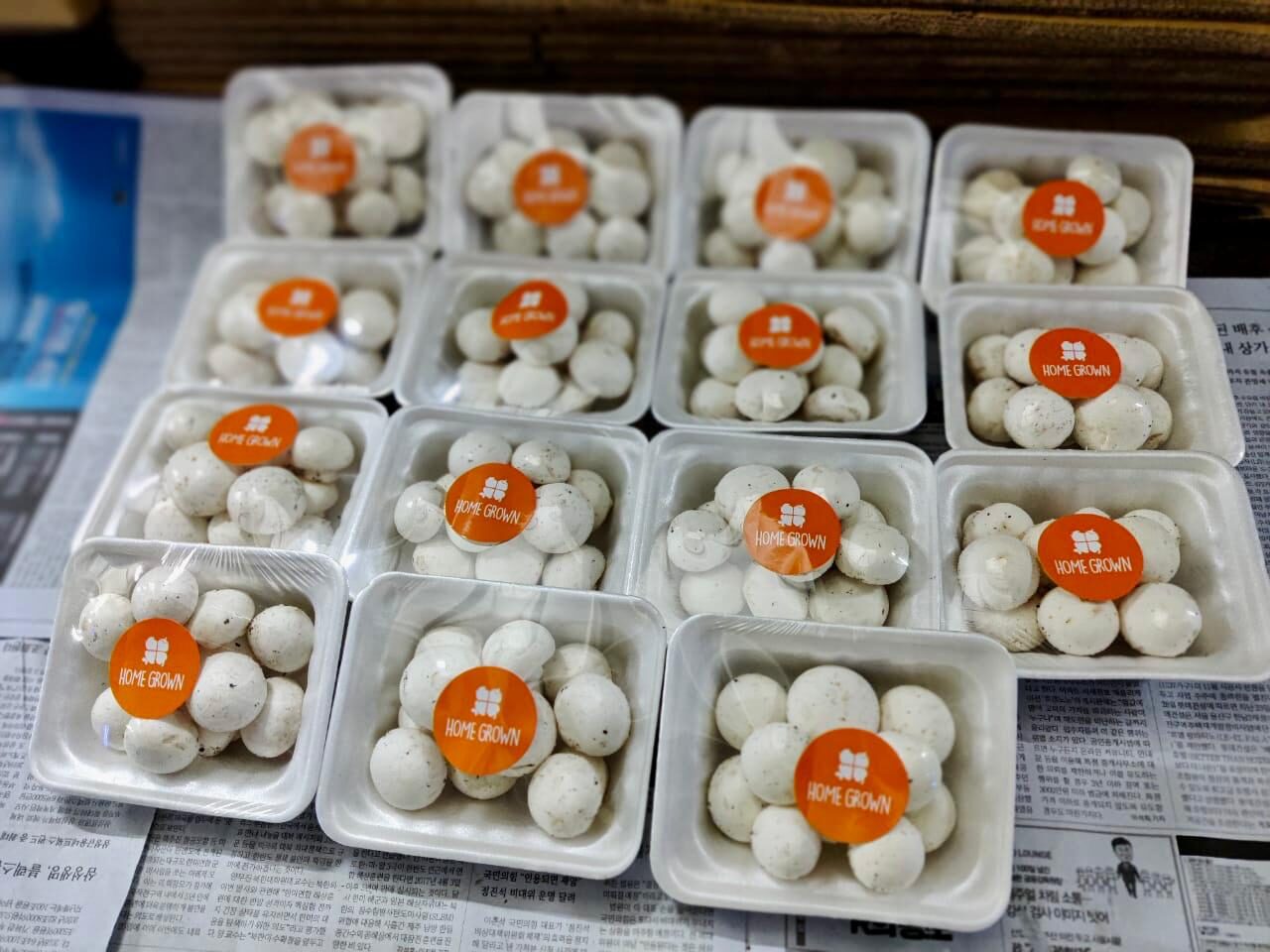
mushroom price pakistan market varieties
Pakistan's mushroom market has changed dramatically over the past decade. What was once a niche item found only in upscale grocery stores in major cities is now available from wet markets and online delivery platforms to roadside stalls and national supermarket chains.
But prices vary more in Pakistan's mushroom market than almost any other produce category. A kilogram of locally grown white button mushrooms costs a fraction of what you'd pay for fresh oyster mushrooms. Specialty Asian varieties like shiitake and king oyster mushrooms command a significant import premium. And at the extreme end, wild-harvested gucchi mushrooms from Pakistan's northern mountains reach prices that rival luxury goods.
Understanding where prices sit — and why — matters for everyone in the market. For home buyers planning grocery budgets, for restaurants managing food costs, for mushroom farmers setting competitive prices, and for importers and wholesale traders calculating margins.
This article covers all of it. Every major mushroom variety available in Pakistan, prices across the retail and wholesale chain, city-by-city comparisons, and the factors that drive price differences at every level.
Pakistan's Mushroom Market: Domestic Production vs Imports
Pakistan has a genuinely growing domestic mushroom industry. Commercial cultivation began gaining traction in the 1990s, primarily in Punjab, and has expanded significantly since then. The most developed domestic production is in button mushrooms — the white and brown Agaricus bisporus varieties that dominate supermarkets globally.
Key domestic mushroom farming areas include Sheikhupura and Nankana Sahib in Punjab, parts of Khyber Pakhtunkhwa (KPK), and the peri-urban areas around Islamabad and Rawalpindi. These farms supply the urban markets of Lahore, Islamabad, and to a lesser extent Karachi with fresh button mushrooms.
Oyster mushrooms (Pleurotus species) are also grown domestically, though on a much smaller scale. A growing number of small-scale urban mushroom farmers in Punjab and Sindh are producing oyster mushrooms for local markets and online delivery. This relatively recent expansion is one reason oyster mushroom prices have moderated in some cities.
Specialty varieties — shiitake, portobello, lion's mane, king oyster, and most dried Asian mushrooms — are predominantly imported. China is the primary source, accounting for the bulk of Pakistan's dried and specialty mushroom imports. This import dependency means these varieties are subject to exchange rate fluctuations, international shipping costs, and import duty — all of which feed directly into retail prices.
Market size context: Pakistan's mushroom consumption remains relatively low compared to regional markets like India and China, but growth has been consistent over recent years. Urban, health-conscious consumers in Karachi, Lahore, and Islamabad are driving demand for both fresh and specialty mushroom varieties — a demographic shift that is pulling prices in two directions: downward on commodity button mushrooms as domestic production scales, and upward on premium varieties as demand outstrips limited supply.
Mushroom Prices in Pakistan by Variety
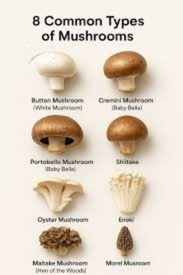
mushroom varieties pakistan price per kg
The price of mushrooms in Pakistan is fundamentally a variety-by-variety question. Treating all mushrooms as a single commodity misses the enormous range that exists even within the category of commonly available species.
Button Mushroom
Most affordable. Locally grown in Punjab. White and brown varieties. Widely available fresh and canned nationwide.
Oyster Mushroom
White, grey, and phoenix varieties locally grown. Organic fresh oyster in Islamabad up to PKR 3,000/kg.
Portobello
Mostly imported or from specialty domestic farms. Large cap size. Popular in upscale restaurants and home kitchens.
Shiitake
Primarily imported dried from China. Fresh shiitake in specialist stores. High umami flavour drives consistent demand.
King Oyster
Thick-stemmed, meaty variety. Available fresh in select Karachi, Lahore, and Islamabad specialty stores and online.
Gucchi (Morel)
Wild-harvested from Pakistan's northern Himalayan foothills. Cannot be cultivated. Sold in small packs due to extreme cost.
Visual Price Comparison: Pakistan Mushroom Varieties at a Glance
Wholesale vs Retail Mushroom Prices in Pakistan
The gap between wholesale and retail mushroom prices in Pakistan is significant. Understanding it is essential for anyone purchasing in volume or building a mushroom-based food business.
| Variety | Wholesale (PKR/kg) | Retail — Market (PKR/kg) | Retail — Supermarket (PKR/kg) | Online Delivery (PKR/kg) |
|---|---|---|---|---|
| Button (white) | PKR 400–700 | PKR 800–1,100 | PKR 1,100–1,600 | PKR 1,200–1,800 |
| Oyster (fresh) | PKR 900–1,400 | PKR 1,600–2,200 | PKR 2,000–3,000 | PKR 2,200–3,200 |
| Portobello | PKR 1,200–2,000 | PKR 2,000–3,200 | PKR 2,800–4,000 | PKR 3,000–4,500 |
| Shiitake (dried) | PKR 1,500–2,500 | PKR 2,500–3,500 | PKR 3,000–4,500 | PKR 3,200–5,000 |
| King Oyster | PKR 1,800–3,000 | PKR 3,000–4,500 | PKR 3,500–5,000 | PKR 4,000–5,500 |
| Gucchi/Morel | PKR 18,000–25,000 | PKR 28,000–35,000 | PKR 30,000–40,000 | PKR 35,000–45,000 |
The online delivery channel consistently commands the highest prices — typically 15–30% above supermarket retail — reflecting the convenience premium and additional last-mile logistics cost built into platform-based grocery delivery in Pakistan.
For restaurant and food service buyers, purchasing at or near wholesale pricing is standard practice. A restaurant in Lahore sourcing button mushrooms directly from a Punjab farm or wholesale market can reduce mushroom costs by 40–50% compared to supermarket procurement, which has a significant impact on menu profitability.
Mushroom Prices by City: Karachi, Lahore, and Islamabad Compared
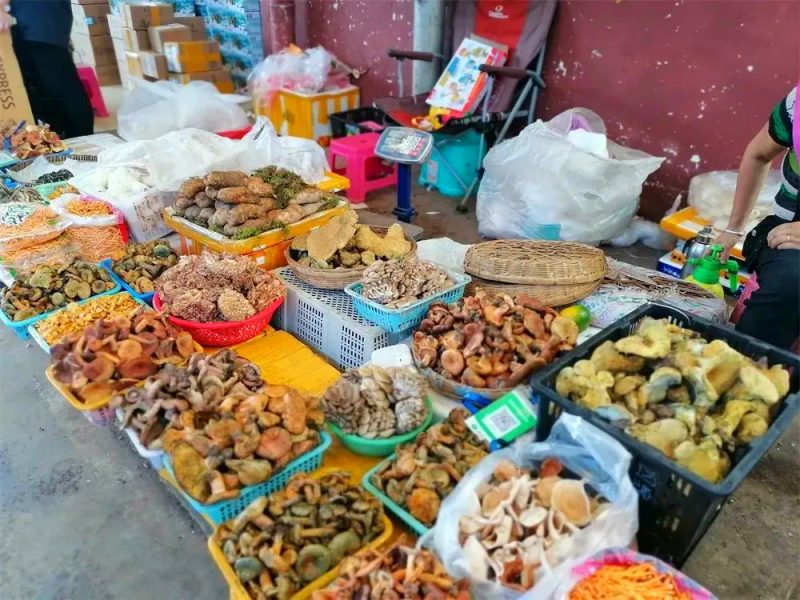
mushroom price karachi lahore islamabad comparison
Where you buy matters as much as what you buy. Mushroom prices across Pakistan's three largest cities vary meaningfully — driven by proximity to domestic farms, cold chain infrastructure, and the local retail competitive landscape.
Lahore's advantage stems directly from its proximity to Punjab's mushroom farms. Fresh button mushrooms can travel from farm to Lahore wholesale market in a matter of hours. That short supply chain reduces cold chain costs and spoilage losses, keeping prices lower at every downstream level.
Karachi's higher prices reflect a genuine logistics challenge. Fresh mushrooms from Punjab require refrigerated road transport of 1,200+ km to reach Karachi, or air freight at significantly higher cost. Many of the specialty mushrooms sold in Karachi's upscale supermarkets arrive via import channels rather than domestic supply — which adds customs duty, freight, and importer margins to the base cost.
Online delivery pricing in Pakistan: Platforms like Daraz, Tayyib Store, and city-specific delivery apps have significantly expanded mushroom availability in Pakistani cities, particularly for specialty varieties. However, online pricing consistently runs 15–30% above equivalent wet market or supermarket prices. The convenience premium is real — but for price-sensitive buyers, a weekly visit to the nearest wholesale market remains the most cost-effective procurement method.
Gucchi Mushroom Price in Pakistan: The Wild Himalayan Exception
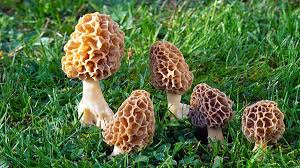
gucchi morel mushroom price pakistan himalaya wild
Gucchi mushrooms deserve separate treatment because they operate in an entirely different price category from every other mushroom in Pakistan's market.
These wild morel mushrooms — known scientifically as Morchella esculenta — grow in the forests of Pakistan's northern regions, particularly in areas of Gilgit-Baltistan, Azad Kashmir, and the KPK highlands. They emerge only in spring, after snowmelt, and cannot be commercially cultivated anywhere in the world.
The harvest window is short — a few weeks at most. Collection requires trekking through steep, remote mountain forest. Every kilogram collected represents significant physical labour and risk. These factors combine with worldwide demand from gourmet restaurants and Himalayan food markets to produce prices that seem implausible for a fungus: PKR 30,000–40,000 per kilogram.
In practice, gucchi is almost never sold or purchased by the kilogram in Pakistani retail. It is available in small packages — typically 5g to 50g — priced proportionally. Even at the small-pack level, gucchi represents a significant purchase. A 10g pack priced proportionally to PKR 35,000/kg costs PKR 350, comparable to a full kilogram of good button mushrooms.
Gucchi export note: Pakistan does export some gucchi mushrooms, though volumes are modest compared to India and Nepal. The primary markets are Qatar, Germany, France, and China. Export documentation includes phytosanitary certificates, and the government charges export taxes on wild mushroom harvests. For buyers seeking bulk gucchi, establishing relationships with northern Pakistan forager cooperatives is the most viable supply chain approach.
Complete Mushroom Price Table for Pakistan
| Mushroom Type | Form | Price Range (PKR/kg) | Origin | Availability |
|---|---|---|---|---|
| Button (white) | Fresh | 800–1,600 | Domestic (Punjab) | Year-round |
| Button (canned) | Canned | 700–1,200 | Imported / Domestic | Year-round |
| Oyster (white/grey) | Fresh | 1,800–3,000 | Domestic (Punjab/KPK) | Year-round |
| Oyster (phoenix) | Fresh | 1,800–2,500 | Domestic small farms | Year-round |
| Portobello | Fresh | 2,000–4,000 | Imported / Specialty farms | Limited |
| Shiitake (dried) | Dried | 2,500–4,500 | Imported (China) | Year-round |
| King Oyster | Fresh | 3,000–5,000 | Imported / Specialty | Limited |
| Lion's Mane | Fresh | 3,500–6,000 | Specialty urban farms | Very limited |
| Black Fungus | Dried | 2,000–4,000 | Imported (China) | Year-round |
| Gucchi/Morel | Dried | 30,000–40,000 | Wild-harvested (Pakistan North) | Spring only |
What Drives Mushroom Prices in Pakistan
Several distinct factors determine where any given mushroom lands on Pakistan's price spectrum. Understanding these helps buyers make smarter decisions and helps growers and traders set competitive prices.
Domestic vs Import Supply
Domestically grown mushrooms — primarily button and some oyster varieties — are significantly cheaper than imported equivalents. The import chain for shiitake, portobello, and king oyster includes ocean freight from China, Pakistani customs duty on imported produce, cold chain handling at the port, and importer margin. These cumulative costs explain why imported varieties retail at 2–3x the price of comparable domestic product.
Cold Chain Infrastructure
Fresh mushrooms are highly perishable. Without reliable refrigerated logistics, spoilage losses inflate the effective cost per kilogram that reaches the consumer. Pakistan's cold chain has improved significantly in major urban corridors, but remains patchy in smaller cities and on long-haul routes. Where cold chain is weak, prices are higher — the losses are priced in.
Seasonal Supply Variation
Pakistan's domestic button mushroom cultivation is largely climate-controlled, giving it year-round production capability. But some farm operators in less sophisticated facilities see production fluctuations in peak summer heat. Wild mushrooms like gucchi are strictly seasonal — availability from March to May only. Out-of-season gucchi is exclusively dried, commanding even higher prices due to the processing and storage costs.
Exchange Rate and Import Costs
For imported specialty mushrooms, PKR depreciation directly inflates retail prices. Pakistan's rupee has experienced significant devaluation in recent years, which has pushed the rupee-denominated cost of imported mushrooms upward even when international USD prices remain stable. Buyers of imported varieties should factor currency risk into any forward purchasing decisions.
How to Buy Mushrooms at the Best Price in Pakistan
For home buyers, the cheapest fresh button mushrooms are consistently found at weekly bazaars and wholesale vegetable markets rather than supermarkets. In Lahore, the Badami Bagh wholesale vegetable market is a primary distribution point. In Karachi, the Empress Market and surrounding wholesale vegetable areas offer the most competitive prices on fresh produce including mushrooms.
For restaurants and food service operations, establishing a direct supply relationship with a Punjab-based mushroom farm is the most effective cost reduction strategy. Many farms supply 5–10 kg minimum orders at wholesale pricing with weekly delivery schedules to major urban areas.
For specialty varieties — particularly shiitake, oyster, and king oyster — online platforms and specialty food stores in Karachi, Lahore, and Islamabad offer the widest selection. Prices will be higher than wholesale but availability and consistency are better for low-volume specialty purchasing.