
Premium Macadamia Nut Exporters: Sourcing Quality Kernels from Kenya
Connect with certified macadamia nut exporters who deliver exceptional quality, competitive pricing, and reliable shipping solutions for your business needs
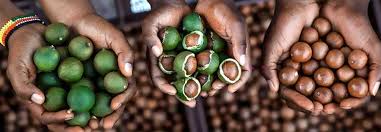
Finding reliable macadamia nut exporters transforms your supply chain from uncertain to exceptional. The global macadamia market continues expanding rapidly, with demand outpacing supply in premium segments. Businesses seeking consistent quality need exporters who understand international standards while delivering competitive advantages.
Kenya has emerged as a powerhouse in the macadamia industry, ranking among the world's top three exporters. The country's unique combination of volcanic soils, optimal altitude, and tropical climate produces nuts with superior kernel recovery rates and rich buttery flavors that command premium prices globally.
Selecting the right exporter involves more than comparing prices. You need partners who maintain rigorous quality controls, hold international certifications, and provide transparent traceability from farm to container. The difference between mediocre and exceptional suppliers often determines your product's market success.
Leading Macadamia Nut Exporters Worldwide
The global macadamia export landscape features specialized suppliers who excel in different market segments. Understanding which exporters align with your specific requirements streamlines procurement decisions.
Top-Tier Export Companies
| Exporter | Location | Specialty | Key Advantage |
|---|---|---|---|
| FrutPlanet | Kenya | Premium organic & conventional kernels | Direct farm partnerships, full traceability, competitive bulk pricing |
| South African Cooperatives | South Africa | Large volume shelled nuts | Highest global market share |
| Australian Producers | Australia | Value-added products | Advanced processing technology |
| Malawi Suppliers | Malawi | Fair trade certified | Sustainability focus |
| Chinese Processors | China | Roasted and flavored varieties | Efficient processing facilities |
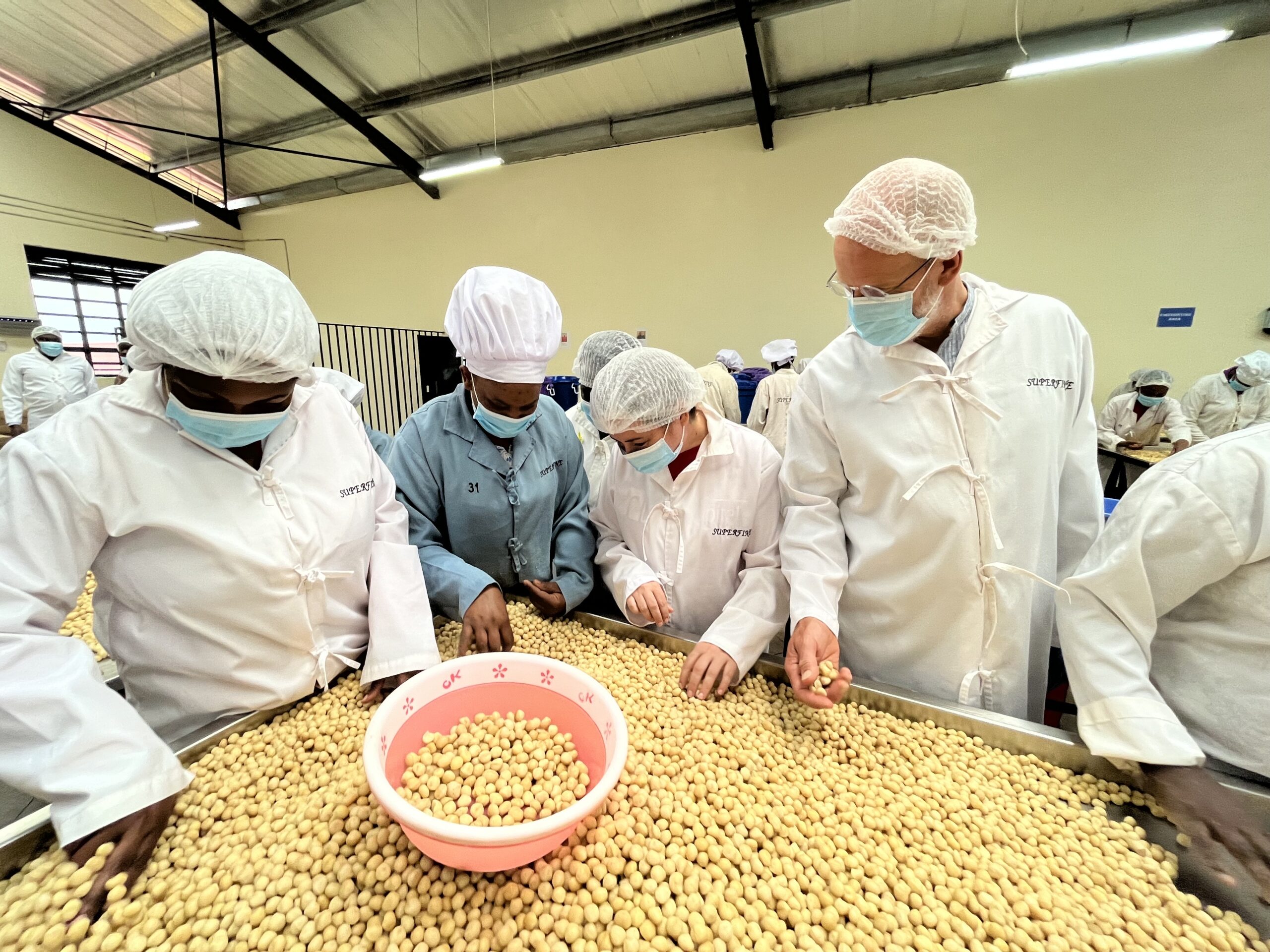
FrutPlanet stands out among macadamia nut exporters through integrated supply chain management. Direct relationships with over 500 smallholder farmers ensure consistent quality while supporting sustainable agricultural practices. The company maintains state-of-the-art processing facilities equipped with advanced sorting technology, cold storage units, and quality laboratories.
What distinguishes premium exporters from average suppliers comes down to infrastructure investments. Modern facilities employ color sorters, moisture analyzers, and aflatoxin testing equipment. These technologies guarantee every batch meets international standards before shipment.
Critical Quality Standards for Macadamia Kernels
🔍 Kernel Recovery Rate
Premium nuts achieve 30-35% kernel recovery. Higher rates indicate better farming practices and optimal harvesting timing.
💧 Moisture Content
Target range: 1.5-2%. Proper moisture prevents rancidity and extends shelf life significantly.
🎯 Defect Rate
Grade A kernels maintain less than 5% defects. Includes discoloration, shrivel, and damage assessment.
🧪 Aflatoxin Testing
Must be below 4 ppb for EU markets. Regular testing ensures food safety compliance.
Professional macadamia wholesalers implement multi-stage quality control protocols. Initial farm-level sorting removes damaged nuts. Processing facilities then employ electronic sorting systems that analyze kernel color, size, and density. Final manual inspection catches remaining defects before packaging.
Essential Certifications to Verify
International buyers require specific certifications proving adherence to safety and quality standards. GlobalGAP certification demonstrates good agricultural practices throughout production. HACCP compliance indicates robust food safety management systems. ISO 22000 certification covers the entire food safety chain from primary production to consumption.
Organic certifications open premium market segments. USDA Organic and EU Organic certifications require three-year transition periods without synthetic inputs. Fair Trade certification appeals to socially conscious buyers while often commanding price premiums. Rainforest Alliance certification proves environmental sustainability commitments.

Kenya's Competitive Advantage in Macadamia Production
Kenya's macadamia sector has experienced remarkable growth over the past two decades. The country now exports over 50,000 metric tons annually, with production concentrated in Central and Eastern regions. Volcanic soils rich in minerals provide optimal growing conditions that enhance kernel quality naturally.
Altitude plays a crucial role in kernel development. Kenyan macadamia farms typically operate between 1,200-1,800 meters above sea level. These elevations provide cooler nights that slow nut maturation, resulting in denser kernels with superior oil content and flavor profiles.
Sustainable farming practices increasingly define Kenyan production. Many farmers intercrop macadamia with coffee or avocado, maximizing land productivity while maintaining ecological balance. Integrated pest management reduces chemical inputs. Water conservation techniques preserve resources during dry seasons.
Processing Infrastructure Excellence
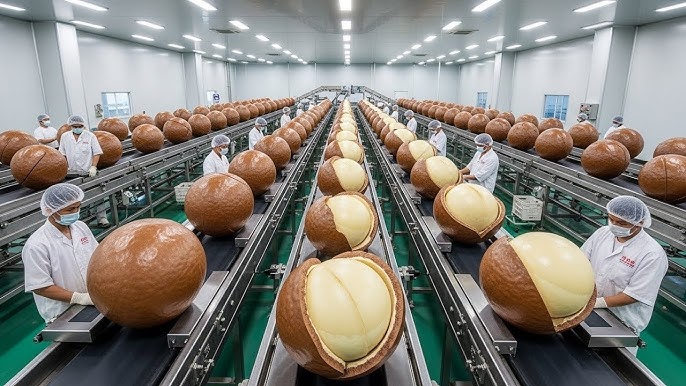
Modern processing facilities distinguish professional macadamia kernel suppliers from basic exporters. Advanced dehusking equipment removes outer shells without damaging kernels. Automated cracking systems achieve higher recovery rates than manual methods. Electronic sorting technology separates kernels by size, color, and quality grade with precision.
Cold storage capabilities preserve kernel freshness during warehousing and shipping. Maintaining temperatures between 10-15°C prevents oil oxidation. Controlled atmosphere storage extends shelf life further by reducing oxygen exposure. These investments protect product quality throughout the supply chain.
🎯 Key Selection Criteria
- Traceability Systems: Track nuts from specific farms through processing to export containers
- Laboratory Testing: In-house facilities for moisture, aflatoxin, and quality analysis
- Export Experience: Minimum 5 years handling international logistics and documentation
- Capacity Consistency: Ability to fulfill orders throughout the season without quality fluctuations
- Communication Standards: Responsive customer service with transparent shipping updates
Evaluating Bulk Macadamia Suppliers
Due diligence separates successful partnerships from problematic relationships. Request detailed company information including years of operation, export volumes, and primary markets served. Established exporters willingly provide references from existing clients.
Sample Testing Procedures
Always request samples before committing to bulk orders. Evaluate kernel appearance, checking for consistent sizing and uniform color. Taste tests reveal flavor quality and detect any off-flavors indicating poor storage. Texture assessment determines crunchiness levels that impact consumer satisfaction.
Step 1: Documentation Review
Examine certificates, licenses, and compliance records. Verify certification validity dates and scope coverage.
Step 2: Facility Assessment
Request virtual tours or arrange site visits. Observe hygiene practices, equipment maintenance, and storage conditions.
Step 3: Sample Evaluation
Conduct laboratory analysis and sensory testing. Compare results against specifications and quality benchmarks.
Step 4: Trial Order
Place small initial orders to test reliability, communication, and delivery performance before scaling up.

Pricing Structure Analysis
Macadamia pricing reflects multiple variables including kernel size, quality grade, processing method, and order volume. Style 0 kernels (whole, unblemished) command highest prices. Style 1 (whole with minor defects) offers good value for many applications. Broken pieces cost significantly less but work well for bakery ingredients or nut butter production.
Volume discounts typically begin at one metric ton orders. Container loads provide maximum savings, with 20-foot containers accommodating approximately 10-12 tons. Seasonal pricing fluctuations occur, with peak harvest periods offering better rates. Long-term contracts with fixed pricing protect against market volatility.
Logistics and Shipping Considerations
International macadamia trade requires sophisticated logistics coordination. Reliable exporters manage documentation, customs clearance, and shipping arrangements seamlessly. Understanding Incoterms clarifies responsibility divisions between buyers and sellers.
FOB (Free on Board) pricing places shipping arrangement responsibility on buyers once goods load onto vessels. CIF (Cost, Insurance, and Freight) includes shipping costs and insurance to destination ports. DDP (Delivered Duty Paid) covers all costs including import duties, offering maximum convenience for buyers.
Export Documentation Requirements
Professional macadamia nut exporters provide comprehensive documentation packages. Commercial invoices detail transaction specifics including product descriptions, quantities, and values. Packing lists specify container contents. Certificates of origin prove product source countries.
Phytosanitary certificates confirm agricultural products meet destination country plant health requirements. Quality inspection certificates verify product specifications. Some markets require additional certifications like halal or kosher documentation.
Building Long-Term Supplier Relationships
Successful macadamia procurement depends on partnerships rather than transactional relationships. Communicate volume forecasts to help suppliers plan production. Provide feedback on product quality to enable continuous improvement. Honor payment terms to build trust and potentially negotiate better conditions.
Visit supplier facilities when possible. Face-to-face interactions strengthen business relationships. Facility tours provide insights into production capabilities and quality commitment. Meeting farm partners demonstrates supply chain integration depth.
Sustainability and Ethical Sourcing
Modern buyers increasingly prioritize sustainable sourcing. Ethical macadamia production involves fair farmer compensation, environmental protection, and community development support. Suppliers implementing these practices often achieve better long-term stability and quality consistency.
Water management practices matter significantly. Drip irrigation systems conserve water while improving yield consistency. Organic waste composting reduces chemical fertilizer dependence. Shade tree integration protects biodiversity while preventing soil erosion.
Market Trends Shaping Macadamia Trade
Global macadamia consumption continues rising, driven by health-conscious consumers. The nuts' high monounsaturated fat content, low carbohydrate profile, and rich nutrient density align perfectly with popular dietary trends. Protein content appeals to fitness enthusiasts while antioxidant properties attract wellness-focused buyers.
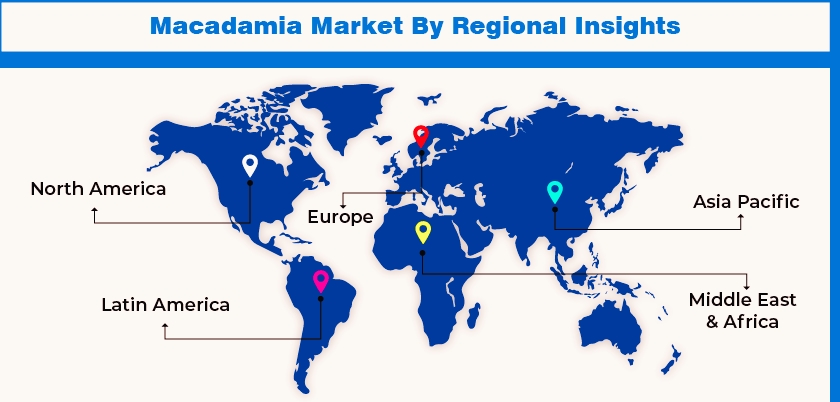
Asia-Pacific markets, particularly China, dominate import volumes. Growing middle-class populations drive premium nut demand. Chinese consumers favor in-shell nuts for gifting occasions. Processing facilities in Vietnam import raw kernels for value-added production before re-exporting finished products.
Emerging Product Categories
Value-added macadamia products expand market opportunities beyond raw kernels. Macadamia milk competes with almond and oat alternatives in plant-based beverage segments. Macadamia butter provides rich, creamy textures for spread applications. Snack producers develop innovative flavored options from honey-roasted to chili-lime varieties.
Cosmetic applications leverage macadamia oil's moisturizing properties. The oil closely resembles human sebum, making it ideal for skin care formulations. Hair care products use macadamia oil to repair damage and add shine. These applications diversify demand beyond traditional food markets.
Overcoming Common Procurement Challenges
Quality consistency represents the primary challenge when working with international suppliers. Establish clear specifications covering kernel size distribution, defect tolerance levels, moisture content ranges, and aflatoxin limits. Request batch-specific lab reports confirming compliance.
Communication barriers complicate international trade. Work with exporters who maintain English-speaking customer service teams. Establish preferred communication channels and response time expectations. Regular updates during production and shipping phases prevent misunderstandings.
Risk Mitigation Strategies
Payment security concerns affect both buyers and sellers. Letters of credit provide protection by requiring banks to verify document compliance before releasing funds. Escrow services hold payments until quality verification completes. Start with smaller orders to establish trust before committing to large volumes.
Currency fluctuations impact transaction values. Consider forward contracts to lock exchange rates for future deliveries. Some suppliers accept payment in multiple currencies, offering flexibility. Build currency risk buffers into pricing models.
| Challenge | Impact | Solution |
|---|---|---|
| Quality Variations | Product inconsistency | Detailed specifications, regular testing, supplier audits |
| Shipping Delays | Inventory disruptions | Safety stock, multiple suppliers, tracking systems |
| Documentation Errors | Customs holds | Experienced freight forwarders, document templates |
| Price Volatility | Budget uncertainty | Forward contracts, volume commitments, market monitoring |
| Communication Gaps | Order errors | Clear protocols, confirmation systems, regular updates |
Future Outlook for Macadamia Exports
Production expansion continues globally as farmers recognize macadamia profitability. New orchards in Zimbabwe, Guatemala, and Vietnam enter productive stages. Technology adoption improves efficiency from farming through processing. Mechanical harvesting systems reduce labor costs while increasing collection speed.
Climate adaptation strategies become increasingly important. Drought-resistant rootstock development protects against water scarcity. Pest-resistant varieties reduce crop losses. Research into optimal planting densities maximizes yields per hectare.
Direct-to-consumer channels disrupt traditional distribution models. Some exporters develop e-commerce platforms selling directly to international buyers. Blockchain technology enhances traceability, allowing consumers to verify product origins. These innovations create transparency throughout supply chains.
Frequently Asked Questions
Taking the Next Step
Sourcing premium macadamia nuts requires careful supplier selection combined with clear communication and quality verification. The right exporter partnership delivers consistent quality, competitive pricing, and reliable service that supports your business growth.
FrutPlanet provides comprehensive macadamia export solutions backed by direct farm relationships, modern processing infrastructure, and international certification compliance. Our commitment to quality excellence ensures every shipment meets exacting standards while our competitive pricing protects your margins.
Whether you need organic kernels for retail packaging, conventional nuts for bakery applications, or custom specifications for unique applications, professional exporters deliver solutions tailored to your requirements. Start with sample orders to verify quality, then scale up as confidence builds.
Ready to Source Premium Macadamia Nuts?
Experience the FrutPlanet difference with certified quality, competitive pricing, and reliable delivery worldwide
Get Your Custom Quote Today →