Our expertise lies in providing top-quality wheat in bulk quantities, making us the go-to destination for those looking to buy wheat wholesale. With an unwavering commitment to excellence and quality, we source our wheat from certified growers across Kenya’s prime wheat-growing regions, ensuring premium quality and freshness with every kernel. Whether you’re stocking your flour mill, fulfilling large bakery orders, or supplying food manufacturing plants, Frutplanet is your reliable partner in wheat procurement. Experience the convenience and value of purchasing wheat wholesale with us, where quality meets affordability and consistency is guaranteed.
Qualities of Our Premium Wheat
Our premium-grade wheat boasts exceptional characteristics that set it apart in the market:
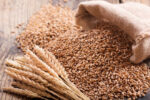
✨ Golden Perfection – Our wheat grains display a beautiful golden color, indicating optimal ripeness and superior protein content—perfect for producing fine flour with excellent baking properties.
🌾 Versatile Excellence – Whether you’re milling flour for artisan bread, producing pasta, manufacturing breakfast cereals, or creating specialty baked goods, our wheat never fails to deliver consistent results. Our wheat transforms ordinary products into culinary masterpieces, leaving your customers craving more with every bite.
🔬 Purity Guaranteed – Our wheat is carefully nurtured and harvested to ensure that only the finest grains reach your facility. Our wheat is free from GMOs, contaminants, and artificial additives. We supply pure, naturally grown wheat with all the essential nutrients—high protein content, dietary fiber, and vital minerals—to power your production line.
💯 Certified Quality – Every batch undergoes rigorous testing for moisture content, protein levels, gluten quality, and purity standards to meet international food safety regulations.
Request a quote today, and our customer service agent will respond to your email, WhatsApp, call, or message almost instantly with competitive pricing and availability.
Factors to Consider When Selecting a Wheat Supplier
1. Quality – Non-Negotiable Excellence
Quality is the number one factor you must consider when selecting a wheat supplier. If quality is compromised, you risk losing customers, damaging your brand reputation, and facing production inconsistencies. Always order sample batches to test protein content, moisture levels, and milling performance before making bulk purchases. Most importantly, choose wheat suppliers with proven track records and certifications you can count on.
2. Price – Competitive Yet Sustainable
Always consider Frutplanet for the most competitive wholesale wheat prices in the market. Remember that the lowest price is not necessarily the best value—quality, consistency, and reliability matter more than rock-bottom pricing that compromises standards.
3. Reliability – Deadlines Met, Every Time
We pride ourselves on meeting our clients’ deadlines every single time they place an order. We always deliver the exact quantities ordered by our clients, on time and in perfect condition. You can always trust us to fulfill orders as agreed—no delays, no excuses, no compromises.
4. Capacity – Never Out of Stock
With our extensive network of farms and strategic partnerships with trusted suppliers across Kenya’s wheat belt, we never run out of inventory for our clients. We maintain buffer stocks and have contingency plans to ensure continuous supply, even during peak seasons or unexpected demand surges.
5. Communication – Transparency at Every Step
Our communication system is the best in the market. Clients are assigned dedicated order managers who maintain constant communication while placing orders, facilitating delivery, and even after delivery to address any queries or concerns. You’ll always know exactly where your wheat is and when it will arrive.
Top Health Benefits of Wheat Consumption
Being a staple food for billions of people around the world, wheat provides numerous health benefits. However, it’s important to note that benefits vary depending on the type of wheat consumed (whole wheat vs. refined wheat). Below is a comprehensive list of health benefits linked to wheat consumption:
🌾 1. Sustained Energy Source
Wheat is an excellent source of complex carbohydrates, providing sustained energy release throughout the day. Unlike simple sugars, wheat-based foods keep you feeling fuller longer and maintain stable blood sugar levels.
💪 2. High-Quality Plant Protein
Wheat contains approximately 12-14% protein, including essential amino acids that support muscle development, tissue repair, and overall body function. When combined with legumes, wheat provides complete protein nutrition.
🌟 3. Rich in Dietary Fiber
Whole wheat is an exceptional source of dietary fiber, which is crucial for:
- Promoting healthy digestion
- Regulating bowel movements
- Reducing cholesterol levels
- Supporting weight management
- Preventing constipation
❤️ 4. Heart Health Champion
The fiber, antioxidants, and plant compounds in whole wheat help:
- Lower LDL (bad) cholesterol
- Reduce risk of heart disease
- Maintain healthy blood pressure
- Improve overall cardiovascular function
🩸 5. Blood Sugar Management
Whole wheat has a lower glycemic index compared to refined grains, making it beneficial for individuals managing diabetes or preventing blood sugar spikes. The fiber content slows glucose absorption into the bloodstream.
🛡️ 6. Antioxidant Powerhouse
Wheat contains beneficial antioxidants including phenolic acids, lignans, and phytic acid, which help protect cells from oxidative stress and reduce the risk of chronic diseases.
🧠 7. Essential B Vitamins
Wheat is rich in B-complex vitamins, particularly:
- Thiamin (B1) – Energy metabolism and nerve function
- Riboflavin (B2) – Cell growth and red blood cell production
- Niacin (B3) – DNA repair and hormone production
- Folate (B9) – Cell division and prenatal health
💎 8. Mineral-Rich Nutrition
Wheat provides important minerals including:
- Iron – Oxygen transport and energy production
- Magnesium – Muscle and nerve function, bone health
- Selenium – Immune system support and thyroid function
- Zinc – Wound healing and immune response
- Phosphorus – Bone and teeth strength
⚖️ 9. Weight Management Support
The high fiber content in whole wheat promotes satiety, helping control appetite and reduce overall calorie intake—perfect for those maintaining healthy body weight.
🦴 10. Bone Health Benefits
The minerals in wheat, particularly magnesium and phosphorus, contribute to strong bones and teeth, reducing the risk of osteoporosis as you age.
How Wheat Grows: From Seed to Harvest
Wheat is primarily grown in regions with suitable soil types and climatic conditions. Cultivation of wheat includes proper land preparation, strategic planting, and careful crop management throughout the growing season.
Growth Stages of Wheat:
1. Germination (7-10 days)
- Seeds absorb moisture and swell
- Radicle emerges and roots begin developing
- Coleoptile pushes through soil surface
2. Tillering (3-4 weeks)
- Multiple shoots emerge from the base
- Secondary roots develop
- Plant establishes strong foundation
3. Stem Extension (4-6 weeks)
- Internodes elongate rapidly
- Plant height increases significantly
- Flag leaf emerges (most important leaf)
4. Heading/Flowering (1-2 weeks)
- Wheat head emerges from leaf sheath
- Pollination occurs
- Critical period for moisture and temperature
5. Grain Filling (4-6 weeks)
- Kernels develop and fill with starches
- Grain weight increases dramatically
- Plant mobilizes nutrients to developing seeds
6. Ripening/Maturation (2-3 weeks)
- Grain hardens and dries
- Golden color intensifies
- Moisture content drops to 12-14%
7. Harvesting
- Combine harvesters cut and thresh wheat
- Grain is separated from chaff
- Immediate quality testing and storage
The wheat variety selected, proper crop management practices (irrigation, fertilization, pest control), and environmental factors all play significant roles in ensuring a quality and bountiful harvest.
Wheat Varieties: Choose the Right Type for Your Needs
A globally traded commodity feeding billions, wheat has numerous varieties, each with distinct characteristics, protein content, and industrial uses.
The Main Types of Wheat:
🔴 1. Hard Red Winter Wheat
- Protein Content: 10-13%
- Best For: Bread flour, all-purpose flour, rolls
- Characteristics: High protein, good gluten strength, excellent baking quality
🔴 2. Hard Red Spring Wheat
- Protein Content: 13-16%
- Best For: Artisan breads, bagels, pizza dough, premium baking flour
- Characteristics: Highest protein content, superior gluten quality, ideal for specialty baking
⚪ 3. Soft Red Winter Wheat
- Protein Content: 8-10%
- Best For: Cakes, pastries, cookies, crackers
- Characteristics: Low protein, fine texture, produces tender baked goods
⚪ 4. Soft White Wheat
- Protein Content: 8-10%
- Best For: Asian noodles, flatbreads, pastries
- Characteristics: Mild flavor, light color, tender texture
💛 5. Durum Wheat
- Protein Content: 12-15%
- Best For: Pasta, couscous, semolina
- Characteristics: Very hard kernel, amber color, highest protein quality for pasta
🟡 6. Hard White Wheat
- Protein Content: 10-13%
- Best For: Whole wheat bread, tortillas, Asian noodles
- Characteristics: Mild, sweet flavor; lighter color than red wheat
Factors Influencing Wheat Variety Selection:
- Geography & Climate – Different regions produce different wheat types
- End-Use Requirements – Baking vs. pasta vs. animal feed
- Market Demand – Consumer preferences for texture and flavor
- Growing Conditions – Water availability, temperature, soil type
- Protein Requirements – Higher protein for bread, lower for pastries
The taste, texture, and performance of wheat greatly affect the overall quality of your end products. Therefore, it’s critical that you select the appropriate wheat variety for your specific manufacturing needs and methods.
Contact Frutplanet today for expert guidance on selecting the best wheat variety for your business, with competitive wholesale rates and guaranteed quality.
Environmental Requirements for Optimal Wheat Cultivation
To ensure optimal yield and quality, specific environmental conditions must be met in wheat cultivation:
🌧️ Rainfall Requirements
- Annual Rainfall: 500-750mm (adequate but not excessive)
- Critical Periods: Moderate moisture during tillering and grain filling
- Risk Factors: Excessive rainfall during flowering causes disease; drought during grain filling reduces yield
🌡️ Temperature Requirements
- Optimal Range: 15-25°C (59-77°F)
- Germination: 4-10°C minimum
- Grain Filling: 20-25°C ideal
- Risk Factors: Frost during flowering damages crops; extreme heat (>35°C) reduces grain quality
☀️ Sunlight Requirements
- Daily Needs: 10-12 hours of bright sunlight
- Importance: Essential for photosynthesis, grain filling, and achieving high protein content
- Result: Adequate sunlight produces plump, well-developed kernels
🌱 Soil Requirements
- Ideal Soil Types: Well-drained loamy soils with good structure
- Texture: Clay-loam or sandy-loam with good water retention
- Drainage: Essential to prevent waterlogging and root diseases
- Structure: Deep soils (60-90cm) allow extensive root development
🧪 pH Requirements
- Optimal Range: pH 6.0-7.5 (slightly acidic to neutral)
- Risk Factors: pH below 5.5 causes aluminum toxicity; pH above 8.0 reduces nutrient availability
- Solution: Lime application for acidic soils; gypsum for alkaline soils
💧 Irrigation Requirements
- Purpose: Supplement natural rainfall during critical growth stages
- Methods: Drip irrigation, sprinkler systems, or furrow irrigation
- Timing: Most critical during tillering, stem elongation, and grain filling
- Water Use Efficiency: Modern techniques reduce water consumption while maximizing yield
Best Methods of Growing Wheat
Wheat is mainly cultivated using the following methods, each with distinct advantages depending on local conditions:
1. Broadcasting Method
Description: Seeds are scattered evenly across prepared fields by hand or mechanical broadcaster.
Advantages:
- Quick and simple method
- Requires minimal equipment
- Cost-effective for small-scale farmers
- Suitable for large areas
Disadvantages:
- Uneven seed distribution
- Higher seed rate required
- Difficult weed management
- Lower yields compared to precision methods
2. Drilling/Row Planting Method ⭐ RECOMMENDED
Description: Seeds are planted in rows at precise depth and spacing using seed drills.
Advantages:
- ✅ Uniform seed placement and depth
- ✅ Optimal plant population control
- ✅ Better moisture utilization
- ✅ Easier weed management between rows
- ✅ Higher yields (20-30% more than broadcasting)
- ✅ Reduced seed waste
Process:
- Land is thoroughly prepared and leveled
- Seed drills create furrows at 20-25cm spacing
- Seeds are placed at 4-5cm depth
- Soil is covered and lightly compacted
3. Zero-Tillage/Conservation Agriculture
Description: Seeds are planted directly into stubble from previous crop without plowing.
Advantages:
- Conserves soil moisture (critical in dry regions)
- Reduces labor and fuel costs
- Prevents soil erosion
- Improves soil health over time
- Faster planting (time-saving for crop rotation)
Ideal For: Areas with water scarcity, regions prone to soil erosion
4. Raised Bed Planting
Description: Wheat is planted on raised beds with furrows between them for irrigation.
Advantages:
- Superior drainage management
- 20-30% water savings
- Better root aeration
- Easier fertilizer application
- Prevents waterlogging
Ideal For: Areas with poor drainage, irrigated wheat systems
Factors Influencing Method Selection:
- Water Availability – Conservation methods for water-scarce regions
- Labor & Mechanization – Drilling requires equipment but reduces labor
- Soil Type – Raised beds for heavy clay soils
- Farm Size – Broadcasting for small farms; mechanized drilling for large operations
- Economic Resources – Initial investment vs. long-term returns
Modern Best Practice: Many progressive farmers use precision drilling with conservation tillage, optimizing both yield and sustainability.
Nutritional Profile of Wheat
For billions of people, especially in Asia, Africa, and the Middle East, wheat forms a cornerstone of nutrition and provides essential calories, proteins, and micronutrients. It’s a valuable part of a balanced diet when consumed as whole grain products.
Macronutrient Composition (Per 100g):
| Nutrient | Whole Wheat | Refined Wheat Flour |
|---|
| Calories | 340 kcal | 364 kcal |
| Carbohydrates | 72g (complex carbs) | 76g (mostly starch) |
| Protein | 13-15g | 10-12g |
| Fat | 2-3g (mostly unsaturated) | 1-2g |
| Fiber | 12-15g | 2-3g |
Micronutrient Content:
Vitamins (Whole Wheat):
- Thiamin (B1): 0.4mg – Energy metabolism
- Riboflavin (B2): 0.2mg – Cell growth
- Niacin (B3): 5-6mg – DNA repair
- Pyridoxine (B6): 0.3mg – Brain development
- Folate (B9): 40-45µg – Cell division
- Vitamin E: 1.0mg – Antioxidant protection
Minerals (Whole Wheat):
- Iron: 3-4mg – Oxygen transport
- Magnesium: 130-140mg – Muscle/nerve function
- Phosphorus: 350-400mg – Bone health
- Zinc: 3-4mg – Immune function
- Selenium: 70µg – Thyroid health
- Manganese: 4mg – Metabolism support
Key Nutritional Advantages:
✅ Complete Complex Carbohydrate Source – Provides sustained energy throughout the day
✅ High-Quality Plant Protein – Contains all essential amino acids when combined with legumes
✅ Exceptional Fiber Content – Whole wheat provides up to 15g fiber per 100g (60% of daily needs)
✅ Low Fat Content – Makes wheat ideal for weight-conscious diets
✅ Rich in Antioxidants – Phenolic acids, lignans, and phytic acid protect against oxidative damage
✅ B-Vitamin Powerhouse – Essential for energy production, nervous system health, and metabolism
✅ Mineral-Dense – Provides significant amounts of iron, magnesium, zinc, and selenium
Whole Wheat vs. Refined Wheat:
Important Note: While refined wheat products (white bread, white pasta) are the most commonly consumed, whole wheat is considered the healthiest option because:
- Retains the bran layer (rich in fiber and B vitamins)
- Preserves the germ (contains healthy fats, vitamin E, antioxidants)
- Maintains complete nutritional profile
- Provides 3-5x more fiber than refined wheat
- Delivers higher mineral content
For maximum health benefits, choose whole wheat products whenever possible.
Wholesale Wheat Prices / Bulk Wheat Pricing
Wheat wholesale prices in Kenya and around the globe are determined by a number of dynamic factors:
1. Climatic Changes & Weather Conditions 🌦️
Extreme weather events severely affect wheat productivity:
- Droughts reduce yields by up to 40-60%
- Floods damage crops and delay harvests
- Unseasonal frost kills flowering wheat
- Heatwaves reduce grain quality and protein content
Result: Reduced yields increase production costs and push wholesale prices higher.
2. Global Supply & Demand Dynamics 📊
- Population Growth: Rising global population increases wheat demand
- Dietary Shifts: Growing middle class in Asia/Africa consuming more wheat-based foods
- Supply Disruptions: Crop failures in major producing countries (Russia, USA, Canada, Australia)
- Strategic Reserves: Government stockpiling impacts market availability
Result: The demand-supply gap can significantly elevate wholesale prices during shortages.
3. Fluctuations in Input Costs 💰
Production costs are directly affected by:
- Fertilizer Prices: Nitrogen, phosphorus, potassium costs fluctuate with oil prices
- Fuel Costs: Diesel for tractors, harvesters, and transportation
- Labor Costs: Wage increases and labor shortages
- Seed Costs: Certified seed prices vary by variety
- Irrigation Costs: Electricity/diesel for pumping water
Result: Rising input costs translate directly to higher bulk wheat prices.
4. Currency Exchange Rates 💱
- Dollar Strength: Wheat is globally traded in USD; strong dollar makes imports expensive
- Local Currency Weakness: Kenyan Shilling depreciation increases import costs
- Inflation Rates: General inflation pushes all agricultural prices upward
5. Export Restrictions & Global Trade Policies 🌍
- Export Bans: Major producers (India, Russia, Ukraine) occasionally restrict exports
- Import Tariffs: Government duties on imported wheat affect prices
- Trade Agreements: Regional trade deals influence pricing
- Logistics Disruptions: Port congestion, container shortages (like during COVID-19)
Example: During the Russia-Ukraine conflict (2022), global wheat prices surged by 40-60% due to supply disruptions.
6. Quality & Variety Premiums ⭐
- High-Protein Wheat: Commands 10-20% premium over standard wheat
- Organic Wheat: 30-50% higher prices due to specialized cultivation
- Specialty Varieties: Durum wheat for pasta costs more than standard wheat
- Certification: Non-GMO, certified organic adds value
Current Market Indicators (Subject to Change):
| Quantity | Estimated Price Range (USD/MT) |
|---|
| 50kg Bag | $18-24 per bag |
| 1 Metric Ton | $350-480 per MT |
| 10+ Metric Tons | $330-450 per MT (bulk discount) |
| Container Load (20+ MT) | $310-420 per MT (best rates) |
Note: Prices vary by variety, quality, season, and market conditions. Contact Frutplanet for current competitive quotes.
Where Can I Buy Wholesale Wheat?
When it comes to buying wheat online in retail or bulk quantities, Frutplanet is your ideal supplier.
Our Delivery Network:
🚚 Local Delivery:
- Nairobi (CBD, Industrial Area, and all suburbs)
- Mombasa (Town, Port Area, and Coast region)
- Nakuru (Town and surrounding counties)
- Eldoret (Uasin Gishu, Trans-Nzoia region)
- Kisumu (Nyanza region)
- Thika, Machakos, Kiambu
- All major towns across Kenya
🌍 Regional & International Delivery:
- Uganda, Tanzania, Rwanda, Burundi, South Sudan
- Democratic Republic of Congo (DRC)
- Somalia, Ethiopia, Djibouti
- International shipping to the Middle East, Asia, and beyond
Why Choose Frutplanet for Your Wheat Supply?
✅ 24/7 Customer Service – Our dedicated team is online round-the-clock, ready to answer questions, process orders, and provide instant quotes.
✅ Competitive Bulk Pricing – Volume discounts available for large orders. The more you buy, the more you save.
✅ Flexible Payment Terms – We work with businesses of all sizes, offering payment plans for established clients.
✅ Quality Assurance – Every batch tested for moisture content, protein levels, purity, and food safety compliance.
✅ Fast Delivery – 24-hour delivery within Nairobi; 2-5 days for upcountry and regional deliveries.
✅ Custom Packaging – Bulk bags, branded packaging, or custom requirements—we accommodate your needs.
✅ Expert Guidance – Not sure which wheat variety you need? Our agricultural specialists provide free consultation.
Contact Us Today:
📱 WhatsApp: +254798799211
📞 Call: +254798799211
📧 Email: info@frutplanet.com
🌐 Website: www.frutplanet.com
Get an instant quote within minutes! Whether you need 1 ton or 100 tons, Frutplanet delivers quality wheat at unbeatable prices.
With Frutplanet, You Will Never Go Wrong.
Our wheat is the best quality in the market—consistently tested, carefully sourced, and delivered with reliability you can count on. From small bakeries to large-scale flour mills, we’re the wheat supplier that powers Kenya’s food industry.
Order your bulk wheat today and experience the Frutplanet difference! 🌾




 6 sold in last 15 hours
