Retail (Stockholm/Gothenburg)
SEK 60–100/kg
~$5.60–$9.30 USD/kg
Wholesale range (2025)
$3.99–$6.65/kg
among Europe's highest
Import price (2024)
$1.83–$2.50/kg
+rising from 2023 range
Import value (2023)
~$49 million
near-record high
Key Takeaways
- Stockholm/Gothenburg retail: SEK 60–100/kg (~$5.60–$9.30 USD/kg)
- Sweden wholesale 2025: $3.99–$6.65/kg — among Europe's highest
- Import prices rose from $1.66–$2.07/kg (2023) to $1.83–$2.50/kg (2024)
- Sweden's per-capita consumption: ~2.0–2.5 kg — top tier in Europe
- Sweden re-exports to Finland (dominant), Denmark, Netherlands
- Uganda confirmed as a direct import origin (Feb 2025 transaction)
Sweden: One of Europe's Premium Avocado Markets
Sweden sits at the top of the European avocado pricing spectrum. A country of 10 million people with relatively high disposable incomes, a strong health-food culture, and a premium retail infrastructure, Sweden consistently records some of the highest wholesale and retail avocado prices on the continent. At SEK 60–100 per kilogram at retail, Swedish consumers pay substantially more per avocado than their counterparts in France, Germany, or even the Netherlands.
This premium pricing is not simply a function of distance from origin. It reflects a layered combination of structural factors: the SEK/EUR exchange rate that makes all imported products more expensive in Swedish krona terms; Sweden's high labour costs that flow into retail overhead and margins; the premium positioning of avocado in Swedish food culture, where health and wellness products command price premiums that commodities cannot; and the logistics complexity of reaching Scandinavia from the Dutch redistribution hub that supplies most of northern Europe.
Despite the premium pricing, Sweden's avocado market has maintained strong growth through the 2010s and into the 2020s. The 2015–2016 period was the market's most explosive growth phase — imports surged from approximately $52 million to $63 million as the avocado trend took hold among Swedish millennials. The 2023 import value of approximately $49 million represents a near-record high for the recent period, reflecting sustained demand even at premium price points.
$49MSweden avocado import value (2023)
2.5 kgEstimated per-capita consumption — top European tier
$6.65/kgSweden wholesale price ceiling (2025)
FinlandSweden's #1 avocado re-export destination
Avocado Prices in SEK: Understanding the Retail Range
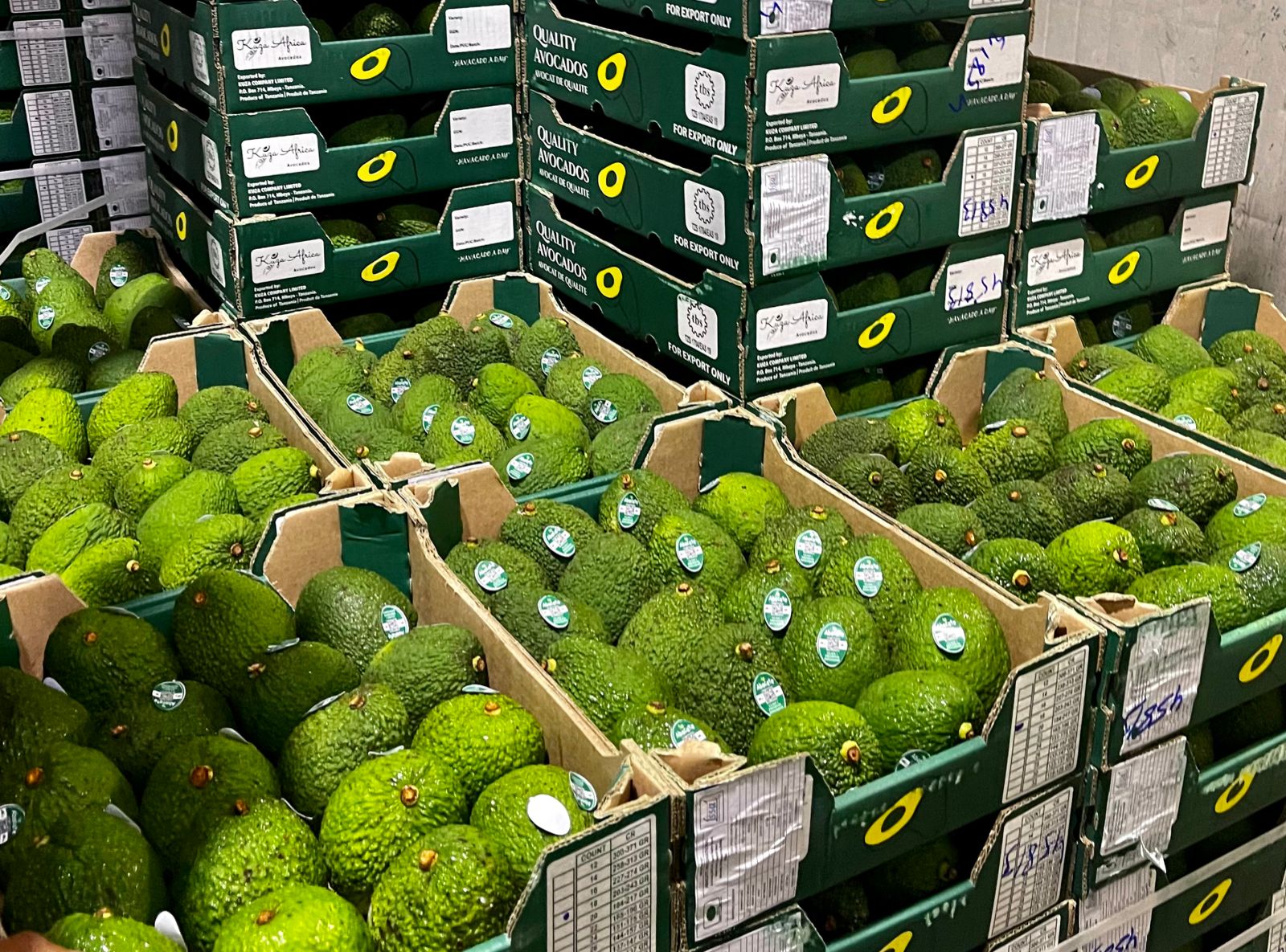
Swedish retail avocado pricing is denominated in Swedish Kronor (SEK) — a currency that has weakened considerably against the euro and US dollar in recent years, making all imported produce more expensive for Swedish consumers in real terms. The retail range of SEK 60.49–100.82 per kilogram in Stockholm and Gothenburg translates to approximately $5.60–$9.30 USD/kg at mid-2025 exchange rates — a premium of 30–60% above equivalent Western European markets.
In practical terms, a single regular Hass avocado in Sweden weighs approximately 200–250g and costs between SEK 8 and SEK 20 depending on the retailer and whether promotional pricing applies. Lidl Sweden's promotional pricing pushes below SEK 8 each during peak season deals. At premium retailers like Hemköp in Stockholm's higher-income suburbs, a standard Hass can cost SEK 18–22 each, and organic avocados push to SEK 30+.
The SEK pricing context matters for international buyers and exporters because Sweden is priced in a currency that adds a layer of uncertainty to what any imported product ultimately costs Swedish consumers. When the SEK weakens — as it has done through much of 2022–2024 — Swedish retailers face a choice between absorbing currency-driven cost increases or passing them to consumers. Given Sweden's highly competitive supermarket environment, the tendency has been for retailers to absorb some of the currency pressure, which compresses their margins on imported produce.
SEK 60–100Retail per kg (Stockholm/Gothenburg)
$5.60–$9.30USD equivalent at current SEK rate
€5.20–€8.60EUR equivalent retail range
SEK 8–20Typical single avocado price range
Why the SEK exchange rate matters for avocado buyers: Sweden uses the Swedish Krona (SEK), not the Euro. International avocado trade is priced in EUR or USD. When SEK weakens against EUR — as it has done notably since 2021 — the same EUR-denominated wholesale price translates to more SEK, which must be recovered through retail pricing or absorbed by importers. Sweden's avocado price premium versus Germany or France is partly structural (logistics, labour, VAT) and partly currency-driven. As the SEK fluctuates, Swedish avocado retail prices move accordingly — making Sweden's market more price-volatile than Euro-zone markets for SEK-denominated consumers.
Swedish Supermarket Avocado Price Comparison

Sweden's supermarket landscape is dominated by two large groups — ICA (Sweden's largest retailer) and Axfood (owner of Willys and Hemköp) — supplemented by Coop, the Lidl and Aldi hard discount operators, and specialist food retailers. Each occupies a distinct pricing tier in the avocado market.
🛒
Lidl Sweden
SEK 7–10 each
Cheapest avocados in Sweden
🛒
Willys (Axfood)
SEK 8–12 each
Swedish value leader — budget focus
🛒
ICA Maxi / Kvantum
SEK 10–16 each
Sweden's largest group — mid-market
🛒
Coop
SEK 10–15 each
Co-operative — competitive mid-range
🛒
Hemköp (Axfood)
SEK 14–22 each
Premium urban — strong organic range
🌿
Citygross / Organic specialist
SEK 20–35+ each
Premium & organic — highest price tier
ICA's dominance in Swedish grocery retail — it commands approximately one-third of the total market — means that ICA's avocado pricing strategy sets the de facto reference price for mainstream Swedish consumers. ICA operates several store formats with different pricing profiles: ICA Nära (neighbourhood convenience, highest prices), ICA Supermarket (mid-range), ICA Kvantum (hypermarket, more competitive), and ICA Maxi (largest format, most competitive). The range within ICA's own formats can see avocado prices varying by 30–40% from a neighbourhood ICA Nära to a suburban ICA Maxi.
Willys is Sweden's most important value-focused domestic chain and plays a role similar to Biedronka in Poland or Mercadona in Spain — a high-volume, low-margin operator that uses competitive fresh produce pricing to drive footfall. Willys' avocado promotions are a consistent weekly feature that attracts price-conscious Swedish consumers and keeps the lower end of the market anchored at competitive rates despite Sweden's overall premium price environment.
Wholesale and Import Avocado Prices in Sweden
Sweden's wholesale avocado price range of $3.99–$6.65 per kilogram (2025 data) is among the widest and highest in Europe — reflecting both the premium positioning of the Swedish market and the significant variation between discount-tier supply and premium organic product that the wholesale range must accommodate.
| Price Level | SEK/kg | USD/kg | Period | Notes |
|---|
| Import price low (2023) | SEK 17–18/kg | $1.66–$2.07/kg | Full year 2023 | Tridge transaction data |
| Import price 2024 | SEK 19–26/kg | $1.83–$2.50/kg | Full year 2024 | Rising YoY trend confirmed |
| Nov 2025 transactions | SEK 22–31/kg | $2.07–$2.95/kg | Nov 17, 2025 | 4 transactions in single day |
| Wholesale range (2025) | SEK 42–70/kg | $3.99–$6.65/kg | Full year 2025 | Market price data |
| Retail range (Stockholm) | SEK 60–100/kg | $5.60–$9.30/kg | Current market | Market price data
The most revealing data point in Sweden's avocado price series is the gap between import price and wholesale price. Sweden imported avocados at $1.83–$2.50/kg in 2024, yet the 2025 wholesale range sits at $3.99–$6.65/kg — a 2–3× markup from import to wholesale that is substantially wider than the equivalent markups in the Netherlands (35–45%) or Germany (40–50%). This extraordinary margin reflects the long and expensive supply chain between Rotterdam and Swedish end buyers, plus the premium positioning that allows Swedish wholesalers to maintain higher margins than their Western European counterparts.
Why Sweden's wholesale-to-import margin is so wide: Swedish avocados typically travel Rotterdam → Hamburg → Gothenburg or Stockholm. Each logistics step adds cost. Swedish port handling is more expensive per unit than Rotterdam. Swedish cold chain infrastructure adds cost. Swedish importer margins reflect a market where competition is less intense than in Germany or the Netherlands — fewer importers compete for Swedish business, allowing higher wholesale margins. The SEK/EUR rate amplifies all of these costs in SEK terms. Together, these factors explain how a $2.00/kg CIF import price becomes a $5.00/kg wholesale price in Sweden.
Avocado Price by Channel in Sweden
🥑 Sweden Avocado Price Per Kg by Channel (SEK and USD equivalent)
Import (CIF Sweden)
~SEK 20–27
Swedish wholesale
~SEK 42–70
Discount (Lidl/Willys)
~$3.70–$5.30
ICA / Coop mainstream
~$5.30–$8.50
Hemköp / premium
~$7.40–$10.60
Organic specialist
~$10.60–$14.80
Why Sweden Pays a Premium Compared to Other European Markets

Sweden's elevated avocado prices relative to the European average are not accidental — they are the predictable output of several structural forces operating simultaneously. Understanding each factor helps demystify why a product that costs €3.50/kg at a Paris supermarket might cost SEK 80/kg (roughly €7.40/kg equivalent) at a Stockholm ICA.
Extended Supply Chain to Scandinavia
Most avocados reaching Sweden travel via Rotterdam, then north through Germany and Denmark or directly by sea to Gothenburg. Each additional logistics step beyond Rotterdam — where the European wholesale price is set — adds transport cost, handling cost, and transit time. The Rotterdam-to-Stockholm truck route is approximately 1,500 km, substantially longer than Rotterdam-to-Paris (500 km) or Rotterdam-to-Brussels (200 km). This distance premium is real and significant — adding approximately €0.30–0.60/kg in road freight costs versus destinations in Western Europe.
SEK Weakness Against EUR and USD
The Swedish krona has depreciated against both the euro and the US dollar over the 2021–2024 period. Since avocado wholesale prices in Europe are denominated in EUR, a weaker SEK means every EUR of import cost translates to more SEK at retail. A 10% SEK depreciation against EUR adds approximately 10% to the SEK-equivalent retail price of imported avocados — all else equal. Swedish consumers have experienced this currency effect directly in rising avocado prices even when underlying EUR wholesale prices remained stable.
Sweden's High Labour and Retail Operating Costs
Swedish labour costs are among the highest in Europe. Supermarket staff wages, cold chain logistics workers, and distribution centre employees all earn at Swedish market rates — substantially above the equivalent rates in Poland, Germany, or Spain. These labour costs flow into retail overhead and are recovered through product margins. Fresh produce is particularly labour-intensive (daily handling, display, replenishment, waste management) and therefore absorbs more labour cost per unit than shelf-stable grocery items.
VAT and Swedish Food Taxation
Sweden applies a 12% VAT rate to food products including fresh avocados. This is lower than Sweden's standard VAT rate of 25% but still adds materially to consumer-facing prices compared to zero-rated food VAT regimes. The 12% food VAT is built into all Swedish retail avocado pricing and represents a meaningful component of the gap between Swedish retail prices and pre-tax wholesale costs.
The premium position can be an opportunity: For avocado exporters, Sweden's premium pricing environment means that quality-focused supply commands better returns than in Germany or France. Swedish consumers and retailers are accustomed to paying premium prices for certified, traceable, high-quality produce. GlobalG.A.P.-certified Kenyan Hass avocados — with their documented traceability and competitive origin pricing — can compete effectively in the Swedish market during the February–June East African export window, offering Swedish importers quality East African supply at a price point that maintains their margins despite Sweden's expensive logistics and currency overhead.
Where Sweden's Avocados Come From
Sweden imports avocados from multiple origins across the year, relying primarily on the Dutch redistribution system to provide year-round supply continuity. However, direct import transactions are documented for several origins that bypass the Dutch hub.
| Origin | Route to Sweden | Peak Season | Import Price Tier | Market Role |
|---|
| Peru | Via Netherlands → Sweden | Jun–Sep | $1.80–$2.80/kg FOB | Dominant summer supply origin |
| Spain | Direct road + via Netherlands | Nov–Apr | $2.80–$3.40/kg | Winter freshness — road transit |
| South Africa | Via Netherlands | Apr–Aug | $2.30–$3.20/kg | Counter-seasonal supplement |
| Kenya | Air/sea direct & via Netherlands | Feb–Jun | $2.00–$3.00/kg | Spring quality supply — growing |
| Uganda | Direct import confirmed | Feb 2025 | Competitive | Confirmed Feb 2025 transaction |
| Colombia / Morocco | Via Netherlands | Variable | $2.00–$3.00/kg | Gap-filler between major seasons |
The confirmed February 2025 Uganda-to-Sweden direct import transaction is commercially significant. Uganda is an emerging East African avocado exporter, and the fact that a direct Uganda-Sweden shipment occurred — bypassing the Dutch hub — indicates that Swedish importers are actively exploring alternative sourcing channels. Uganda's Hass avocados, grown in the high-altitude regions of Mount Elgon and surrounding areas, have been gaining recognition for quality attributes that can compete with more established East African origins in European premium retail channels.
Kenya's role in Swedish supply is growing alongside Uganda's emergence. Kenya remains Africa's leading avocado exporter and its February–June export window aligns well with Sweden's spring supply transition — the period when Spanish winter supply is ending and Peruvian summer supply hasn't yet reached full volume. FrutPlanet's GlobalG.A.P.-certified Kenyan Hass avocados reach Swedish importers with the full KEPHIS phytosanitary documentation required for EU import compliance, at competitive origin pricing that allows Swedish importers to maintain viable margins despite the country's expensive domestic supply chain.
Sweden's Re-Export Role: Supplying Finland, Denmark, and Beyond

Sweden is not simply an avocado consumer. It is also a significant re-exporter within the Nordic region, supplying avocados to smaller Scandinavian and Baltic markets that cannot support direct container-load import operations of their own. The most commercially significant re-export destination is Finland.
IndexBox data confirms that Finland is the dominant destination for Swedish avocado re-exports, receiving approximately four times the volume sent to the second-largest destination Denmark. The Netherlands is a third re-export destination — reflecting the same pattern seen in Belgium and Poland, where avocados are occasionally reprocessed, repackaged, and exported back to the Dutch distribution system from which they originally came.
Sweden's re-export role positions it as the de facto avocado distribution hub for the Nordic and Baltic region in a manner analogous to the Netherlands' role for all of Europe. Swedish wholesale operators who import avocados via Rotterdam and the German transit corridor are not just supplying Swedish retailers — they are often supplying Finnish, Norwegian (via border trade), and Estonian buyers who depend on Swedish distribution infrastructure for their avocado supply.
Norway as an informal Swedish supply adjacency: While Norway is not an EU member and has its own import regime, the proximity of Norwegian cities to Swedish distribution infrastructure means that Norwegian avocado supply is often partially dependent on Swedish wholesale channels. Oslo is approximately 520 km from Gothenburg — well within Swedish wholesale operators' distribution radius. The informal but commercially significant Norwegian market adjacency adds to the effective distribution footprint that Swedish avocado importers serve, making Sweden's avocado import volumes slightly larger than pure domestic consumption data would suggest.
Seasonal Avocado Price Patterns in Sweden
📅 Sweden Avocado Price Seasonality — Monthly Overview
Jan
Feb
Mar
Apr
May
Jun
Jul
Aug
Sep
Oct
Nov
Dec
Peak import season — best availability & competitive prices
Good supply — moderate pricing
Transitional — variable supply
Tight supply — elevated prices
Sweden imports the bulk of its avocados during summer months — June through August — from Southern Hemisphere countries, principally Peru. This summer peak aligns with the standard Northern European supply calendar driven by the Dutch redistribution system, which is itself driven by Peru's export season. During this summer window, Swedish wholesale prices are most competitive and promotional retail activity at Lidl, Willys, and ICA is most frequent.
The January–February and October–December periods are Sweden's most supply-constrained windows. The geographic remoteness of Sweden from Western European supply centres, combined with reduced import volumes during Northern Hemisphere off-season months, creates the tightest pricing conditions of the year. The November 2025 transaction data showing import prices of $2.07–$2.95/kg across multiple transactions on a single day (November 17) reflects this high-price period — importers were paying at the upper end of the year's import range to secure supply during a constrained season.
For Swedish food service operators and professional buyers, the practical implication is straightforward. Procurement contracts signed during the July–August peak season — when supply is most abundant and prices most competitive — lock in cost structures for programmes that extend into the more expensive autumn and winter months. Spot purchasing during October–December consistently produces the least favourable pricing outcomes in the Swedish avocado market.
How to source avocados for Sweden at better cost: The most effective cost reduction strategy for Swedish commercial buyers is establishing direct supply relationships with East African exporters during the February–June window when Kenya and Uganda offer competitive origin pricing that — even with air freight to Stockholm — can match or beat Dutch-routed product on quality-adjusted per-kg cost. FrutPlanet's Kenyan Hass avocados reach Stockholm with full EU compliance documentation and offer Swedish importers the opportunity to diversify supply beyond the Dutch redistribution chain during a period when that chain is most expensive.
Frequently Asked Questions: Avocado Price in Sweden
What is the price of avocado per kg in Sweden?
Retail avocado prices in Stockholm and Gothenburg range from SEK 60.49 to SEK 100.82 per kilogram (~$5.60–$9.30 USD/kg). Single avocados cost SEK 8–22 each depending on retailer and size, with Lidl and Willys promotional pricing below SEK 10. The 2025 wholesale price range is $3.99–$6.65/kg. Import prices have risen from $1.66–$2.07/kg (2023) to $1.83–$2.50/kg (2024). Sweden's prices are among Europe's highest, reflecting extended supply chain logistics, SEK currency effects, high labour costs, and 12% food VAT.
Why are avocados so expensive in Sweden?
Sweden's premium avocado prices reflect: (1) Extended logistics from Rotterdam adding €0.30–0.60/kg vs Western European destinations; (2) SEK weakness against EUR and USD increasing import costs in Swedish krona terms; (3) High Swedish labour costs built into retail overhead; (4) 12% Swedish food VAT adding to consumer prices; (5) Less competitive wholesale market vs Netherlands/Germany allowing higher importer margins. The combination of these structural factors explains why Sweden's retail prices run 30–60% above equivalent Western European markets.
Which Swedish supermarket has the cheapest avocados?
Lidl Sweden and Willys (Axfood) consistently offer the lowest prices — typically SEK 7–12 each. ICA Maxi and ICA Kvantum are competitive mid-range at SEK 10–16. Coop prices similarly at SEK 10–15. Hemköp (premium Axfood chain) and Citygross serve the upper end at SEK 14–35+ depending on organic certification. Organic specialists in Stockholm price premium organic avocados at SEK 30–40+.
Where does Sweden import avocados from?
Sweden imports primarily through the Dutch redistribution chain, which supplies avocados from Peru (dominant summer), Spain (winter), South Africa (spring counter-seasonal), Kenya (Feb–Jun), Colombia, Morocco, and Israel. A direct Uganda-to-Sweden import was confirmed in February 2025. November 2025 import transactions show prices of $2.07–$2.95/kg. Sweden imports peak volumes June–August from Southern Hemisphere origins via the Rotterdam-Stockholm supply route.
How does Sweden's per-capita avocado consumption compare to Europe?
Sweden is among Europe's top per-capita avocado consumers. CBI data places European average consumption at 1.7 kg per capita in 2024. Scandinavian markets consistently exceed this, with Sweden estimated at 2.0–2.5 kg annually — placing it in the top tier alongside Norway, Denmark, and Finland. Sweden's health-conscious food culture, early adoption of the avocado trend (2015–2016 surge), and premium retail infrastructure support high consumption rates despite elevated prices.
Does Sweden re-export avocados to other countries?
Yes. Sweden re-exports avocados to Finland (dominant destination — 4× the volume of second-largest market Denmark), Denmark, and the Netherlands. This reflects Sweden's role as the Nordic region's avocado distribution hub. Finland particularly depends on Swedish distribution infrastructure for avocado supply. Sweden exported approximately 369 tonnes of avocados in 2020, worth $2.33 million in 2019 value terms, with exports primarily to Nordic neighbours.
