
Basil Processing: Commercial Methods, Post-Harvest Techniques & Export Standards
Everything food buyers, processors, and exporters need to know about turning freshly harvested basil into shelf-stable, export-ready products — without sacrificing flavour.
- IQF freezing retains the most volatile flavour compounds
- Cold vs hot processing affects both taste and shelf life
- Harvesting window critically impacts essential oil yield
- HACCP & GlobalG.A.P. are baseline export requirements
- Genovese basil dominates commercial paste production
- Basil paste shelf life reaches 3–4 months at 0–4°C
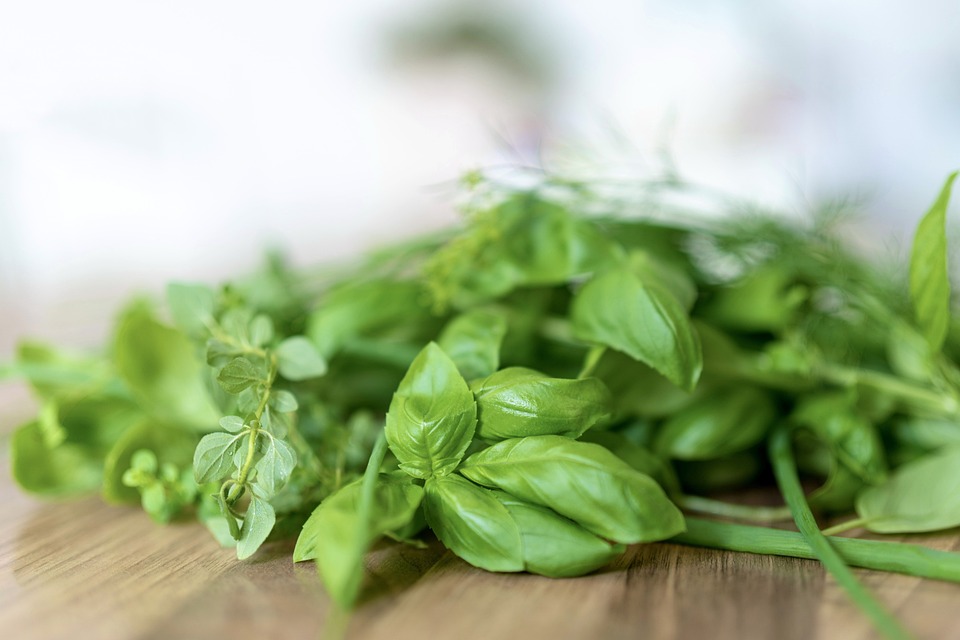
Fresh-cut basil awaiting processing — quality at this stage directly determines the final product's flavour and shelf life.
Basil is one of the world's most traded culinary herbs. But fresh basil has a notoriously short shelf life — leaves begin to oxidise, wilt, and blacken within days of harvest. For exporters, food manufacturers, and large-scale buyers, that presents a fundamental challenge.
Commercial basil processing solves that problem. It transforms a highly perishable crop into a range of shelf-stable, high-value products: frozen leaf, dried basil, paste, puree, and essential oil. Each method preserves a different aspect of the herb — aroma, flavour intensity, colour, or bioactive content — and each serves a distinct industrial or culinary end use.
Understanding these methods is not just academic. For a procurement manager sourcing bulk herb, a food manufacturer formulating a sauce, or an exporter building a product line, choosing the right processing approach determines product quality, cost structure, and market access.
This article breaks down every major commercial basil processing method — what each involves, how it affects the final product, which varieties perform best, and what standards international buyers expect before placing an order.
Why Post-Harvest Processing Is Critical for Basil
Fresh basil bruises easily. The enzyme polyphenol oxidase (PPO) triggers rapid browning the moment cell membranes are disrupted — whether by cutting, handling, or temperature fluctuation. This is not just a visual problem. Enzymatic activity also degrades linalool, eugenol, and methyl chavicol — the volatile aromatic compounds that define basil's flavour signature.
Add to that basil's sensitivity to chilling injury. Unlike most produce, fresh basil cannot be stored near 0°C without sustaining cellular damage. It prefers 12–16°C for short-term holding, a temperature range that naturally limits storage duration to just a few days.
Commercial processing interrupts these decay pathways. By applying heat, cold, dehydration, or extraction at the right moment, processors lock in quality at its peak — extending usable life from days to months or years.
The timing of processing after harvest is therefore non-negotiable. The best operations move basil from the field to the processing line within two to four hours of cutting. Any delay at ambient temperature represents compounding flavour loss.
Harvesting Practices That Set Up Processing Success
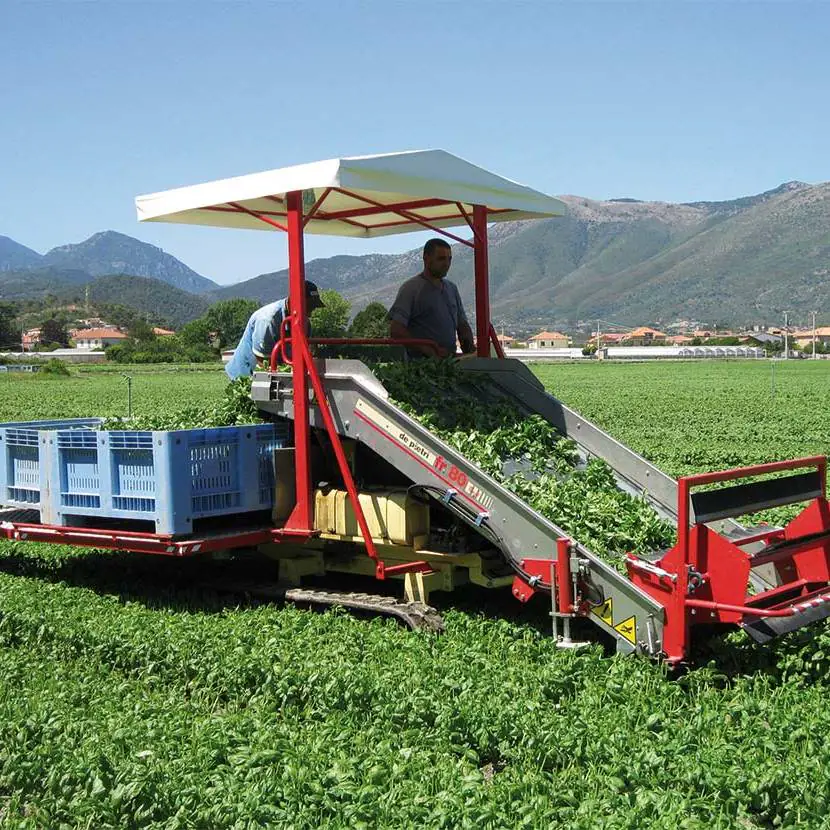
Commercial basil is typically machine-harvested at the 12–15 cm growth stage, with precision timing critical for maintaining essential oil concentration.
In commercial operations, basil is machine-harvested — a harvester cuts the upper 12–15 cm of the plant while a trailer runs alongside to collect the biomass. Two workers typically manage this process: one operating the harvester, one driving the trailer.
Harvest timing within the day matters significantly. Many quality-focused growers harvest at night or in the early morning. Lower temperatures at this time slow enzymatic activity, reduce water stress on the plant, and preserve aromatic compound concentration. Afternoon harvesting in peak heat consistently results in lower essential oil yields and faster post-harvest degradation.
The growth stage at harvest also shapes processing outcomes. Basil harvested pre-flowering tends to be higher in linalool — the compound associated with sweet, floral top notes. Post-flowering material shifts toward methyl chavicol (estragole), producing a more anise-forward profile. Commercial processors specify harvest stage based on the flavour target of the end product.
Commercial Basil Post-Harvest Flow
Cleaning, Sorting, and Washing: The Foundation of Quality
Before any processing method is applied, basil passes through a multi-stage cleaning sequence. This stage is where food safety and final product quality diverge based on operational standards.
Sorting removes foreign matter, weeds, over-mature leaves, and damaged stems. In high-volume operations, this is done by a combination of conveyor inspection and optical sorters. Hand-sorting remains common in smaller operations and for premium grades.
Washing is typically done in multiple water baths, often with potable water containing a food-approved sanitising agent — commonly sodium hypochlorite at low concentrations, or peracetic acid solutions in organic-certified lines. The goal is to reduce surface bacterial load to acceptable levels without affecting leaf integrity.
After washing, rapid drying of the leaf surface is critical. Excess surface water accelerates browning in frozen product, reduces oil yield in distillation, and causes clumping in dehydrated basil. Centrifugal driers or forced-air systems are standard at this stage.
Overview of Commercial Basil Processing Methods
Four major processing pathways exist at commercial scale. Each serves a distinct market and preserves a different quality dimension of the herb.
IQF Freezing
Individual Quick Freezing preserves fresh colour, aroma, and cell structure. Best for food-service and retail use.
Air & Freeze Drying
Dehydration extends shelf life to 12–24 months. Reduces weight and volume for long-distance shipping.
Paste & Puree
Minced basil in oil — the backbone of industrial pesto, sauces, and marinades. Available cold or hot processed.
Essential Oil
Steam distillation extracts concentrated aromatic compounds for food flavouring, cosmetics, and pharmaceuticals.
IQF Freezing: Preserving the Living Character of Fresh Basil
IQF-processed basil leaves — each leaf frozen individually to prevent clumping and preserve aromatic integrity at scale.
Individual Quick Freezing (IQF) is widely regarded as the gold standard for preserving fresh basil's sensory profile. In an IQF tunnel, basil passes through a blast of ultra-cold air — typically between −30°C and −40°C — which freezes each leaf individually within minutes.
The speed of freezing is the critical differentiator. Slow freezing allows large ice crystals to form within the cell walls, rupturing them and producing a mushy, waterlogged product on thawing. IQF's rapid freeze creates small, uniform ice crystals that leave cell structure largely intact.
Before entering the IQF tunnel, many processors briefly blanch the basil in hot water or steam. Blanching deactivates PPO — the enzyme responsible for blackening — without fully cooking the leaf. A controlled blanch of 5–15 seconds at 90–95°C, followed by an ice-water quench, significantly extends frozen shelf life and maintains the vivid green colour buyers expect.
IQF basil can be produced as whole leaves, chopped leaf, or separated leaf and stem, depending on customer specifications. It is typically packed in polyethylene bags within corrugated outer boxes, stored at −18°C, and has a commercial shelf life of 18–24 months.
The major market for IQF basil is the food manufacturing sector — pasta sauce producers, frozen ready-meal manufacturers, pizza topping suppliers, and foodservice distributors. Because IQF basil can be used directly from frozen with minimal handling, it reduces kitchen labour and delivers consistent flavour dosing in production environments.
Air Drying and Freeze Drying: Shelf Life Without the Cold Chain
Dried basil offers a fundamentally different value proposition to IQF: no cold chain dependency, extreme reduction in weight and volume, and shelf life measured in years. These characteristics make it ideal for retail consumer spice products, seasoning blends, soup mixes, and snack flavouring applications.
Conventional air drying uses forced-air conveyor dryers operating between 40°C and 55°C. Lower temperatures preserve more volatile aromatics but require longer drying times. Higher temperatures speed throughput but degrade top notes and can shift the flavour profile toward a harsher, more cooked character.
Freeze drying removes moisture through sublimation under vacuum — the water passes directly from ice to vapour without going through the liquid phase. This preserves cell structure and retains a significantly higher proportion of volatile compounds compared to air drying. The result is a dried basil with noticeably more aroma intensity and a colour closer to fresh leaf.
The trade-off is cost. Freeze-drying equipment and energy requirements make this the most expensive dehydration method by a significant margin. Its use is concentrated in premium food product lines, pharmaceutical applications, and specialty seasoning blends where flavour intensity justifies the price premium.
Processing insight: Moisture content in dried basil must reach below 10% — and ideally below 7% — to inhibit mould growth and ensure stable shelf life. Packaging in nitrogen-flushed, moisture-barrier pouches further extends quality retention during distribution and storage.
Basil Paste and Puree: The Industrial Backbone of Pesto Production
Basil paste is the dominant processed form in European food manufacturing. Italy alone consumes millions of kilograms of processed basil paste annually in the production of commercial pesto, ready sauces, fresh pasta toppings, and marinades.
Production begins with washed, sorted basil leaf being fed through industrial mincers or disc mills that reduce the material to a coarse puree — typically cut to a particle size of 2–5 mm or 5–7 mm depending on the application specification. Olive oil, and sometimes salt, are incorporated during or after mincing to coat the cell surfaces, reduce oxidation exposure, and create a stable emulsified paste.
Cold Processing vs Hot Processing
Cold processing preserves fresh aromatic notes best. The entire sequence — mincing, oil incorporation, filling — is conducted at temperatures below 10°C. The result is a paste with a bright, vivid flavour closely resembling fresh leaf. Shelf life at 0–4°C is 3–4 months.
Hot processing applies a heat treatment step to reduce bacterial load, extend shelf life, and lower reliance on added salt. The trade-off is thermal degradation of the most volatile aroma compounds. Hot-processed basil paste suits applications where shelf life and food safety margins outweigh the need for fresh aromatic intensity — for example, in long-life bottled sauces or institutional catering.
Paste is typically packed in aseptic food-grade bags ranging from 20 kg to 1,000 kg formats, sealed in steel or plastic drums, and stored under refrigeration. This format suits food manufacturers who need bulk volumes with consistent quality and easy dosing.
Basil Essential Oil: Steam Distillation for High-Value Markets
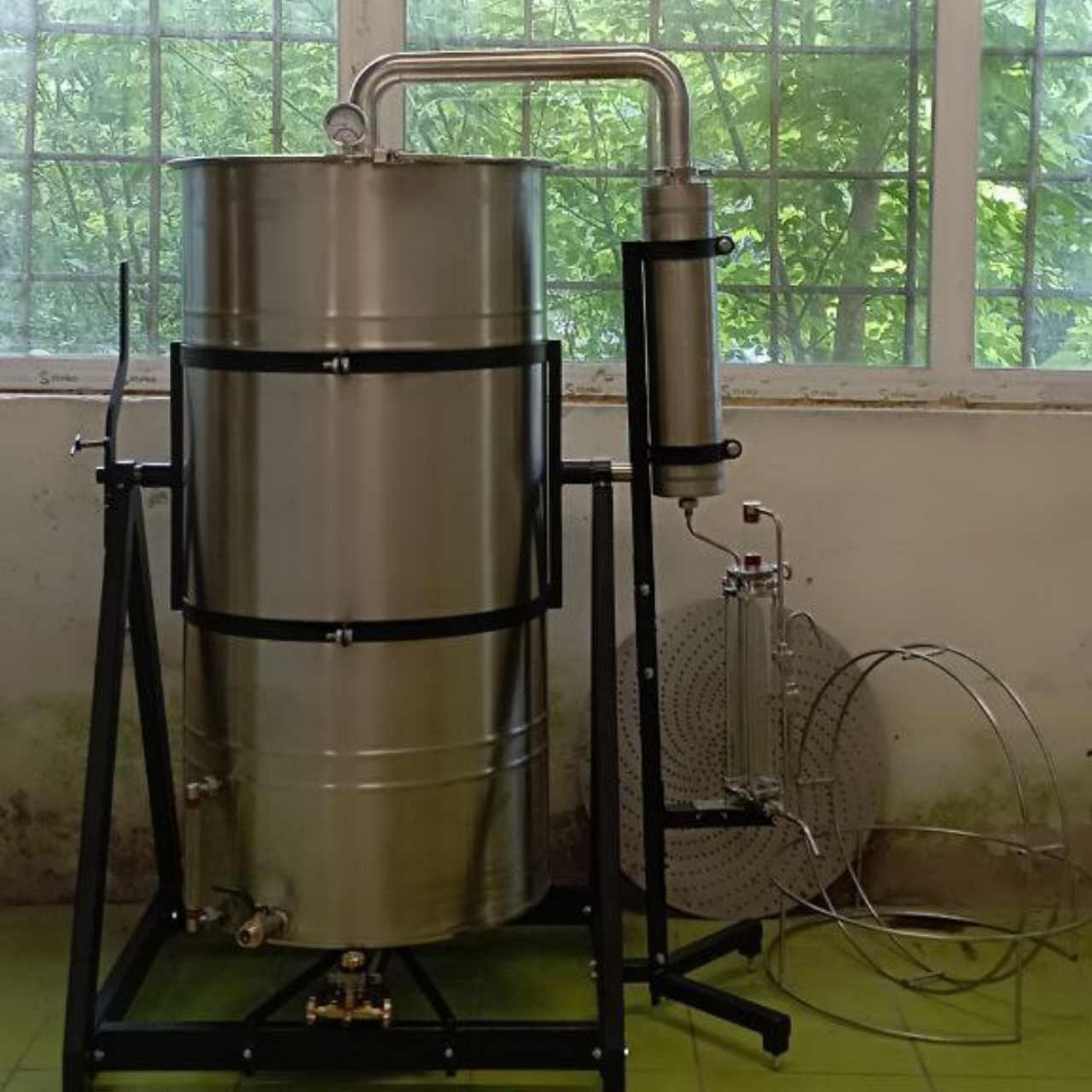
Steam distillation extracts concentrated basil essential oil — valued in food flavouring, natural cosmetics, and pharmaceutical formulation.
Steam distillation is the standard method for extracting basil essential oil at commercial scale. Steam is passed through a charge of fresh or partially wilted basil biomass, volatilising the aromatic compounds. The steam-and-oil vapour is then condensed and collected, with the essential oil separating naturally from the water layer due to density differences.
Yield from fresh basil biomass is relatively low — typically 0.5–1.0% by weight. This low yield, combined with the volume of raw material required, means essential oil distillation is economically viable primarily at large farm or cooperative scale, or when integrated with a fresh-herb processing operation that generates significant biomass.
Variety selection strongly influences the chemical profile of the extracted oil. Egyptian basil tends toward high methyl chavicol (estragole). French Réunion-type basil is prized for high linalool content, producing a sweet, floral oil preferred in European fragrance and food flavouring applications. Thai basil yields an oil rich in eugenol with a clove-like character valued in Asian spice formulation.
Basil essential oil commands a substantial market premium over dried or frozen basil. Major buyers include food flavour houses, natural cosmetics manufacturers, and Ayurvedic and herbal medicine producers. Shelf life is up to three years with correct storage in cool, dark, sealed glass or aluminium containers.
Packaging, Cold Chain, and Shelf Life by Processing Method
| Processing Method | Shelf Life | Storage Temp | Typical Pack Format | Primary Market |
|---|---|---|---|---|
| IQF Whole Leaf | 18–24 months | −18°C | PE bags in corrugated box | Food Mfg |
| Freeze Dried | 24–36 months | Ambient (cool, dry) | N₂-flushed foil pouches | Retail Premium |
| Air Dried | 12–24 months | Ambient (cool, dry) | Sealed LDPE / foil bags | Spice Trade |
| Cold Paste | 3–4 months | 0–4°C | Aseptic bags 20–1,000 kg | Sauce Mfg |
| Hot Paste | 6–12 months | 0–4°C / ambient | Aseptic bags / glass jars | Catering |
| Essential Oil | 24–36 months | Cool, dark, sealed | Glass / aluminium drums | Flavour & Pharma |
Food Safety Standards and Quality Certifications for Export
Commercially processed basil destined for export markets must meet a rigorous set of food safety standards. These requirements exist at multiple levels — farm, processing facility, and finished product — and differ somewhat by destination market.
HACCP (Hazard Analysis and Critical Control Points) is the foundational framework for food safety in basil processing operations. It requires formal identification of biological, chemical, and physical hazards at each production stage, with defined critical control points, monitoring procedures, and corrective action protocols.
GlobalG.A.P. certification covers production practices at the farm level — verifying responsible use of crop protection products, water quality management, worker welfare, and traceability. For basil exported to EU markets, meeting EU Maximum Residue Level (MRL) regulations for pesticide residues is non-negotiable.
ISO 22000 provides an internationally recognised standard for food safety management systems applicable to processing facilities. Organic certifications — from EU Organic, NOP (USDA), or equivalent bodies — are increasingly required by buyers in Western European and North American premium grocery channels.
Export to the EU: Basil exporters supplying the European Union should be familiar with TRACES NT — the EU's electronic platform for tracking and certifying consignments of plants and plant products at border inspection posts. KEPHIS-registered exporters in Kenya work within this framework for all EU-bound herb consignments.
Basil Processing for Export: What International Buyers Look For
International buyers — whether food manufacturers, importers, or retail distributors — have become increasingly specification-driven. A price-competitive offer without accompanying documentation rarely secures a commercial relationship.
Specification sheets for processed basil should clearly document moisture content, microbial count results (Total Plate Count, Yeast & Mould, Salmonella absence, E.coli absence), heavy metal analysis, pesticide residue panel, particle size distribution (for paste), and volatile oil content where applicable.
Consistent supply volume matters as much as quality. Buyers building industrial recipes need assurance that next season's basil paste will deliver the same flavour profile and specification as this season's. Producers who invest in controlled cultivation — standardised varieties, irrigation management, consistent fertilisation protocols — are better positioned to deliver on this demand.
Traceability is now a baseline expectation. Field-to-facility traceability systems, lot coding, and retention sampling allow buyers to investigate and respond to quality complaints swiftly. This capability directly affects a supplier's ability to maintain long-term buyer relationships in competitive markets like Europe and the Gulf.