
Macadamia Nuts Price Per Kg: Current Rates & Smart Buying Strategies
Navigate macadamia pricing confidently with real market rates, quality-based comparisons, and proven tactics to secure the best value for your bulk orders
Understanding macadamia nut pricing empowers smarter purchasing decisions. Prices fluctuate based on multiple factors beyond simple supply and demand. Quality grades, kernel sizes, processing methods, and purchase volumes all significantly impact your per-kilogram cost.
The global macadamia market presents distinct pricing tiers. Premium whole kernels command top dollar. Commercial-grade nuts offer substantial savings. Broken pieces provide budget-friendly options for specific applications.
Smart buyers recognize that lowest price doesn't always mean best value. Balancing quality requirements against budget constraints requires understanding what drives pricing variations. Knowledge transforms confusion into confident procurement.
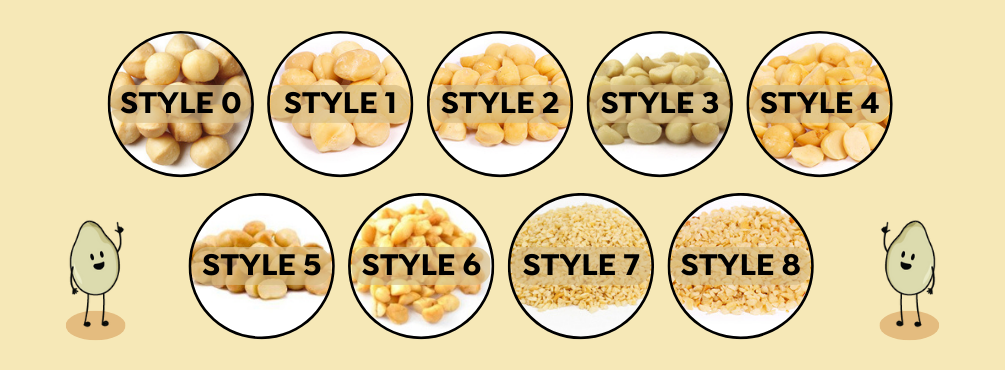
Current Macadamia Price Ranges Per Kilogram
Macadamia pricing varies dramatically across quality grades and market channels. Wholesale rates differ substantially from retail. Understanding these ranges helps set realistic budget expectations.
| Quality Grade | Wholesale (per kg) | Retail (per kg) | Best For |
|---|---|---|---|
| Style 0 (Premium Whole) | $18 - $28 | $32 - $45 | Retail packaging, gifts, premium snacks |
| Style 1 (Whole Minor Defects) | $15 - $22 | $26 - $36 | Commercial baking, snack mixes, most uses |
| Style 2-4 (Broken Halves) | $12 - $18 | $20 - $28 | Baked goods, toppings, confectionery |
| Small Pieces | $8 - $14 | $15 - $22 | Nut butter, granola, ice cream mix-ins |
| Organic Certified | $22 - $32 | $38 - $52 | Organic products, health-focused markets |
| Roasted & Salted | $20 - $30 | $34 - $48 | Ready-to-eat snacks, retail packs |
These price ranges reflect current global market conditions. Actual rates vary by supplier, origin country, order volume, and seasonal factors. Always request current quotes for specific requirements.
Volume Discount Structures
Purchase volume dramatically affects per-kilogram pricing. Bulk orders unlock substantial savings. Most suppliers structure discounts in clear tiers.
📦 Sample Orders
$25-28/kg
Quantity: 1-5 kg
Testing quality before commitment. Highest per-kg rates but minimal risk.
🛒 Small Bulk
$20-24/kg
Quantity: 25-100 kg
Small businesses, cafes, regular personal use. Moderate savings.
🏭 Commercial Orders
$16-20/kg
Quantity: 500-1000 kg
Food manufacturers, distributors. Significant discounts unlock.
🚢 Container Loads
$14-18/kg
Quantity: 10+ tons
Maximum savings. Direct import pricing. Lowest rates available.
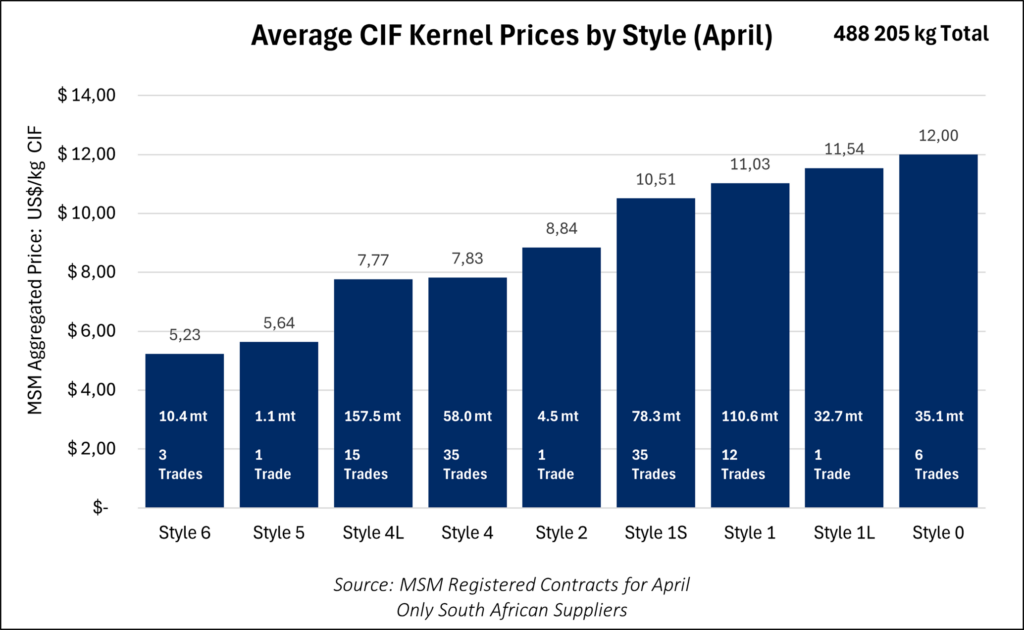
What Determines Macadamia Nut Pricing
Multiple interconnected factors influence macadamia pricing. Understanding these variables helps predict price movements. It also enables strategic buying decisions.
🌟 Quality Grade
Style 0 premium whole kernels command highest prices. Minor defects reduce value by 15-25%. Broken pieces cost 40-50% less than whole nuts.
📏 Kernel Size
Larger kernels fetch premiums. Size 0-1 nuts cost more than size 3-4. Consistent sizing adds value for specific applications.
💧 Moisture Content
Optimal 1.5-2% moisture ensures freshness. Higher moisture reduces shelf life. Lower increases brittleness. Perfect moisture costs more.
🌱 Growing Origin
Kenya, Australia, South Africa dominate exports. Each origin has distinct flavor profiles. Transportation costs affect final pricing.
🔬 Processing Level
Raw kernels cost least. Roasting adds processing expenses. Flavoring increases costs further. Each step adds value.
📜 Certifications
Organic certification adds premiums. Fair Trade commands higher prices. GlobalGAP ensures quality standards. Each cert increases cost.
Seasonal Price Fluctuations
Macadamia pricing follows predictable seasonal patterns. Harvest timing in major producing regions creates supply waves. Understanding these cycles enables strategic purchasing.
Peak harvest periods offer best pricing opportunities. Kenya harvests March through September. Australia produces February through July. South Africa peaks April through August. Prices typically drop 10-20% during these windows.
Off-season months see reduced supply. Prices increase as inventory depletes. January and February often represent yearly price peaks in global markets. Cold storage costs accumulate during extended storage.
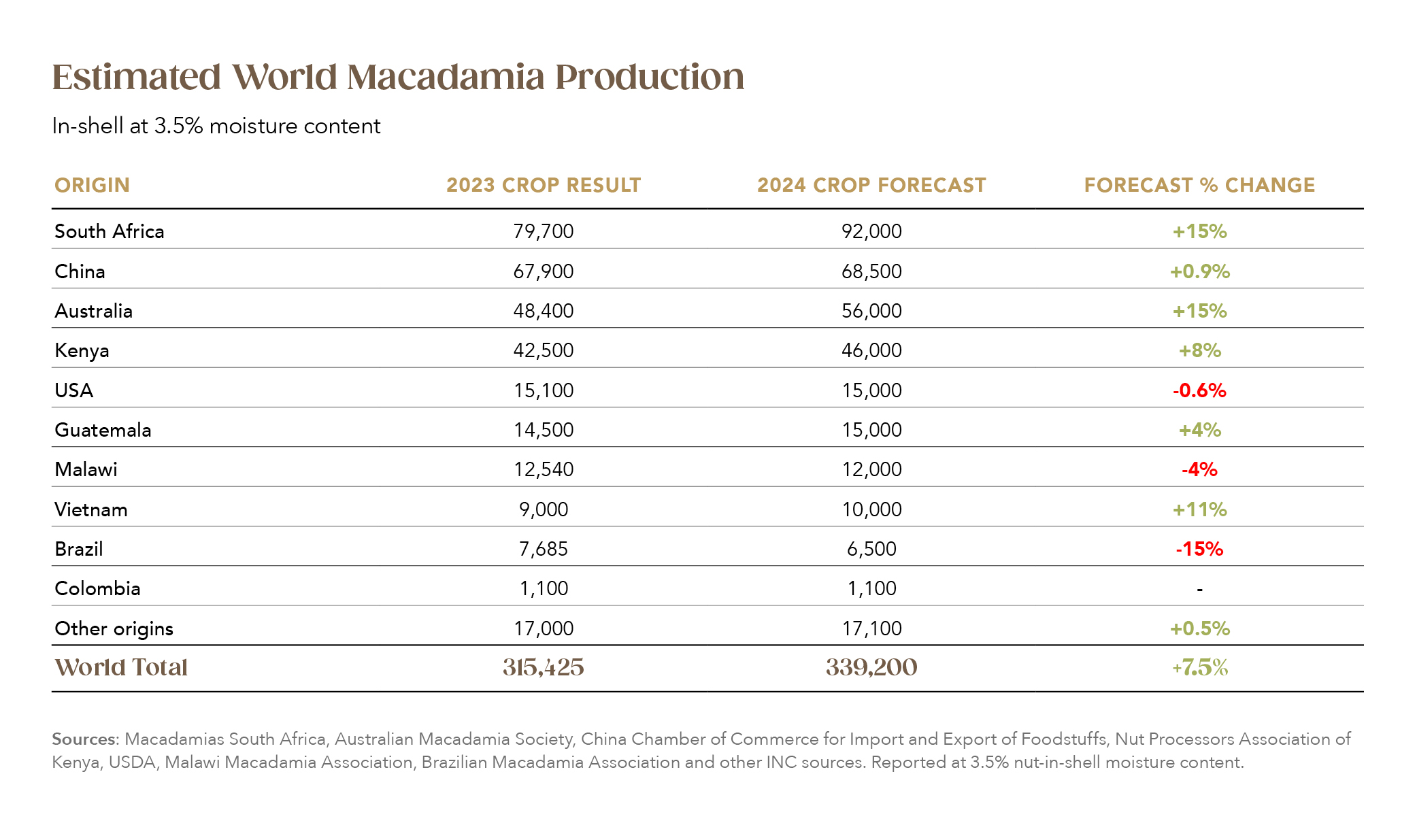
Wholesale vs Retail Pricing Breakdown
The gap between wholesale and retail macadamia pricing reveals distribution economics. Understanding markup structures clarifies when bulk buying makes financial sense.
Retailers typically mark up wholesale prices by 50-100%. A $20/kg wholesale nut retails for $30-40/kg. This covers packaging, storage, marketing, rent, staff, and profit margins.
Distribution Chain Impact
Each intermediary adds costs. Direct import from producers offers lowest rates. Distributors add 15-25% margins. Wholesalers add another 10-20%. Retailers apply final markups of 40-80%.
| Supply Chain Level | Price Per Kg | Markup Added | Access Requirements |
|---|---|---|---|
| Producer/Exporter | $14 - $18 | Base price | Container loads, export documentation |
| Import Distributor | $17 - $22 | +15-25% | Business license, 500kg+ orders |
| Wholesale Supplier | $20 - $26 | +20-35% | Resale certificate, 50kg+ orders |
| Retail Store | $32 - $45 | +50-100% | Open to public, small quantities |
Breaking into wholesale pricing becomes economical at different thresholds. Personal use buyers benefit at 5kg+ purchases. Small businesses see advantages at 25kg+. Commercial operations require 100kg+ for meaningful savings.
Getting Maximum Value Per Kilogram
Smart procurement strategies reduce per-kilogram costs significantly. These tactics work whether buying small quantities or container loads.
🎯 Strategic Buying Framework
Step 1: Define your quality requirements clearly. Don't overpay for premium whole kernels when broken pieces suit your application perfectly.
Step 2: Calculate annual consumption. Commit to larger orders less frequently rather than small orders repeatedly.
Step 3: Compare multiple suppliers. Price variations of 20-30% exist between suppliers for identical products.
Step 4: Negotiate based on commitment. Annual contracts unlock better rates than spot purchases.
Step 5: Consider mixed containers. Combining styles and sizes often provides flexibility with maintained discounts.
Quality vs Price Trade-offs
Choosing appropriate quality grades maximizes value. Premium Style 0 isn't always necessary. Many applications perform equally well with Style 1 at 20-30% savings.
Broken pieces work perfectly for baking, granola, and confectionery. They cost 40-50% less than whole kernels. Food manufacturers recognize this value proposition. The flavor and nutrition remain identical.
Small pieces and meal prove ideal for nut butter production. These command lowest prices yet deliver full macadamia character. Processing into butter eliminates any visual quality concerns.
💡 Value Optimization Tips
- Accept Style 1 instead of Style 0: Save 15-25% with minimal visual difference for most uses
- Buy during harvest season: Secure 10-20% discounts during peak supply months
- Order full pallets: Shipping efficiency reduces per-kg costs by $1-2
- Request production runs: Timing orders with processing schedules sometimes unlocks discounts
- Establish payment terms: COD often costs more than net-30 payment arrangements
- Compare FOB vs CIF pricing: Understanding Incoterms prevents hidden cost surprises
Regional Price Variations
Geographic location significantly affects macadamia pricing. Production regions offer advantages. Import-dependent markets face premiums.
Kenya, Australia, and South Africa provide lowest prices as production centers. Buyers in these countries access fresh nuts with minimal transportation costs. European and North American markets pay freight premiums.
Origin Country Pricing
Kenyan macadamias often present competitive pricing for quality. The country's volcanic soils produce exceptional nuts. Labor costs remain lower than Australia. This translates to 10-15% price advantages on equivalent quality grades.
Australian nuts command premiums in Asian markets due to proximity. Their established quality reputation supports higher pricing. However, rising production costs pressure margins compared to African origins.
South African macadamias dominate volume exports. Large commercial operations achieve economies of scale. This creates competitive pricing on commercial grades while premium styles fetch top dollar.
Bulk Purchase Economics
Economies of scale profoundly impact macadamia pricing. Understanding minimum order quantities and their associated discounts informs buying decisions.
Most exporters structure pricing in clear tiers. Breaking through each threshold unlocks step-change savings. The jumps aren't gradual—they're dramatic.
Container Load Advantages
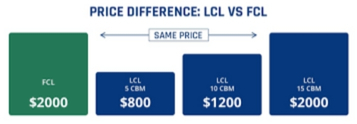
Container shipping provides maximum efficiency. A 20-foot container holds approximately 10-12 tons of packaged macadamias. Full container loads avoid LCL (less than container load) surcharges.
These surcharges add $3-5 per kilogram for partial container shipments. Full containers eliminate these fees. They also reduce handling, decrease damage risk, and simplify logistics.
| Order Size | Price Range | Shipping Impact | Total Savings |
|---|---|---|---|
| 50-100 kg | $24-26/kg | High per-kg freight | Baseline |
| 500 kg | $20-22/kg | LCL shipping | 15-20% savings |
| 1000 kg | $18-20/kg | Partial container | 25-30% savings |
| 10+ tons (container) | $14-18/kg | Full container efficiency | 35-45% savings |
Group Buying Opportunities
Small businesses can access container pricing through cooperative purchasing. Multiple buyers combine orders to reach container minimums. Each participant saves substantially compared to individual small orders.
This strategy works particularly well for non-competing businesses in the same region. A bakery, cafe, and health food store might combine orders. They split freight costs while each secures wholesale pricing.
Payment Terms Impact on Pricing
How you pay affects what you pay. Different payment structures carry distinct pricing implications. Understanding these relationships saves money.
Cash on delivery typically includes premiums. Suppliers price in risk and administrative costs. Advance payment sometimes unlocks discounts. Net-30 or net-60 terms often represent standard pricing.
Letters of Credit vs Wire Transfer
International purchases frequently involve letters of credit. These bank guarantees protect both parties. However, they add costs—typically 1-2% of order value. Wire transfers prove cheaper but offer less protection.
Established supplier relationships enable more flexible terms. Repeat customers negotiate better payment conditions. This translates to improved pricing over time.
Quality Verification Before Purchase
Price means nothing without quality assurance. Smart buyers verify quality before committing to large orders. This prevents costly mistakes.
Always request samples before bulk purchases. Evaluate appearance, taste, moisture content, and defect rates. Compare samples from multiple suppliers side-by-side.
Key Quality Indicators
Color consistency matters more than many realize. Uniform cream coloring indicates proper processing. Discoloration suggests age or improper storage.
Taste reveals freshness immediately. Fresh macadamias taste sweet and buttery. Rancidity creates unpleasant flavors. Crunch should be crisp, not soft.
Request lab analysis reports. These verify moisture content, aflatoxin levels, and microbiological safety. Reputable suppliers provide this documentation readily.
Long-term Supplier Relationships
Building strong supplier partnerships creates long-term value beyond immediate pricing. Reliable suppliers become strategic partners. This relationship delivers benefits far exceeding spot market transactions.
Consistent ordering patterns enable suppliers to plan production. This planning allows them to offer better pricing. Volume commitments provide supply security during shortage periods.
Annual Contract Benefits
Fixed-price annual contracts protect against market volatility. They lock in rates regardless of spot market fluctuations. This budgeting certainty proves invaluable for business planning.
Suppliers value predictable demand. They're willing to discount prices for commitment. Typical annual contract discounts range 5-10% below spot pricing.
These agreements also guarantee supply allocation. During tight markets, contract holders receive priority. Spot buyers face shortages and price spikes.
Frequently Asked Questions
Making Your Macadamia Purchase Decision
Armed with comprehensive pricing knowledge, you're positioned to buy strategically. Successful procurement balances quality requirements, volume needs, budget constraints, and timing opportunities.
Start by clearly defining your specifications. Know exactly what quality grade serves your purpose. Don't overspend on unnecessary premium characteristics. Match product to application intelligently.
Compare multiple suppliers before committing. Price quotes should include all costs—product, shipping, handling, and any applicable duties. Request delivered pricing for true comparisons.
Consider forming buying groups if your individual volume doesn't reach wholesale minimums. Cooperative purchasing unlocks institutional pricing for smaller operations.
Ready to Secure Competitive Macadamia Pricing?
Access premium Kenyan macadamia nuts with transparent wholesale pricing and flexible volume options
Get Your Custom Quote Today →Time your purchases strategically around harvest seasons. Monitor market trends but don't try timing the absolute bottom. Focus on securing good value rather than perfect timing.
Establish relationships with reliable suppliers who provide consistent quality. Long-term partnerships deliver advantages beyond initial pricing. Supply security during tight markets proves invaluable.
Remember that price per kilogram represents just one cost component. Factor in payment terms, shipping reliability, quality consistency, and supplier responsiveness. True value encompasses the complete purchasing experience.