
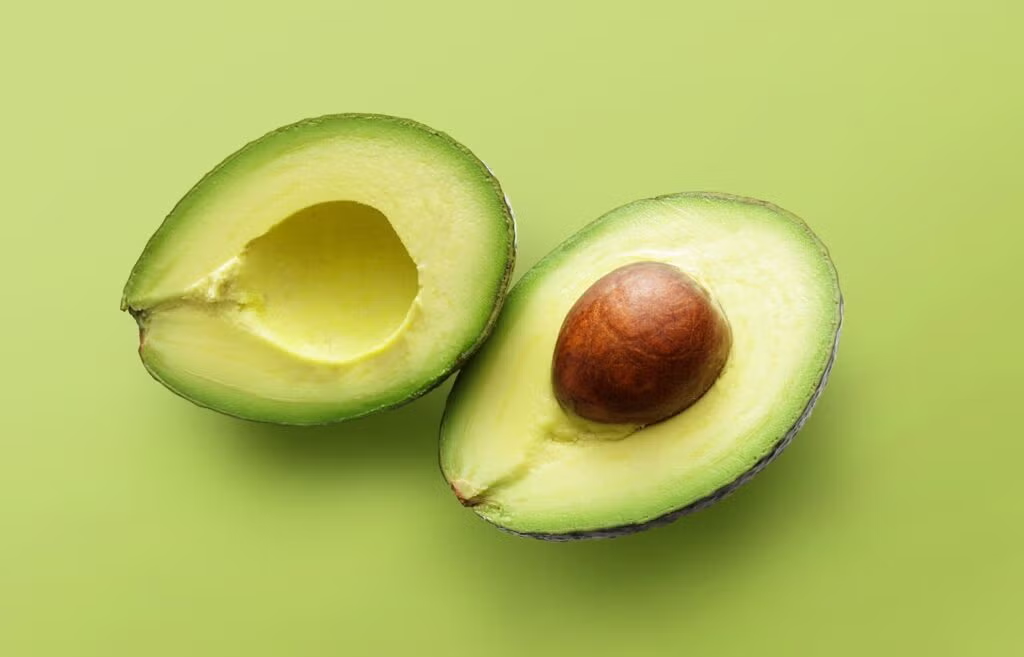
Avocado Benefits: Why Avocados Are Good for You
10 proven health benefits of avocado — from weight management and digestion to heart health, skin, and more. Complete nutrition facts, pros and cons, and expert FAQ.
Avocado — also known as avocado pear, butter fruit, or alpukat in Southeast Asia, and sometimes spelled avacado or advocado — is one of the most nutrient-dense fruits on the planet. A single medium avocado delivers over 20 vitamins and minerals, heart-healthy monounsaturated fats, and an impressive 10 grams of dietary fiber. Understanding what avocado does to the body, and how those nutrients work together, is the key to unlocking its full health potential.
Whether you want to know if avocado helps with weight loss, digestion, heart health, or skin — or you're simply asking what avocados are good for — this guide covers everything the research tells us, including the honest pros and cons most articles skip.
Table of Contents
Avocado Nutritional Value — What Is in an Avocado?
Before exploring what avocados do for the body, it helps to understand what makes them so nutritious. The table below shows the key nutritional values for one medium Hass avocado (approximately 150g), which is the most widely consumed commercial variety.
| Nutrient | Per 100g | Per Medium Avocado (~150g) | % Daily Value (150g) |
|---|---|---|---|
| Calories | 160 kcal | 240 kcal | 12% |
| Total Fat | 14.7g | 22g | 28% |
| — Monounsaturated Fat (MUFA) | 9.8g | 14.7g | — |
| — Saturated Fat | 2.1g | 3.2g | 16% |
| — Polyunsaturated Fat | 1.8g | 2.7g | — |
| Carbohydrates | 8.5g | 12.8g | 5% |
| — Dietary Fiber | 6.7g | 10g | 36% |
| — Sugars | 0.7g | 1g | — |
| Protein | 2g | 3g | 6% |
| Potassium | 485mg | 728mg | 16% |
| Folate (Vitamin B9) | 81mcg | 121mcg | 30% |
| Vitamin K | 21mcg | 31mcg | 26% |
| Vitamin C | 10mg | 15mg | 17% |
| Vitamin E | 2.1mg | 3.1mg | 21% |
| Vitamin B6 | 0.26mg | 0.39mg | 23% |
| Magnesium | 29mg | 43mg | 10% |
| Copper | 0.19mg | 0.28mg | 31% |
| Pantothenic Acid (B5) | 1.39mg | 2.1mg | 42% |
| Niacin (B3) | 1.74mg | 2.6mg | 16% |
| Riboflavin (B2) | 0.13mg | 0.2mg | 15% |
With a glycemic index of approximately 15, avocado is classified as a very low GI food — meaning it causes minimal blood sugar spikes. It also contains negligible fructose (under 1g per serving), making it well-tolerated by most people with blood sugar concerns.
10 Health Benefits of Avocado
The work of avocado in the body spans multiple systems — from the cardiovascular system and gut to the brain, skin, and eyes. Here is a summary of the ten most evidence-backed benefits of eating avocado, each detailed in the sections that follow.
1. Supports Healthy Weight
Reduces appetite, increases satiety, and supports fat burning through MUFA content and fiber.
2. Improves Digestion
High fiber and potassium support gut motility, reduce heartburn, and feed beneficial gut bacteria.
3. Protects Heart Health
MUFAs and potassium lower LDL cholesterol and blood pressure, reducing cardiovascular disease risk.
4. Anti-Inflammatory
Vitamins E and C plus carotenoids and phenolic compounds reduce chronic inflammation.
5. Supports Eye Health
Lutein and zeaxanthin protect against cataracts and macular degeneration from UV and blue light.
6. Reduces Depression Risk
Tryptophan, omega-3s, and B vitamins support neurotransmitter function and stabilize mood.
7. Improves Skin Health
Fatty acids, vitamins A and E, and B12 moisturize, heal, and protect skin membranes.
8. Benefits for Women
Folate supports fetal development; magnesium eases menstrual cramps; healthy fats balance hormones.
9. Supports Muscle Health
Potassium and magnesium support muscle contraction, recovery, and prevent cramping.
10. Enhances Nutrient Absorption
Healthy fats significantly boost absorption of fat-soluble vitamins A, D, E, and K from other foods.
Avocado and Weight: Loss, Gain, or Both?
One of the most common questions about avocados is whether they help you lose weight or cause weight gain. The honest answer is: it depends entirely on how much you eat and what role avocado plays in your overall diet.
Does Avocado Help You Lose Weight?
Yes — avocado supports weight loss in several evidence-backed ways. The fruit is loaded with Monounsaturated Fatty Acids (MUFAs), which reduce food cravings and suppress the appetite hormone ghrelin, helping you eat less overall. The 10 grams of dietary fiber in a medium avocado adds physical bulk to your meal, making you feel full for longer and reducing the urge to snack between meals.
Research also shows that avocado eaters tend to have lower body weight and smaller waist circumference than non-consumers, even after accounting for overall calorie intake. The key mechanism is improved satiety — avocado eaters simply feel satisfied for longer.
Regarding belly fat specifically: the MUFAs in avocado have been associated with reduced visceral (abdominal) fat accumulation when consumed as part of a calorie-controlled diet. Avocado does not directly "burn" belly fat, but it supports the conditions for fat loss.
Can Avocado Cause Weight Gain?
Yes — if consumed in excess. A medium avocado contains approximately 240 calories, and those calories add up quickly. Eating two or three avocados per day on top of a normal caloric intake will lead to a calorie surplus and weight gain over time. The fruit's healthy fats are beneficial, but fat still delivers 9 calories per gram regardless of type.
For people who are underweight or intentionally trying to gain weight — such as athletes in a bulking phase or individuals recovering from illness — avocado is an excellent calorie-dense food for healthy weight gain. Its nutrient density means you gain weight alongside vitamins and minerals, not just empty calories.
| Goal | Avocado Role | Recommended Daily Intake | Key Mechanism |
|---|---|---|---|
| Weight Loss | Appetite suppressant; increases satiety | ½ to 1 medium avocado/day | MUFAs reduce ghrelin; fiber increases fullness |
| Weight Maintenance | Neutral — supports stable appetite | ½ to 1 medium avocado/day | Nutrient density without blood sugar spikes |
| Healthy Weight Gain | Calorie-dense, nutrient-rich source | 1–2 medium avocados/day | 240 cal/avocado from healthy fats |
📌 Bottom Line on Avocado and Weight
Avocado supports weight loss when eaten in appropriate portions (½–1 per day) as part of a calorie-controlled diet. It contributes to weight gain only when consumption creates a calorie surplus. The fruit itself is not the determining factor — total daily calorie balance is.
Avocado for Digestion, Acid Reflux & Heartburn
Eating avocados regularly improves your digestion and overall gut health through multiple mechanisms. The potassium in avocados supports smooth muscle contraction throughout the gastrointestinal system, facilitating the process of peristalsis — the rhythmic contractions that move food from the mouth through the intestines. This makes avocado particularly useful for people with sluggish gut motility or constipation.
Avocado and Fiber for Gut Health
With 10 grams of dietary fiber per medium avocado — a mixture of soluble and insoluble fiber — avocado is one of the best whole-food sources for gut microbiome support. Soluble fiber feeds beneficial gut bacteria (prebiotics), improving the overall efficiency of food digestion and reducing inflammatory markers in the gut lining. Regular avocado consumers show measurably higher populations of gut-protective bacteria.
Is Avocado Good for Acid Reflux and Heartburn?
For most people, yes. Avocados are alkaline-forming once metabolized, and their creamy texture coats the esophageal lining gently. The reduction in fecal bile acid concentration that comes with regular avocado consumption also reduces the likelihood of reflux symptoms. Avocados are generally well-tolerated by people managing acid reflux and are considered a safer fat source than fried foods or dairy fat, which commonly trigger heartburn.
Does Avocado Make You Gassy?
For most people, avocado does not cause gas. However, avocados contain fructans — a type of fermentable carbohydrate classified as a FODMAP. People with Irritable Bowel Syndrome (IBS) or fructan sensitivity may experience bloating and gas from large portions of avocado. If you have IBS, limit portions to one-quarter to one-third of an avocado at a time to test your tolerance before consuming full portions.
Note for IBS sufferers: Avocado has a low-to-moderate FODMAP threshold. A serving of 30g (about ⅛ of an avocado) is generally considered low-FODMAP. Larger portions above 80g may trigger symptoms in sensitive individuals.

Avocado for Heart Health
Eating avocados regularly is one of the most well-researched dietary strategies for improving cardiovascular health. The benefits operate across multiple mechanisms simultaneously, making avocado uniquely effective compared to most other foods.
Avocados are nutrient-dense and have monounsaturated fats that, unlike saturated fats, do not clog arteries or raise LDL (bad) cholesterol levels. Regular avocado consumption is associated with lower LDL and higher HDL (good) cholesterol. HDL cholesterol actively removes LDL from the bloodstream and carries it to the liver for processing — this protective cycle is what gives avocados their reputation as a heart-healthy food.
The potassium content of avocado (728mg per medium fruit — more than a banana) actively lowers blood pressure by counteracting the blood-pressure-raising effects of sodium. Folate contributes to reducing homocysteine levels, an amino acid associated with elevated cardiovascular disease risk. The combination of these nutrients protects against artery hardening (atherosclerosis) and reduces the overall risk of heart attack and stroke.
Anti-Inflammatory Properties of Avocado
Chronic inflammation underlies many of the most serious conditions including arthritis, heart disease, type 2 diabetes, and certain cancers. Avocados are a good source of vitamins E and C, two of the most potent anti-inflammatory micronutrients available from food.
Beyond the vitamins, the fruit has a high concentration of bioactive carotenoids (including beta-carotene, alpha-carotene, and cryptoxanthin) and phenolic compounds. These compounds promote neuroprotective, cardioprotective, and antioxidant activity — suppressing the inflammatory pathways (particularly NF-κB) that drive chronic disease progression.
For people managing arthritis specifically, the combination of anti-inflammatory fats and antioxidant vitamins in avocado has been shown in clinical studies to reduce joint stiffness and pain scores when consumed regularly. Avocado and soybean unsaponifiables (ASU) — extracts from both foods — are approved as a treatment for hip and knee osteoarthritis in France.
Avocado Benefits for Eye Health and Vision
Avocados are particularly valuable for long-term eye health, providing nutrients that many people are chronically deficient in. The key vision-protective nutrients in avocado are:
- Lutein — concentrated in the macula, lutein protects against age-related macular degeneration (AMD) and slows the progression of cataracts. One avocado contains approximately 370mcg of lutein.
- Zeaxanthin — works alongside lutein to filter harmful UV rays and blue light from reaching the retina, acting as a natural internal sunscreen for the eye.
- Beta-carotene — converted to vitamin A in the body, which is required for rhodopsin synthesis in the retina — the pigment that enables low-light and night vision.
- Vitamins B6, C, and E — reduce oxidative stress in ocular tissues, protecting against cataracts and retinal damage over time.
The fat content of avocado also amplifies the absorption of these fat-soluble carotenoids from other foods eaten at the same meal — adding avocado to a salad has been shown to increase carotenoid absorption by 3–5 times compared to a fat-free dressing.
Avocado and Mental Health: Reducing Depression Risk
The function of avocado in the body extends beyond physical health into mental and emotional wellbeing. Avocados contain tryptophan, a precursor to serotonin — the neurotransmitter most closely associated with mood regulation and a sense of wellbeing. Higher tryptophan intake is associated with reduced risk of depression and anxiety disorders.
The fruit also contains omega-3 fatty acids, which combat neuroinflammation. Inflammatory processes in the brain directly interfere with neurotransmitter production and receptor function — conditions associated with depression, brain fog, and cognitive decline. By reducing neuroinflammation, avocados help maintain healthy communication between brain cells.
Additional mood-supporting nutrients include folate (folate deficiency is strongly linked to depression), magnesium (which regulates the NMDA receptor involved in mood and cognition), and vitamin B6 (which is required for the conversion of tryptophan into serotonin and of DOPA into dopamine). Together, these nutrients support the full neurotransmitter synthesis chain — serotonin, dopamine, and norepinephrine.
Avocado Benefits for Skin Health
Avocados contain a combination of nutrients that benefit skin health from the inside out. The unsaturated fatty acids in avocado — particularly oleic acid (the dominant MUFA) — are structural components of the skin's lipid barrier. A healthy lipid barrier prevents transepidermal water loss, keeping skin hydrated and resilient.
Vitamins A and E are both fat-soluble antioxidants concentrated in the outer layers of skin. Vitamin A promotes healthy skin cell turnover, reduces the appearance of fine lines, and is an established treatment for conditions including psoriasis. Vitamin E protects cell membranes from oxidative damage caused by UV radiation and pollution.
Vitamin B12 in avocado has been shown in clinical studies to improve psoriasis symptoms when applied topically as well as consumed orally. When eaten, B12 acts as a moisturizing and regenerative agent at the cellular level, supporting the skin's reconstruction and wound-healing processes. Antioxidants from avocado also neutralize the free radicals responsible for premature skin aging.
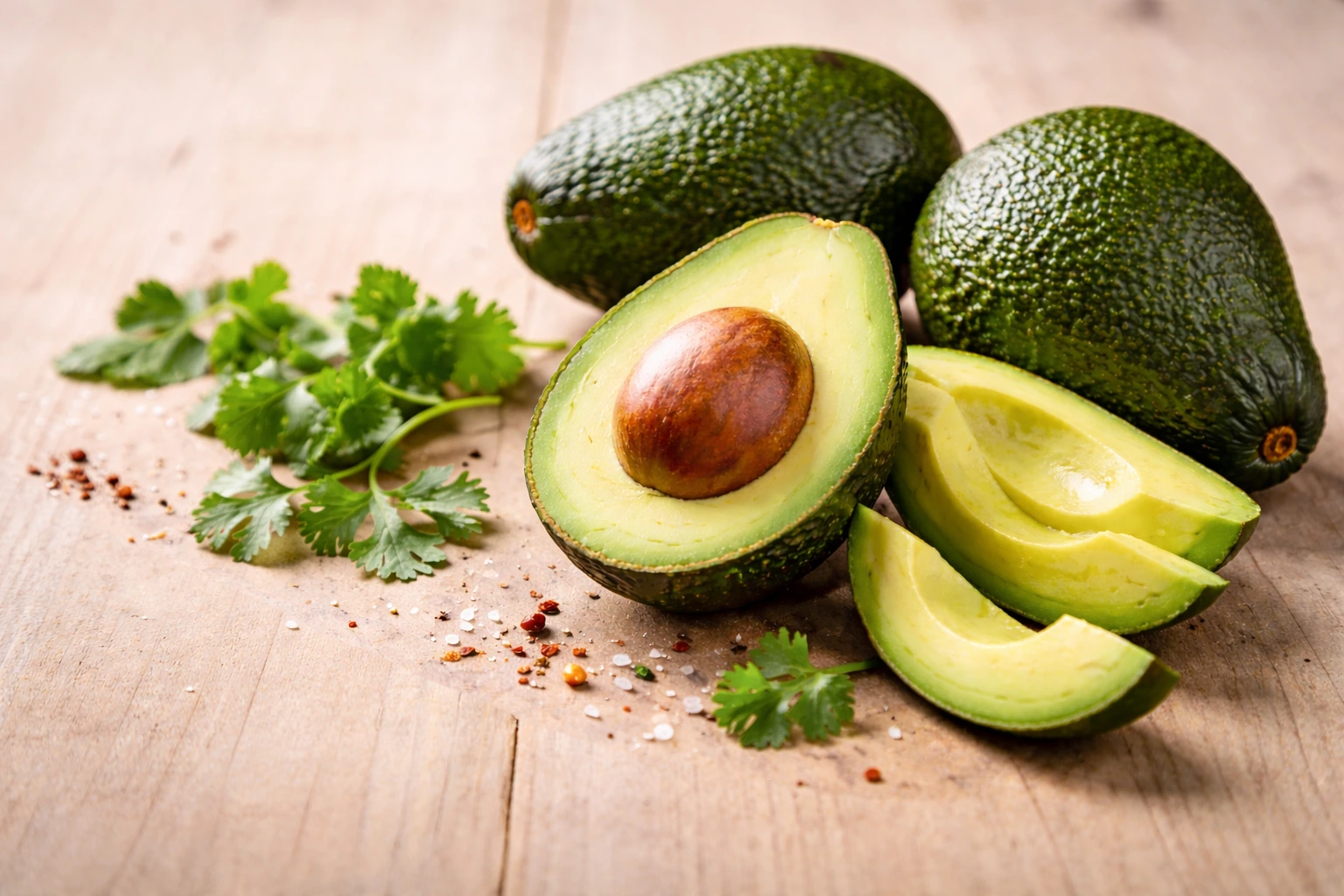
Benefits of Eating Avocado Every Day for Women
While avocado benefits everyone, several of its nutritional properties are particularly relevant to women's health at different life stages.
Pregnancy and Folate
A single medium avocado provides 121mcg of folate — 30% of the daily value. Folate is critical during the first trimester of pregnancy for neural tube development, reducing the risk of spina bifida and anencephaly. Avocados are one of the highest folate-containing whole foods available, making them an important dietary inclusion for women who are pregnant or planning to become pregnant.
Hormonal Balance
The healthy fats in avocados are precursors to steroid hormones including estrogen and progesterone. A diet chronically deficient in healthy fats can disrupt the hormonal cycle. Regular avocado consumption supports the fat-soluble nutrient base needed for healthy hormone production and signaling.
Menstrual Health
The magnesium content of avocado (43mg per serving) has been shown to reduce the severity of menstrual cramps by relaxing uterine smooth muscle. Magnesium also reduces PMS-related mood changes and bloating. Potassium helps regulate fluid balance, reducing cycle-related water retention.
Bone Health
Avocados are a good source of vitamin K (31mcg per serving — 26% DV), which is essential for calcium binding to bone matrix. This is particularly relevant for women, who face significantly higher osteoporosis risk post-menopause. Vitamin K works synergistically with vitamin D and calcium to maintain bone mineral density.
Iron Absorption
The vitamin C in avocado (15mg per serving) enhances non-heme iron absorption from plant foods eaten at the same meal — important for women, who are at higher risk of iron deficiency anemia due to menstrual losses.
Pros and Cons of Eating Avocado
Every food has benefits and limitations. A balanced view of avocado — including when it may not be ideal — allows you to make the most informed choices for your health.
✅ Advantages of Avocado
- Extremely nutrient-dense — 20+ vitamins and minerals
- Heart-healthy monounsaturated fats lower LDL cholesterol
- 10g fiber per avocado supports gut health
- Very low glycemic index (GI ≈ 15) — blood sugar friendly
- Potassium supports healthy blood pressure
- Supports healthy weight loss when portioned correctly
- Enhances absorption of fat-soluble vitamins from other foods
- Anti-inflammatory — benefits arthritis and chronic disease
- Supports eye, skin, brain, and hormonal health
- Suitable for most diets: keto, paleo, vegetarian, vegan
⚠️ Disadvantages & Cautions
- High in calories (~240/avocado) — easy to overconsume
- Expensive compared to other fruits in many markets
- High potassium — caution for people with chronic kidney disease
- Contains fructans (FODMAP) — may cause bloating in IBS sufferers
- Latex-fruit syndrome — people with latex allergy may react
- Vitamin K may interact with warfarin (blood-thinning medication) — consult your doctor
- Avocado oil can go rancid quickly once opened
- Environmental concerns — high water usage in some growing regions
Key Takeaways — Avocado Health Benefits Summary
- Nutrient powerhouse: One avocado delivers over 20 vitamins and minerals including 30% of your daily folate, 26% vitamin K, and more potassium than a banana
- Weight management: Supports weight loss at ½–1 avocado/day through appetite suppression; only causes weight gain when it creates a calorie surplus
- Gut health: 10g dietary fiber feeds beneficial gut bacteria; generally good for acid reflux; caution for IBS sufferers in large portions
- Heart protection: MUFAs and potassium lower LDL, raise HDL, and reduce blood pressure
- Anti-inflammatory: Vitamins E and C, carotenoids, and phenolic compounds reduce chronic inflammation
- Eye health: Lutein and zeaxanthin protect against macular degeneration and cataracts
- Women's health: Folate critical for pregnancy; magnesium eases menstrual cramps; vitamin K supports bone density
- Mental health: Tryptophan, omega-3s, folate, and B6 support serotonin and dopamine production
- Honest caveat: High calorie density, FODMAP content, and vitamin K-warfarin interaction are real considerations for certain people
Ready to source premium avocados for your business? FrutPlanet works with buyers globally across Europe and Asia.
🥑 Request a Bulk Avocado Quote →Frequently Asked Questions About Avocado Benefits
What are the health benefits of avocado?
Avocado offers at least 10 major health benefits: it supports healthy weight management, improves digestion and gut health, protects cardiovascular health by lowering LDL cholesterol and blood pressure, reduces chronic inflammation, supports eye health through lutein and zeaxanthin, reduces depression risk through tryptophan and B vitamins, improves skin health through fatty acids and vitamins A and E, provides important pregnancy nutrients (folate), supports muscle function through potassium and magnesium, and enhances absorption of fat-soluble vitamins from other foods eaten at the same meal.
Does avocado help you lose weight or cause weight gain?
Avocado can support weight loss when eaten in appropriate portions (half to one medium avocado per day) because its monounsaturated fats and high fiber content reduce appetite and increase feelings of fullness. However, a medium avocado contains approximately 240 calories, so eating two or three per day on top of a normal diet will create a calorie surplus and cause weight gain. Avocado is also intentionally used for healthy weight gain by athletes and underweight individuals because it provides calorie-dense, nutrient-rich energy.
Does avocado burn belly fat?
Avocado does not directly burn belly fat. However, the monounsaturated fatty acids (MUFAs) in avocado are associated with reduced visceral fat accumulation when consumed as part of a calorie-controlled diet. MUFAs reduce appetite-stimulating hormones like ghrelin, helping you eat less overall. When total caloric intake is controlled, regular avocado consumption has been linked to smaller waist circumference compared to non-consumers in several studies.
Is avocado good for acid reflux and heartburn?
For most people, yes. Avocados are alkaline-forming once metabolized and their healthy fats are less likely to trigger reflux than saturated fats from dairy or fried foods. Avocados also reduce fecal bile acid concentration, which is associated with reduced reflux symptoms. However, avocados are high in fat, and very large portions may cause discomfort in people with severe acid reflux or GERD — a quarter to half an avocado is a safer starting portion for those managing reflux.
Does avocado make you gassy or bloated?
For most people, avocados do not cause gas or bloating. However, avocados contain fructans — a fermentable FODMAP carbohydrate — which can cause bloating and gas in people with Irritable Bowel Syndrome (IBS) or fructan sensitivity. If you have IBS, start with a small portion of approximately 30g (one-eighth of an avocado) and gradually increase to assess your personal tolerance.
Is it OK to eat avocado every day?
Yes, eating half to one medium avocado per day is safe and beneficial for most healthy adults. Daily avocado consumption is associated with improved cholesterol levels, better gut health, and higher micronutrient intake. The main consideration is caloric intake — if eating a full avocado daily, be mindful of where those 240 calories fit into your overall diet. People on warfarin, those with chronic kidney disease, or those with a latex allergy should consult their doctor before daily consumption.
What does avocado do to the body specifically?
In the body, avocado works across multiple systems simultaneously: in the cardiovascular system, its MUFAs and potassium lower blood pressure and improve cholesterol ratios; in the digestive system, fiber feeds gut bacteria and potassium supports peristalsis; in the brain, tryptophan and B vitamins support neurotransmitter production; in the eyes, lutein and zeaxanthin protect the retina from UV damage; in the skin, fatty acids and vitamins A and E maintain the lipid barrier and support cell renewal; and in the immune system, vitamins C and E act as antioxidants reducing oxidative cell damage.
What are the benefits of avocado for women specifically?
Avocado offers several benefits that are particularly important for women: folate (121mcg per avocado — 30% DV) is critical for fetal neural tube development in pregnancy; magnesium helps reduce menstrual cramps; vitamin K (31mcg — 26% DV) supports bone mineral density, which is especially important post-menopause; vitamin C enhances iron absorption from plant foods, helping prevent iron deficiency anemia; and healthy fats provide the fat-soluble foundation for hormonal steroid synthesis including estrogen and progesterone.
What is the nutritional value of one avocado?
One medium Hass avocado (approximately 150g) contains: 240 calories, 22g total fat (of which 14.7g are heart-healthy monounsaturated fats), 12.8g carbohydrates, 10g dietary fiber, 1g sugar, 3g protein, 728mg potassium, 121mcg folate, 31mcg vitamin K, 15mg vitamin C, 3.1mg vitamin E, and 43mg magnesium — among over 20 total vitamins and minerals.
Who should be careful about eating avocado?
While avocado is safe for most people, certain groups should exercise caution: (1) People on warfarin (blood thinner) — avocado's vitamin K content can interfere with medication efficacy; (2) People with chronic kidney disease — avocado's high potassium (728mg/serving) can be problematic for kidneys that cannot regulate potassium; (3) People with a latex allergy — latex-fruit syndrome means up to 50% of latex-allergic individuals may react to avocado; (4) IBS sufferers — large avocado portions contain FODMAP fructans that can trigger symptoms. Consult a healthcare provider if you belong to any of these groups.
Where to Order Avocados in Bulk
If you want to order avocados in bulk for your business, working directly with a verified supplier is the most reliable option. A supplier handles sourcing, quality assurance, shipping documentation, and delivery logistics — saving you significant time and risk compared to navigating the market independently.
At FrutPlanet, we are a leading avocado supplier and exporter operating from Kenya. We work with global clients across Asia and Europe, including buyers in the Netherlands, China, India, and beyond. We handle everything from farm-level sourcing through in-house and third-party quality assurance, export documentation, and final delivery — ensuring you receive consistent, export-grade avocados meeting your specifications.