
Where to Buy Avocados in Bulk: Channels, Pricing, Quality Standards & Supplier Verification
Not all bulk avocado channels are equal. The difference between direct exporter and B2B marketplace pricing can reach 25–40%. Here's what every buyer — from restaurant group to international importer — needs to know before placing a first order.
- Which Type of Bulk Buyer Are You?
- The Four Main Channels for Buying Avocados in Bulk
- Why Kenya Is the Optimal Bulk Avocado Origin
- Understanding Bulk Avocado Pricing: FOB vs CIF
- Quality Standards and Avocado Size Grading
- Certifications Every Bulk Buyer Should Require
- Cold Chain: The Make-or-Break Factor
- How to Verify a Bulk Avocado Supplier
- MOQ Negotiation and Trial Orders
- Frequently Asked Questions
- Direct exporters offer 25–40% better pricing than B2B marketplace suppliers
- Kenya Hass FOB: $0.80–$1.40/kg — Africa's most competitive premium origin
- Container-load (18–22 tonnes) unlocks the best per-kg pricing
- GlobalG.A.P. + KEPHIS certification required for EU market access
- Cold chain failure is the #1 cause of bulk avocado procurement disasters
- Always do a trial order before committing to full container volumes
Which Type of Bulk Avocado Buyer Are You?

Before asking where to buy avocados in bulk, you need to understand what type of buyer you are — because the optimal channel, pricing structure, and minimum order quantity differ dramatically depending on your context. A restaurant group in Dubai has entirely different sourcing requirements from a European supermarket chain or a guacamole manufacturer in the US. Getting this clarity first saves time, money, and the frustration of engaging with suppliers whose commercial model doesn't fit your needs.
The global avocado trade processes approximately $4.8 billion in fresh avocado exports annually, served by a supply chain that spans multiple continents, dozens of producing countries, and hundreds of exporters ranging from small family operations to multinational fresh produce corporations. This complexity is what creates the pricing spread between the best and worst channels — some buyers pay 40% more than necessary for the same product because they chose an inefficient sourcing pathway. Understanding the landscape before you commit to a supplier relationship is the highest-value step any bulk buyer can take.
The fundamental distinction is between buyers whose volume justifies direct exporter relationships and buyers who are better served by aggregators, marketplaces, or local wholesalers. The crossover point is typically around 500 kg per order — below that, most direct exporters cannot offer competitive pricing because their logistics costs per unit are too high. Above 1 tonne, direct relationships begin to produce measurable cost advantages. At full container loads (18–22 tonnes), the pricing difference between direct and indirect channels becomes the most significant cost lever available to any procurement team.
| Buyer Type | Typical Volume | Best Channel | Key Priority | Suggested MOQ Start |
|---|---|---|---|---|
| Restaurant / Food Service | 50–500 kg/week | Local wholesaler / importer | Consistency & freshness | 50–100 kg trial |
| Supermarket / Retail Chain | 1–20 tonnes/week | Direct exporter or importer | Sizing, certification, shelf life | 1–2 pallet trial |
| Food Processor / Manufacturer | 5–50 tonnes/order | Direct exporter (container) | Oil content, ripeness spec | Full container (FCL) |
| Importer / Distributor | 10–100+ tonnes/week | Direct from certified farm | Price, certification, consistency | FCL + supply agreement |
| Hospitality / Hotel Group | 100–2,000 kg/week | Specialist importer or direct | Premium sizing, consistency | 200–500 kg trial |
| Online Retailer / DTC | 100–500 kg/week | Importer or marketplace | Uniform quality, packaging | 100–200 kg trial |
The Four Main Channels for Buying Avocados in Bulk
Every bulk avocado buyer operates through one of four primary sourcing channels, each with distinct pricing mechanics, quality control capabilities, and operational requirements. Understanding what you're trading off in each channel is essential for making a decision that serves your business rather than your supplier's margin.
Highest quality control. Lowest per-kg price. Requires import logistics capability and established trade relationships. Best for importers, distributors, and large food processors. FrutPlanet operates in this channel from Kenya.
Platforms like Alibaba, TradeWheel, Made-in-China connect buyers with multiple suppliers. Convenient for discovery but adds marketplace fees and intermediary margins. Quality verification requires more diligence from the buyer.
Already handles customs, cold chain, and distribution logistics. Good for supermarkets and food service buyers who lack import infrastructure. Pays for convenience with a margin layer over direct exporter pricing.
Fruit and vegetable wholesale markets (New Covent Garden, MIN Rungis, etc.). Convenient, immediate availability, low MOQ. But pricing lacks transparency and quality varies significantly. No traceability. Best for small food service buyers.
The direct exporter channel consistently delivers the best pricing outcome for buyers with the volume and capability to use it. The mathematics are straightforward: every intermediary layer in the supply chain adds margin. A B2B marketplace supplier, a specialist importer, and a local wholesaler each add 10–25% to the base price they paid for the product. By the time avocados reach a local wholesale market after three intermediary layers, the buyer is paying 40–80% above what a direct container purchase from the same origin would cost.
However, access to the direct exporter channel requires capability that not every buyer has. You need import logistics infrastructure (or a freight forwarder relationship), the ability to handle customs clearance in your country, cold storage capability at your facility, and sufficient volume to justify a container-load purchase. For buyers who lack these capabilities, a specialist importer is a rational choice — you pay for their infrastructure and expertise rather than building your own. The key is knowing which channel fits your actual capabilities rather than aspirationally targeting the direct route without the operational readiness to execute it.
Why Kenya Is the Optimal Bulk Avocado Origin for International Buyers
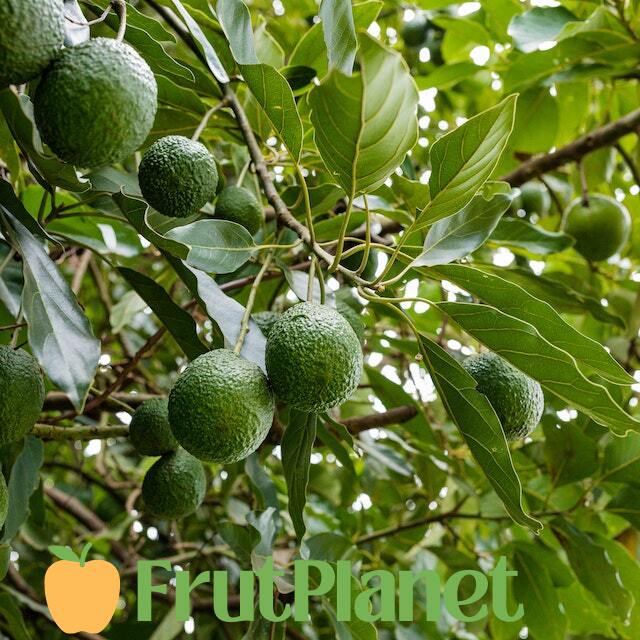
Kenya is Africa's largest avocado exporter and the world's sixth-largest avocado-exporting nation — but its commercial position in the global avocado trade is arguably more significant than its volume ranking suggests. Kenya's Hass avocados grown in the central highlands, at altitudes of 1,500–2,200 metres above sea level, develop characteristics that directly correspond to what premium buyers in Europe, the Middle East, and Asia are paying the highest prices for.
The altitude advantage is the first commercial differentiator. At elevation, avocado trees experience cooler nights and bright days — a temperature differential that drives slower, denser fruit development. The result is higher dry matter content, higher oil concentration (the primary driver of the rich flavour premium buyers reward), and firmer flesh with longer post-harvest shelf life. A Kenya Hass avocado harvested at 24–26% dry matter has a fundamentally different commercial value than a lowland avocado harvested at 18% dry matter — the latter will ripen poorly, taste flat, and return complaints from buyers. This quality difference is what FrutPlanet's farm network, concentrated in Murang'a, Kirinyaga, Kiambu, and Meru counties, consistently produces.
The seasonal advantage is the second commercial differentiator. Kenya's central highlands export peak season runs February through June — the spring supply window that European and Middle Eastern buyers find most valuable. This window aligns with the period between the end of Spanish/Israeli winter supply and before the peak Peruvian summer volumes arrive. During this window, quality supply alternatives are limited and premium prices are achievable. Kenyan avocados are not just a year-round commodity option — they are a strategically timed supply solution for the market's most commercially valuable period.
The EUDR compliance factor: The EU Deforestation Regulation (EUDR), which requires avocados entering the EU to come with verified geolocation data proving no deforestation, represents a growing compliance burden for all EU-destined avocado buyers. Kenya's smallholder farm network has established traceability documentation infrastructure that positions East African avocados well for EUDR compliance — farm geo-coordinates, field mapping, and KEPHIS export certification all form part of a documentation chain that meets EU requirements. For buyers whose EU import licences depend on EUDR compliance, Kenya-origin supply from certified exporters like FrutPlanet provides a lower compliance risk than some Latin American origins where deforestation traceability is more complex to verify.
Understanding Bulk Avocado Pricing: FOB vs CIF and What Drives Cost
Bulk avocado pricing uses trade terminology that confuses first-time international buyers but is essential to understand before negotiating any supply agreement. The two most important terms are FOB (Free on Board) and CIF (Cost, Insurance, and Freight) — they define not just a price difference but a completely different division of logistics responsibility between buyer and seller.
FOB Pricing
FOB means the seller's responsibility — and therefore their price — ends when avocados are loaded onto the vessel at the origin port. From that moment, the buyer owns the risk and pays the freight. Kenya FOB Mombasa for export-grade Hass avocados runs approximately $0.80–$1.40 per kilogram depending on size grade, season, and volume. This is the most transparent pricing structure for experienced importers because it allows you to control your own freight costs and verify them against market rates. A container-load buyer with an established freight forwarder can often source ocean freight at rates a small supplier would not match.
CIF Pricing
CIF means the seller includes freight and insurance to your destination port in their price. The CIF price for Kenya Hass to Rotterdam is approximately $1.10–$1.80 per kilogram, depending on the same variables as FOB plus prevailing ocean freight rates. CIF is simpler for buyers who lack freight infrastructure — you pay one comprehensive price and receive avocados at your port of destination. The disadvantage is that you cannot independently verify whether the freight component is priced competitively, and suppliers frequently build margin into the freight element that is invisible to buyers.
What actually drives bulk avocado price variation: Beyond FOB/CIF, avocado pricing is driven by five core factors that every bulk buyer should understand. (1) Size grade — larger avocados (size 12–16) command higher per-kg prices than smaller grades (size 22–28) because consumers and retail chains pay premiums for larger fruit. (2) Season timing — peak supply periods drive prices down; transition periods drive them up by 20–50%. (3) Dry matter content — higher quality certifications cost more to produce and command price premiums. (4) Certification level — GlobalG.A.P. and organic certifications add $0.05–0.20/kg to base pricing. (5) Minimum order quantity — container-load pricing is 15–25% lower than LCL pricing for the same origin and specification.
Quality Standards and Avocado Size Grading for Bulk Orders
Avocado size grading is the most commercially consequential specification decision a bulk buyer makes. The number indicates how many avocados fit in a standard 4 kg export carton — a size 12 carton contains 12 large avocados; a size 28 carton contains 28 smaller avocados. European retail markets predominantly specify sizes 12–18 for premium positioning and sizes 20–28 for value tier products.
Beyond sizing, quality grading distinguishes between Class I (premium — fewer than 5% surface defects, uniform colour and shape), Class II (commercial — up to 10% surface defects acceptable, some shape variation), and processing grade (accepts more significant defects but must meet minimum dry matter and freedom from disease standards). Specifying the wrong grade for your market — ordering Class II for a premium European supermarket, for example — results in rejection at the packing house or at destination port, creating commercial losses that exceed any savings from the lower-grade pricing.
Always specify dry matter as part of your quality requirement. Dry matter content is the most reliable indicator of avocado eating quality and oil concentration. European buyers typically require a minimum of 21–23% dry matter at harvest for acceptable quality. Premium EU buyers require 23–26%+. Kenya's highland-grown Hass avocados naturally achieve 24–29% dry matter at peak harvest — one of the most consistent high dry matter ratings of any producing region globally. Request dry matter certification with every shipment, not just at the sample stage.
Certifications Every Bulk Avocado Buyer Should Require

Certification is not bureaucracy — it is evidence. When a supplier presents you with a GlobalG.A.P. certificate, a KEPHIS phytosanitary clearance, or an organic certification, they are providing independently verified proof that their product meets standards you cannot verify yourself from 8,000 km away. Skipping certification requirements to secure a marginally lower price is one of the most consistently expensive mistakes bulk avocado buyers make.
GlobalG.A.P. Certification
GlobalG.A.P. is farm-level good agricultural practice certification, required by virtually all European supermarket chains and most large importers as a non-negotiable supply condition. It covers pesticide management, food safety, worker welfare, environmental impact, and traceability. A supplier without GlobalG.A.P. cannot legally supply most EU retail chains. Always verify certificate number against the GlobalG.A.P. database at database.globalgap.org — fake certificates exist in the market and are easily checked.
KEPHIS Phytosanitary Certificate
For Kenya-origin avocados, the Kenya Plant Health Inspectorate Service (KEPHIS) issues phytosanitary certificates that verify the avocados are free from pests and diseases regulated by importing countries. This document is required at customs in virtually every destination country. Without it, shipments are held or destroyed at the importer's cost. Established exporters like FrutPlanet routinely provide KEPHIS documentation as part of the standard export package.
EUDR Compliance Documentation
The EU Deforestation Regulation, effective from 2025 onward, requires that avocados entering the EU be accompanied by geolocation data for each farm of origin, proving production did not contribute to deforestation after December 2020. For EU-destined purchases, requiring EUDR documentation from your supplier is increasingly non-negotiable — non-compliant shipments face seizure, fines, and potential criminal liability for importers.
Organic Certification
For buyers supplying organic retail channels, EU Organic Equivalence certification (or USDA NOP for US markets) is required. Organic avocados command a price premium of 20–40% over conventional equivalents and must come with a valid organic certificate from an accredited certification body. Verify the certification body's accreditation at the relevant national organic authority before accepting organic claims from any new supplier.
Cold Chain: The Make-or-Break Factor in Bulk Avocado Procurement
More bulk avocado procurement failures happen because of cold chain breakdown than because of fraud, quality problems at origin, or documentation issues. Avocados are one of fresh produce's most temperature-sensitive commodities — they ripen dramatically when exposed to temperatures above 13°C for even short periods, and they suffer irreversible chilling injury below 5°C. The 5–13°C storage window is not merely a preference; it is the precise range within which avocados maintain commercial quality during transit.
A shipment of otherwise perfect Kenyan Hass avocados can be completely worthless by destination if temperature was poorly managed during the 24-hour period between farm cold room and shipping container. Pre-cooling after harvest must reach the target pulp temperature (7–13°C) before packing and container stuffing. The shipping container must be pre-cooled before loading — a warm container loaded with product then cooled takes 24–48 hours to reach target temperature during which the product is ripening. And at destination, avocados must move from container to cold storage before any significant warm-air exposure occurs.
Cold chain questions every bulk buyer should ask their supplier: (1) What is your pre-cooling facility capacity and what temperature is product cooled to before packing? (2) Do you pre-cool reefer containers before stuffing, or do you load and then cool? (3) What temperature do you set the reefer unit at during transit, and what is your monitoring protocol? (4) Do you use temperature data loggers in containers, and can you provide download records from previous shipments? (5) What is your contingency if reefer unit malfunction is detected mid-voyage? Suppliers who answer these questions confidently and specifically have cold chain competence. Suppliers who answer vaguely or defensively represent risk.
How to Verify a Bulk Avocado Supplier Before Committing
✅ Bulk Avocado Supplier Verification Checklist
Request and verify all certifications independently
Do not accept PDF copies as final verification. Check GlobalG.A.P. certificates at database.globalgap.org, verify KEPHIS registration with KEPHIS directly, and confirm organic certification with the issuing body. Certificate fraud is rare but real in the international fresh produce trade.
Request buyer references and contact them directly
Ask for 2–3 existing international buyers as references. Contact them through independently sourced emails or phone numbers — not contact details provided by the supplier. Ask specifically about consistency, documentation accuracy, cold chain performance, and how disputes were handled.
Order a trial shipment before committing to container volumes
A supplier who is confident in their product will accommodate a trial order, even if at slightly less competitive per-kg pricing. The cost of a trial order is the best insurance premium available — it's far less expensive than a full container of product that doesn't meet specification.
Verify company registration in the country of origin
Kenya has a public business registration system accessible through the Business Registration Service (BRS). A legitimate Kenyan exporter will have a verifiable registration number. Ask for it and check it. Companies that cannot provide this — or provide non-verifiable numbers — should not advance in your evaluation.
Assess payment terms for red flags
Established exporters offer standard international trade terms: Letter of Credit (LC), Telegraphic Transfer (TT) against shipping documents, or open account for established relationships with trade credit insurance. A supplier demanding 100% advance payment via unusual transfer channels (cryptocurrency, informal transfer systems) before any product is shipped is a red flag for potential fraud.
Evaluate their pack-house facility evidence
Request photos or video of the packing facility — the physical space where avocados are graded, packed, and pre-cooled before export. A legitimate commercial exporter has visible infrastructure: packing lines, cold rooms, calibration equipment, and packaging materials. If a "supplier" cannot show you their facility, they may be a trader without actual supply infrastructure who will source product on the spot market when your order arrives.
MOQ Negotiation, Trial Orders, and Building Long-Term Supply Relationships
Minimum order quantities are not fixed — they are negotiating positions. For established suppliers with high demand and limited capacity, MOQs may be firm. But for suppliers building their export client base, MOQs are often flexible for buyers who demonstrate credibility, clear intent, and the genuine commercial profile of a growth relationship.
The most effective approach to MOQ negotiation is to be transparent about your growth trajectory. A buyer who says "I can start with 500 kg per week but my business is growing and I expect to need 5 tonnes per week within 12 months" is a fundamentally different commercial proposition than a buyer who wants 500 kg with no indication of future volume. Suppliers invest relationship time and logistical flexibility in buyers who will grow with them — making your growth trajectory explicit gives you negotiating leverage that pure price pressure does not.
Trial orders serve a dual purpose: they let you verify the supplier's quality and execution, and they let the supplier verify your commercial reliability. A trial order where you pay promptly, provide detailed quality feedback, and communicate professionally signals to the supplier that you are a serious commercial partner worth accommodating on MOQ flexibility. Suppliers give their best terms — whether on pricing, packaging customisation, or delivery scheduling — to buyers who demonstrate they are easy and rewarding to work with.
How FrutPlanet accommodates different buyer stages: FrutPlanet recognises that most new wholesale relationships begin with cautious, smaller volumes before scaling to container-load commitments. We accommodate trial orders to allow buyers to verify quality against their specific market requirements, while offering our best container-load pricing for buyers who are ready to commit to FCL volumes. Our export team works with buyers across the spectrum — from restaurant groups ordering 200 kg per delivery to European importers taking multiple 22-tonne containers per week — tailoring logistics, documentation, and pricing to the specific commercial needs of each client relationship.